
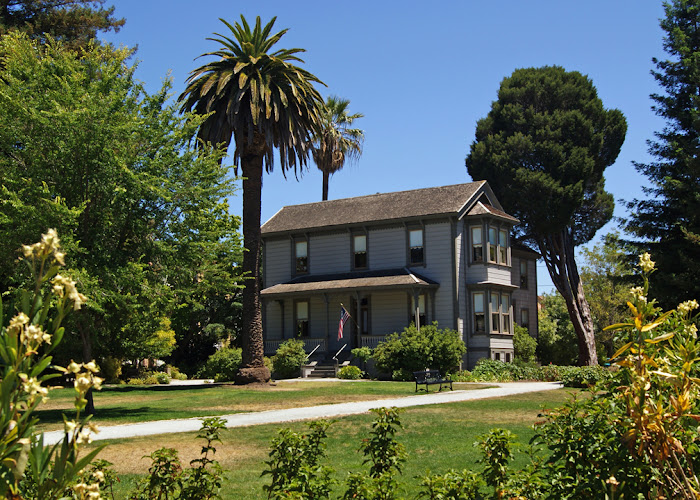
Galindo Home Museum & Gardens
About Galindo Home Museum & Gardens
Description
The Galindo Home Museum & Gardens stands as a quietly proud piece of Concord history, a house museum that carries the story of a local family and the evolution of Contra Costa County. Visitors will find more than period furniture and framed portraits; they will find a sense of place that links early Rancho-era families to the later civic life of the city. The house and surrounding gardens are preserved to reflect their historic character, managed with care by a local historical society that likes to keep the past alive without turning it into a dusty time capsule.
On a practical level, the site is accessible: there is a wheelchair-accessible entrance, accessible parking, and an accessible restroom, which helps a lot. The museum operates guided tours and also hosts a small theater space used for talks, lectures, and community programs. Those features make the place feel less like a static exhibit and more like a living corner of Concord where stories are told and questions are welcomed.
The Galindo family name appears frequently in local histories, and the house is often associated with the broader narrative of families such as the Pachecos and others who shaped the region. Instead of a long list of historical claims, the house offers rooms, artifacts, and interpretive panels that let visitors piece together daily life, land ownership patterns, and the way private homes intersected with public life. It is a compact yet rich museum experience — the kind that rewards a curious mind and a slow pair of feet.
The garden component is notable. Gardens at historic homes are sometimes cosmetic afterthoughts, but here they function as an extension of the interpretive story: plantings that reflect local horticultural choices across different eras, and a layout that invites strolling rather than rushing. Families with children will typically find the site welcoming; the museum markets itself as family-friendly and the layout, while historic, is workable for kids who like to ask questions and point at old curiosities. There is a restroom on site, but no on-site restaurant, so plan accordingly.
The overall mood of the museum is approachable. It’s not a mega-museum with long lines or an encyclopedic collection. Instead, it’s an intimate house museum where docents often know the names of donors, the quirks of the house, and sometimes a forgotten anecdote about the last family to live there. That personal touch is part of the charm, and it’s exactly why many travelers — especially those who appreciate local histories and quieter cultural stops — make time for it when exploring Concord.
Key Features
- Historic house museum interpreting the Galindo family and local Concord history
- Well-maintained period rooms and original-feel furnishings that evoke everyday life of earlier eras
- Extensive gardens serving as an outdoor extension of the museum experience
- Wheelchair-accessible entrance, parking, and restroom to help make visits easier for everyone
- Guided tours offered by knowledgeable docents who share stories, not just dates
- Theater space for lectures, community programs, and occasional performances
- Family-friendly atmosphere—good for kids who like hands-on storytelling and exploration
- Operated by a local historical society that connects the site to broader Contra Costa County history
- Compact size that makes the museum a realistic half- to full-hour stop, depending on interest
- No on-site restaurant; restroom available and seating areas in the gardens
Best Time to Visit
The best time to visit depends on what the visitor values most. Spring and early fall tend to be pleasant for wandering the gardens and sweating less while exploring outdoors. But Concord’s climate is generally mild, so the museum is a reasonable choice year-round. If a traveler wants fewer crowds and more personal interaction, weekday mornings or early afternoons are often quieter than weekend afternoons.
For those who like programming — talks, reenactments, or special garden events — checking the historical society’s calendar ahead of time will pay off. Community events are sometimes scheduled around holidays or local anniversaries and these can add a layer of meaning to the visit. And yes, if someone appreciates photography with softer natural light, aim for late afternoon; the gardens photograph nicely as the day cools and shadows lengthen.
Weather-wise, the house visits are not weather-dependent because indoor exhibits are the core. But because the gardens are part of the draw, traveling on a clear day will usually make the experience more enjoyable. The writer once arrived on a foggy morning and found it atmospheric, but admits that most visitors probably prefer sun and mild temperatures.
How to Get There
The house museum is located within Concord and is reachable by car, local transit, and—depending on where visitors are coming from—biking or rideshare. Driving is the most straightforward option for many travelers, and there is wheelchair-accessible parking available nearby. Public transit riders should consult local bus routes that serve central Concord; the museum is not a remote rural stop, but a part of the city’s historic core and so benefits from existing transit links.
For visitors coming from farther away, the site is a short drive from major regional arteries. Parking policies are generally visitor-friendly, but on event days it gets busier, so arriving early is a good idea. Biking to the museum is quite doable for those who enjoy a little light exercise; the neighborhood is bike-friendly in stretches, though riders should be comfortable with mixed traffic on some streets.
Walking is an option if lodging or other sites are nearby. The museum’s location makes it a convenient stop in a day that includes other Concord attractions. The writer recommends pairing the visit with a visit to nearby parks or historic sites to build a fuller sense of local history and to make the most of a day in Contra Costa County.
Tips for Visiting
Visitors who want a smooth, enjoyable visit will find the following practical tips helpful. These are based on common traveler questions, plus a few on-the-ground observations from the author and friendly docents.
- Check tour times in advance: Guided tours add context and have the best stories. The docents are often the real highlight, so plan visit time around their schedule.
- Arrive early on event days: Community programs can draw crowds. Early arrival guarantees a relaxed stroll through the rooms and gardens before visitors flood in.
- Accessibility matters: The museum provides wheelchair-accessible entrance, parking, and restroom. However, historic houses sometimes have thresholds and narrow doorways; visitors with mobility concerns might want to call ahead to confirm any logistics.
- Bring snacks or plan a nearby lunch: There’s no restaurant at the site. The museum’s garden seating is pleasant for a picnic if allowed, but many visitors prefer to pause at local cafes or eateries afterward.
- Kids and families: The museum is good for children who like stories. Docents are usually welcoming of smart questions, so encourage kids to ask about the house’s everyday objects and local history.
- Photography: Casual photos for personal use are usually fine but avoid flash in sensitive rooms. The staff can clarify any specific exhibit rules upon arrival.
- Combine visits: Make a mini-itinerary that includes nearby parks or the city’s other historic sites. Doing a small loop makes the day feel richer and gives more context to the house’s place in Concord’s story.
- Be ready to listen: Some of the most memorable moments happen during docent talks when little-known anecdotes and family stories emerge. Those human touches make the museum feel alive.
- Weather and what to wear: Comfortable shoes are recommended because the experience mixes indoor rooms with garden paths. Layers are good for variable spring and fall temperatures.
- Support the site: If the museum offers memberships, donations, or volunteer opportunities, consider participating. Small historical societies rely on community support to keep places like this running.
Finally, expect a visit here to be quietly rewarding. The Galindo Home Museum & Gardens does not shout for attention; instead it rewards patience, curiosity, and the kind of traveler who wants to understand the human stories behind the region. The writer admits a soft spot for small museums — they feel like finding a good, underrated café where the barista remembers your name. This house is like that: small, personable, and likely to leave a memorable impression if a visitor lets it.
Key Features
- Historic house museum interpreting the Galindo family and local Concord history
- Well-maintained period rooms and original-feel furnishings that evoke everyday life of earlier eras
- Extensive gardens serving as an outdoor extension of the museum experience
- Wheelchair-accessible entrance, parking, and restroom to help make visits easier for everyone
- Guided tours offered by knowledgeable docents who share stories, not just dates
- Theater space for lectures, community programs, and occasional performances
- Family-friendly atmosphere—good for kids who like hands-on storytelling and exploration
- Operated by a local historical society that connects the site to broader Contra Costa County history
More Details
Updated August 29, 2025
Table of Contents
Description
The Galindo Home Museum & Gardens stands as a quietly proud piece of Concord history, a house museum that carries the story of a local family and the evolution of Contra Costa County. Visitors will find more than period furniture and framed portraits; they will find a sense of place that links early Rancho-era families to the later civic life of the city. The house and surrounding gardens are preserved to reflect their historic character, managed with care by a local historical society that likes to keep the past alive without turning it into a dusty time capsule.
On a practical level, the site is accessible: there is a wheelchair-accessible entrance, accessible parking, and an accessible restroom, which helps a lot. The museum operates guided tours and also hosts a small theater space used for talks, lectures, and community programs. Those features make the place feel less like a static exhibit and more like a living corner of Concord where stories are told and questions are welcomed.
The Galindo family name appears frequently in local histories, and the house is often associated with the broader narrative of families such as the Pachecos and others who shaped the region. Instead of a long list of historical claims, the house offers rooms, artifacts, and interpretive panels that let visitors piece together daily life, land ownership patterns, and the way private homes intersected with public life. It is a compact yet rich museum experience — the kind that rewards a curious mind and a slow pair of feet.
The garden component is notable. Gardens at historic homes are sometimes cosmetic afterthoughts, but here they function as an extension of the interpretive story: plantings that reflect local horticultural choices across different eras, and a layout that invites strolling rather than rushing. Families with children will typically find the site welcoming; the museum markets itself as family-friendly and the layout, while historic, is workable for kids who like to ask questions and point at old curiosities. There is a restroom on site, but no on-site restaurant, so plan accordingly.
The overall mood of the museum is approachable. It’s not a mega-museum with long lines or an encyclopedic collection. Instead, it’s an intimate house museum where docents often know the names of donors, the quirks of the house, and sometimes a forgotten anecdote about the last family to live there. That personal touch is part of the charm, and it’s exactly why many travelers — especially those who appreciate local histories and quieter cultural stops — make time for it when exploring Concord.
Key Features
- Historic house museum interpreting the Galindo family and local Concord history
- Well-maintained period rooms and original-feel furnishings that evoke everyday life of earlier eras
- Extensive gardens serving as an outdoor extension of the museum experience
- Wheelchair-accessible entrance, parking, and restroom to help make visits easier for everyone
- Guided tours offered by knowledgeable docents who share stories, not just dates
- Theater space for lectures, community programs, and occasional performances
- Family-friendly atmosphere—good for kids who like hands-on storytelling and exploration
- Operated by a local historical society that connects the site to broader Contra Costa County history
- Compact size that makes the museum a realistic half- to full-hour stop, depending on interest
- No on-site restaurant; restroom available and seating areas in the gardens
Best Time to Visit
The best time to visit depends on what the visitor values most. Spring and early fall tend to be pleasant for wandering the gardens and sweating less while exploring outdoors. But Concord’s climate is generally mild, so the museum is a reasonable choice year-round. If a traveler wants fewer crowds and more personal interaction, weekday mornings or early afternoons are often quieter than weekend afternoons.
For those who like programming — talks, reenactments, or special garden events — checking the historical society’s calendar ahead of time will pay off. Community events are sometimes scheduled around holidays or local anniversaries and these can add a layer of meaning to the visit. And yes, if someone appreciates photography with softer natural light, aim for late afternoon; the gardens photograph nicely as the day cools and shadows lengthen.
Weather-wise, the house visits are not weather-dependent because indoor exhibits are the core. But because the gardens are part of the draw, traveling on a clear day will usually make the experience more enjoyable. The writer once arrived on a foggy morning and found it atmospheric, but admits that most visitors probably prefer sun and mild temperatures.
How to Get There
The house museum is located within Concord and is reachable by car, local transit, and—depending on where visitors are coming from—biking or rideshare. Driving is the most straightforward option for many travelers, and there is wheelchair-accessible parking available nearby. Public transit riders should consult local bus routes that serve central Concord; the museum is not a remote rural stop, but a part of the city’s historic core and so benefits from existing transit links.
For visitors coming from farther away, the site is a short drive from major regional arteries. Parking policies are generally visitor-friendly, but on event days it gets busier, so arriving early is a good idea. Biking to the museum is quite doable for those who enjoy a little light exercise; the neighborhood is bike-friendly in stretches, though riders should be comfortable with mixed traffic on some streets.
Walking is an option if lodging or other sites are nearby. The museum’s location makes it a convenient stop in a day that includes other Concord attractions. The writer recommends pairing the visit with a visit to nearby parks or historic sites to build a fuller sense of local history and to make the most of a day in Contra Costa County.
Tips for Visiting
Visitors who want a smooth, enjoyable visit will find the following practical tips helpful. These are based on common traveler questions, plus a few on-the-ground observations from the author and friendly docents.
- Check tour times in advance: Guided tours add context and have the best stories. The docents are often the real highlight, so plan visit time around their schedule.
- Arrive early on event days: Community programs can draw crowds. Early arrival guarantees a relaxed stroll through the rooms and gardens before visitors flood in.
- Accessibility matters: The museum provides wheelchair-accessible entrance, parking, and restroom. However, historic houses sometimes have thresholds and narrow doorways; visitors with mobility concerns might want to call ahead to confirm any logistics.
- Bring snacks or plan a nearby lunch: There’s no restaurant at the site. The museum’s garden seating is pleasant for a picnic if allowed, but many visitors prefer to pause at local cafes or eateries afterward.
- Kids and families: The museum is good for children who like stories. Docents are usually welcoming of smart questions, so encourage kids to ask about the house’s everyday objects and local history.
- Photography: Casual photos for personal use are usually fine but avoid flash in sensitive rooms. The staff can clarify any specific exhibit rules upon arrival.
- Combine visits: Make a mini-itinerary that includes nearby parks or the city’s other historic sites. Doing a small loop makes the day feel richer and gives more context to the house’s place in Concord’s story.
- Be ready to listen: Some of the most memorable moments happen during docent talks when little-known anecdotes and family stories emerge. Those human touches make the museum feel alive.
- Weather and what to wear: Comfortable shoes are recommended because the experience mixes indoor rooms with garden paths. Layers are good for variable spring and fall temperatures.
- Support the site: If the museum offers memberships, donations, or volunteer opportunities, consider participating. Small historical societies rely on community support to keep places like this running.
Finally, expect a visit here to be quietly rewarding. The Galindo Home Museum & Gardens does not shout for attention; instead it rewards patience, curiosity, and the kind of traveler who wants to understand the human stories behind the region. The writer admits a soft spot for small museums — they feel like finding a good, underrated café where the barista remembers your name. This house is like that: small, personable, and likely to leave a memorable impression if a visitor lets it.
Key Highlights
- Historic house museum interpreting the Galindo family and local Concord history
- Well-maintained period rooms and original-feel furnishings that evoke everyday life of earlier eras
- Extensive gardens serving as an outdoor extension of the museum experience
- Wheelchair-accessible entrance, parking, and restroom to help make visits easier for everyone
- Guided tours offered by knowledgeable docents who share stories, not just dates
- Theater space for lectures, community programs, and occasional performances
- Family-friendly atmosphere—good for kids who like hands-on storytelling and exploration
- Operated by a local historical society that connects the site to broader Contra Costa County history
Location
Places to Stay Near Galindo Home Museum & Gardens
Find and Book a Tour
Explore More Travel Guides
No reviews found! Be the first to review!
Traveler Reviews for Galindo Home Museum & Gardens
There are no reviews yet. Be the first one to write one.
Have you visited Galindo Home Museum & Gardens? Help other travelers by sharing your review.
You Might Also Like
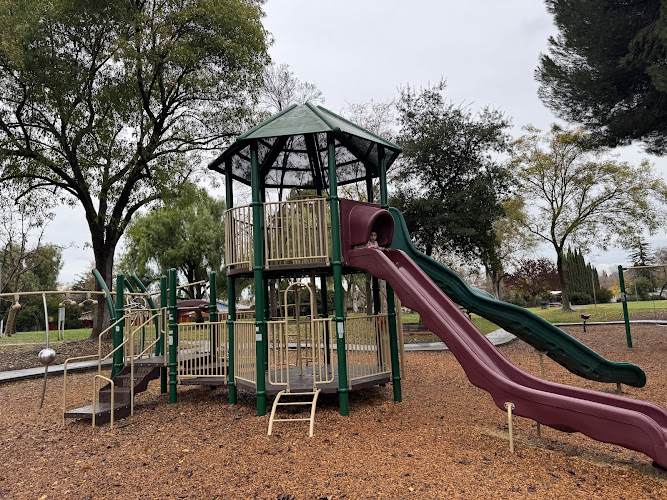
Ygnacio Valley Park
Home of the 90

Lindsay Wildlife Experience
Find Accommodations Nearby
Recommended Tours & Activities
Visitor Reviews
There are no reviews yet. Be the first one to write one.
Share Your Experience
Have you visited Galindo Home Museum & Gardens? Help other travelers by leaving a review.