
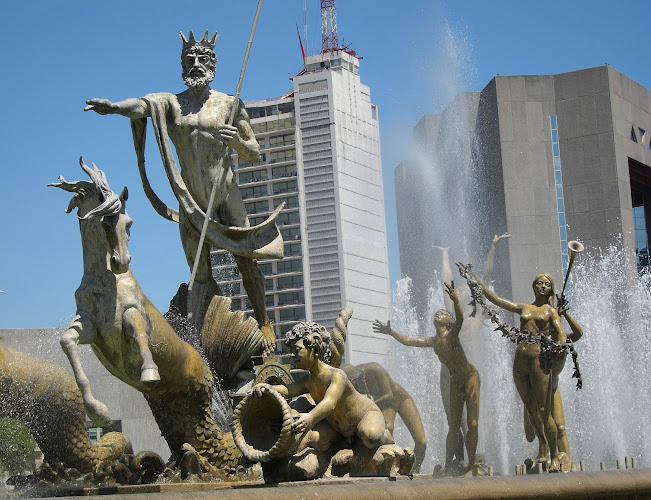
Fuente de Neptuno
About Fuente de Neptuno
Description
The Fuente de Neptuno, also known as the Fountain of Life, is one of those places that quietly surprises you. It’s not just another fountain tucked into a plaza—it’s a bold statement in marble and water, right at the heart of Monterrey’s Macroplaza. Created by Spanish artist Luis Sanguino and inaugurated in December 1984, this sculpture pays homage to Neptune, the Roman god of the sea. And while Monterrey is nowhere near the ocean, the symbolism here runs deep. The fountain was built to commemorate the city’s hydraulic plan—a massive effort to ensure a steady water supply for a growing metropolis that sits in a semi-arid region. There’s something poetic about that, isn’t there? A god of the sea watching over a city that’s always thirsted for water.
When you first see it, Neptune stands tall and commanding, trident in hand, surrounded by cascading jets of water. There’s a kind of calm power in his expression, as though he’s both protector and provider. I remember the first time I stumbled upon it during a warm evening walk through the Macroplaza—the air was thick with the sound of splashing water and chatter from nearby families. It felt like the city itself was taking a deep breath. The lighting at night adds another layer of magic, with reflections dancing across the water’s surface and the sculpture glowing softly against the backdrop of the plaza’s greenery and modern structures.
What’s fascinating is how the fountain bridges old-world mythology with Monterrey’s modern identity. It’s not just art for art’s sake—it’s a story about resilience, progress, and the importance of water in a city that’s had to fight for every drop. And honestly, it’s one of those places that looks different every time you visit. On a bright afternoon, it’s all gleaming marble and crisp shadows. By dusk, it turns almost cinematic. Whether you’re a local or a traveler, it’s hard not to pause for a moment and just take it all in.
Key Features
- Neoclassical Design: Crafted by Luis Sanguino, the fountain combines classical mythology with modern artistic sensibility, giving it both historical depth and contemporary relevance.
- Symbolic Purpose: Built to celebrate Monterrey’s hydraulic infrastructure, it represents the city’s triumph over water scarcity.
- Central Location: Positioned at the heart of the Macroplaza, one of the largest public squares in Latin America, making it an easy stop for anyone exploring downtown Monterrey.
- Accessibility: The area offers wheelchair-accessible entrances and parking, ensuring visitors of all abilities can enjoy it comfortably.
- Night Illumination: The fountain is beautifully lit after sunset, making it a favorite spot for photographers and couples out for an evening stroll.
- Local Landmark: Over the years, it’s become a meeting point and symbol of civic pride for Monterrey residents.
- Photographic Appeal: The dynamic interplay of water and sculpture makes it a dream subject for both amateur and professional photographers.
And if you’re into photography (like me), you’ll find endless angles to play with. The way sunlight hits the marble, the motion of the water—it’s one of those scenes that never feels static. I once spent nearly an hour trying to capture the perfect shot of the water spray catching the afternoon light. Spoiler: I didn’t quite get it, but it was worth every second.
Best Time to Visit
If you ask me, the Fuente de Neptuno is best experienced in the early evening. The temperature in Monterrey cools down a bit, the plaza fills with locals, and the fountain’s lights come alive. There’s a certain rhythm to the place at that hour—street musicians playing nearby, kids running around, and couples sitting quietly on benches. It’s less about sightseeing and more about soaking in the city’s pulse. Morning visits are great too if you prefer a quieter atmosphere for photography or reflection. Avoid the midday heat unless you’re ready for a serious sun session; Monterrey’s afternoons can be intense.
Season-wise, spring and autumn are ideal. The weather’s pleasant, and the Macroplaza’s gardens are at their best. During the summer, the fountain almost feels like a refuge from the heat—standing close enough to feel the mist on your face is oddly refreshing. And if you happen to visit during local celebrations, you might catch the area buzzing with cultural events, food stalls, and live performances. It’s a whole different vibe then—lively, colorful, and very Monterrey.
How to Get There
Reaching the Fuente de Neptuno is pretty straightforward since it sits right in the center of Monterrey’s Macroplaza, one of the city’s main landmarks. If you’re staying downtown, you can easily walk there. The area is pedestrian-friendly, and you’ll pass by other key attractions along the way, like the Metropolitan Cathedral and the Government Palace. For those coming from farther out, taxis and ride-sharing apps are reliable and affordable. Public buses also stop near the Macroplaza, and the nearest metro station is just a short walk away.
If you’re driving, parking can be found in nearby lots, though spaces fill up quickly during weekends or events. Personally, I prefer walking—it’s the best way to really feel the heartbeat of Monterrey. You’ll notice how the city’s architecture shifts from colonial to modern as you approach the plaza, and the fountain becomes this focal point that ties it all together. Plus, there’s something satisfying about hearing the splash of water before you even see it.
Tips for Visiting
Here’s the thing: the Fuente de Neptuno might not demand a full day of your itinerary, but it’s a place worth lingering at. Take your time. Sit on a nearby bench, grab a coffee from a local café, and just watch the world go by. If you’re into people-watching, this is prime territory. You’ll see families taking photos, street vendors selling snacks, and sometimes even artists sketching the fountain’s curves.
- Go at golden hour: The lighting is perfect for photos, and the soft hues make the fountain look almost ethereal.
- Bring a camera or phone with good low-light settings: The night illumination is stunning, and you’ll want to capture it.
- Stay hydrated: Monterrey’s climate can be hot and dry, especially in summer.
- Respect the space: It’s a public monument with cultural significance, so avoid climbing on the sculpture or wading into the fountain.
- Explore nearby attractions: The Macroplaza is surrounded by museums, gardens, and historical buildings—perfect for a half-day outing.
- Accessibility tip: The area is wheelchair-friendly, with smooth pathways and ramps, making it convenient for all visitors.
I’ll admit, I have a soft spot for places like this—where art, history, and civic pride meet in one spot. The Fuente de Neptuno isn’t just a monument; it’s a reminder of how cities evolve and how they honor their struggles and triumphs. Every time I visit Monterrey, I find myself drawn back to it. Maybe it’s the sound of the water, maybe it’s the sense of balance it brings to the bustling Macroplaza, or maybe it’s just that quiet reminder that even in a land far from the sea, Neptune still watches over the waves we make on land.
So if you’re planning a trip to Monterrey, make sure to carve out a little time for this fountain. It might not be the loudest attraction in town, but it’s one of the most meaningful. And who knows—you might just find yourself, like I did, standing there longer than you expected, completely caught up in the rhythm of water and stone.
Key Features
- Key Features
- Best Time to Visit
- How to Get There
- Tips for Visiting
More Details
Updated November 9, 2025
Table of Contents
Description
The Fuente de Neptuno, also known as the Fountain of Life, is one of those places that quietly surprises you. It’s not just another fountain tucked into a plaza—it’s a bold statement in marble and water, right at the heart of Monterrey’s Macroplaza. Created by Spanish artist Luis Sanguino and inaugurated in December 1984, this sculpture pays homage to Neptune, the Roman god of the sea. And while Monterrey is nowhere near the ocean, the symbolism here runs deep. The fountain was built to commemorate the city’s hydraulic plan—a massive effort to ensure a steady water supply for a growing metropolis that sits in a semi-arid region. There’s something poetic about that, isn’t there? A god of the sea watching over a city that’s always thirsted for water.
When you first see it, Neptune stands tall and commanding, trident in hand, surrounded by cascading jets of water. There’s a kind of calm power in his expression, as though he’s both protector and provider. I remember the first time I stumbled upon it during a warm evening walk through the Macroplaza—the air was thick with the sound of splashing water and chatter from nearby families. It felt like the city itself was taking a deep breath. The lighting at night adds another layer of magic, with reflections dancing across the water’s surface and the sculpture glowing softly against the backdrop of the plaza’s greenery and modern structures.
What’s fascinating is how the fountain bridges old-world mythology with Monterrey’s modern identity. It’s not just art for art’s sake—it’s a story about resilience, progress, and the importance of water in a city that’s had to fight for every drop. And honestly, it’s one of those places that looks different every time you visit. On a bright afternoon, it’s all gleaming marble and crisp shadows. By dusk, it turns almost cinematic. Whether you’re a local or a traveler, it’s hard not to pause for a moment and just take it all in.
Key Features
- Neoclassical Design: Crafted by Luis Sanguino, the fountain combines classical mythology with modern artistic sensibility, giving it both historical depth and contemporary relevance.
- Symbolic Purpose: Built to celebrate Monterrey’s hydraulic infrastructure, it represents the city’s triumph over water scarcity.
- Central Location: Positioned at the heart of the Macroplaza, one of the largest public squares in Latin America, making it an easy stop for anyone exploring downtown Monterrey.
- Accessibility: The area offers wheelchair-accessible entrances and parking, ensuring visitors of all abilities can enjoy it comfortably.
- Night Illumination: The fountain is beautifully lit after sunset, making it a favorite spot for photographers and couples out for an evening stroll.
- Local Landmark: Over the years, it’s become a meeting point and symbol of civic pride for Monterrey residents.
- Photographic Appeal: The dynamic interplay of water and sculpture makes it a dream subject for both amateur and professional photographers.
And if you’re into photography (like me), you’ll find endless angles to play with. The way sunlight hits the marble, the motion of the water—it’s one of those scenes that never feels static. I once spent nearly an hour trying to capture the perfect shot of the water spray catching the afternoon light. Spoiler: I didn’t quite get it, but it was worth every second.
Best Time to Visit
If you ask me, the Fuente de Neptuno is best experienced in the early evening. The temperature in Monterrey cools down a bit, the plaza fills with locals, and the fountain’s lights come alive. There’s a certain rhythm to the place at that hour—street musicians playing nearby, kids running around, and couples sitting quietly on benches. It’s less about sightseeing and more about soaking in the city’s pulse. Morning visits are great too if you prefer a quieter atmosphere for photography or reflection. Avoid the midday heat unless you’re ready for a serious sun session; Monterrey’s afternoons can be intense.
Season-wise, spring and autumn are ideal. The weather’s pleasant, and the Macroplaza’s gardens are at their best. During the summer, the fountain almost feels like a refuge from the heat—standing close enough to feel the mist on your face is oddly refreshing. And if you happen to visit during local celebrations, you might catch the area buzzing with cultural events, food stalls, and live performances. It’s a whole different vibe then—lively, colorful, and very Monterrey.
How to Get There
Reaching the Fuente de Neptuno is pretty straightforward since it sits right in the center of Monterrey’s Macroplaza, one of the city’s main landmarks. If you’re staying downtown, you can easily walk there. The area is pedestrian-friendly, and you’ll pass by other key attractions along the way, like the Metropolitan Cathedral and the Government Palace. For those coming from farther out, taxis and ride-sharing apps are reliable and affordable. Public buses also stop near the Macroplaza, and the nearest metro station is just a short walk away.
If you’re driving, parking can be found in nearby lots, though spaces fill up quickly during weekends or events. Personally, I prefer walking—it’s the best way to really feel the heartbeat of Monterrey. You’ll notice how the city’s architecture shifts from colonial to modern as you approach the plaza, and the fountain becomes this focal point that ties it all together. Plus, there’s something satisfying about hearing the splash of water before you even see it.
Tips for Visiting
Here’s the thing: the Fuente de Neptuno might not demand a full day of your itinerary, but it’s a place worth lingering at. Take your time. Sit on a nearby bench, grab a coffee from a local café, and just watch the world go by. If you’re into people-watching, this is prime territory. You’ll see families taking photos, street vendors selling snacks, and sometimes even artists sketching the fountain’s curves.
- Go at golden hour: The lighting is perfect for photos, and the soft hues make the fountain look almost ethereal.
- Bring a camera or phone with good low-light settings: The night illumination is stunning, and you’ll want to capture it.
- Stay hydrated: Monterrey’s climate can be hot and dry, especially in summer.
- Respect the space: It’s a public monument with cultural significance, so avoid climbing on the sculpture or wading into the fountain.
- Explore nearby attractions: The Macroplaza is surrounded by museums, gardens, and historical buildings—perfect for a half-day outing.
- Accessibility tip: The area is wheelchair-friendly, with smooth pathways and ramps, making it convenient for all visitors.
I’ll admit, I have a soft spot for places like this—where art, history, and civic pride meet in one spot. The Fuente de Neptuno isn’t just a monument; it’s a reminder of how cities evolve and how they honor their struggles and triumphs. Every time I visit Monterrey, I find myself drawn back to it. Maybe it’s the sound of the water, maybe it’s the sense of balance it brings to the bustling Macroplaza, or maybe it’s just that quiet reminder that even in a land far from the sea, Neptune still watches over the waves we make on land.
So if you’re planning a trip to Monterrey, make sure to carve out a little time for this fountain. It might not be the loudest attraction in town, but it’s one of the most meaningful. And who knows—you might just find yourself, like I did, standing there longer than you expected, completely caught up in the rhythm of water and stone.
Key Highlights
- Key Features
- Best Time to Visit
- How to Get There
- Tips for Visiting
Location
Places to Stay Near Fuente de Neptuno
Find and Book a Tour
Explore More Travel Guides
No reviews found! Be the first to review!
Traveler Reviews for Fuente de Neptuno
There are no reviews yet. Be the first one to write one.
Have you visited Fuente de Neptuno? Help other travelers by sharing your review.
You Might Also Like
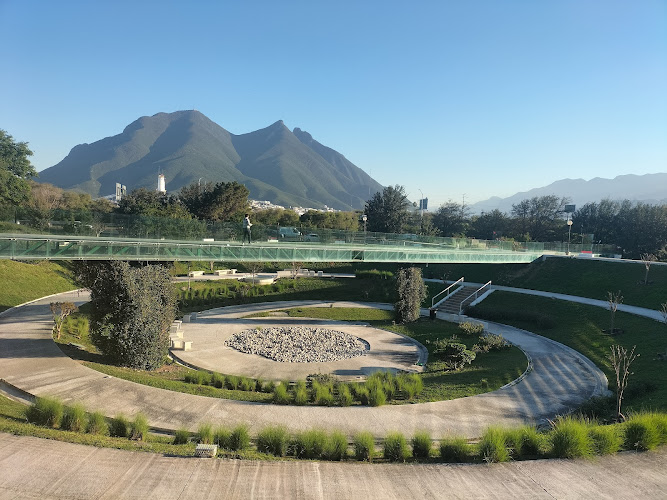
Paseo De La Mujer Mexicana

Mexican History Museum
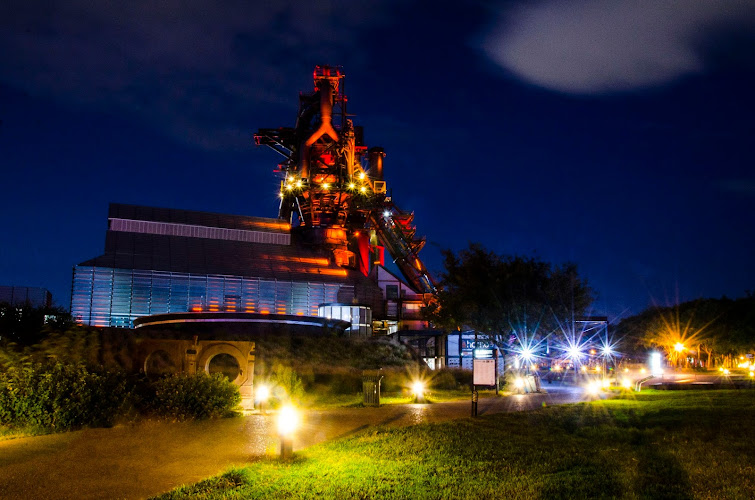
Museo de Acero
Find Accommodations Nearby
Recommended Tours & Activities
Visitor Reviews
There are no reviews yet. Be the first one to write one.
Share Your Experience
Have you visited Fuente de Neptuno? Help other travelers by leaving a review.