
Foster City
About Foster City
Description
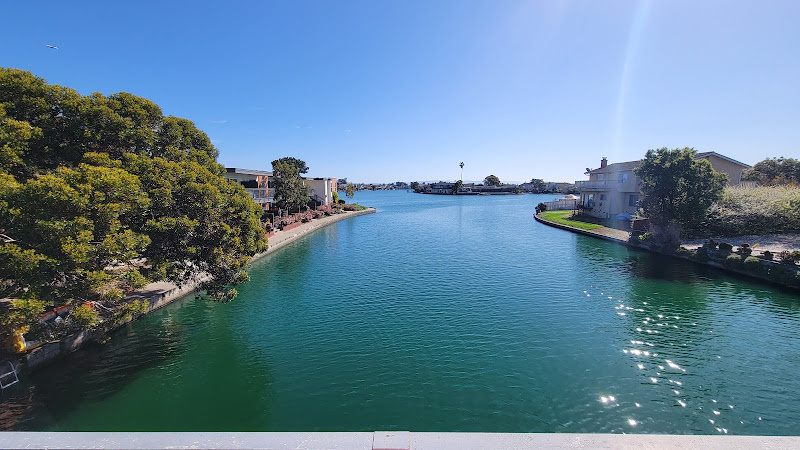
Foster City stands out as one of those carefully designed communities that proves urban planning can actually work when done right. Built on reclaimed marshland back in the 1960s, this small city in San Mateo County has transformed itself into a waterfront haven that's equal parts residential paradise and tech hub. You'll find it tucked between the San Francisco Bay and Highway 101, about halfway between San Francisco and San Jose. What makes Foster City genuinely interesting is how it manages to feel like its own little world despite being surrounded by some of the busiest urban corridors in California. The entire city is essentially built around a lagoon system – and I mean that quite literally. Water is everywhere here, which gives the place a surprisingly tranquil atmosphere considering you're basically in the heart of Silicon Valley's tech madness. The city was named after T. Jack Foster, the visionary developer who saw potential in what was basically unusable marshland. And honestly, the transformation is pretty remarkable. Today, Foster City spans roughly 19,000 residents across just over three square miles, making it compact enough to explore thoroughly but substantial enough to offer real amenities and attractions. The population is incredibly diverse, reflecting the international workforce that's become synonymous with Silicon Valley companies. Walking or cycling through Foster City feels different than most California cities. The waterfront paths, the deliberately planned green spaces, and the way everything connects through a series of bridges and channels creates this almost European feel. It's not quite Venice, but there's definitely something special about a city where water views are the norm rather than the exception.Key Features
Foster City delivers several distinctive experiences that travelers often overlook when rushing between San Francisco and Silicon Valley's more famous destinations:- The extensive lagoon system provides over 200 acres of navigable waterways perfect for kayaking, paddleboarding, and small boat sailing
- Leo J. Ryan Park offers beach access, picnic areas, and some of the best sunset views over the San Francisco Bay you'll find anywhere in the region
- A network of walking and biking trails spans more than 19 miles throughout the city, connecting neighborhoods, parks, and waterfront areas
- The Foster City Recreation Center includes modern facilities for fitness, swimming, and various sports activities
- Multiple small parks and green spaces dot the residential areas, each with their own character and local following
- The Bay Trail segment runs along the eastern edge, providing spectacular views and connections to regional trail systems
- Unique architecture from the 1960s and 70s gives certain neighborhoods a distinctive retro-modern aesthetic
- Excellent dining options reflect the area's diverse population, with particularly strong Asian cuisine representation
- The city hosts seasonal events including outdoor concerts and a popular kite festival that draws participants from across the region
- Easy water access makes it ideal for bringing your own kayak or paddleboard to explore at your own pace
Best Time to Visit
Here's the thing about Foster City timing – the weather is pretty consistent year-round, but your experience will vary significantly depending on what you want to do. I'd say late spring through early fall, roughly May through October, gives you the best overall experience for outdoor activities. The temperatures hover comfortably in the 60s to 70s, and you'll get more reliable sunshine for those water-based adventures. But honestly? September and October are when Foster City really shines. The summer fog that often blankets this part of the Bay Area starts clearing out more consistently, and you get these absolutely gorgeous autumn days. The water is actually at its warmest during these months too, which matters if you're planning on kayaking or paddleboarding for extended periods. Winter isn't terrible here – temperatures rarely drop below the mid-40s – but you'll deal with more rain and wind. The lagoons can get choppy, and outdoor activities become less appealing. That said, if you're just passing through or want to explore the dining scene, winter works fine. The city takes on a quieter, more contemplative mood during these months. Spring brings wildflowers to the surrounding hills and parks, and everything feels fresh and renewed. March through May offers good weather without the occasional heat spikes you might encounter in summer. Plus, you're visiting before the peak tourist season hits the broader Bay Area, meaning less traffic on 101 and easier parking. One specific recommendation – if you can time your visit with Foster City's Art & Wine Festival (typically held in June) or the kite festival, you'll see the community at its most lively. These events really showcase the local culture and give you a different perspective than just wandering around on your own.How to Get There
Getting to Foster City is straightforward enough, though you'll definitely want to understand the Bay Area's notorious traffic patterns before you hit the road. The city sits right off Highway 101, which is both convenient and occasionally frustrating depending on when you're traveling. If you're flying in, San Francisco International Airport is literally adjacent to Foster City – we're talking about a 10-minute drive in good traffic. This proximity makes Foster City an excellent base if you have early flights or just want to minimize airport stress. San Jose International Airport is about 30 miles south, roughly a 40-minute drive without traffic. Driving from San Francisco takes about 30 minutes under ideal conditions, but let's be real – ideal conditions on 101 are increasingly rare. During rush hours, that trip can easily stretch to an hour or more. From San Jose heading north, expect similar timing and traffic considerations. Take the East Hillsdale Boulevard exit off 101, and you'll find yourself in Foster City within minutes. Public transportation exists but isn't particularly convenient for reaching Foster City itself. SamTrans operates bus routes through the area, connecting to broader Bay Area transit systems. But if you're planning to explore the city properly, you really want a car. The layout isn't exactly pedestrian-hostile, but it was designed with automobiles in mind, and getting around without one limits your options significantly. Ride-sharing services like Uber and Lyft work well here, with good availability given the proximity to the airport and major employment centers. Biking into Foster City is actually quite pleasant if you're already somewhere nearby – the Bay Trail provides scenic access, and local streets are generally bike-friendly with dedicated lanes in many areas.Tips for Visiting
Foster City isn't complicated, but a few insider perspectives can enhance your experience considerably. First off, bring or rent water equipment if you're at all interested in getting out on the lagoons. You can find rental options in nearby communities, and the calm, protected waters make this genuinely one of the best places in the Bay Area for beginners to try kayaking or paddleboarding. The waterfront parks fill up on nice weekends, particularly Leo J. Ryan Park. Arrive early if you want primo picnic spots or beach access. And speaking of beaches – manage your expectations. This is Bay Area beach territory, meaning the water is cold and the sand isn't exactly Hawaii quality. But for sunset watching and wading? It's pretty great. Parking is generally free and available throughout Foster City, which is refreshing compared to San Francisco or other Peninsula cities. Most parks have dedicated lots, and street parking in commercial areas works fine. Just pay attention to posted restrictions during street cleaning times. The food scene deserves more attention than it typically gets. Don't just hit the chains visible from the highway. Explore the smaller shopping centers, particularly those along East Hillsdale and Foster City Boulevard, where you'll find excellent Asian restaurants, cafes, and specialty shops. The diversity of cuisine reflects the tech industry's international workforce, and you can eat remarkably well here. Bring layers, always. Even on warm days, the Bay breeze picks up in the afternoon and evening, and temperatures can drop 15-20 degrees as the sun goes down. I can't tell you how many times I've watched tourists shivering in t-shirts during beautiful sunset hours because they didn't anticipate this. Consider Foster City as a base for exploring the broader Peninsula if you're doing a multi-day trip. Hotel options are limited but decent, and the location provides easier access to both San Francisco and Silicon Valley attractions than staying in either city proper. Plus, parking is easier and accommodations often less expensive than San Francisco. The walking and biking paths deserve extended exploration. Don't just drive to one spot and call it done. The real character of Foster City reveals itself when you spend time moving through the neighborhoods, crossing the little bridges, and discovering the various pocket parks and waterfront access points. Give yourself at least a few hours to properly wander. Finally, respect the residential nature of most of Foster City. This isn't a tourist destination in the traditional sense – it's a working community where people live their daily lives. Keep noise reasonable, clean up after yourself in parks, and remember that those beautiful homes along the lagoons are someone's actual residence, not just Instagram backdrops.Key Features
- The extensive lagoon system provides over 200 acres of navigable waterways perfect for kayaking, paddleboarding, and small boat sailing
- Leo J. Ryan Park offers beach access, picnic areas, and some of the best sunset views over the San Francisco Bay you'll find anywhere in the region
- A network of walking and biking trails spans more than 19 miles throughout the city, connecting neighborhoods, parks, and waterfront areas
- The Foster City Recreation Center includes modern facilities for fitness, swimming, and various sports activities
- Multiple small parks and green spaces dot the residential areas, each with their own character and local following
- The Bay Trail segment runs along the eastern edge, providing spectacular views and connections to regional trail systems
- Unique architecture from the 1960s and 70s gives certain neighborhoods a distinctive retro-modern aesthetic
- Excellent dining options reflect the area's diverse population, with particularly strong Asian cuisine representation
More Details
Updated January 5, 2026
Table of Contents
Description
Foster City stands out as one of those carefully designed communities that proves urban planning can actually work when done right. Built on reclaimed marshland back in the 1960s, this small city in San Mateo County has transformed itself into a waterfront haven that’s equal parts residential paradise and tech hub. You’ll find it tucked between the San Francisco Bay and Highway 101, about halfway between San Francisco and San Jose.
What makes Foster City genuinely interesting is how it manages to feel like its own little world despite being surrounded by some of the busiest urban corridors in California. The entire city is essentially built around a lagoon system – and I mean that quite literally. Water is everywhere here, which gives the place a surprisingly tranquil atmosphere considering you’re basically in the heart of Silicon Valley’s tech madness.
The city was named after T. Jack Foster, the visionary developer who saw potential in what was basically unusable marshland. And honestly, the transformation is pretty remarkable. Today, Foster City spans roughly 19,000 residents across just over three square miles, making it compact enough to explore thoroughly but substantial enough to offer real amenities and attractions. The population is incredibly diverse, reflecting the international workforce that’s become synonymous with Silicon Valley companies.
Walking or cycling through Foster City feels different than most California cities. The waterfront paths, the deliberately planned green spaces, and the way everything connects through a series of bridges and channels creates this almost European feel. It’s not quite Venice, but there’s definitely something special about a city where water views are the norm rather than the exception.
Key Features
Foster City delivers several distinctive experiences that travelers often overlook when rushing between San Francisco and Silicon Valley’s more famous destinations:
- The extensive lagoon system provides over 200 acres of navigable waterways perfect for kayaking, paddleboarding, and small boat sailing
- Leo J. Ryan Park offers beach access, picnic areas, and some of the best sunset views over the San Francisco Bay you’ll find anywhere in the region
- A network of walking and biking trails spans more than 19 miles throughout the city, connecting neighborhoods, parks, and waterfront areas
- The Foster City Recreation Center includes modern facilities for fitness, swimming, and various sports activities
- Multiple small parks and green spaces dot the residential areas, each with their own character and local following
- The Bay Trail segment runs along the eastern edge, providing spectacular views and connections to regional trail systems
- Unique architecture from the 1960s and 70s gives certain neighborhoods a distinctive retro-modern aesthetic
- Excellent dining options reflect the area’s diverse population, with particularly strong Asian cuisine representation
- The city hosts seasonal events including outdoor concerts and a popular kite festival that draws participants from across the region
- Easy water access makes it ideal for bringing your own kayak or paddleboard to explore at your own pace
Best Time to Visit
Here’s the thing about Foster City timing – the weather is pretty consistent year-round, but your experience will vary significantly depending on what you want to do. I’d say late spring through early fall, roughly May through October, gives you the best overall experience for outdoor activities. The temperatures hover comfortably in the 60s to 70s, and you’ll get more reliable sunshine for those water-based adventures.
But honestly? September and October are when Foster City really shines. The summer fog that often blankets this part of the Bay Area starts clearing out more consistently, and you get these absolutely gorgeous autumn days. The water is actually at its warmest during these months too, which matters if you’re planning on kayaking or paddleboarding for extended periods.
Winter isn’t terrible here – temperatures rarely drop below the mid-40s – but you’ll deal with more rain and wind. The lagoons can get choppy, and outdoor activities become less appealing. That said, if you’re just passing through or want to explore the dining scene, winter works fine. The city takes on a quieter, more contemplative mood during these months.
Spring brings wildflowers to the surrounding hills and parks, and everything feels fresh and renewed. March through May offers good weather without the occasional heat spikes you might encounter in summer. Plus, you’re visiting before the peak tourist season hits the broader Bay Area, meaning less traffic on 101 and easier parking.
One specific recommendation – if you can time your visit with Foster City’s Art & Wine Festival (typically held in June) or the kite festival, you’ll see the community at its most lively. These events really showcase the local culture and give you a different perspective than just wandering around on your own.
How to Get There
Getting to Foster City is straightforward enough, though you’ll definitely want to understand the Bay Area’s notorious traffic patterns before you hit the road. The city sits right off Highway 101, which is both convenient and occasionally frustrating depending on when you’re traveling.
If you’re flying in, San Francisco International Airport is literally adjacent to Foster City – we’re talking about a 10-minute drive in good traffic. This proximity makes Foster City an excellent base if you have early flights or just want to minimize airport stress. San Jose International Airport is about 30 miles south, roughly a 40-minute drive without traffic.
Driving from San Francisco takes about 30 minutes under ideal conditions, but let’s be real – ideal conditions on 101 are increasingly rare. During rush hours, that trip can easily stretch to an hour or more. From San Jose heading north, expect similar timing and traffic considerations. Take the East Hillsdale Boulevard exit off 101, and you’ll find yourself in Foster City within minutes.
Public transportation exists but isn’t particularly convenient for reaching Foster City itself. SamTrans operates bus routes through the area, connecting to broader Bay Area transit systems. But if you’re planning to explore the city properly, you really want a car. The layout isn’t exactly pedestrian-hostile, but it was designed with automobiles in mind, and getting around without one limits your options significantly.
Ride-sharing services like Uber and Lyft work well here, with good availability given the proximity to the airport and major employment centers. Biking into Foster City is actually quite pleasant if you’re already somewhere nearby – the Bay Trail provides scenic access, and local streets are generally bike-friendly with dedicated lanes in many areas.
Tips for Visiting
Foster City isn’t complicated, but a few insider perspectives can enhance your experience considerably. First off, bring or rent water equipment if you’re at all interested in getting out on the lagoons. You can find rental options in nearby communities, and the calm, protected waters make this genuinely one of the best places in the Bay Area for beginners to try kayaking or paddleboarding.
The waterfront parks fill up on nice weekends, particularly Leo J. Ryan Park. Arrive early if you want primo picnic spots or beach access. And speaking of beaches – manage your expectations. This is Bay Area beach territory, meaning the water is cold and the sand isn’t exactly Hawaii quality. But for sunset watching and wading? It’s pretty great.
Parking is generally free and available throughout Foster City, which is refreshing compared to San Francisco or other Peninsula cities. Most parks have dedicated lots, and street parking in commercial areas works fine. Just pay attention to posted restrictions during street cleaning times.
The food scene deserves more attention than it typically gets. Don’t just hit the chains visible from the highway. Explore the smaller shopping centers, particularly those along East Hillsdale and Foster City Boulevard, where you’ll find excellent Asian restaurants, cafes, and specialty shops. The diversity of cuisine reflects the tech industry’s international workforce, and you can eat remarkably well here.
Bring layers, always. Even on warm days, the Bay breeze picks up in the afternoon and evening, and temperatures can drop 15-20 degrees as the sun goes down. I can’t tell you how many times I’ve watched tourists shivering in t-shirts during beautiful sunset hours because they didn’t anticipate this.
Consider Foster City as a base for exploring the broader Peninsula if you’re doing a multi-day trip. Hotel options are limited but decent, and the location provides easier access to both San Francisco and Silicon Valley attractions than staying in either city proper. Plus, parking is easier and accommodations often less expensive than San Francisco.
The walking and biking paths deserve extended exploration. Don’t just drive to one spot and call it done. The real character of Foster City reveals itself when you spend time moving through the neighborhoods, crossing the little bridges, and discovering the various pocket parks and waterfront access points. Give yourself at least a few hours to properly wander.
Finally, respect the residential nature of most of Foster City. This isn’t a tourist destination in the traditional sense – it’s a working community where people live their daily lives. Keep noise reasonable, clean up after yourself in parks, and remember that those beautiful homes along the lagoons are someone’s actual residence, not just Instagram backdrops.
Key Highlights
- The extensive lagoon system provides over 200 acres of navigable waterways perfect for kayaking, paddleboarding, and small boat sailing
- Leo J. Ryan Park offers beach access, picnic areas, and some of the best sunset views over the San Francisco Bay you'll find anywhere in the region
- A network of walking and biking trails spans more than 19 miles throughout the city, connecting neighborhoods, parks, and waterfront areas
- The Foster City Recreation Center includes modern facilities for fitness, swimming, and various sports activities
- Multiple small parks and green spaces dot the residential areas, each with their own character and local following
- The Bay Trail segment runs along the eastern edge, providing spectacular views and connections to regional trail systems
- Unique architecture from the 1960s and 70s gives certain neighborhoods a distinctive retro-modern aesthetic
- Excellent dining options reflect the area's diverse population, with particularly strong Asian cuisine representation
Location
Places to Stay Near Foster City
Find and Book a Tour
Explore More Travel Guides
No reviews found! Be the first to review!
Traveler Reviews for Foster City
There are no reviews yet. Be the first one to write one.
Have you visited Foster City? Help other travelers by sharing your review.
You Might Also Like
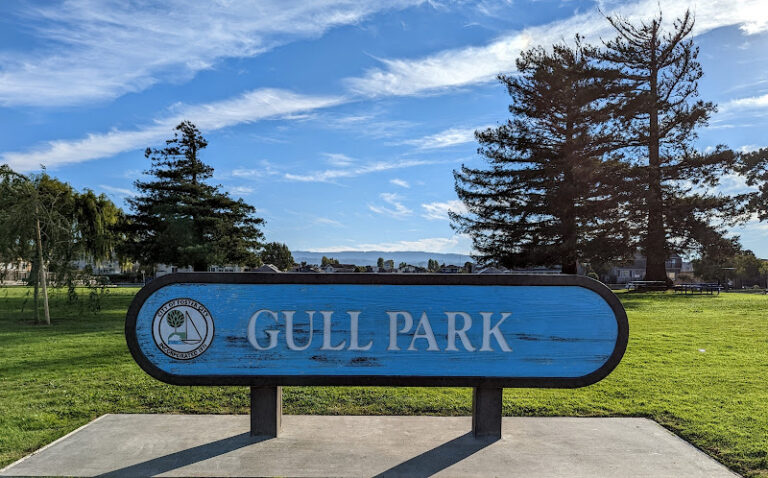
Gull Park
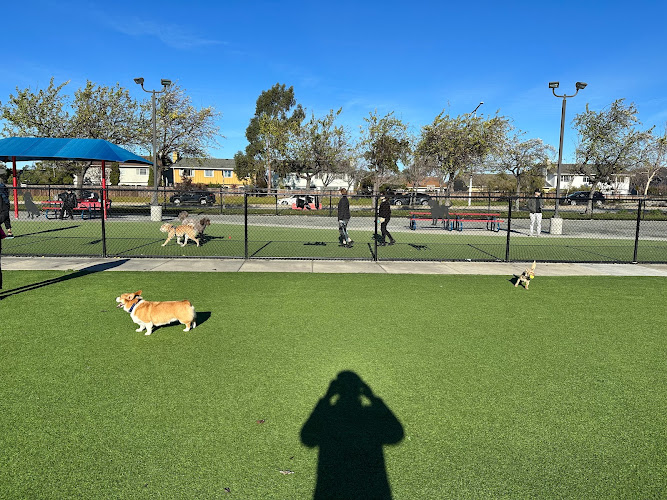
Foster City Dog Park

Seal Point Park
Find Accommodations Nearby
Recommended Tours & Activities
Visitor Reviews
There are no reviews yet. Be the first one to write one.
Share Your Experience
Have you visited Foster City? Help other travelers by leaving a review.