
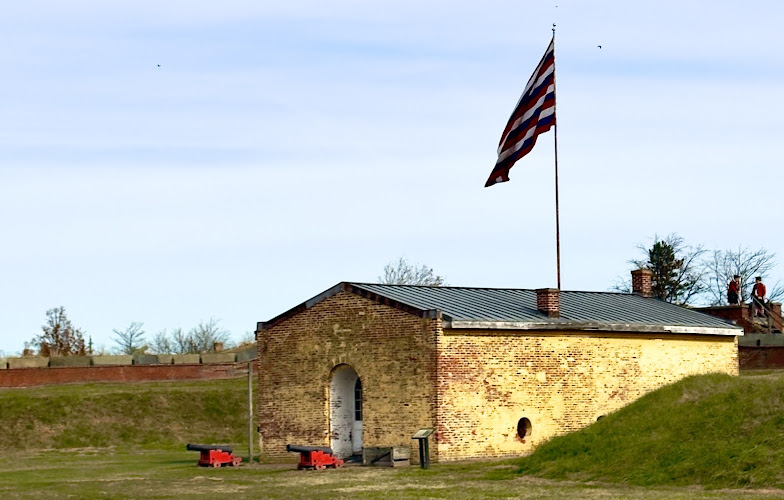
Fort Mifflin
About Fort Mifflin
Description
Fort Mifflin stands as one of America's most authentic Revolutionary War sites, and honestly, it's a place that doesn't get nearly the attention it deserves. Rebuilt in 1794 after sustaining massive damage during the Siege of Fort Mifflin in 1777, this fortress sits on Mud Island along the Delaware River and has witnessed some of the most brutal fighting of the American Revolution. The fort's story is one of incredible resilience - imagine soldiers holding off British warships for seven weeks straight, buying precious time for George Washington's army to regroup at Valley Forge. What makes Fort Mifflin particularly special is how well-preserved it remains. Unlike many historical sites that have been heavily restored or modernized, this fortress maintains an authentic, almost eerie atmosphere that transports visitors back in time. The stone walls, ammunition magazines, and officer's quarters tell stories that history books sometimes gloss over. I remember walking through the casemates for the first time and getting this overwhelming sense of what those soldiers must have endured - the cold, the constant threat of attack, the cramped living conditions. The fort served various military purposes throughout American history, functioning during the Civil War as a military prison and remaining an active military installation through World War II. This layered history means visitors aren't just learning about one period - they're experiencing multiple chapters of American military history in a single location. The educational programs here go beyond simple tours. They've got reenactments, ghost tours (yeah, the place is supposedly quite haunted), and hands-on activities that make history feel alive rather than just dates and facts on a placard. For families traveling with children, Fort Mifflin offers something unique in today's digital age - a chance to experience history without the polish and shine of modern theme parks. There's mud, there's authentic military equipment, and there's plenty of space for kids to explore and let their imaginations run wild. But this isn't just a place for kids. History enthusiasts, military buffs, and even paranormal investigators find something compelling here.Key Features
The fortress presents numerous attractions and historical elements that make a visit worthwhile:- Original stone fortifications and earthworks from the Revolutionary War period that survived the devastating 1777 siege
- The Soldiers' Barracks where troops lived in conditions that were, let's be honest, pretty miserable but fascinating to experience from our modern perspective
- The Commandant's House, one of the oldest buildings on site, offering a glimpse into officer life during different periods of the fort's operation
- Artillery demonstrations that show how these massive weapons operated and the skill required to fire them accurately
- The Blacksmith Shop with working demonstrations that reveal how essential this trade was to military operations
- An impressive collection of period weapons, uniforms, and military equipment spanning multiple conflicts
- The Casemates - bomb-proof rooms that protected soldiers and supplies from enemy fire, and they're genuinely atmospheric
- Historical reenactments featuring costumed interpreters who really know their stuff and can answer even the most detailed questions
- Evening ghost tours that explore the fort's reputation as one of the most haunted locations in Pennsylvania
- Living history events throughout the year where the entire fort comes alive with period activities, cooking demonstrations, and military drills
- The Officers' Quarters showcasing the stark contrast between enlisted men's and officers' accommodations
- A well-stocked gift shop where visitors can purchase historical reproductions, books, and unique souvenirs
- Open grounds perfect for photography, particularly during golden hour when the light hits those old stone walls
Best Time to Visit
Planning your visit to Fort Mifflin requires some thought about what kind of experience you're after. The fort operates seasonally, typically from April through November, though special events sometimes occur outside these months. Summer months - June through August - bring the most activity with regular tours, frequent special events, and living history demonstrations happening almost weekly. The weather's cooperative, and families on summer vacation fill the grounds with energy. However, and this is just my opinion, fall might actually be the absolute best time to experience Fort Mifflin. September and October offer cooler temperatures that make exploring the fort more comfortable, especially since you'll be doing quite a bit of walking and there isn't much shade in some areas. The autumn light creates incredible photography opportunities, and let's be real - exploring a historic fortress with fall leaves crunching underfoot just feels right. Spring visits in April and May have their own charm. Crowds are smaller, and the fort feels more intimate. You can spend more time chatting with the knowledgeable staff without competing with dozens of other visitors. Plus, spring weather in Pennsylvania can be unpredictable, which actually adds to the authentic experience of imagining what soldiers faced in less-than-ideal conditions. For those interested in specific events, checking the fort's calendar before planning your trip is essential. The annual Mifflin Muster typically happens in the fall and brings together reenactors from across the region. It's quite a spectacle seeing the fort populated with period-dressed interpreters going about military life. The Halloween season brings ghost tours that book up quickly - and based on what I've heard from participants, they're genuinely spooky experiences. Weekdays generally see fewer visitors than weekends, which means more personalized attention from guides and better photo opportunities without crowds in your shots. If you're someone who likes exploring at your own pace without feeling rushed, weekday visits might suit you better.How to Get There
Getting to Fort Mifflin requires a bit more effort than your typical tourist destination, and that's partly why it maintains such an authentic, uncrowded atmosphere. The fort sits in a somewhat industrial area near Philadelphia International Airport, which means you'll hear planes overhead fairly regularly - something that actually creates an interesting juxtaposition between past and present. By car, Fort Mifflin is accessible from Interstate 95, though the route involves some turns that might confuse first-time visitors. From I-95, take the Island Avenue exit and follow the signs toward the fort. The drive takes you through areas that don't exactly scream "tourist destination," so don't let the surroundings discourage you. There's ample free parking on site, which is honestly a blessing considering what parking costs at most Philadelphia attractions. For visitors flying into Philadelphia International Airport, the fort is remarkably close - just about ten minutes by car. Some travelers actually incorporate a fort visit into their arrival or departure day since it's so convenient to the airport. Rideshare services like Uber or Lyft work well for this, though be aware that cell service can be spotty in some areas of the fort, so arrange your pickup ahead of time. Public transportation to Fort Mifflin is possible but requires some planning. SEPTA bus routes can get you relatively close, but you'll likely need to walk a fair distance, and the walk isn't particularly scenic or safe-feeling along busy roads. Honestly, if you're relying on public transit, consider it an adventure but not the most convenient option. For visitors already exploring Philadelphia, Fort Mifflin makes an excellent half-day trip from the city center. It's about 20-30 minutes from popular areas like Independence Hall or the Liberty Bell, depending on traffic. The contrast between the well-known tourist spots in downtown Philly and this more isolated fortress offers valuable perspective on the Revolutionary War's scope.Tips for Visiting
Preparing properly for a Fort Mifflin visit makes a significant difference in your experience. First off, wear comfortable, sturdy shoes - and I can't stress this enough. The grounds include uneven surfaces, gravel paths, stone steps, and grassy areas that can be muddy depending on recent weather. Those cute sandals or dress shoes? Leave them at the hotel. You'll be doing more walking than you expect, and much of it isn't on smooth pavement. Dress in layers regardless of the season. The fort sits right on the Delaware River, which means wind can whip through pretty intensely. Even on warm days, the casemates and interior buildings stay cool and damp. Conversely, the open parade ground offers no shade, so sun protection is crucial during summer months. Bring sunscreen, wear a hat, and maybe pack a light jacket. The fort is quite accessible for visitors with mobility concerns, with wheelchair-accessible entrances, parking, and restrooms. However, some areas involve stairs or uneven surfaces that might present challenges. Staff members are helpful about suggesting accessible routes through the fort, so don't hesitate to ask. Plan to spend at least two to three hours exploring thoroughly. Rushing through Fort Mifflin means missing details that make it special - the inscriptions soldiers carved into walls, the strategic positioning of gun emplacements, the way rooms connect to create defensive positions. Take your time. Sit on a bench and just absorb the atmosphere. Some of my best experiences at historical sites have come from quiet moments of reflection rather than rushing from point to point checking boxes. Bring water and snacks. There's no restaurant on site, and the nearest food options require driving. The gift shop sells some beverages, but selection is limited. Especially during summer visits or if traveling with children, having your own refreshments prevents hungry, cranky moments that can derail an otherwise great experience. Photography enthusiasts should bring their cameras. The fort offers countless compelling shots - architectural details, period flags against blue skies, dramatic shadows in the casemates. Early morning or late afternoon provides the best lighting. And unlike some historical sites that restrict photography, Fort Mifflin encourages it. Just be respectful during special events or reenactments. Engage with the staff and volunteers. These folks are passionate about Fort Mifflin's history and love sharing stories that don't make it into the standard tour. Ask questions. Express genuine interest. You'll often receive fascinating anecdotes and historical details that enrich your understanding far beyond what any guidebook provides. For families with young children, let the kids explore but maintain supervision. The fort has water nearby, open staircases, and authentic military equipment that, while fascinating, requires respectful handling. That said, Fort Mifflin is generally very kid-friendly. Children often find the hands-on nature of the fort more engaging than rope-off, don't-touch museum experiences. Check the weather forecast and have a backup plan. While much of the fort is outdoors, some buildings provide shelter if rain appears. However, severe weather might limit what areas remain accessible. Calling ahead on questionable weather days can save a wasted trip. If paranormal activity interests you, consider booking a ghost tour rather than just visiting during regular hours. Fort Mifflin's reputation for haunting is well-established, and evening tours access areas that daytime visitors might miss. Even skeptics often find these tours entertaining and atmospheric. Cash is useful for gift shop purchases, though they do accept cards. Some special events might involve vendors or activities that prefer cash transactions. Finally, approach Fort Mifflin with appropriate expectations. This isn't a polished, Disney-fied historical attraction. It's authentic, sometimes rough around the edges, and all the better for it. The fort shows its age and its scars, which is precisely what makes it valuable. You're experiencing history, not a sanitized version of it.Key Features
- Site of the 1777 Siege of Fort Mifflin with interpretive exhibits
- Original and reconstructed 18th- and 19th-century fortifications and powder magazines
- Riverside location on Mud Island with scenic views of the Delaware River
- Living-history events, guided tours, and educational programs
- Accessible walkways, artillery displays, and period architecture
More Details
Updated March 30, 2026
Table of Contents
Description
Fort Mifflin stands as one of America’s most authentic Revolutionary War sites, and honestly, it’s a place that doesn’t get nearly the attention it deserves. Rebuilt in 1794 after sustaining massive damage during the Siege of Fort Mifflin in 1777, this fortress sits on Mud Island along the Delaware River and has witnessed some of the most brutal fighting of the American Revolution. The fort’s story is one of incredible resilience – imagine soldiers holding off British warships for seven weeks straight, buying precious time for George Washington’s army to regroup at Valley Forge.
What makes Fort Mifflin particularly special is how well-preserved it remains. Unlike many historical sites that have been heavily restored or modernized, this fortress maintains an authentic, almost eerie atmosphere that transports visitors back in time. The stone walls, ammunition magazines, and officer’s quarters tell stories that history books sometimes gloss over. I remember walking through the casemates for the first time and getting this overwhelming sense of what those soldiers must have endured – the cold, the constant threat of attack, the cramped living conditions.
The fort served various military purposes throughout American history, functioning during the Civil War as a military prison and remaining an active military installation through World War II. This layered history means visitors aren’t just learning about one period – they’re experiencing multiple chapters of American military history in a single location. The educational programs here go beyond simple tours. They’ve got reenactments, ghost tours (yeah, the place is supposedly quite haunted), and hands-on activities that make history feel alive rather than just dates and facts on a placard.
For families traveling with children, Fort Mifflin offers something unique in today’s digital age – a chance to experience history without the polish and shine of modern theme parks. There’s mud, there’s authentic military equipment, and there’s plenty of space for kids to explore and let their imaginations run wild. But this isn’t just a place for kids. History enthusiasts, military buffs, and even paranormal investigators find something compelling here.
Key Features
The fortress presents numerous attractions and historical elements that make a visit worthwhile:
- Original stone fortifications and earthworks from the Revolutionary War period that survived the devastating 1777 siege
- The Soldiers’ Barracks where troops lived in conditions that were, let’s be honest, pretty miserable but fascinating to experience from our modern perspective
- The Commandant’s House, one of the oldest buildings on site, offering a glimpse into officer life during different periods of the fort’s operation
- Artillery demonstrations that show how these massive weapons operated and the skill required to fire them accurately
- The Blacksmith Shop with working demonstrations that reveal how essential this trade was to military operations
- An impressive collection of period weapons, uniforms, and military equipment spanning multiple conflicts
- The Casemates – bomb-proof rooms that protected soldiers and supplies from enemy fire, and they’re genuinely atmospheric
- Historical reenactments featuring costumed interpreters who really know their stuff and can answer even the most detailed questions
- Evening ghost tours that explore the fort’s reputation as one of the most haunted locations in Pennsylvania
- Living history events throughout the year where the entire fort comes alive with period activities, cooking demonstrations, and military drills
- The Officers’ Quarters showcasing the stark contrast between enlisted men’s and officers’ accommodations
- A well-stocked gift shop where visitors can purchase historical reproductions, books, and unique souvenirs
- Open grounds perfect for photography, particularly during golden hour when the light hits those old stone walls
Best Time to Visit
Planning your visit to Fort Mifflin requires some thought about what kind of experience you’re after. The fort operates seasonally, typically from April through November, though special events sometimes occur outside these months. Summer months – June through August – bring the most activity with regular tours, frequent special events, and living history demonstrations happening almost weekly. The weather’s cooperative, and families on summer vacation fill the grounds with energy.
However, and this is just my opinion, fall might actually be the absolute best time to experience Fort Mifflin. September and October offer cooler temperatures that make exploring the fort more comfortable, especially since you’ll be doing quite a bit of walking and there isn’t much shade in some areas. The autumn light creates incredible photography opportunities, and let’s be real – exploring a historic fortress with fall leaves crunching underfoot just feels right.
Spring visits in April and May have their own charm. Crowds are smaller, and the fort feels more intimate. You can spend more time chatting with the knowledgeable staff without competing with dozens of other visitors. Plus, spring weather in Pennsylvania can be unpredictable, which actually adds to the authentic experience of imagining what soldiers faced in less-than-ideal conditions.
For those interested in specific events, checking the fort’s calendar before planning your trip is essential. The annual Mifflin Muster typically happens in the fall and brings together reenactors from across the region. It’s quite a spectacle seeing the fort populated with period-dressed interpreters going about military life. The Halloween season brings ghost tours that book up quickly – and based on what I’ve heard from participants, they’re genuinely spooky experiences.
Weekdays generally see fewer visitors than weekends, which means more personalized attention from guides and better photo opportunities without crowds in your shots. If you’re someone who likes exploring at your own pace without feeling rushed, weekday visits might suit you better.
How to Get There
Getting to Fort Mifflin requires a bit more effort than your typical tourist destination, and that’s partly why it maintains such an authentic, uncrowded atmosphere. The fort sits in a somewhat industrial area near Philadelphia International Airport, which means you’ll hear planes overhead fairly regularly – something that actually creates an interesting juxtaposition between past and present.
By car, Fort Mifflin is accessible from Interstate 95, though the route involves some turns that might confuse first-time visitors. From I-95, take the Island Avenue exit and follow the signs toward the fort. The drive takes you through areas that don’t exactly scream “tourist destination,” so don’t let the surroundings discourage you. There’s ample free parking on site, which is honestly a blessing considering what parking costs at most Philadelphia attractions.
For visitors flying into Philadelphia International Airport, the fort is remarkably close – just about ten minutes by car. Some travelers actually incorporate a fort visit into their arrival or departure day since it’s so convenient to the airport. Rideshare services like Uber or Lyft work well for this, though be aware that cell service can be spotty in some areas of the fort, so arrange your pickup ahead of time.
Public transportation to Fort Mifflin is possible but requires some planning. SEPTA bus routes can get you relatively close, but you’ll likely need to walk a fair distance, and the walk isn’t particularly scenic or safe-feeling along busy roads. Honestly, if you’re relying on public transit, consider it an adventure but not the most convenient option.
For visitors already exploring Philadelphia, Fort Mifflin makes an excellent half-day trip from the city center. It’s about 20-30 minutes from popular areas like Independence Hall or the Liberty Bell, depending on traffic. The contrast between the well-known tourist spots in downtown Philly and this more isolated fortress offers valuable perspective on the Revolutionary War’s scope.
Tips for Visiting
Preparing properly for a Fort Mifflin visit makes a significant difference in your experience. First off, wear comfortable, sturdy shoes – and I can’t stress this enough. The grounds include uneven surfaces, gravel paths, stone steps, and grassy areas that can be muddy depending on recent weather. Those cute sandals or dress shoes? Leave them at the hotel. You’ll be doing more walking than you expect, and much of it isn’t on smooth pavement.
Dress in layers regardless of the season. The fort sits right on the Delaware River, which means wind can whip through pretty intensely. Even on warm days, the casemates and interior buildings stay cool and damp. Conversely, the open parade ground offers no shade, so sun protection is crucial during summer months. Bring sunscreen, wear a hat, and maybe pack a light jacket.
The fort is quite accessible for visitors with mobility concerns, with wheelchair-accessible entrances, parking, and restrooms. However, some areas involve stairs or uneven surfaces that might present challenges. Staff members are helpful about suggesting accessible routes through the fort, so don’t hesitate to ask.
Plan to spend at least two to three hours exploring thoroughly. Rushing through Fort Mifflin means missing details that make it special – the inscriptions soldiers carved into walls, the strategic positioning of gun emplacements, the way rooms connect to create defensive positions. Take your time. Sit on a bench and just absorb the atmosphere. Some of my best experiences at historical sites have come from quiet moments of reflection rather than rushing from point to point checking boxes.
Bring water and snacks. There’s no restaurant on site, and the nearest food options require driving. The gift shop sells some beverages, but selection is limited. Especially during summer visits or if traveling with children, having your own refreshments prevents hungry, cranky moments that can derail an otherwise great experience.
Photography enthusiasts should bring their cameras. The fort offers countless compelling shots – architectural details, period flags against blue skies, dramatic shadows in the casemates. Early morning or late afternoon provides the best lighting. And unlike some historical sites that restrict photography, Fort Mifflin encourages it. Just be respectful during special events or reenactments.
Engage with the staff and volunteers. These folks are passionate about Fort Mifflin’s history and love sharing stories that don’t make it into the standard tour. Ask questions. Express genuine interest. You’ll often receive fascinating anecdotes and historical details that enrich your understanding far beyond what any guidebook provides.
For families with young children, let the kids explore but maintain supervision. The fort has water nearby, open staircases, and authentic military equipment that, while fascinating, requires respectful handling. That said, Fort Mifflin is generally very kid-friendly. Children often find the hands-on nature of the fort more engaging than rope-off, don’t-touch museum experiences.
Check the weather forecast and have a backup plan. While much of the fort is outdoors, some buildings provide shelter if rain appears. However, severe weather might limit what areas remain accessible. Calling ahead on questionable weather days can save a wasted trip.
If paranormal activity interests you, consider booking a ghost tour rather than just visiting during regular hours. Fort Mifflin’s reputation for haunting is well-established, and evening tours access areas that daytime visitors might miss. Even skeptics often find these tours entertaining and atmospheric.
Cash is useful for gift shop purchases, though they do accept cards. Some special events might involve vendors or activities that prefer cash transactions.
Finally, approach Fort Mifflin with appropriate expectations. This isn’t a polished, Disney-fied historical attraction. It’s authentic, sometimes rough around the edges, and all the better for it. The fort shows its age and its scars, which is precisely what makes it valuable. You’re experiencing history, not a sanitized version of it.
Key Highlights
- Site of the 1777 Siege of Fort Mifflin with interpretive exhibits
- Original and reconstructed 18th- and 19th-century fortifications and powder magazines
- Riverside location on Mud Island with scenic views of the Delaware River
- Living-history events, guided tours, and educational programs
- Accessible walkways, artillery displays, and period architecture
Location
Places to Stay Near Fort Mifflin
Find and Book a Tour
Explore More Travel Guides
No reviews found! Be the first to review!
Fort Mifflin is a prominent museums located in Philadelphia.
Visit us at: 6400 Hog Island Rd, Philadelphia, PA 19153, Amerika Serikat.
Traveler Reviews for Fort Mifflin
There are no reviews yet. Be the first one to write one.
Have you visited Fort Mifflin? Help other travelers by sharing your review.
Nearby Attractions
You Might Also Like

The Academy of Natural Sciences of Drexel University
Lemon Hill Mansion

Asia Mix Restaurant (Uzbek Food)
Find Accommodations Nearby
Recommended Tours & Activities
Visitor Reviews
There are no reviews yet. Be the first one to write one.
Share Your Experience
Have you visited Fort Mifflin? Help other travelers by leaving a review.