

Fort Magsaysay Airfield
About Fort Magsaysay Airfield
Description
Fort Magsaysay Airfield, officially known as Fort Ramon Magsaysay Airfield, sits quietly within the sprawling Fort Magsaysay Military Reservation in Central Luzon. It’s not your typical airport with bustling terminals or souvenir shops. Instead, it’s a place that blends the discipline of a military base with the calm, open landscapes of Nueva Ecija. The airfield serves as a key training ground for the Armed Forces of the Philippines, but it also carries a certain mystique that draws the curious traveler—the kind who enjoys exploring places with history, grit, and character.
What’s fascinating about this airfield is that it’s part of the country’s largest military reservation, stretching across tens of thousands of hectares. You can almost feel the weight of its history as you stand near the runway, where countless training flights and joint exercises have taken place. And yet, there’s something serene about it too—the wide open skies, the distant mountains, and the occasional hum of aircraft breaking the silence. It’s a place where discipline meets serenity, and where the story of Philippine defense and resilience continues to unfold.
From a traveler’s perspective, visiting Fort Magsaysay Airfield isn’t about glitz or entertainment. It’s about perspective. It’s about seeing a side of the Philippines that’s often overlooked—the operational backbone that keeps its borders safe. I remember my first time passing by the area; I was struck by how the landscape seemed to stretch endlessly, with the faint outline of aircraft hangars and barracks blending into the horizon. It’s one of those places that makes you pause and think about the stories that have unfolded here—stories of training, camaraderie, and national pride.
Accessibility-wise, it’s surprisingly convenient. The entrance and parking areas are wheelchair-friendly, and basic amenities like restrooms are available. While it’s primarily a military facility, portions of the area occasionally open for public events, training exchanges, and even humanitarian operations. It’s not a tourist trap—it’s an authentic piece of Philippine history still in motion.
Key Features
- Largest Military Reservation: Fort Magsaysay Airfield is part of the biggest military reservation in the Philippines, spanning parts of Nueva Ecija and Aurora provinces.
- Active Training Ground: It serves as a major site for military exercises, including international joint training such as the annual Balikatan exercises with the United States.
- Scenic Surroundings: Despite its military function, the area offers sweeping views of Central Luzon’s plains and distant mountain ranges—perfect for photography enthusiasts.
- Historical Significance: Established in the 1950s under President Ramon Magsaysay, the airfield holds decades of military history and national importance.
- Accessibility: The facility includes wheelchair-accessible parking and entrances, making it easier for all visitors to navigate.
- Rest Facilities: Basic amenities such as restrooms are available for visitors and personnel.
- Strategic Location: Located near Palayan City, it’s a convenient stop for travelers exploring Nueva Ecija’s central region.
And honestly, if you’re into aviation or military history, you’ll find yourself geeking out a bit here. Even if you can’t access the core operational zones (since it’s still an active military base), just being nearby gives you a sense of scale and purpose. You might even catch a glimpse of aircraft movements or training drills if you’re lucky.
Best Time to Visit
Timing is everything when it comes to visiting Fort Magsaysay Airfield—especially since it’s a working military facility. The best time to go is during the dry months, roughly from November to April. The weather is clearer, the roads are easier to navigate, and the visibility for sightseeing (and photography) is excellent. The rainy season can make travel a bit tricky, as the surrounding areas can get muddy and less accessible.
If you’re hoping to witness some activity, it’s worth checking if there are scheduled public events or open days. Occasionally, the base hosts ceremonies or humanitarian training exercises that are open to selected guests and media. Those days offer a rare peek into the operations and spirit of the Armed Forces. On a personal note, I once visited during the early dry season, and the air felt crisp, with just enough breeze to make standing near the open field comfortable. The distant sound of aircraft engines added a cinematic touch to the experience.
Early mornings or late afternoons are the best times for photography. The light hits the airfield just right, painting the runway and surrounding terrain in warm, golden hues. If you’re a sunrise chaser, you’ll love how the horizon lights up over the plains of Nueva Ecija—it’s quietly spectacular.
How to Get There
Reaching Fort Magsaysay Airfield is fairly straightforward if you’re coming from Manila or nearby provinces. The drive takes around three to four hours depending on traffic. Most travelers take the North Luzon Expressway (NLEX), then connect to the Subic-Clark-Tarlac Expressway (SCTEX) and the Tarlac-Pangasinan-La Union Expressway (TPLEX) before heading toward Nueva Ecija. The roads are generally well-paved, and the scenery along the way is quite pleasant—rice fields, small towns, and the occasional roadside carinderia where you can grab a quick bite.
Public transportation is available too, though it takes a bit more patience. Buses bound for Cabanatuan City are frequent, and from there, you can take a jeepney or tricycle to Palayan City. Local drivers are usually familiar with the route to Fort Magsaysay, so don’t hesitate to ask for directions. Just keep in mind that access to certain parts of the airfield may be restricted, so always check ahead or coordinate with local tourism offices if you plan to visit nearby attractions.
For those who enjoy road trips, this is a good one. The drive is scenic, with plenty of opportunities to stop and explore small provincial towns. Bring snacks, top up on fuel, and maybe download an offline map—signal can get patchy in some areas. And if you’re like me, who tends to take random detours, you’ll probably find a few hidden gems along the way.
Tips for Visiting
Visiting a military airfield isn’t quite like visiting a regular tourist spot, so a bit of preparation goes a long way. Here are some practical tips to make your trip smoother and more enjoyable:
- Respect the Rules: This is an active military installation, so follow all posted signs and security guidelines. Always bring a valid ID in case you’re asked for identification.
- Dress Appropriately: Comfortable clothing and closed shoes are best. Avoid flashy outfits or anything that might draw unwanted attention.
- Plan Ahead: Check local advisories or contact the nearest tourism office to confirm if the area is open to visitors at the time of your trip.
- Bring Essentials: Water, sunscreen, and a hat are a must, especially during the dry season. The sun in Central Luzon can be relentless.
- Photography Etiquette: Be mindful of where you point your camera. Some areas may be off-limits for photos due to security reasons.
- Stay Curious but Courteous: If you encounter personnel or locals, a polite conversation can go a long way. People are often proud of the base’s history and happy to share insights.
- Accessibility: If you have mobility concerns, rest assured that the entrance and parking areas are wheelchair-accessible.
One thing I’ve learned from visiting places like this is that patience and respect open more doors than curiosity alone. The people who work and train here carry immense pride in what they do, and it shows. Whether you’re a history buff, a traveler seeking offbeat experiences, or someone who just likes wide open spaces and the sound of aircraft slicing through the air, Fort Magsaysay Airfield offers a different kind of travel story—one rooted in purpose, heritage, and quiet strength.
So if you ever find yourself wandering through Nueva Ecija, consider taking a detour to this place. It’s not flashy, it’s not commercialized—but it’s real. And sometimes, that’s exactly what makes a journey worth taking.
Key Features
- Key Features
- Best Time to Visit
- How to Get There
- Tips for Visiting
More Details
Updated December 1, 2025
Table of Contents
Description
Fort Magsaysay Airfield, officially known as Fort Ramon Magsaysay Airfield, sits quietly within the sprawling Fort Magsaysay Military Reservation in Central Luzon. It’s not your typical airport with bustling terminals or souvenir shops. Instead, it’s a place that blends the discipline of a military base with the calm, open landscapes of Nueva Ecija. The airfield serves as a key training ground for the Armed Forces of the Philippines, but it also carries a certain mystique that draws the curious traveler—the kind who enjoys exploring places with history, grit, and character.
What’s fascinating about this airfield is that it’s part of the country’s largest military reservation, stretching across tens of thousands of hectares. You can almost feel the weight of its history as you stand near the runway, where countless training flights and joint exercises have taken place. And yet, there’s something serene about it too—the wide open skies, the distant mountains, and the occasional hum of aircraft breaking the silence. It’s a place where discipline meets serenity, and where the story of Philippine defense and resilience continues to unfold.
From a traveler’s perspective, visiting Fort Magsaysay Airfield isn’t about glitz or entertainment. It’s about perspective. It’s about seeing a side of the Philippines that’s often overlooked—the operational backbone that keeps its borders safe. I remember my first time passing by the area; I was struck by how the landscape seemed to stretch endlessly, with the faint outline of aircraft hangars and barracks blending into the horizon. It’s one of those places that makes you pause and think about the stories that have unfolded here—stories of training, camaraderie, and national pride.
Accessibility-wise, it’s surprisingly convenient. The entrance and parking areas are wheelchair-friendly, and basic amenities like restrooms are available. While it’s primarily a military facility, portions of the area occasionally open for public events, training exchanges, and even humanitarian operations. It’s not a tourist trap—it’s an authentic piece of Philippine history still in motion.
Key Features
- Largest Military Reservation: Fort Magsaysay Airfield is part of the biggest military reservation in the Philippines, spanning parts of Nueva Ecija and Aurora provinces.
- Active Training Ground: It serves as a major site for military exercises, including international joint training such as the annual Balikatan exercises with the United States.
- Scenic Surroundings: Despite its military function, the area offers sweeping views of Central Luzon’s plains and distant mountain ranges—perfect for photography enthusiasts.
- Historical Significance: Established in the 1950s under President Ramon Magsaysay, the airfield holds decades of military history and national importance.
- Accessibility: The facility includes wheelchair-accessible parking and entrances, making it easier for all visitors to navigate.
- Rest Facilities: Basic amenities such as restrooms are available for visitors and personnel.
- Strategic Location: Located near Palayan City, it’s a convenient stop for travelers exploring Nueva Ecija’s central region.
And honestly, if you’re into aviation or military history, you’ll find yourself geeking out a bit here. Even if you can’t access the core operational zones (since it’s still an active military base), just being nearby gives you a sense of scale and purpose. You might even catch a glimpse of aircraft movements or training drills if you’re lucky.
Best Time to Visit
Timing is everything when it comes to visiting Fort Magsaysay Airfield—especially since it’s a working military facility. The best time to go is during the dry months, roughly from November to April. The weather is clearer, the roads are easier to navigate, and the visibility for sightseeing (and photography) is excellent. The rainy season can make travel a bit tricky, as the surrounding areas can get muddy and less accessible.
If you’re hoping to witness some activity, it’s worth checking if there are scheduled public events or open days. Occasionally, the base hosts ceremonies or humanitarian training exercises that are open to selected guests and media. Those days offer a rare peek into the operations and spirit of the Armed Forces. On a personal note, I once visited during the early dry season, and the air felt crisp, with just enough breeze to make standing near the open field comfortable. The distant sound of aircraft engines added a cinematic touch to the experience.
Early mornings or late afternoons are the best times for photography. The light hits the airfield just right, painting the runway and surrounding terrain in warm, golden hues. If you’re a sunrise chaser, you’ll love how the horizon lights up over the plains of Nueva Ecija—it’s quietly spectacular.
How to Get There
Reaching Fort Magsaysay Airfield is fairly straightforward if you’re coming from Manila or nearby provinces. The drive takes around three to four hours depending on traffic. Most travelers take the North Luzon Expressway (NLEX), then connect to the Subic-Clark-Tarlac Expressway (SCTEX) and the Tarlac-Pangasinan-La Union Expressway (TPLEX) before heading toward Nueva Ecija. The roads are generally well-paved, and the scenery along the way is quite pleasant—rice fields, small towns, and the occasional roadside carinderia where you can grab a quick bite.
Public transportation is available too, though it takes a bit more patience. Buses bound for Cabanatuan City are frequent, and from there, you can take a jeepney or tricycle to Palayan City. Local drivers are usually familiar with the route to Fort Magsaysay, so don’t hesitate to ask for directions. Just keep in mind that access to certain parts of the airfield may be restricted, so always check ahead or coordinate with local tourism offices if you plan to visit nearby attractions.
For those who enjoy road trips, this is a good one. The drive is scenic, with plenty of opportunities to stop and explore small provincial towns. Bring snacks, top up on fuel, and maybe download an offline map—signal can get patchy in some areas. And if you’re like me, who tends to take random detours, you’ll probably find a few hidden gems along the way.
Tips for Visiting
Visiting a military airfield isn’t quite like visiting a regular tourist spot, so a bit of preparation goes a long way. Here are some practical tips to make your trip smoother and more enjoyable:
- Respect the Rules: This is an active military installation, so follow all posted signs and security guidelines. Always bring a valid ID in case you’re asked for identification.
- Dress Appropriately: Comfortable clothing and closed shoes are best. Avoid flashy outfits or anything that might draw unwanted attention.
- Plan Ahead: Check local advisories or contact the nearest tourism office to confirm if the area is open to visitors at the time of your trip.
- Bring Essentials: Water, sunscreen, and a hat are a must, especially during the dry season. The sun in Central Luzon can be relentless.
- Photography Etiquette: Be mindful of where you point your camera. Some areas may be off-limits for photos due to security reasons.
- Stay Curious but Courteous: If you encounter personnel or locals, a polite conversation can go a long way. People are often proud of the base’s history and happy to share insights.
- Accessibility: If you have mobility concerns, rest assured that the entrance and parking areas are wheelchair-accessible.
One thing I’ve learned from visiting places like this is that patience and respect open more doors than curiosity alone. The people who work and train here carry immense pride in what they do, and it shows. Whether you’re a history buff, a traveler seeking offbeat experiences, or someone who just likes wide open spaces and the sound of aircraft slicing through the air, Fort Magsaysay Airfield offers a different kind of travel story—one rooted in purpose, heritage, and quiet strength.
So if you ever find yourself wandering through Nueva Ecija, consider taking a detour to this place. It’s not flashy, it’s not commercialized—but it’s real. And sometimes, that’s exactly what makes a journey worth taking.
Key Highlights
- Key Features
- Best Time to Visit
- How to Get There
- Tips for Visiting
Location
Places to Stay Near Fort Magsaysay Airfield
Find and Book a Tour
Explore More Travel Guides
No reviews found! Be the first to review!
Traveler Reviews for Fort Magsaysay Airfield
There are no reviews yet. Be the first one to write one.
Have you visited Fort Magsaysay Airfield? Help other travelers by sharing your review.
You Might Also Like
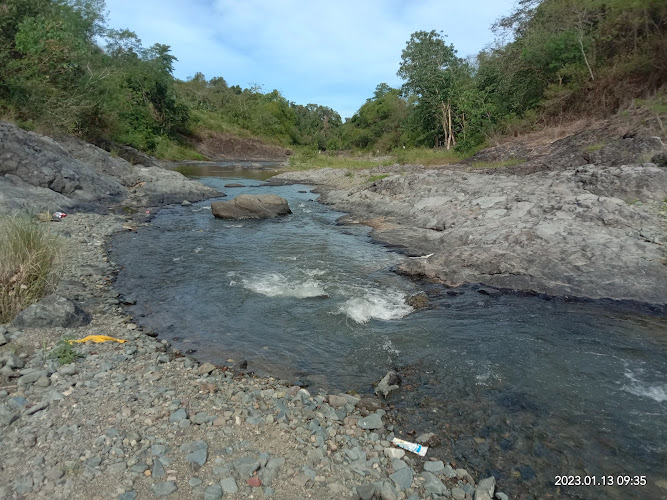
Doña Josefa Bridge and River Park
Palayan 20000
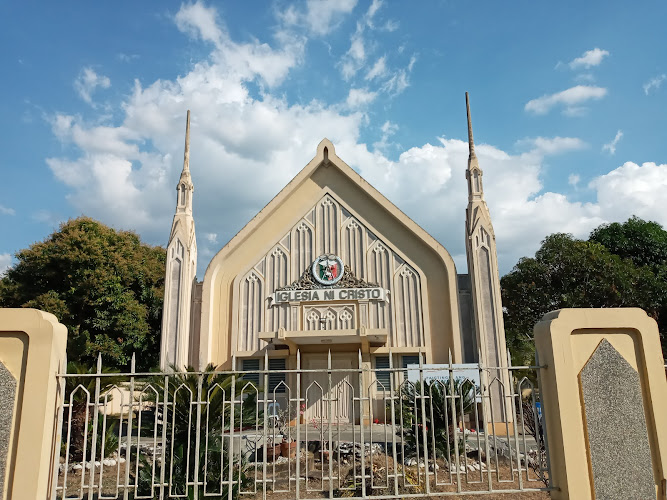
Iglesia Ni Cristo – Lokal ng Boundary – Palayan City, Nueva Ecija
Find Accommodations Nearby
Recommended Tours & Activities
Visitor Reviews
There are no reviews yet. Be the first one to write one.
Share Your Experience
Have you visited Fort Magsaysay Airfield? Help other travelers by leaving a review.