
Fort Hawkins
About Fort Hawkins
Key Features
More Details
Updated June 11, 2025
## Fort Hawkins (Macon, Georgia): What to Know Before You Visit
Fort Hawkins is a small but historically dense site on Macon’s east side, positioned on high ground overlooking the Ocmulgee Old Fields—an area that’s now part of Ocmulgee Mounds National Historical Park. The fort was built in 1806 as a U.S. military outpost and trade “factory” (a government-run trading post system) during the early period of U.S. expansion into Muscogee (Creek) lands. Park Service
If you’ve seen the visitor comment “Stranger things???” attached to Fort Hawkins, treat it as a pop-culture vibe check rather than a documented film/TV connection—Fort Hawkins’ significance is rooted in early 19th-century frontier policy, trade, and conflict, not a known on-location production. (If you’re visiting specifically for filming locations, verify via the official Georgia film resources rather than attraction reviews.)
—
## Quick facts (so you don’t show up at the wrong time)
– Location: 736 Emery Hwy., Macon, GA 31217 Georgia
– Typical public hours (listed): Saturday 12:00–4:00 pm; Sunday 12:00–4:00 pm Georgia
– What’s on site: a replica/reconstruction of the fort’s southeastern blockhouse (rebuilt in 1938 with WPA involvement and DAR support) and archaeological interpretation tied to the original stockade footprint. Park Service
### Outdated-data flag (important)
Hours for smaller historic sites can change seasonally and sometimes depend on staffing/volunteers. The weekend hours above are current as listed by Explore Georgia, but you should still confirm day-of on the fort’s official channels before making a special trip. Georgia
—
## Why Fort Hawkins matters (beyond “old fort”)
Fort Hawkins sits at a geographic and political seam line—what was considered a frontier edge after the 1805 Treaty of Washington. That treaty authorized the U.S. to construct the fort and a route across Muscogee (Creek) land, and it helped formalize the Ocmulgee River as a boundary in that era. Park Service
From there, Fort Hawkins served several overlapping functions:
– Military logistics and staging: During the War of 1812 era and the Creek War (1813–1814), it was used for troop organization and supply storage, including a documented mobilization of over 2,500 militia in October 1814 to support operations toward Mobile. Park Service
– Early U.S.–Muscogee relations and trade: The fort was positioned near established Indigenous landscapes (the Old Fields/mounds area) and trade routes, and it was tied to federal systems meant to regulate commerce and diplomacy. Park Service
– Pre-Macon context: Settlement expanded around the fort after 1818; the area’s development trajectory is directly connected to how Macon was later laid out across the river. Park Service
This is also where Fort Hawkins becomes a useful “bridge stop” for understanding the region: it connects Indigenous history, early U.S. Indian policy, and the rise of a river city in one compact visit.
—
## What you’re actually looking at on-site
Don’t expect a full fort complex. What you’ll see is a replica of the southeastern blockhouse, reconstructed in 1938 on the original location, using some original stone in the basement section; the upper levels were built with materials formed to resemble the original timbers. Archaeology during the reconstruction helped identify the original stockade layout and revealed everyday items used by inhabitants. Park Service
### How the original fort was built (useful context as you walk)
According to the National Park Service bulletin, Fort Hawkins originally featured:
– Two blockhouses connected by a timber stockade,
– An enclosed area described as 4 acres in that summary,
– Interior structures used for quarters, storage, and trade goods/hides,
– A broader cleared area around it for visibility and defense. Park Service
(Note: historical descriptions of acreage and layout can vary by source and time period; the NPS bulletin is a solid high-level reference, but detailed archaeological reports may provide additional nuance.) Park Service
—
## How to plan a smart visit (60–90 minutes)
### 1) Start with the “why here?” viewpoint
The fort’s placement—high ground near the Ocmulgee River and the Old Fields—was strategic. Walk the site with that in mind: you’re seeing a decision about terrain, visibility, and proximity to long-used travel corridors. Park Service
### 2) Read the interpretation through two lenses
– U.S. expansion and logistics (treaties, troop movements, supply depots) Park Service
– Muscogee (Creek) land and continuity (the fort was built on Muscogee land; later treaties and cessions transformed ownership and settlement patterns) Park Service
This dual lens keeps the visit accurate and avoids the common “frontier = empty” myth.
### 3) Pair it with Ocmulgee Mounds (if you have time)
Fort Hawkins is described as being just across Emery Highway from Ocmulgee’s monument/park area. If you’re already in the neighborhood, combining them makes the history legible: Indigenous landscape first, then the federal/military overlay. Georgia
—
## Practical tips most guides skip
– Go for the story, not the scale. This is not a massive battlefield park; it’s a compact site where the interpretive payoff comes from context. Park Service
– Time your visit around open hours. The listed weekend window is short (12–4). Confirm updates before you drive over. Georgia
– If you’re researching family history or local archaeology, bring specific questions. Fort Hawkins is an archaeological park site; targeted questions about the 1806–1819 period, the 1938 reconstruction, and how artifacts were identified will get you more value than general “tell me about the fort.” Park Service
—
## Suggested internal links (add these if they exist on your site)
Because I can’t verify your RealJourneyTravels.com inventory from here, the safest approach is conditional:
– Link to your Ocmulgee Mounds National Historical Park guide (for Indigenous history + nearby visitor planning). Park Service
– Link to your Macon, Georgia travel guide (for logistics, neighborhoods, food, and other stops).
—
## Visitor snapshot (based on provided listing details)
– Place: Fort Hawkins (tourist attraction)
– City: Macon, Georgia
– Coordinates: 32.8488838, -83.611894 Georgia
– Rating you provided: 4.3
—
## Bottom line
Fort Hawkins is best approached as an interpretive stop: a reconstructed blockhouse and archaeological footprint that opens onto bigger questions—treaties, trade regulation, troop staging, and the reshaping of Muscogee (Creek) land into an American river-city corridor. If you give it an hour and pair it with Ocmulgee Mounds, you’ll leave with a clearer sense of how Macon’s origin story sits inside a wider (and more complicated) regional history. Park Service
Table of Contents
Key Highlights
Fort Hawkins
Location
Places to Stay Near Fort Hawkins"Stranger things???"
Find and Book a Tour
Explore More Travel Guides
No reviews found! Be the first to review!
Traveler Reviews for Fort Hawkins
There are no reviews yet. Be the first one to write one.
Have you visited Fort Hawkins? Help other travelers by sharing your review.
You Might Also Like
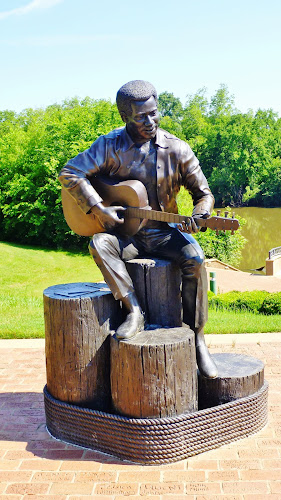
Charles H Jones Gateway Park
Georgia Sports Hall of Fame
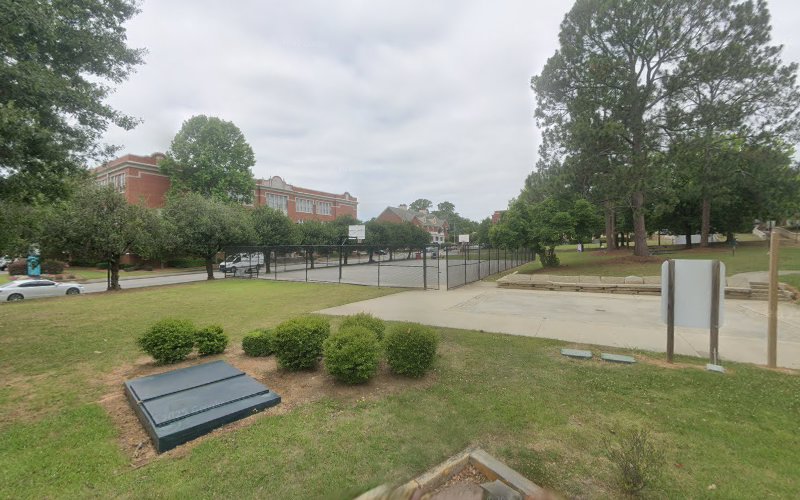
998 Daisy Park
Find Accommodations Nearby
Recommended Tours & Activities
Visitor Reviews
There are no reviews yet. Be the first one to write one.
Share Your Experience
Have you visited Fort Hawkins? Help other travelers by leaving a review.