
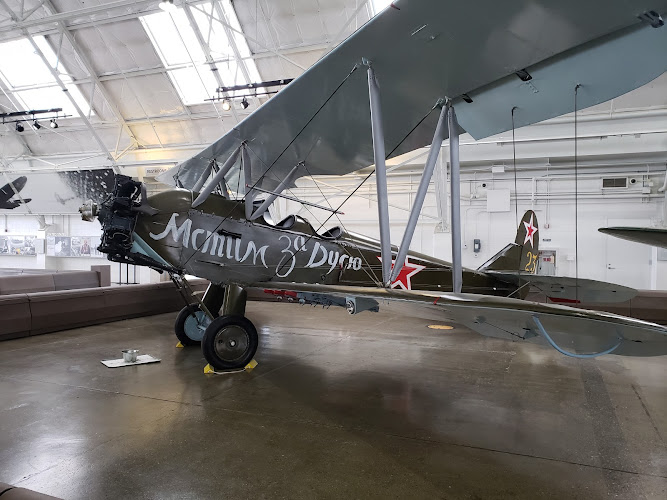
Flying Heritage & Combat Armor Museum
About Flying Heritage & Combat Armor Museum
Description
The Flying Heritage & Combat Armor Museum sits inside a restored hangar and presents a focused, hands-on look at military aviation and armored vehicles from the period 1935–1945. Visitors encounter a collection that emphasizes real machines — aircraft, tanks, and supporting combat armor — rather than just photos on a wall. The hangar atmosphere is part of the experience: high ceilings, exposed trusses, and the smell of oil and fuel that, whether romanticized or not, connects people to the era in a way a sterile gallery rarely does.
This museum leans into demonstration and interpretation. It has live performances and demonstrations, theater programming, and guided tours that make the metal and rivets come alive. Some of the aircraft and vehicles are maintained in operational condition for shows, and engine runs or static demonstrations occur on scheduled days. Those moments, when a radial engine coughs to life or a tank rumbles, are the kinds of experiences visitors remember — and they sell out quickly on event weekends.
Accessibility and family needs are clearly considered. The facility offers accessible entrances, accessible parking, and wheelchair-accessible restrooms, plus changing tables for little ones. There is a gift shop and a theater space for short films or talks, and onsite staff provide tours that go beyond label-reading: they explain restoration techniques, provenance, and the often-surprising stories behind individual planes and armored vehicles.
While it doesn't have a sit-down restaurant, visitors can plan a full visit thanks to free on-site and street parking, restrooms, and a small lineup of visitor amenities. The museum is widely praised by regulars for the quality of its restoration work and how tangible the history feels. That said, it's an enthusiast's museum — people who love WWII history, mechanical restoration, aviation, or military technology tend to get the most out of a visit. Casual tourists will still find it rewarding, particularly during live demonstrations or special exhibits that frame the machines within broader historical stories.
Key Features
- Restored hangar setting offering an atmospheric backdrop for historic aircraft and armored vehicles
- Collection focused on aircraft used between 1935 and 1945 and combat armor including tanks and support vehicles
- Live performances and demonstrations — engine runs, vehicle displays, and special living-history events
- Guided tours provided by knowledgeable staff and volunteers who explain restoration and history
- Theater space for short films, lectures, and interpretive programming
- Gift shop with models, books, and unique memorabilia for collectors and casual shoppers
- Onsite services such as restrooms, changing tables, and free parking (lot and street)
- Wheelchair accessible entrance, parking, and restrooms to support visitors with mobility needs
- Family-friendly features — good for kids and offers hands-on interpretive elements during select events
Best Time to Visit
Timing a visit makes a huge difference. Weekday mornings are quieter and better for people who prefer to wander at their own pace, linger around a single aircraft, or photograph without crowds. If visitors want the buzz — the engine runs, the narrated demonstrations, or the living-history encampments — then planning around weekend events or special scheduled performances is the way to go. These are typically more crowded, but also far more memorable.
Seasonally, the museum is busiest in late spring through early fall, when the weather in the Pacific Northwest encourages day trips and families travel more. Conversely, winter months can be quieter and less predictable due to rain and shorter daylight hours, but that often means more intimate access and a cozier hangar feel. For photographers and quiet observers, shoulder-season visits pay dividends.
Advance planning is recommended for special events and holiday weekends. Those dates can sell out, and seating in the theater or participation in guided experiences may be limited. For spontaneous travelers, arriving early on a day with no scheduled performance still yields a substantial experience: the displays are compelling even without the live elements.
How to Get There
The museum is located in the Everett area and is easy to reach by car, rideshare, or public transit from surrounding communities. Most visitors arrive by car, and the facility provides free onsite parking plus free street parking, which makes traveling with family gear or camera equipment hassle-free. For those relying on public transit, local buses and shuttle options tie into Everett, and rideshare services offer a straightforward drop-off at the hangar entrance.
Driving directions are simple for anyone familiar with the area: head toward Everett and follow signs for major arterial roads into the industrial/airfield district. The restored hangar is visible from the approach, and parking areas are well signed. Once on site, visitors will find an accessible entrance and a clearly marked route to exhibits and restrooms. If travelling from afar, combining a visit with nearby maritime attractions, aircraft viewing points, or local parks makes a nice half- or full-day itinerary.
Tips for Visiting
Practical tips improve the visit. Here are tested suggestions based on frequent visitor feedback and how the museum operates.
- Plan for at least 90 minutes to two hours. If attending a demonstration, add another hour. The collection is compact but dense with detail, and guided tours provide additional depth.
- Check the events calendar ahead of time. Demonstrations and live performances happen on scheduled days; showing up on one of those days multiplies the value of the visit.
- Arrive early on event days. Parking and seating in the theater fill up for popular performances. Early arrival also gives access to quieter viewing before crowds build.
- Dress in layers. The hangar can be cool, especially in off-season months, and engine runs can create bursts of heat near the aircraft. Being comfortable helps one linger longer.
- Bring a camera but be mindful. Photography is usually welcome, but flash and tripods may be restricted during certain demonstrations. Docents will point out photo-friendly angles and stories worth capturing.
- Engage with volunteers and guides. Many staff are restorers or pilots and love to tell the backstories — provenance, rebuild challenges, and unexpected discoveries. These conversations often contain the best anecdotes.
- Buy tickets for special events in advance. Popular demonstrations and living-history weekends may require advance purchase or timed entry.
- Pack snacks or plan a nearby meal. Since there's no on-site restaurant, visitors often stop at local cafes or pack a picnic for after the visit. Restrooms and seating are available on-site for comfort breaks.
- Consider family needs. The museum is family-friendly and has changing tables, but younger children may be more fascinated by the dramatic elements during live demos. Plan activities around their attention spans and take breaks as needed.
- Look beyond the planes. The combat armor collection — tanks and support vehicles — offers a powerful counterpoint to the aviation exhibits. Spend time reading the context placards; they reveal how air and ground elements interacted historically.
- If mobility is a concern, the accessible entrance, parking, and restrooms make the visit manageable. Still, call ahead for any specific accommodation requests to ensure the smoothest experience.
Final note: The museum rewards curiosity. People who show up with basic questions — how was that engine restored, where did that tank come from, what does a pilot's checklist look like — usually leave with stories and a deeper appreciation for the work that keeps these machines alive. A short visit can spark a longer interest: many visitors return for annual events, special restorations, or just to watch an engine come alive once more. For travelers in the area, this museum is more than rows of metal; it’s a place where history is actively interpreted and, occasionally, actually run.
Key Features
- Restored hangar setting offering an atmospheric backdrop for historic aircraft and armored vehicles
- Collection focused on aircraft used between 1935 and 1945 and combat armor including tanks and support vehicles
- Live performances and demonstrations — engine runs, vehicle displays, and special living-history events
- Guided tours provided by knowledgeable staff and volunteers who explain restoration and history
- Theater space for short films, lectures, and interpretive programming
- Gift shop with models, books, and unique memorabilia for collectors and casual shoppers
- Onsite services such as restrooms, changing tables, and free parking (lot and street)
- Wheelchair accessible entrance, parking, and restrooms to support visitors with mobility needs
More Details
Updated August 30, 2025
Table of Contents
- Description
- Key Features
- Best Time to Visit
- How to Get There
- Tips for Visiting
- Key Highlights
- Location
- Places to Stay Near Flying Heritage & Combat Armor Museum
- Find and Book a Tour
- Explore More Travel Guides
- Nearby Places You Might Like
- Traveler Reviews for Flying Heritage & Combat Armor Museum
- Share Your Experience
Description
The Flying Heritage & Combat Armor Museum sits inside a restored hangar and presents a focused, hands-on look at military aviation and armored vehicles from the period 1935–1945. Visitors encounter a collection that emphasizes real machines — aircraft, tanks, and supporting combat armor — rather than just photos on a wall. The hangar atmosphere is part of the experience: high ceilings, exposed trusses, and the smell of oil and fuel that, whether romanticized or not, connects people to the era in a way a sterile gallery rarely does.
This museum leans into demonstration and interpretation. It has live performances and demonstrations, theater programming, and guided tours that make the metal and rivets come alive. Some of the aircraft and vehicles are maintained in operational condition for shows, and engine runs or static demonstrations occur on scheduled days. Those moments, when a radial engine coughs to life or a tank rumbles, are the kinds of experiences visitors remember — and they sell out quickly on event weekends.
Accessibility and family needs are clearly considered. The facility offers accessible entrances, accessible parking, and wheelchair-accessible restrooms, plus changing tables for little ones. There is a gift shop and a theater space for short films or talks, and onsite staff provide tours that go beyond label-reading: they explain restoration techniques, provenance, and the often-surprising stories behind individual planes and armored vehicles.
While it doesn’t have a sit-down restaurant, visitors can plan a full visit thanks to free on-site and street parking, restrooms, and a small lineup of visitor amenities. The museum is widely praised by regulars for the quality of its restoration work and how tangible the history feels. That said, it’s an enthusiast’s museum — people who love WWII history, mechanical restoration, aviation, or military technology tend to get the most out of a visit. Casual tourists will still find it rewarding, particularly during live demonstrations or special exhibits that frame the machines within broader historical stories.
Key Features
- Restored hangar setting offering an atmospheric backdrop for historic aircraft and armored vehicles
- Collection focused on aircraft used between 1935 and 1945 and combat armor including tanks and support vehicles
- Live performances and demonstrations — engine runs, vehicle displays, and special living-history events
- Guided tours provided by knowledgeable staff and volunteers who explain restoration and history
- Theater space for short films, lectures, and interpretive programming
- Gift shop with models, books, and unique memorabilia for collectors and casual shoppers
- Onsite services such as restrooms, changing tables, and free parking (lot and street)
- Wheelchair accessible entrance, parking, and restrooms to support visitors with mobility needs
- Family-friendly features — good for kids and offers hands-on interpretive elements during select events
Best Time to Visit
Timing a visit makes a huge difference. Weekday mornings are quieter and better for people who prefer to wander at their own pace, linger around a single aircraft, or photograph without crowds. If visitors want the buzz — the engine runs, the narrated demonstrations, or the living-history encampments — then planning around weekend events or special scheduled performances is the way to go. These are typically more crowded, but also far more memorable.
Seasonally, the museum is busiest in late spring through early fall, when the weather in the Pacific Northwest encourages day trips and families travel more. Conversely, winter months can be quieter and less predictable due to rain and shorter daylight hours, but that often means more intimate access and a cozier hangar feel. For photographers and quiet observers, shoulder-season visits pay dividends.
Advance planning is recommended for special events and holiday weekends. Those dates can sell out, and seating in the theater or participation in guided experiences may be limited. For spontaneous travelers, arriving early on a day with no scheduled performance still yields a substantial experience: the displays are compelling even without the live elements.
How to Get There
The museum is located in the Everett area and is easy to reach by car, rideshare, or public transit from surrounding communities. Most visitors arrive by car, and the facility provides free onsite parking plus free street parking, which makes traveling with family gear or camera equipment hassle-free. For those relying on public transit, local buses and shuttle options tie into Everett, and rideshare services offer a straightforward drop-off at the hangar entrance.
Driving directions are simple for anyone familiar with the area: head toward Everett and follow signs for major arterial roads into the industrial/airfield district. The restored hangar is visible from the approach, and parking areas are well signed. Once on site, visitors will find an accessible entrance and a clearly marked route to exhibits and restrooms. If travelling from afar, combining a visit with nearby maritime attractions, aircraft viewing points, or local parks makes a nice half- or full-day itinerary.
Tips for Visiting
Practical tips improve the visit. Here are tested suggestions based on frequent visitor feedback and how the museum operates.
- Plan for at least 90 minutes to two hours. If attending a demonstration, add another hour. The collection is compact but dense with detail, and guided tours provide additional depth.
- Check the events calendar ahead of time. Demonstrations and live performances happen on scheduled days; showing up on one of those days multiplies the value of the visit.
- Arrive early on event days. Parking and seating in the theater fill up for popular performances. Early arrival also gives access to quieter viewing before crowds build.
- Dress in layers. The hangar can be cool, especially in off-season months, and engine runs can create bursts of heat near the aircraft. Being comfortable helps one linger longer.
- Bring a camera but be mindful. Photography is usually welcome, but flash and tripods may be restricted during certain demonstrations. Docents will point out photo-friendly angles and stories worth capturing.
- Engage with volunteers and guides. Many staff are restorers or pilots and love to tell the backstories — provenance, rebuild challenges, and unexpected discoveries. These conversations often contain the best anecdotes.
- Buy tickets for special events in advance. Popular demonstrations and living-history weekends may require advance purchase or timed entry.
- Pack snacks or plan a nearby meal. Since there’s no on-site restaurant, visitors often stop at local cafes or pack a picnic for after the visit. Restrooms and seating are available on-site for comfort breaks.
- Consider family needs. The museum is family-friendly and has changing tables, but younger children may be more fascinated by the dramatic elements during live demos. Plan activities around their attention spans and take breaks as needed.
- Look beyond the planes. The combat armor collection — tanks and support vehicles — offers a powerful counterpoint to the aviation exhibits. Spend time reading the context placards; they reveal how air and ground elements interacted historically.
- If mobility is a concern, the accessible entrance, parking, and restrooms make the visit manageable. Still, call ahead for any specific accommodation requests to ensure the smoothest experience.
Final note: The museum rewards curiosity. People who show up with basic questions — how was that engine restored, where did that tank come from, what does a pilot’s checklist look like — usually leave with stories and a deeper appreciation for the work that keeps these machines alive. A short visit can spark a longer interest: many visitors return for annual events, special restorations, or just to watch an engine come alive once more. For travelers in the area, this museum is more than rows of metal; it’s a place where history is actively interpreted and, occasionally, actually run.
Key Highlights
- Restored hangar setting offering an atmospheric backdrop for historic aircraft and armored vehicles
- Collection focused on aircraft used between 1935 and 1945 and combat armor including tanks and support vehicles
- Live performances and demonstrations — engine runs, vehicle displays, and special living-history events
- Guided tours provided by knowledgeable staff and volunteers who explain restoration and history
- Theater space for short films, lectures, and interpretive programming
- Gift shop with models, books, and unique memorabilia for collectors and casual shoppers
- Onsite services such as restrooms, changing tables, and free parking (lot and street)
- Wheelchair accessible entrance, parking, and restrooms to support visitors with mobility needs
Location
Places to Stay Near Flying Heritage & Combat Armor Museum
Find and Book a Tour
Explore More Travel Guides
No reviews found! Be the first to review!
Traveler Reviews for Flying Heritage & Combat Armor Museum
There are no reviews yet. Be the first one to write one.
Have you visited Flying Heritage & Combat Armor Museum? Help other travelers by sharing your review.
You Might Also Like

Escape Everett

Imagine Children's Museum

American Legion Memorial Park
Find Accommodations Nearby
Recommended Tours & Activities
Visitor Reviews
There are no reviews yet. Be the first one to write one.
Share Your Experience
Have you visited Flying Heritage & Combat Armor Museum? Help other travelers by leaving a review.