

Flamingo Gardens
About Flamingo Gardens
Description
If you’re looking for a spot that mixes Florida’s natural beauty with a pinch of history and a whole lot of wildlife, Flamingo Gardens might just be the place you didn’t know you needed. This isn’t your run-of-the-mill botanical garden; it’s part garden, part wildlife refuge, AND part living museum. Honestly, it’s like stepping into a mini Florida ecosystem where you can see everything from towering banyan trees to graceful flamingos strutting their stuff (hence the name, duh). But more than just visually stunning, Flamingo Gardens offers an experience that feels kinda personal. I mean, have you ever watched a tram gliding you through acres of lush garden filled with native plants, then suddenly hear the squawk of a rescued bird? Yeah—that mix of education and entertainment sneaks up on you.
What really sets Flamingo Gardens apart, at least for me, is the way it blends old Florida charm with genuine conservation efforts. The historical museum tucked inside tells stories about the region’s past, giving context to the landscape you're wandering through. Plus, the trails aren't just pretty walks; they’re genuine glimpses into Florida’s wetlands, dressed up with places for local wildlife to thrive.
And don’t worry if you’re lugging around a crew of kids—this place is tailor-made for families. There’s enough to enthrall the little ones and keep everyone moving, but also spots where adults can just chill and sip a coffee by the butterfly garden while the kids chase lizards (or whatever those speedy little creatures are). Honestly, I’ve seen toddlers fixated on the flamingos for a solid 20 minutes, which was awesome—because these birds really are mesmerising.
Key Features
- Expansive botanical garden showcasing native and exotic plants—including one of the largest collections of tropical fruit trees in the area.
- Wildlife sanctuary hosting a variety of rescued animals like alligators, bobcats, owls, and of course, those charismatic flamingos.
- Historical museum offering insight into the region’s ecology and pioneering settlers, turning a garden visit into a mini history lesson.
- Tram tours that give you a laid-back, behind-the-scenes look at the gardens and sanctuary—perfect if you’re not in the mood to walk the whole time.
- Nature trails that wind through wetlands and forests, giving you a genuine taste of South Florida’s ecosystem.
- Family and kid-friendly activities including interactive animal shows, educational programs, and kid-friendly hiking paths.
- Café on site serving up snacks and refreshments, so you’re fueled for adventure (plus, picnic tables if you bring your own grub).
- Wheelchair accessible entrances and parking – making it easier for everyone to enjoy this haven.
- Mobile NFC payments accepted, so no fumbling around with cash when you want to grab a coffee or souvenir.
- Public restrooms situated conveniently throughout the property. Because, you know, life happens.
Best Time to Visit
Picking the perfect time to visit Flamingo Gardens? Honestly, Florida’s weather loves to throw curveballs. But, generally, the cooler months—think November through April—are gold. You avoid the gnarly summer heat and the swampy humidity that makes your hair do that frizzy thing. Plus, the dry season means fewer mosquitoes, which is a solid win.
Now, here’s a little insider tip: visit early in the morning right when they open, especially if you want to catch the wildlife while they’re most active (and before the tram lines get long). Oh, and try to avoid super busy weekends or holidays if you can. I once showed up during a school trip day, and it was packed. The tram rides were a bit chaotic, but hey, kids are kids, right?
If you’re into birdwatching, late winter is prime time because migratory birds might be passing through. Flamingo Gardens’ bird population changes with the seasons, so every visit can feel a bit different, which I find pretty cool.
How to Get There
Finding Flamingo Gardens is kinda straightforward—it's located in Davie, Florida, so if you’ve ever driven around the greater Fort Lauderdale area, you might have passed close. The garden is easy to reach by car, with decent parking options right on site.
If you’re relying on public transport, it’s doable but less convenient; you’ll likely need a taxi or rideshare for that last stretch. Honestly, if you’re visiting from Miami or Fort Lauderdale airports, renting a car or hopping into an Uber might save you some time and frustration.
Once you park, you’re greeted by pathways and a welcoming entrance that feels more like a friend’s backyard than a sterile attraction. Don’t overlook the signage—there’s plenty of directions to guide you towards ticketing, the tram, and all the key spots inside.
Tips for Visiting
Alright, some straightforward advice from someone who’s wandered these gardens a dozen times or so. First off, wear comfortable shoes. I know, I know, basic—but there’s no escaping that you’ll be on your feet a lot. The trails are lovely but can add up to a good 2-3 miles if you want to explore most of it.
Bring sunscreen and a hat, even when it’s cooler. Florida sun is sneaky and not to be trifled with. Also, pack water—you might think the cafe’s enough, but staying hydrated is key, especially if you’re with kids.
If you’re there with kids (or kids-at-heart), plan for the tram tour early in your visit. It’s relaxing and will give you a good overview so you can hit the spots you really want on foot afterward. And don’t miss the animal shows—they’re informative without being boring, with a fun mix of humor and cool facts.
Lastly, hook your camera or phone up for some photography. The flamingos are naturally photogenic, and the gardens have unexpected pockets of beauty—like the butterfly garden where you might just catch a monarch flitting by. Sometimes, I swear the place feels like a secret patch of paradise that’s still a little off the beaten path.
Oh, and one more thing—if you want to dodge the crowds and get the most out of your visit, try for a weekday early visit. It feels way more peaceful, and you might catch the staff showing off those amazing crane birds or talking about cool plant facts. They clearly love what they do, and their enthusiasm can really rub off on you.
Key Features
- Expansive botanical garden showcasing native and exotic plants—including one of the largest collections of tropical fruit trees in the area.
- Wildlife sanctuary hosting a variety of rescued animals like alligators, bobcats, owls, and of course, those charismatic flamingos.
- Historical museum offering insight into the region’s ecology and pioneering settlers, turning a garden visit into a mini history lesson.
- Tram tours that give you a laid-back, behind-the-scenes look at the gardens and sanctuary—perfect if you’re not in the mood to walk the whole time.
- Nature trails that wind through wetlands and forests, giving you a genuine taste of South Florida’s ecosystem.
- Family and kid-friendly activities including interactive animal shows, educational programs, and kid-friendly hiking paths.
- Café on site serving up snacks and refreshments, so you’re fueled for adventure (plus, picnic tables if you bring your own grub).
- Wheelchair accessible entrances and parking – making it easier for everyone to enjoy this haven.
More Details
Updated June 4, 2025
Table of Contents
Description
If you’re looking for a spot that mixes Florida’s natural beauty with a pinch of history and a whole lot of wildlife, Flamingo Gardens might just be the place you didn’t know you needed. This isn’t your run-of-the-mill botanical garden; it’s part garden, part wildlife refuge, AND part living museum. Honestly, it’s like stepping into a mini Florida ecosystem where you can see everything from towering banyan trees to graceful flamingos strutting their stuff (hence the name, duh). But more than just visually stunning, Flamingo Gardens offers an experience that feels kinda personal. I mean, have you ever watched a tram gliding you through acres of lush garden filled with native plants, then suddenly hear the squawk of a rescued bird? Yeah—that mix of education and entertainment sneaks up on you.
What really sets Flamingo Gardens apart, at least for me, is the way it blends old Florida charm with genuine conservation efforts. The historical museum tucked inside tells stories about the region’s past, giving context to the landscape you’re wandering through. Plus, the trails aren’t just pretty walks; they’re genuine glimpses into Florida’s wetlands, dressed up with places for local wildlife to thrive.
And don’t worry if you’re lugging around a crew of kids—this place is tailor-made for families. There’s enough to enthrall the little ones and keep everyone moving, but also spots where adults can just chill and sip a coffee by the butterfly garden while the kids chase lizards (or whatever those speedy little creatures are). Honestly, I’ve seen toddlers fixated on the flamingos for a solid 20 minutes, which was awesome—because these birds really are mesmerising.
Key Features
- Expansive botanical garden showcasing native and exotic plants—including one of the largest collections of tropical fruit trees in the area.
- Wildlife sanctuary hosting a variety of rescued animals like alligators, bobcats, owls, and of course, those charismatic flamingos.
- Historical museum offering insight into the region’s ecology and pioneering settlers, turning a garden visit into a mini history lesson.
- Tram tours that give you a laid-back, behind-the-scenes look at the gardens and sanctuary—perfect if you’re not in the mood to walk the whole time.
- Nature trails that wind through wetlands and forests, giving you a genuine taste of South Florida’s ecosystem.
- Family and kid-friendly activities including interactive animal shows, educational programs, and kid-friendly hiking paths.
- Café on site serving up snacks and refreshments, so you’re fueled for adventure (plus, picnic tables if you bring your own grub).
- Wheelchair accessible entrances and parking – making it easier for everyone to enjoy this haven.
- Mobile NFC payments accepted, so no fumbling around with cash when you want to grab a coffee or souvenir.
- Public restrooms situated conveniently throughout the property. Because, you know, life happens.
Best Time to Visit
Picking the perfect time to visit Flamingo Gardens? Honestly, Florida’s weather loves to throw curveballs. But, generally, the cooler months—think November through April—are gold. You avoid the gnarly summer heat and the swampy humidity that makes your hair do that frizzy thing. Plus, the dry season means fewer mosquitoes, which is a solid win.
Now, here’s a little insider tip: visit early in the morning right when they open, especially if you want to catch the wildlife while they’re most active (and before the tram lines get long). Oh, and try to avoid super busy weekends or holidays if you can. I once showed up during a school trip day, and it was packed. The tram rides were a bit chaotic, but hey, kids are kids, right?
If you’re into birdwatching, late winter is prime time because migratory birds might be passing through. Flamingo Gardens’ bird population changes with the seasons, so every visit can feel a bit different, which I find pretty cool.
How to Get There
Finding Flamingo Gardens is kinda straightforward—it’s located in Davie, Florida, so if you’ve ever driven around the greater Fort Lauderdale area, you might have passed close. The garden is easy to reach by car, with decent parking options right on site.
If you’re relying on public transport, it’s doable but less convenient; you’ll likely need a taxi or rideshare for that last stretch. Honestly, if you’re visiting from Miami or Fort Lauderdale airports, renting a car or hopping into an Uber might save you some time and frustration.
Once you park, you’re greeted by pathways and a welcoming entrance that feels more like a friend’s backyard than a sterile attraction. Don’t overlook the signage—there’s plenty of directions to guide you towards ticketing, the tram, and all the key spots inside.
Tips for Visiting
Alright, some straightforward advice from someone who’s wandered these gardens a dozen times or so. First off, wear comfortable shoes. I know, I know, basic—but there’s no escaping that you’ll be on your feet a lot. The trails are lovely but can add up to a good 2-3 miles if you want to explore most of it.
Bring sunscreen and a hat, even when it’s cooler. Florida sun is sneaky and not to be trifled with. Also, pack water—you might think the cafe’s enough, but staying hydrated is key, especially if you’re with kids.
If you’re there with kids (or kids-at-heart), plan for the tram tour early in your visit. It’s relaxing and will give you a good overview so you can hit the spots you really want on foot afterward. And don’t miss the animal shows—they’re informative without being boring, with a fun mix of humor and cool facts.
Lastly, hook your camera or phone up for some photography. The flamingos are naturally photogenic, and the gardens have unexpected pockets of beauty—like the butterfly garden where you might just catch a monarch flitting by. Sometimes, I swear the place feels like a secret patch of paradise that’s still a little off the beaten path.
Oh, and one more thing—if you want to dodge the crowds and get the most out of your visit, try for a weekday early visit. It feels way more peaceful, and you might catch the staff showing off those amazing crane birds or talking about cool plant facts. They clearly love what they do, and their enthusiasm can really rub off on you.
Key Highlights
- Expansive botanical garden showcasing native and exotic plants—including one of the largest collections of tropical fruit trees in the area.
- Wildlife sanctuary hosting a variety of rescued animals like alligators, bobcats, owls, and of course, those charismatic flamingos.
- Historical museum offering insight into the region’s ecology and pioneering settlers, turning a garden visit into a mini history lesson.
- Tram tours that give you a laid-back, behind-the-scenes look at the gardens and sanctuary—perfect if you’re not in the mood to walk the whole time.
- Nature trails that wind through wetlands and forests, giving you a genuine taste of South Florida’s ecosystem.
- Family and kid-friendly activities including interactive animal shows, educational programs, and kid-friendly hiking paths.
- Café on site serving up snacks and refreshments, so you’re fueled for adventure (plus, picnic tables if you bring your own grub).
- Wheelchair accessible entrances and parking – making it easier for everyone to enjoy this haven.
Location
Places to Stay Near Flamingo Gardens
Find and Book a Tour
Explore More Travel Guides
No reviews found! Be the first to review!
Traveler Reviews for Flamingo Gardens
There are no reviews yet. Be the first one to write one.
Have you visited Flamingo Gardens? Help other travelers by sharing your review.
You Might Also Like

Pine Island Ridge Park
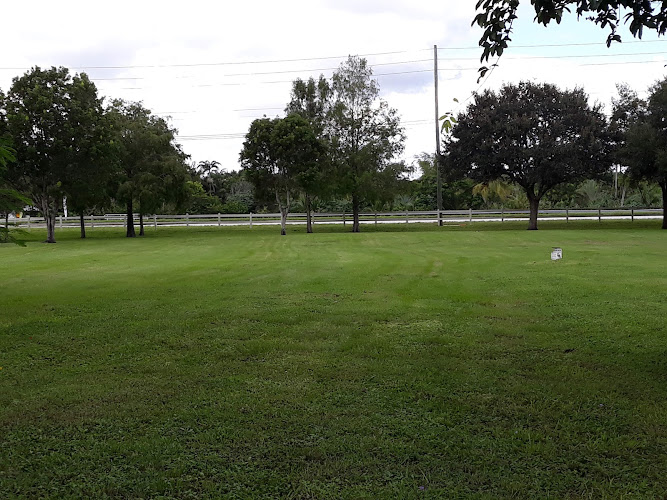
Owls Lookout Park

Shenandoah Park
Find Accommodations Nearby
Recommended Tours & Activities
Visitor Reviews
There are no reviews yet. Be the first one to write one.
Share Your Experience
Have you visited Flamingo Gardens? Help other travelers by leaving a review.