
Fiskeri- og Søfartsmuseet
About Fiskeri- og Søfartsmuseet
Description
The Fiskeri- og Søfartsmuseet in Esbjerg V, Denmark, is one of those rare museums where the North Sea sneaks up on you—not just through the windows, but in every exhibit and salty corner. This place isn’t just for history buffs or marine geeks—though they’ll definitely be in sea-scented heaven. It’s a real handshake with Danish maritime culture, and let me tell you, it’s way more than just glass cases and faded old ships (though you’ll find your share of those, too—don’t worry).
The museum, which started way back in 1968 (imagine the haircuts and sea-chilled overalls), digs deep into both the fisheries and maritime legacy that have shaped not just Esbjerg, but Denmark itself. The storytelling here? It's not your typical dusty timeline. Instead, you’ll get up close with gleaming fishing vessels, weathered sailors’ gear, and the sort of hands-on science that makes kids—and yes, adults—grin.
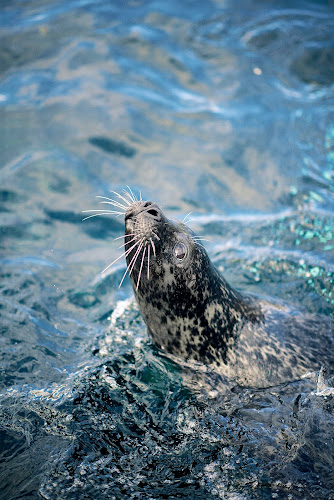
My last stroll through the museum ended with a spell watching a fleet of seals rocket around, just inches away through the glass of their “sealarium.” If, like me, you spent childhood afternoons imagining life under the waves, the aquarium’s collection of North Sea fish and marine life might just hypnotize you. It’s both educational and, I think, weirdly soothing—like the museum knew you needed a breather between the roaring engines and tall-tale fishermen stories.
Of course, every place has its quirks. Sometimes the crowds can be thick, and I’ve heard more than a few mutters about the café’s menu being a touch on the small side. But the museum’s got space to breathe, a warm welcome for families, and amenities sorted for travelers with all kinds of needs. In fact, the accessibility here is really well thought out—making it one of the most friendly stops along the Danish west coast. If you’re curious to truly experience what makes Denmark maritime life tick, here’s where you start.
Key Features
- Interactive Aquarium: Explore a saltwater aquarium full of North Sea and Danish coastal marine life—think cod, rays, and flatfish, plus periodic feeding demonstrations that kids just can’t get enough of.
- Sealarium: Probably the showstopper—get nose-to-nose (well, almost) with local seals in the spacious, light-filled seal pool. There are scheduled talks and feedings, too, if your timing’s right.
- Outdoor Exhibitions: Wander outside for a whole ensemble of historic fishing boats and maritime equipment. On a breezy Danish day, it’s surprisingly atmospheric being surrounded by these weathered giants.
- History Meets Hands-On Science: The indoor exhibitions swing between detailed maritime history (complete with artifacts and model ships) and engaging, science-based activities for curious minds.
- Family-Friendly Facilities: The museum is designed for families: changing tables, kid-friendly activities, and educational programs that don’t treat younger visitors like afterthoughts.
- Accessibility: Flat, open spaces, wheelchair-friendly entrances, restrooms, and parking—with staff who seem genuinely happy to help all guests.
- Café and Dining: Not huge, but convenient for a little break; servings tend toward Danish staples, which is exactly what you’d want after a morning exploring the sea’s stories.
- Free Parking: Yes, a big bonus in Denmark—ample, free onsite parking makes the whole visit so much smoother, especially for families or groups.
- Wi-Fi: Handy for sharing those mid-day seal selfies with jealous friends back home.
- Special Events & Seasonal Activities: Depending on when you pop by, you might stumble into workshops, science shows, or seasonal events—always check ahead, because those extras add a lively local touch.
Best Time to Visit
When I think about the best slice of the calendar for a visit, spring and early summer always call out. There’s something hearty about a brisk Danish morning with the sea breeze in your face before warming up inside the exhibit halls—April to June is just about perfect. It’s busy, yes, but you usually steer clear of the biggest family holiday throngs. If you’re around midweek or outside school breaks, you can really soak things in without elbowing for space at the sealarium glass.
Autumn can be delightful, too. There’s a melancholy beauty to the North Sea in September and October, and the museum cosies up with more local visitors. Winter’s another world: fewer crowds, sometimes special exhibits, and you’ll more or less have the run of the place—though check opening hours, since they may shift a bit.
My tip? Pop in during a seal feeding if you can. They’re a hit for good reason, and who among us really gets tired of watching a seal do its fish-catching thing? Just allow extra time if you’re rolling in on a wet weekend; plan an hour or two more for roaming.
How to Get There
The Fiskeri- og Søfartsmuseet is, frankly, well-situated for a day out from nearabouts or a longer West Jutland ramble. If you’re arriving by car, that free parking is right outside—you’ll thank yourself later, particularly if you’re wrangling extra gear or a tribe of eager kids.
The museum isn’t smack in the center of Esbjerg city, but it’s only a short drive from there (figure less than 10 minutes from the main square). Public transport is steady and reliably Danish—buses from the city center run to the area regularly, and stops are clearly marked. If you’re cycling, the ride is smooth and the signs polite and well-placed (this is Denmark, after all), plus you’ll get those lungfuls of sea air.
Taxis or rideshares? Sure, but honestly, save your kroner for the gift shop fish plushies and the outside food trucks during festival days. And if you’re feeling ambitious, throw in a walk along the shore before your visit—nothing like a little weather to prime you for some maritime history.
Tips for Visiting
- Give yourself time—more than you first expect. Even if you’re just “popping in” to check the aquarium, you’ll end up sidetracked by quirky exhibits or the outdoor ship displays. Most folks spend 2-3 hours, and I regularly lose all sense of time in the sealarium.
- Bring layers. The Danish west coast does what it wants (bit of wind, bit of rain, bit of sun—often in the same hour). Outdoor areas can be breezy, and you want to stay comfy as you explore every nook.
- Check ahead for events. Family traveling? The workshops and special seasonal offerings can keep the kids busy and make the visit extra memorable. The events schedule changes, but it’s worth a peek before you show up.
- Don’t skip the history. The maritime museum area is chock-full of stories that’ll honestly surprise you—even if you thought you “already knew” fishing was just boats and nets. The personal tales, the local scale models, and the old photos add a real human twist.
- Accessibility is top-notch. Whether you need wheelchair access or are managing strollers, the facilities support nearly every visitor. The staff are accommodating, which makes all the difference if you’re visiting with little ones or older relatives.
- Eat before or after, or try out the café for something local. The on-site restaurant isn’t fancy, but it gives you a chance to sample Danish fish and chips (when in Rome, right?) and warm beverages. On busy weekends, it fills up fast—so plan a little flexibility.
- Photography is encouraged, but mind the flash. The aquarium and sealarium have sensitive critters, so respect their space (and honestly, the no-flash photos come out more atmospheric anyway).
- Little ones in tow? Let them lead, especially through the interactive science and discovery spots. They see things us adults miss—like which fish looks the “silliest” and where the model lighthouse hides its secrets.
- Lastly, don’t just breeze through the gift store. There’s more than the standard magnets—local crafts, books, and things you’ll actually want to bring home.
All said, the Fiskeri- og Søfartsmuseet punches way above its weight for both heart and variety. You get a deep (sometimes literally wet) look into Danish maritime history, all told with warmth and a little coastal whimsy. Sure, it’s a “museum,” but really, it’s a launchpad for exploring how the sea still shapes this rugged, fascinating slice of Denmark. Whether you’re driving cross-country or just in need of a few hours out of the city, this spot fills your lungs—and your mind—with something unforgettable.
Key Features
- Key Features
- Best Time to Visit
- How to Get There
- Tips for Visiting
More Details
Updated July 12, 2025
Table of Contents
Description
The Fiskeri- og Søfartsmuseet in Esbjerg V, Denmark, is one of those rare museums where the North Sea sneaks up on you—not just through the windows, but in every exhibit and salty corner. This place isn’t just for history buffs or marine geeks—though they’ll definitely be in sea-scented heaven. It’s a real handshake with Danish maritime culture, and let me tell you, it’s way more than just glass cases and faded old ships (though you’ll find your share of those, too—don’t worry).
The museum, which started way back in 1968 (imagine the haircuts and sea-chilled overalls), digs deep into both the fisheries and maritime legacy that have shaped not just Esbjerg, but Denmark itself. The storytelling here? It’s not your typical dusty timeline. Instead, you’ll get up close with gleaming fishing vessels, weathered sailors’ gear, and the sort of hands-on science that makes kids—and yes, adults—grin.
My last stroll through the museum ended with a spell watching a fleet of seals rocket around, just inches away through the glass of their “sealarium.” If, like me, you spent childhood afternoons imagining life under the waves, the aquarium’s collection of North Sea fish and marine life might just hypnotize you. It’s both educational and, I think, weirdly soothing—like the museum knew you needed a breather between the roaring engines and tall-tale fishermen stories.
Of course, every place has its quirks. Sometimes the crowds can be thick, and I’ve heard more than a few mutters about the café’s menu being a touch on the small side. But the museum’s got space to breathe, a warm welcome for families, and amenities sorted for travelers with all kinds of needs. In fact, the accessibility here is really well thought out—making it one of the most friendly stops along the Danish west coast. If you’re curious to truly experience what makes Denmark maritime life tick, here’s where you start.
Key Features
- Interactive Aquarium: Explore a saltwater aquarium full of North Sea and Danish coastal marine life—think cod, rays, and flatfish, plus periodic feeding demonstrations that kids just can’t get enough of.
- Sealarium: Probably the showstopper—get nose-to-nose (well, almost) with local seals in the spacious, light-filled seal pool. There are scheduled talks and feedings, too, if your timing’s right.
- Outdoor Exhibitions: Wander outside for a whole ensemble of historic fishing boats and maritime equipment. On a breezy Danish day, it’s surprisingly atmospheric being surrounded by these weathered giants.
- History Meets Hands-On Science: The indoor exhibitions swing between detailed maritime history (complete with artifacts and model ships) and engaging, science-based activities for curious minds.
- Family-Friendly Facilities: The museum is designed for families: changing tables, kid-friendly activities, and educational programs that don’t treat younger visitors like afterthoughts.
- Accessibility: Flat, open spaces, wheelchair-friendly entrances, restrooms, and parking—with staff who seem genuinely happy to help all guests.
- Café and Dining: Not huge, but convenient for a little break; servings tend toward Danish staples, which is exactly what you’d want after a morning exploring the sea’s stories.
- Free Parking: Yes, a big bonus in Denmark—ample, free onsite parking makes the whole visit so much smoother, especially for families or groups.
- Wi-Fi: Handy for sharing those mid-day seal selfies with jealous friends back home.
- Special Events & Seasonal Activities: Depending on when you pop by, you might stumble into workshops, science shows, or seasonal events—always check ahead, because those extras add a lively local touch.
Best Time to Visit
When I think about the best slice of the calendar for a visit, spring and early summer always call out. There’s something hearty about a brisk Danish morning with the sea breeze in your face before warming up inside the exhibit halls—April to June is just about perfect. It’s busy, yes, but you usually steer clear of the biggest family holiday throngs. If you’re around midweek or outside school breaks, you can really soak things in without elbowing for space at the sealarium glass.
Autumn can be delightful, too. There’s a melancholy beauty to the North Sea in September and October, and the museum cosies up with more local visitors. Winter’s another world: fewer crowds, sometimes special exhibits, and you’ll more or less have the run of the place—though check opening hours, since they may shift a bit.
My tip? Pop in during a seal feeding if you can. They’re a hit for good reason, and who among us really gets tired of watching a seal do its fish-catching thing? Just allow extra time if you’re rolling in on a wet weekend; plan an hour or two more for roaming.
How to Get There
The Fiskeri- og Søfartsmuseet is, frankly, well-situated for a day out from nearabouts or a longer West Jutland ramble. If you’re arriving by car, that free parking is right outside—you’ll thank yourself later, particularly if you’re wrangling extra gear or a tribe of eager kids.
The museum isn’t smack in the center of Esbjerg city, but it’s only a short drive from there (figure less than 10 minutes from the main square). Public transport is steady and reliably Danish—buses from the city center run to the area regularly, and stops are clearly marked. If you’re cycling, the ride is smooth and the signs polite and well-placed (this is Denmark, after all), plus you’ll get those lungfuls of sea air.
Taxis or rideshares? Sure, but honestly, save your kroner for the gift shop fish plushies and the outside food trucks during festival days. And if you’re feeling ambitious, throw in a walk along the shore before your visit—nothing like a little weather to prime you for some maritime history.
Tips for Visiting
- Give yourself time—more than you first expect. Even if you’re just “popping in” to check the aquarium, you’ll end up sidetracked by quirky exhibits or the outdoor ship displays. Most folks spend 2-3 hours, and I regularly lose all sense of time in the sealarium.
- Bring layers. The Danish west coast does what it wants (bit of wind, bit of rain, bit of sun—often in the same hour). Outdoor areas can be breezy, and you want to stay comfy as you explore every nook.
- Check ahead for events. Family traveling? The workshops and special seasonal offerings can keep the kids busy and make the visit extra memorable. The events schedule changes, but it’s worth a peek before you show up.
- Don’t skip the history. The maritime museum area is chock-full of stories that’ll honestly surprise you—even if you thought you “already knew” fishing was just boats and nets. The personal tales, the local scale models, and the old photos add a real human twist.
- Accessibility is top-notch. Whether you need wheelchair access or are managing strollers, the facilities support nearly every visitor. The staff are accommodating, which makes all the difference if you’re visiting with little ones or older relatives.
- Eat before or after, or try out the café for something local. The on-site restaurant isn’t fancy, but it gives you a chance to sample Danish fish and chips (when in Rome, right?) and warm beverages. On busy weekends, it fills up fast—so plan a little flexibility.
- Photography is encouraged, but mind the flash. The aquarium and sealarium have sensitive critters, so respect their space (and honestly, the no-flash photos come out more atmospheric anyway).
- Little ones in tow? Let them lead, especially through the interactive science and discovery spots. They see things us adults miss—like which fish looks the “silliest” and where the model lighthouse hides its secrets.
- Lastly, don’t just breeze through the gift store. There’s more than the standard magnets—local crafts, books, and things you’ll actually want to bring home.
All said, the Fiskeri- og Søfartsmuseet punches way above its weight for both heart and variety. You get a deep (sometimes literally wet) look into Danish maritime history, all told with warmth and a little coastal whimsy. Sure, it’s a “museum,” but really, it’s a launchpad for exploring how the sea still shapes this rugged, fascinating slice of Denmark. Whether you’re driving cross-country or just in need of a few hours out of the city, this spot fills your lungs—and your mind—with something unforgettable.
Key Highlights
- Key Features
- Best Time to Visit
- How to Get There
- Tips for Visiting
Location
Places to Stay Near Fiskeri- og Søfartsmuseet
Find and Book a Tour
Explore More Travel Guides
No reviews found! Be the first to review!
Traveler Reviews for Fiskeri- og Søfartsmuseet
There are no reviews yet. Be the first one to write one.
Have you visited Fiskeri- og Søfartsmuseet? Help other travelers by sharing your review.
You Might Also Like
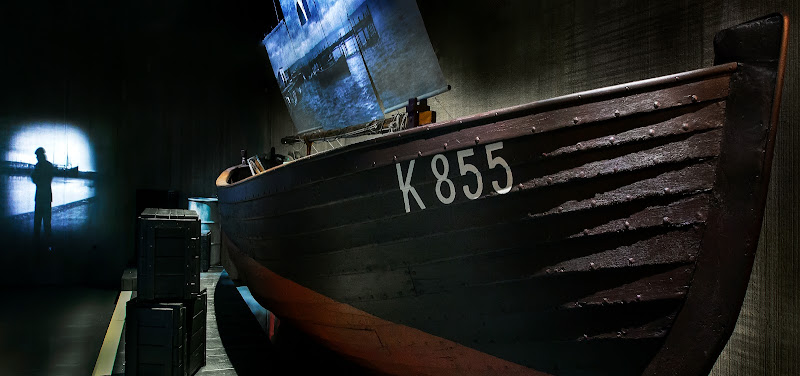
Museum of Danish Resistance
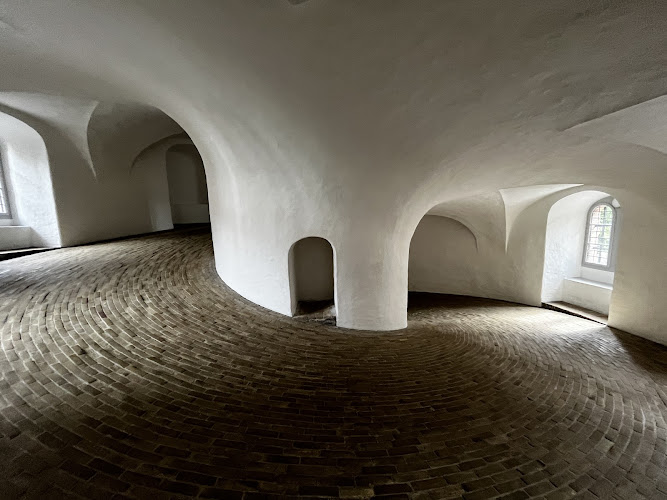
The Round Tower

Sønæs Park
Find Accommodations Nearby
Recommended Tours & Activities
Visitor Reviews
There are no reviews yet. Be the first one to write one.
Share Your Experience
Have you visited Fiskeri- og Søfartsmuseet? Help other travelers by leaving a review.