
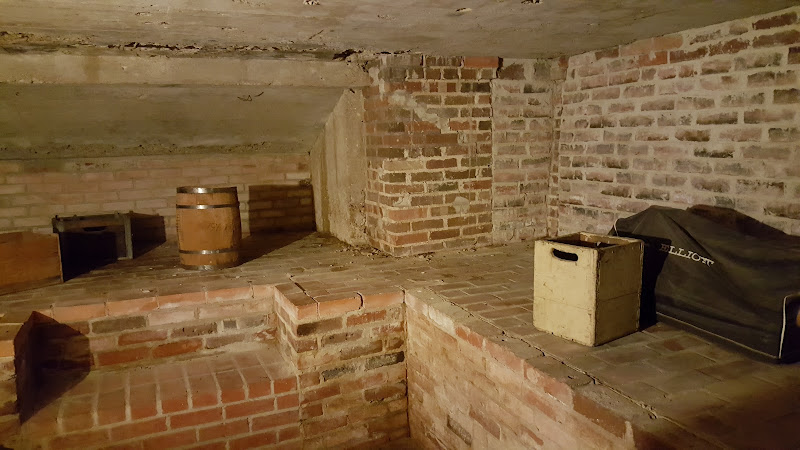
Fielder House Museum
About Fielder House Museum
Description
The Fielder House Museum is one of those places that quietly does its job without fanfare. It sits in a two-story brick house built in 1914, and honestly, that alone already tells you a lot. This was a home first, long before it became a museum, and that sense of everyday life still hangs in the rooms. Travelers who enjoy history that feels lived-in, not polished within an inch of its life, tend to linger here longer than planned.
The museum focuses on local history and community life, which might sound modest on paper, but in practice it’s where the magic is. Instead of sweeping national narratives, the exhibits zero in on how people worked, raised families, celebrated milestones, and dealt with hardship in this area. And yes, that includes some stories that aren’t neat or heroic. That’s part of the appeal. The Fielder House Museum doesn’t try to impress you with spectacle. It tries to tell the truth as best it can.
The building itself still feels like a house. Floors creak a bit. Light comes in at odd angles. And sometimes you’ll catch yourself imagining what it must have been like to live here when electricity was new and indoor plumbing was something to brag about. The rooms are arranged to reflect different periods of community life, blending personal artifacts with photographs, documents, and everyday objects. It’s the kind of place where a simple kitchen tool can spark a long conversation.
The museum staff and volunteers deserve a nod too. They tend to be locals, and many have personal or family connections to the stories being told. That changes the experience. A guided tour often turns into a friendly chat, with side stories that aren’t written on the wall labels. And honestly, those unscripted moments are often what visitors remember most.
Travelers who are museum-hopping through big cities sometimes underestimate places like this. But the Fielder House Museum proves that smaller museums can hit harder emotionally. It’s not flashy. It’s thoughtful. And for visitors interested in understanding how a community shaped itself over time, this museum delivers in a grounded, human way.
Key Features
- Two-story brick house built in 1914, preserved to reflect its original residential character
- Exhibits focused on local history, daily life, and community development
- Rotating displays that highlight different eras, families, and social changes
- Guided tours available, often led by knowledgeable local volunteers
- Family-friendly atmosphere that welcomes kids without dumbing things down
- Wheelchair accessible entrance and parking, making the museum approachable for all visitors
- On-site restrooms and parking, which travelers will appreciate more than they admit
- Quiet, unrushed environment that encourages lingering and reflection
Best Time to Visit
The best time to visit the Fielder House Museum depends on what kind of traveler you are. For those who like a calm, almost meditative experience, weekday mornings are ideal. The house feels especially peaceful then, and it’s easier to strike up conversations with staff. And those conversations matter here. They add layers to what you’re seeing.
Spring and fall are generally the most pleasant seasons. The weather makes walking up to the house enjoyable, and there’s something about mild temperatures that suits reflective museums. Summer can bring more families, especially when school is out. That’s not a bad thing, just louder. If you enjoy hearing kids ask blunt, hilarious questions about the past, you’ll fit right in.
Winter visits have their own charm. The museum feels cozier, almost like stepping into a time capsule. But hours can be shorter, and occasional weather closures happen, so it’s smart to check ahead. Still, there’s something about standing in a century-old house while it’s cold outside that makes history feel closer.
Special events and themed tours pop up throughout the year, often tied to local anniversaries or holidays. These can be excellent, but they do draw bigger crowds. If you prefer a quieter visit, aim for non-event days. But if you like energy and community buzz, those events are worth planning around.
How to Get There
Getting to the Fielder House Museum is straightforward, which is always a relief when you’re juggling travel plans. Most visitors arrive by car, and on-site parking removes the usual stress of circling the block. For road-trippers, it’s an easy stop that doesn’t require a major detour, making it ideal for a half-day cultural break.
Public transportation options vary depending on where you’re coming from, but the museum is generally accessible without too much hassle. Once nearby, the neighborhood itself is walkable, and some travelers like to explore the surrounding area before or after their visit. It’s not a place you rush through. And honestly, rushing would miss the point.
For those with mobility needs, accessibility has clearly been considered. The entrance and parking accommodate wheelchairs, which makes a big difference. Too many historic houses forget this step, but the Fielder House Museum has made the effort, and visitors notice.
Tips for Visiting
First tip: give yourself more time than you think you’ll need. Many travelers assume small house museums take 30 minutes, tops. But between reading exhibits, chatting with staff, and just soaking in the atmosphere, an hour or more slips by easily. And that’s a good thing.
Consider taking a guided tour if one is available during your visit. Even visitors who usually skip tours often end up glad they didn’t here. The guides don’t just recite facts; they tell stories. Some are personal. Some are surprising. A few might even contradict what you’ve read in textbooks, which sparks good questions.
If you’re visiting with kids, encourage them to ask questions. This museum handles curiosity well. There are objects and stories that naturally grab younger attention, especially when explained by someone who clearly enjoys teaching. And yes, kids being kids will sometimes get restless. That’s okay. The setting is forgiving.
Photography rules can vary by exhibit, so ask before snapping pictures. Even when photos aren’t allowed, take mental snapshots. The textures of the house, the worn edges of furniture, the way light hits old brick walls, those are details that stick.
And one personal aside, if the writer may be forgiven for it. The last time I visited a small house museum like this, I went in expecting a quick look and left thinking about my own grandparents and the stories I never asked them to tell. The Fielder House Museum has that effect. It nudges you to reflect on where you come from, even if your roots are far away.
Finally, be patient with the imperfections. A few exhibits may feel dated. Some signage might show its age. But that’s part of the charm. This isn’t a glossy attraction designed to overwhelm. It’s a place built on care, memory, and community effort. Travelers who appreciate authenticity over polish tend to walk away quietly impressed.
The Fielder House Museum doesn’t shout for attention. It doesn’t need to. For travelers seeking a meaningful connection to local history, it offers a sincere, grounded experience that stays with you longer than expected. And sometimes, that’s the best kind of souvenir.
Key Features
- Two-story brick house built in 1914, preserved to reflect its original residential character
- Exhibits focused on local history, daily life, and community development
- Rotating displays that highlight different eras, families, and social changes
- Guided tours available, often led by knowledgeable local volunteers
- Family-friendly atmosphere that welcomes kids without dumbing things down
- Wheelchair accessible entrance and parking, making the museum approachable for all visitors
- On-site restrooms and parking, which travelers will appreciate more than they admit
- Quiet, unrushed environment that encourages lingering and reflection
More Details
Updated December 31, 2025
Table of Contents
Description
The Fielder House Museum is one of those places that quietly does its job without fanfare. It sits in a two-story brick house built in 1914, and honestly, that alone already tells you a lot. This was a home first, long before it became a museum, and that sense of everyday life still hangs in the rooms. Travelers who enjoy history that feels lived-in, not polished within an inch of its life, tend to linger here longer than planned.
The museum focuses on local history and community life, which might sound modest on paper, but in practice it’s where the magic is. Instead of sweeping national narratives, the exhibits zero in on how people worked, raised families, celebrated milestones, and dealt with hardship in this area. And yes, that includes some stories that aren’t neat or heroic. That’s part of the appeal. The Fielder House Museum doesn’t try to impress you with spectacle. It tries to tell the truth as best it can.
The building itself still feels like a house. Floors creak a bit. Light comes in at odd angles. And sometimes you’ll catch yourself imagining what it must have been like to live here when electricity was new and indoor plumbing was something to brag about. The rooms are arranged to reflect different periods of community life, blending personal artifacts with photographs, documents, and everyday objects. It’s the kind of place where a simple kitchen tool can spark a long conversation.
The museum staff and volunteers deserve a nod too. They tend to be locals, and many have personal or family connections to the stories being told. That changes the experience. A guided tour often turns into a friendly chat, with side stories that aren’t written on the wall labels. And honestly, those unscripted moments are often what visitors remember most.
Travelers who are museum-hopping through big cities sometimes underestimate places like this. But the Fielder House Museum proves that smaller museums can hit harder emotionally. It’s not flashy. It’s thoughtful. And for visitors interested in understanding how a community shaped itself over time, this museum delivers in a grounded, human way.
Key Features
- Two-story brick house built in 1914, preserved to reflect its original residential character
- Exhibits focused on local history, daily life, and community development
- Rotating displays that highlight different eras, families, and social changes
- Guided tours available, often led by knowledgeable local volunteers
- Family-friendly atmosphere that welcomes kids without dumbing things down
- Wheelchair accessible entrance and parking, making the museum approachable for all visitors
- On-site restrooms and parking, which travelers will appreciate more than they admit
- Quiet, unrushed environment that encourages lingering and reflection
Best Time to Visit
The best time to visit the Fielder House Museum depends on what kind of traveler you are. For those who like a calm, almost meditative experience, weekday mornings are ideal. The house feels especially peaceful then, and it’s easier to strike up conversations with staff. And those conversations matter here. They add layers to what you’re seeing.
Spring and fall are generally the most pleasant seasons. The weather makes walking up to the house enjoyable, and there’s something about mild temperatures that suits reflective museums. Summer can bring more families, especially when school is out. That’s not a bad thing, just louder. If you enjoy hearing kids ask blunt, hilarious questions about the past, you’ll fit right in.
Winter visits have their own charm. The museum feels cozier, almost like stepping into a time capsule. But hours can be shorter, and occasional weather closures happen, so it’s smart to check ahead. Still, there’s something about standing in a century-old house while it’s cold outside that makes history feel closer.
Special events and themed tours pop up throughout the year, often tied to local anniversaries or holidays. These can be excellent, but they do draw bigger crowds. If you prefer a quieter visit, aim for non-event days. But if you like energy and community buzz, those events are worth planning around.
How to Get There
Getting to the Fielder House Museum is straightforward, which is always a relief when you’re juggling travel plans. Most visitors arrive by car, and on-site parking removes the usual stress of circling the block. For road-trippers, it’s an easy stop that doesn’t require a major detour, making it ideal for a half-day cultural break.
Public transportation options vary depending on where you’re coming from, but the museum is generally accessible without too much hassle. Once nearby, the neighborhood itself is walkable, and some travelers like to explore the surrounding area before or after their visit. It’s not a place you rush through. And honestly, rushing would miss the point.
For those with mobility needs, accessibility has clearly been considered. The entrance and parking accommodate wheelchairs, which makes a big difference. Too many historic houses forget this step, but the Fielder House Museum has made the effort, and visitors notice.
Tips for Visiting
First tip: give yourself more time than you think you’ll need. Many travelers assume small house museums take 30 minutes, tops. But between reading exhibits, chatting with staff, and just soaking in the atmosphere, an hour or more slips by easily. And that’s a good thing.
Consider taking a guided tour if one is available during your visit. Even visitors who usually skip tours often end up glad they didn’t here. The guides don’t just recite facts; they tell stories. Some are personal. Some are surprising. A few might even contradict what you’ve read in textbooks, which sparks good questions.
If you’re visiting with kids, encourage them to ask questions. This museum handles curiosity well. There are objects and stories that naturally grab younger attention, especially when explained by someone who clearly enjoys teaching. And yes, kids being kids will sometimes get restless. That’s okay. The setting is forgiving.
Photography rules can vary by exhibit, so ask before snapping pictures. Even when photos aren’t allowed, take mental snapshots. The textures of the house, the worn edges of furniture, the way light hits old brick walls, those are details that stick.
And one personal aside, if the writer may be forgiven for it. The last time I visited a small house museum like this, I went in expecting a quick look and left thinking about my own grandparents and the stories I never asked them to tell. The Fielder House Museum has that effect. It nudges you to reflect on where you come from, even if your roots are far away.
Finally, be patient with the imperfections. A few exhibits may feel dated. Some signage might show its age. But that’s part of the charm. This isn’t a glossy attraction designed to overwhelm. It’s a place built on care, memory, and community effort. Travelers who appreciate authenticity over polish tend to walk away quietly impressed.
The Fielder House Museum doesn’t shout for attention. It doesn’t need to. For travelers seeking a meaningful connection to local history, it offers a sincere, grounded experience that stays with you longer than expected. And sometimes, that’s the best kind of souvenir.
Key Highlights
- Two-story brick house built in 1914, preserved to reflect its original residential character
- Exhibits focused on local history, daily life, and community development
- Rotating displays that highlight different eras, families, and social changes
- Guided tours available, often led by knowledgeable local volunteers
- Family-friendly atmosphere that welcomes kids without dumbing things down
- Wheelchair accessible entrance and parking, making the museum approachable for all visitors
- On-site restrooms and parking, which travelers will appreciate more than they admit
- Quiet, unrushed environment that encourages lingering and reflection
Location
Places to Stay Near Fielder House Museum
Find and Book a Tour
Explore More Travel Guides
No reviews found! Be the first to review!
Traveler Reviews for Fielder House Museum
There are no reviews yet. Be the first one to write one.
Have you visited Fielder House Museum? Help other travelers by sharing your review.
You Might Also Like

Bonds Escape Room - Arlington
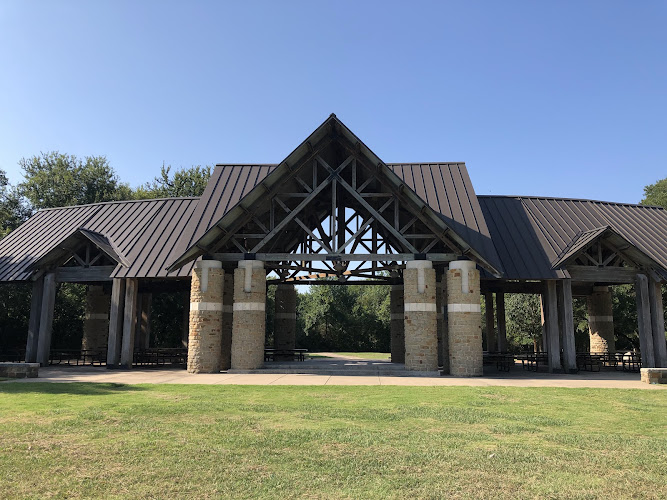
The Legacy Pavilion Picnic Area
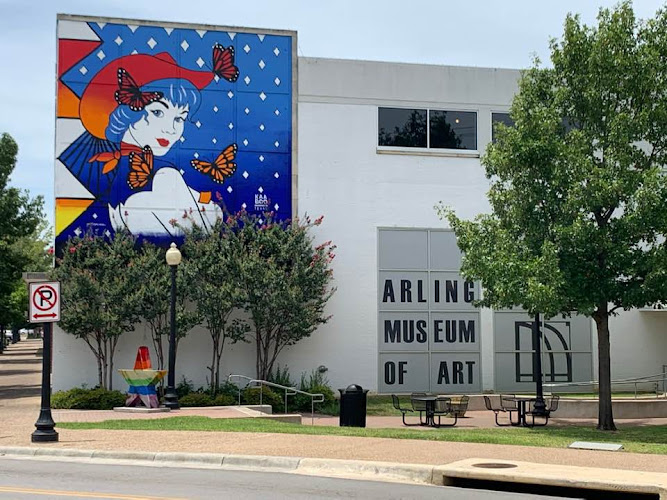
Arlington Museum of Art
Find Accommodations Nearby
Recommended Tours & Activities
Visitor Reviews
There are no reviews yet. Be the first one to write one.
Share Your Experience
Have you visited Fielder House Museum? Help other travelers by leaving a review.