
Ethnological Museum
About Ethnological Museum
Where is Ethnological Museum (Chattogram, Bangladesh) Reasons to Visit …
## Ethnological Museum (Chattogram): what it is and why it matters
The Ethnological Museum in Chattogram (often still written as “Chittagong”) is widely described as Bangladesh’s only ethnological museum, with a mission centered on documenting and exhibiting the country’s diverse cultural communities—especially groups from the Chittagong Hill Tracts and beyond.
If you care about living culture, material heritage, and how identities are expressed through everyday objects—textiles, tools, housing models, ritual items—this museum can add real depth to a Bangladesh itinerary that otherwise skews toward beaches, bazaars, and city landmarks.
## Quick facts (from published references)
– Name: Ethnological Museum (Chattogram/Chittagong)
– Established: 1965 (with the museum opening to the public later, per historical summaries)
– Opened to the public: commonly cited as 1974
– Where it is: Agrabad area, Chattogram/Chittagong
– Focus: exhibits related to Bangladesh’s cultural/ethnic communities (often described in older sources as “tribal”; see note on terminology below)
### A note on terminology (inclusivity + accuracy)
Some references use the term “tribal people.” In many contexts, “Indigenous peoples” or “ethnic communities” is more respectful and more precise—while also acknowledging that communities in Bangladesh may self-identify in different ways. I’ll use “ethnic communities” as the default, while flagging when older sources use legacy phrasing.
## What you’ll actually see inside
Most descriptions agree the museum is organized into multiple galleries/rooms that present community life through:
– Traditional clothing and textiles (often the most immediately striking objects, because weaving, dyeing, and ornamentation carry identity and status signals)
– Household tools and craft items that show daily routines—farming, fishing, cooking, storage
– Models, photographs, maps, and wall paintings designed to contextualize environments and lifeways
Banglapedia’s overview emphasizes that the museum uses visual staging—models, photos, and constructed scenes—to make the exhibits feel more “lived-in,” rather than just object-on-a-shelf display.
### How to get more value than a quick walk-through
If you want this visit to feel substantive (not like “I looked at stuff behind glass”), do this:
– Pick 2–3 themes before you enter, then hunt for examples across galleries:
– Housing & environment (materials, floor plans, climate adaptations)
– Food & work (tools, storage, fishing/agriculture gear)
– Identity & ceremony (dress, adornment, musical instruments, ritual items)
– Photograph labels (where allowed) and summarize them later. Ethnological museums often reward reflection more than instant awe.
## Practical visit planning (what I can say with confidence)
### Location and getting there
The museum is described as being in Agrabad, a central commercial area of Chattogram/Chittagong.
Your provided address pinpoints it around Sabdar Ali Road with coordinates 22.3280326, 91.8150255 (Chattogram 4100). That’s consistent with the broader Agrabad area.
### Time needed
Plan 60–120 minutes for a focused visit. If you like reading labels carefully (or you’re researching for writing/photography), budget longer.
### When to go (comfort + crowd logic)
Chattogram is hot and humid much of the year. If you’re choosing seasons for comfort, winter months are often recommended by travel guidance for the broader city (cooler, drier conditions), though that’s a general planning tip rather than a museum-specific operational rule.
## Opening hours + tickets: treat as “verify on arrival” (outdated-data flag)
I did not find an official, reliably fetchable government page in this session (the district portal timed out), so I’m not going to present hours/fees as certain. URL
However, visitor-posted sources commonly report:
– Seasonal hour ranges (winter vs summer)
– Low admission fees with different rates for locals vs foreigners
Because these are not primary official publications, assume they may be outdated. The safe move:
– Bring small cash
– Expect last entry to be earlier than closing
– Confirm hours at the entrance or by calling ahead if you’re planning around tight logistics
## What makes this museum different from “general history” museums
Ethnological museums are less about timelines and kings, more about systems of living:
– how people build shelter from locally available materials
– how clothing encodes age, marital status, profession, or community ties
– how tools reveal trade networks and environmental constraints
If you’re the kind of traveler who enjoys markets, craft villages, and food anthropology, this museum can function like a primer: it helps you recognize patterns you’ll later see in textiles, handicrafts, and everyday objects elsewhere in Bangladesh.
## Etiquette and responsible visiting
– Avoid “exoticizing” language when discussing communities represented in the museum. Aim for specificity: weaving technique, material choice, regional climate adaptation—not vague “primitive/ancient” framing.
– Be cautious with photos: rules may vary by gallery; when in doubt, ask.
– Treat labels as summaries, not total truths: ethnographic representation is shaped by curatorial choices, funding, and the era the display was designed. (This is a general museum-literacy point, not a claim about this museum’s intent.)
## Nearby pairing ideas (so the visit fits a day plan)
I can’t responsibly list “nearby attractions” as facts without more verified sources, but the museum’s Agrabad placement generally makes it easier to combine with city errands, food stops, and other central Chattogram activities rather than requiring a long cross-town trip.
– Post title: Ethnological Museum
– Slug: ethnological-museum
– City: Chattogram, Bangladesh
– Coordinates: 22.3280326, 91.8150255
– Rating: 4.3
– Type: Tourist attraction
If you want, paste the RealJourneyTravels internal URLs for Chattogram hub + Bangladesh hub, and I’ll hard-wire the two internal links directly into the body copy (clean, contextual, no awkward “Related post” blocks).
Key Features
Ethnological Museum
You Might Also Like

1971 : Genocide-Torture Archive & Museum

Abi River Park
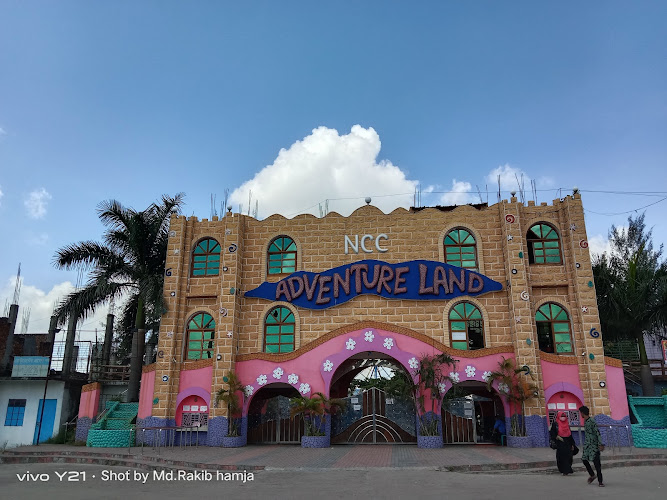
Adventure Land Park
Tours & Activities
GetYourGuide provides this tour inventory. We may earn a commission if you book through it; verify current availability, prices, and terms with the provider.
Visitor Reviews
There are no reviews yet. Be the first one to write one.
Share Your Experience
Have you visited Ethnological Museum? Help other travelers by leaving a review.