ESCULTURA SHIPIBA
About ESCULTURA SHIPIBA
Description
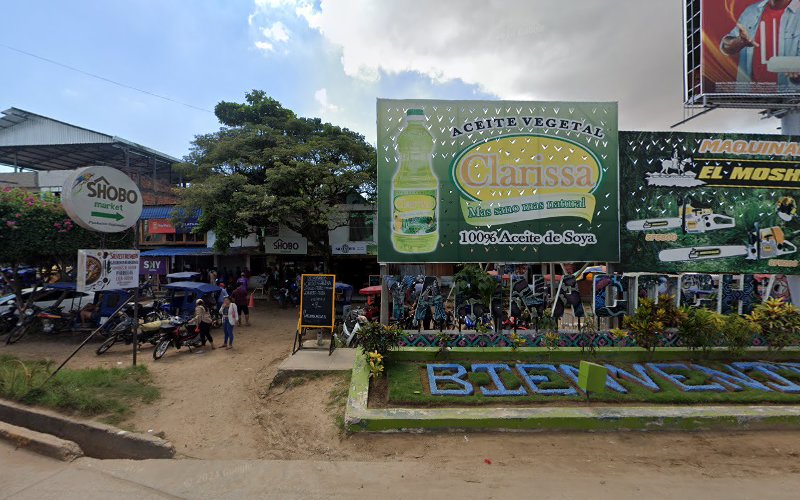
Escultura Shipiba in Pucallpa is one of those places that quietly sneaks up on you. You might be walking through the city, feeling the humid Amazon air wrap around you, and then suddenly there it is—this striking sculpture that seems to hum with the energy of the rainforest itself. It’s not just a piece of art; it’s a symbol of the Shipibo-Conibo culture, a people whose traditions run deep through the veins of the Ucayali region. The sculpture celebrates their intricate artistry, their deep connection to nature, and their spiritual worldview that’s been shaped by centuries of storytelling, ceremony, and creativity.
What makes Escultura Shipiba stand out is how it blends modern artistic expression with ancient indigenous symbolism. The geometric designs carved into its surface echo the same patterns found in Shipibo textiles and pottery—those hypnotic, maze-like motifs that represent the spiritual maps seen during ayahuasca ceremonies. If you look closely, you’ll notice that every line and curve seems to carry meaning, as if the sculpture is whispering stories of the jungle, of spirits, and of the people who have lived in harmony with it for generations.
As someone who’s wandered through Pucallpa’s streets more than once, I can tell you—this sculpture feels alive. It’s not the kind of attraction where you just snap a photo and move on. It invites you to pause, to wonder, to think about the culture it honors. And even if you’re not familiar with the Shipibo people, you’ll find yourself drawn to the energy of it. Kids often love it too, maybe because of its bold shapes and colors, or maybe because it just feels magical. Either way, it’s a spot that leaves an impression long after you’ve left.
Key Features
- Cultural Symbolism: Represents the Shipibo-Conibo people, known for their rich artistic and spiritual traditions.
- Geometric Design: Features intricate patterns inspired by Shipibo textiles and ceramics, each with symbolic meaning tied to nature and spirituality.
- Artistic Mastery: Created by local artisans who blend traditional craftsmanship with modern sculptural techniques.
- Accessible Location: Situated in a central area of Pucallpa, making it easy to visit during a city tour.
- Family-Friendly: Safe and engaging for children, offering a great opportunity to introduce them to Amazonian culture.
- Photogenic Spot: A favorite for travelers and photographers looking to capture authentic cultural art in a natural setting.
- Spiritual Connection: Embodies the Shipibo worldview where art, nature, and healing are intertwined.
Best Time to Visit
Pucallpa is warm and humid year-round, but if you’re planning a visit to Escultura Shipiba, the best time is during the dry season—from May to September. During these months, you’ll have clearer skies, making it easier to enjoy the sculpture without worrying about sudden tropical downpours. The light is also beautiful then, especially in the late afternoon when the sun casts soft golden tones across the sculpture’s surface. It’s a good time for photography too, as the shadows bring out the depth of the carvings.
If you happen to be in town during one of Pucallpa’s cultural festivals, even better. The local celebrations often include music, dance, and exhibitions that highlight the Shipibo-Conibo heritage. Visiting the sculpture during such times gives you a richer sense of its meaning—it becomes more than an artwork; it becomes part of a living tradition.
How to Get There
Getting to Escultura Shipiba is straightforward. Pucallpa is connected to Lima by daily flights that take about an hour, and from the airport, it’s just a short drive to the city center. Taxis and mototaxis are easy to find and affordable. If you’re staying in one of the central hotels or guesthouses, you can probably walk to the sculpture in under twenty minutes. The route itself is pleasant, giving you a glimpse of local life—street vendors selling fresh fruit, colorful murals, and the rhythm of a city that still feels deeply connected to the Amazon.
For those who prefer guided tours, several local operators include Escultura Shipiba as part of their cultural itineraries. It’s often paired with visits to Shipibo craft markets, where you can see artisans painting traditional designs on textiles and pottery. That combination—seeing the art in its monumental form and then in the hands of its creators—really drives home how much this culture values beauty and meaning in everyday life.
Tips for Visiting
When visiting Escultura Shipiba, take your time. It’s easy to rush through attractions when you’re traveling, but this one rewards slow observation. Walk around it, notice how the light changes the patterns, and if you can, talk to locals nearby. Many of them are proud of their heritage and happy to share stories about the Shipibo people and their art. You might even find someone who can explain the symbolism behind certain designs—it’s fascinating how each pattern represents elements of the universe or aspects of healing.
Bring water and sunscreen; Pucallpa’s sun can be unrelenting, especially around midday. A hat doesn’t hurt either. If you’re traveling with kids, they’ll likely enjoy the open space around the sculpture—it’s a good spot for a short break between sightseeing stops. Just remind them not to climb on the artwork; it’s a cultural treasure, after all.
One personal bit of advice: visit early in the morning or close to sunset. The air feels different then—quieter, softer—and the sculpture seems to take on a different personality depending on the light. Early mornings are peaceful, almost meditative. Evenings, on the other hand, have that warm glow that makes the whole place feel almost otherworldly.
And if you’re the kind of traveler who loves to dig deeper, consider visiting a nearby Shipibo community or art cooperative afterward. You’ll see how the same patterns that decorate the sculpture appear in their textiles, ceramics, and even in the songs they sing. It’s a reminder that this isn’t just art—it’s a living language, one that continues to evolve while staying rooted in ancient wisdom.
Escultura Shipiba isn’t a massive tourist attraction with crowds and ticket lines. It’s quieter, more reflective, and that’s precisely what makes it special. It’s the kind of place that helps you slow down and connect—to the art, to the culture, and maybe even to yourself. If you’re exploring Pucallpa, don’t skip it. It’s a small stop with a big story, and it might just be one of the most meaningful moments of your trip.
Key Features
- Key Features
- Best Time to Visit
- How to Get There
- Tips for Visiting
More Details
Updated December 1, 2025
Table of Contents
Description
Escultura Shipiba in Pucallpa is one of those places that quietly sneaks up on you. You might be walking through the city, feeling the humid Amazon air wrap around you, and then suddenly there it is—this striking sculpture that seems to hum with the energy of the rainforest itself. It’s not just a piece of art; it’s a symbol of the Shipibo-Conibo culture, a people whose traditions run deep through the veins of the Ucayali region. The sculpture celebrates their intricate artistry, their deep connection to nature, and their spiritual worldview that’s been shaped by centuries of storytelling, ceremony, and creativity.
What makes Escultura Shipiba stand out is how it blends modern artistic expression with ancient indigenous symbolism. The geometric designs carved into its surface echo the same patterns found in Shipibo textiles and pottery—those hypnotic, maze-like motifs that represent the spiritual maps seen during ayahuasca ceremonies. If you look closely, you’ll notice that every line and curve seems to carry meaning, as if the sculpture is whispering stories of the jungle, of spirits, and of the people who have lived in harmony with it for generations.
As someone who’s wandered through Pucallpa’s streets more than once, I can tell you—this sculpture feels alive. It’s not the kind of attraction where you just snap a photo and move on. It invites you to pause, to wonder, to think about the culture it honors. And even if you’re not familiar with the Shipibo people, you’ll find yourself drawn to the energy of it. Kids often love it too, maybe because of its bold shapes and colors, or maybe because it just feels magical. Either way, it’s a spot that leaves an impression long after you’ve left.
Key Features
- Cultural Symbolism: Represents the Shipibo-Conibo people, known for their rich artistic and spiritual traditions.
- Geometric Design: Features intricate patterns inspired by Shipibo textiles and ceramics, each with symbolic meaning tied to nature and spirituality.
- Artistic Mastery: Created by local artisans who blend traditional craftsmanship with modern sculptural techniques.
- Accessible Location: Situated in a central area of Pucallpa, making it easy to visit during a city tour.
- Family-Friendly: Safe and engaging for children, offering a great opportunity to introduce them to Amazonian culture.
- Photogenic Spot: A favorite for travelers and photographers looking to capture authentic cultural art in a natural setting.
- Spiritual Connection: Embodies the Shipibo worldview where art, nature, and healing are intertwined.
Best Time to Visit
Pucallpa is warm and humid year-round, but if you’re planning a visit to Escultura Shipiba, the best time is during the dry season—from May to September. During these months, you’ll have clearer skies, making it easier to enjoy the sculpture without worrying about sudden tropical downpours. The light is also beautiful then, especially in the late afternoon when the sun casts soft golden tones across the sculpture’s surface. It’s a good time for photography too, as the shadows bring out the depth of the carvings.
If you happen to be in town during one of Pucallpa’s cultural festivals, even better. The local celebrations often include music, dance, and exhibitions that highlight the Shipibo-Conibo heritage. Visiting the sculpture during such times gives you a richer sense of its meaning—it becomes more than an artwork; it becomes part of a living tradition.
How to Get There
Getting to Escultura Shipiba is straightforward. Pucallpa is connected to Lima by daily flights that take about an hour, and from the airport, it’s just a short drive to the city center. Taxis and mototaxis are easy to find and affordable. If you’re staying in one of the central hotels or guesthouses, you can probably walk to the sculpture in under twenty minutes. The route itself is pleasant, giving you a glimpse of local life—street vendors selling fresh fruit, colorful murals, and the rhythm of a city that still feels deeply connected to the Amazon.
For those who prefer guided tours, several local operators include Escultura Shipiba as part of their cultural itineraries. It’s often paired with visits to Shipibo craft markets, where you can see artisans painting traditional designs on textiles and pottery. That combination—seeing the art in its monumental form and then in the hands of its creators—really drives home how much this culture values beauty and meaning in everyday life.
Tips for Visiting
When visiting Escultura Shipiba, take your time. It’s easy to rush through attractions when you’re traveling, but this one rewards slow observation. Walk around it, notice how the light changes the patterns, and if you can, talk to locals nearby. Many of them are proud of their heritage and happy to share stories about the Shipibo people and their art. You might even find someone who can explain the symbolism behind certain designs—it’s fascinating how each pattern represents elements of the universe or aspects of healing.
Bring water and sunscreen; Pucallpa’s sun can be unrelenting, especially around midday. A hat doesn’t hurt either. If you’re traveling with kids, they’ll likely enjoy the open space around the sculpture—it’s a good spot for a short break between sightseeing stops. Just remind them not to climb on the artwork; it’s a cultural treasure, after all.
One personal bit of advice: visit early in the morning or close to sunset. The air feels different then—quieter, softer—and the sculpture seems to take on a different personality depending on the light. Early mornings are peaceful, almost meditative. Evenings, on the other hand, have that warm glow that makes the whole place feel almost otherworldly.
And if you’re the kind of traveler who loves to dig deeper, consider visiting a nearby Shipibo community or art cooperative afterward. You’ll see how the same patterns that decorate the sculpture appear in their textiles, ceramics, and even in the songs they sing. It’s a reminder that this isn’t just art—it’s a living language, one that continues to evolve while staying rooted in ancient wisdom.
Escultura Shipiba isn’t a massive tourist attraction with crowds and ticket lines. It’s quieter, more reflective, and that’s precisely what makes it special. It’s the kind of place that helps you slow down and connect—to the art, to the culture, and maybe even to yourself. If you’re exploring Pucallpa, don’t skip it. It’s a small stop with a big story, and it might just be one of the most meaningful moments of your trip.

Key Highlights
- Key Features
- Best Time to Visit
- How to Get There
- Tips for Visiting
Location
Places to Stay Near ESCULTURA SHIPIBA
Find and Book a Tour
Explore More Travel Guides
No reviews found! Be the first to review!
Traveler Reviews for ESCULTURA SHIPIBA
There are no reviews yet. Be the first one to write one.
Have you visited ESCULTURA SHIPIBA? Help other travelers by sharing your review.
Find Accommodations Nearby
Recommended Tours & Activities
Visitor Reviews
There are no reviews yet. Be the first one to write one.
Share Your Experience
Have you visited ESCULTURA SHIPIBA? Help other travelers by leaving a review.