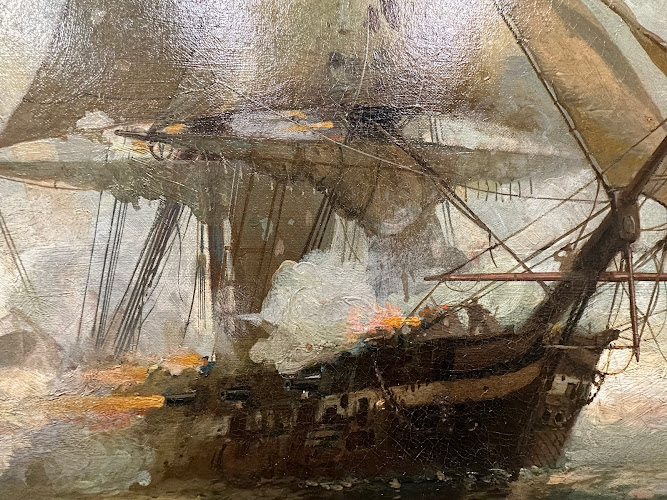
Brig Niagara presents a hands-on look at the naval and Great Lakes history that shaped the region. The museum centers on an impressive full-scale reproduction of the U.S. Brig Niagara, a tall ship that played a key role as Commodore Oliver Hazard Perry’s relief vessel during the Battle of Lake Erie. Visitors will find interactive exhibits and displays that aren’t dusty plaques and blinking lights — they’re tactile, story-driven experiences that help translate 19th-century seamanship into something a modern traveler can actually feel under their feet.
This is a museum that likes to be useful: it’s an educational institution, a tourist attraction, and a working ship space all in one. Exhibits cover shipbuilding, navigation, life aboard a naval craft, and the broader maritime ecosystem of the Erie region. And yes, the reconstruction of the Niagara is the real anchor — visitors can walk around, learn rigging basics, and, often, climb aboard during certain times. Kids tend to light up at the hands-on displays; adults who once loved model ships or naval history find themselves equally engaged.
The tone inside leans toward storytelling rather than chronology, which is nice. Instead of presenting only dates and dry facts, the museum frames events through the people who lived them — sailors, shipwrights, and communities that depended on the lake. Historical artifacts sit beside multimedia stations and interpretive panels. The museum’s layout encourages curiosity: a casual explorer may start at the brig, drift into a navigation exhibit, and leave having learned a surprisingly practical thing about knots or compass use.
Accessibility and visitor comfort are taken seriously here. There is a wheelchair accessible entrance, parking, and restroom, and the site provides Wi-Fi for quick checks of schedules or for that Instagram shot — if that’s how one measures a good trip these days. Tours are available year-round (seasonal variations apply) and staff often share local lore and tips that don’t make it into guidebooks. Active military personnel will find discounts available, and the museum is known to be welcoming to families, children, and LGBTQ+ visitors.
Key Features
- Admission fee required; check seasonal schedules for boarding opportunities
- Staffers and volunteers often share local stories and behind-the-scenes insights
Best Time to Visit
The best time to visit depends on what the traveler wants to experience. Summer months are the most popular — the brig is frequently active then, with crew demonstrations and chances to board the ship. Expect larger crowds on sunny weekends, especially during regional festivals or tall ship events. If someone wants the whole tall-ship vibe (sails up, crew buzzing around, that creak of wood) mid-June through August is the sweet spot.
But here’s an often-overlooked secret: late spring and early fall can be the most satisfying times for a quieter, more reflective visit. The weather is still pleasant, the light over the lake is often gorgeous for photos, and the staff may have more time to answer questions. Winter visits are more intimate; the museum itself remains a cozy educational stop even when the brig is in winter layup and the decks are closed. For photographers who prefer fewer people in frames, aim for weekday mornings right when the museum opens.
Travelers who want to catch special programming — crew talks, kids’ workshops, or historical reenactments — should check seasonal schedules or call ahead. Some of the most memorable moments happen during special sailings and anniversaries; they sell out quickly, so planning ahead is wise. And if the visitor is sensitive to crowds, avoid holidays and festival weekends, unless they actually enjoy elbow-to-elbow experiences and street food vibes nearby.
How to Get There
The Erie Maritime Museum sits along the city’s shoreline and is easily reached by car, local transit, or a short taxi ride from nearby hubs. Drivers will appreciate the free on-site and street parking that simplifies quick stops or longer visits. For those driving from out of town, the museum is a straightforward drive from major regional roads and highways. Parking is generally plentiful, but weekends in peak season fill up faster than one might think.
Public transit options are available — local buses run routes that stop near the waterfront area — and a short walk from the nearest stop will bring visitors to the museum’s entrance. Rideshares and taxis are also practical options for travelers arriving by train or bus who want a direct route.
For visitors flying in, the nearest regional airport is within reasonable driving distance; a rental car or rideshare makes sense for those planning to explore multiple lakefront attractions. And for the cruise-inclined: if someone is touring the Great Lakes or making a harbor jaunt, check marina schedules — the waterfront setting makes it easy to combine the museum with other shoreline activities in a single day.
Tips for Visiting
Plan ahead. That sounds obvious, but with seasonal programming and occasional special sailings, checking schedules before arrival prevents disappointment. Tours and boarding times can be limited; if a particular experience matters to a visitor — like climbing aboard the Niagara — they should confirm availability in advance. Tickets are paid at admission, and the museum offers active military discounts, so bring appropriate ID.
Dress for the weather. The lake creates its own microclimate: it can be sunny and warm, then windy and cool a few minutes later. Comfortable shoes are a must, especially if one intends to tour the brig or walk the waterfront. For the ship deck, shoes with good grip are recommended; heels and slippery soles are not ideal. Layers are the friend of any Great Lakes explorer — a light jacket or windbreaker will go a long way.
Bring kids. The museum is particularly good for families. Exhibits are tactile and engaging, and staff do a pretty good job of making history approachable. That said, the brig and some displays have narrow spaces; families with strollers may appreciate planning for the accessible routes. The accessible entrance and restroom make the visit manageable for those with mobility needs, but it’s always worth contacting the museum for specifics on route accommodations.
Follow the “small details” that make for a richer experience. Ask staff about rigging demonstrations, look for times when crew members give talks, and pick up a printed map when available. Staff and volunteers often have small, memorable stories — a captain’s trick of the trade, or a quirky artifact’s backstory — that don’t show up on placards. Those little anecdotes are the bread-and-butter of a museum visit; they transform facts into memorable moments.
Be camera-ready but respectful. The brig is a fantastic photo subject and many visitors document their time aboard. Photography for personal use is typically welcome, but be mindful during tours and any private programming. And remember: touching certain artifacts is discouraged to preserve them. Kids will need gentle reminders, but most exhibits are designed to invite exploration without causing harm.
Time your visit for extra exploration. The museum’s waterfront location means it pairs well with a longer half-day itinerary. Combine the visit with a nearby waterfront walk, a picnic, or a quick visit to another local cultural stop. Visitors who build a small itinerary around the museum — a coffee nearby, a stroll on the promenade afterward — often say the day feels more complete than if they just popped in for an hour.
Finally, be open to the unexpected. One seasoned traveler noted that the most memorable part of their visit wasn’t a single artifact but an offhand conversation with an elderly volunteer who had once sailed in similar waters. Those human connections — a volunteer’s recollection, a crew member’s demonstration, a child’s delighted squeal during a hands-on exhibit — are what stick. The museum offers history, yes, but also a chance to connect with people who keep that history alive.
In short, the Erie Maritime Museum – Homeport of the U.S. Brig Niagara is a thoughtful, approachable museum whose full-scale brig and interactive exhibits make maritime history feel immediate and real. Practical amenities, clear accessibility provisions, and family-friendly programming add up to a visit that’s both educational and genuinely enjoyable. Travelers who appreciate stories, a little salty breeze, and the satisfying creak of ship timbers will find this place well worth a stop on any Erie itinerary.
 Real Journey Travels