
EKITI STATE PAVILLION (EKITI KETE)
About EKITI STATE PAVILLION (EKITI KETE)
Description
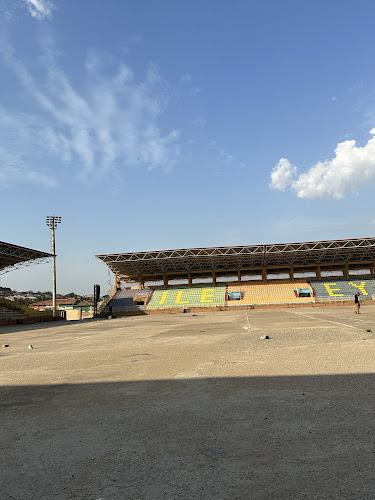
The Ekiti State Pavillion, locally known as Ekiti Kete, represents one of Nigeria's more intriguing cultural and event spaces that most travelers overlook when planning their West African adventures. And honestly, that's a bit of a shame because this arena offers something genuinely different from the typical tourist circuit. The pavilion serves as a multipurpose venue that celebrates Ekiti State's rich heritage while functioning as a modern event space for everything from cultural festivals to corporate gatherings and private celebrations. What strikes visitors first about Ekiti Kete is its commitment to blending traditional Yoruba architectural elements with contemporary functionality. The structure itself tells a story about Ekiti State's journey from its traditional roots into the modern era. I remember speaking with a local guide who explained how the design incorporates symbolic elements from traditional Ekiti craftsmanship, though you'll need to look closely to appreciate these details. The name "Kete" itself holds cultural significance in Yoruba language, referring to a traditional woven mat that brings people together - quite fitting for a space designed to host gatherings. The pavilion has become particularly popular among families looking for venues that can accommodate large groups while maintaining a connection to local culture. Unlike sterile conference centers you might find in major cities, Ekiti Kete retains a warmth and character that makes events feel more personal and grounded. Throughout the year, the venue hosts everything from traditional wedding ceremonies to children's birthday parties, political rallies to cultural exhibitions showcasing Ekiti's famous textile work and agricultural products. But let's be real here - it's not perfect. Some visitors have noted that maintenance could be more consistent, and during peak seasons the facilities can feel a bit stretched. The pavilion attracts considerable foot traffic during major state functions and festivals, which can impact the overall experience if you're hoping for a quieter visit. However, most people who visit come away with positive impressions, particularly appreciating the accessibility features and the genuine efforts to make the space welcoming to all.Key Features
The Ekiti State Pavillion offers several distinctive features that set it apart from similar venues in southwestern Nigeria:- Full wheelchair accessibility throughout the entire venue, including dedicated parking spaces, entrance ramps, and specially designed restroom facilities - a feature that remains surprisingly uncommon in many Nigerian public spaces
- Spacious arena layout that can accommodate various event configurations from theater-style seating to open floor plans for exhibitions and cultural displays
- Child-friendly environment specifically designed to host birthday parties and family celebrations with appropriate safety considerations and space planning
- Clean and well-maintained restroom facilities that meet modern standards - something travelers to Nigeria will appreciate isn't always guaranteed
- Architectural design elements that reflect traditional Ekiti cultural motifs while maintaining contemporary structural integrity
- Flexible event spaces that can be adapted for both intimate gatherings of 50 people or larger state functions accommodating several hundred attendees
- Adequate parking facilities that can handle substantial vehicle traffic during major events without the chaos that often accompanies large gatherings in Nigeria
- Connection to Ekiti State's broader cultural programming, meaning visitors might encounter authentic displays of local arts, crafts, and agricultural products depending on timing
- Reasonable proximity to other Ekiti attractions, making it possible to include in a broader exploration of the state rather than requiring a dedicated trip
- Open-air sections that allow visitors to experience Nigeria's climate while still having covered areas for comfort during rainy season
Best Time to Visit
Timing your visit to Ekiti Kete really depends on what kind of experience you're after, and I'll be straight with you about the trade-offs involved. The pavilion operates year-round, but the experience varies dramatically depending on when you show up. For travelers interested in cultural immersion and authentic local experiences, the best periods align with Ekiti State's major festivals and celebrations. The Ekiti Cultural Festival, typically held during the dry season months, transforms the pavilion into a showcase of traditional music, dance, and craftsmanship. During these times you'll see the space at its most dynamic, with locals dressed in traditional attire and the air filled with drum rhythms and the aroma of local delicacies being prepared. However, be prepared for crowds and higher energy levels that might not suit everyone's travel style. The dry season generally runs from November through March, and these months offer the most comfortable weather for visiting outdoor or semi-outdoor venues like Ekiti Kete. You won't be dealing with the intense humidity and frequent rain showers that characterize other parts of the year. December and January can get particularly busy with holiday events and end-of-year celebrations, so if you prefer a calmer atmosphere, aim for February or early March. But here's something most travel guides won't tell you - visiting during the shoulder seasons of April or October can actually provide a more authentic glimpse into how locals use the space for everyday events rather than just major festivals. You might encounter a local wedding ceremony, a community meeting, or a children's birthday party that offers genuine insight into contemporary Ekiti life. The weather is less predictable during these months, so pack accordingly. The rainy season from April to October presents challenges but also opportunities. The pavilion's covered areas remain functional, and the surrounding landscape becomes lush and green - quite beautiful if you don't mind occasional downpours. Fewer tourists visit during these months, which means you'll have a more intimate experience with the space and more opportunities to interact with local staff and regular users of the facility. Weekends tend to be busier than weekdays regardless of season, as the pavilion hosts numerous private events and celebrations. If you're hoping to explore the space without navigating around a wedding party or corporate function, weekday mornings offer the quietest window.How to Get There
Getting to Ekiti State Pavillion requires a bit of planning, particularly for international travelers unfamiliar with Nigerian transportation networks. The journey itself becomes part of the adventure if you approach it with the right mindset and realistic expectations. Most visitors to Ekiti State begin their journey from Lagos, Nigeria's commercial capital, located roughly 250 kilometers southwest of Ekiti. From Lagos, you have several transportation options, each with distinct advantages and drawbacks. The most comfortable option involves hiring a private car with a driver who knows the route - this typically takes about 4-5 hours depending on traffic conditions and provides flexibility to stop along the way. The roads have improved significantly in recent years, though you'll still encounter sections that test your vehicle's suspension. If you're traveling on a budget, interstate buses depart regularly from major Lagos motor parks heading to Ado-Ekiti, the state capital. These buses are cheaper but less comfortable and operate on fixed schedules that don't always align with travelers' preferred timing. The journey takes roughly the same time as private transport but with less control over stops and routing. From within Ekiti State, local transportation to the pavilion is relatively straightforward. Motorcycle taxis called "okada" are the quickest option for getting around Ado-Ekiti, though safety standards vary considerably. Traditional taxis and ride-hailing services like Bolt have expanded their presence in the city, offering safer though slightly more expensive alternatives. Most local drivers know the pavilion by its local name "Ekiti Kete," so using that terminology will prevent confusion. For travelers coming from other Nigerian cities, Akure Airport in neighboring Ondo State offers the nearest air connection, located about 90 minutes by road from Ado-Ekiti. Small domestic flights connect Akure to Lagos, Abuja, and Port Harcourt. From Akure, you'll need to arrange road transportation to reach Ekiti State. Once you're in the vicinity of the pavilion, navigation becomes easier as it's a recognized landmark. However, having offline maps downloaded on your phone proves invaluable, as mobile data coverage can be spotty in certain areas. Don't rely exclusively on GPS - asking locals for directions remains the most reliable navigation method in Nigeria, and people are generally helpful when approached respectfully.Tips for Visiting
Having spent time exploring various Nigerian cultural venues, I've learned that success depends largely on preparation and maintaining flexible expectations. Here's what will actually make your visit to Ekiti Kete more enjoyable rather than the usual generic travel advice. First off, check ahead about scheduled events. The pavilion functions primarily as an event space rather than a traditional tourist attraction, meaning access and atmosphere vary dramatically depending on what's happening when you arrive. A quick phone call or message to local tourism contacts in Ekiti State can save you from showing up during a private function when public access is restricted. The state tourism board generally knows the major events on the calendar. Dress appropriately for the occasion and climate. If you're visiting during a cultural festival, modest traditional-style clothing shows respect and helps you blend in better. But even for casual visits, Nigerians appreciate when visitors make an effort with their appearance - torn jeans and beach wear won't earn you any points. The climate demands light, breathable fabrics, but pack a light jacket for air-conditioned interior spaces which can get surprisingly cold. Bring cash in small denominations. While Nigeria is increasingly digital, many small vendors and service providers around the pavilion still operate on cash. ATMs in Ekiti can be unreliable, so don't count on withdrawing money once you arrive. Having small bills makes purchasing snacks, paying for parking, or tipping much smoother. Respect photography protocols. While the pavilion itself is generally photo-friendly, always ask permission before photographing people, particularly during private events or cultural ceremonies. Some traditional activities have restrictions around photography that you should honor. Most Nigerians are happy to be photographed if you ask politely first, and this courtesy often leads to genuine interactions and better photos anyway. Plan your visit with buffer time. Nigerian timing operates differently than what you might be used to, and events rarely start exactly when advertised. If you're hoping to attend a specific program at the pavilion, build in extra time and bring something to occupy yourself during inevitable delays. A good book or downloaded entertainment on your phone prevents frustration when things don't run on schedule. The restroom facilities at Ekiti Kete are decent by Nigerian standards, but carrying your own tissue paper and hand sanitizer remains advisable. These small preparations make a significant difference in comfort throughout the day. Engage with locals who use the space regularly. The security guards, maintenance staff, and regular vendors around the pavilion often have fascinating stories about the venue's history and the events they've witnessed over the years. Nigerians are generally sociable and enjoy conversations with respectful foreign visitors - these interactions often provide insights no guidebook can offer. Stay hydrated but be strategic about it. The climate can be intense, especially if you're not acclimated to tropical conditions. However, drinking too much water creates bathroom challenges when you're at a public venue. Find your balance and drink bottled water from sealed containers to avoid health issues. If you're visiting with children, the pavilion accommodates family visits well, but keep a close eye on kids in crowded situations. The child-friendly reputation makes it suitable for families, though Nigerian crowds can be dense and overwhelming for young children not accustomed to that environment. Finally, approach your visit with genuine curiosity rather than rigid expectations. Ekiti Kete isn't going to rival major international venues in terms of polish and amenities, but it offers authentic cultural experiences that are increasingly rare in our globalized world. The imperfections and quirks are part of what makes it memorable - embrace them rather than comparing the pavilion to Western standards.Key Features
- Spacious arena layout that can accommodate various event configurations from theater-style seating to open floor plans for exhibitions and cultural displays
- Child-friendly environment specifically designed to host birthday parties and family celebrations with appropriate safety considerations and space planning
- Clean and well-maintained restroom facilities that meet modern standards - something travelers to Nigeria will appreciate isn't always guaranteed
- Architectural design elements that reflect traditional Ekiti cultural motifs while maintaining contemporary structural integrity
- Flexible event spaces that can be adapted for both intimate gatherings of 50 people or larger state functions accommodating several hundred attendees
- Adequate parking facilities that can handle substantial vehicle traffic during major events without the chaos that often accompanies large gatherings in Nigeria
- Connection to Ekiti State's broader cultural programming, meaning visitors might encounter authentic displays of local arts, crafts, and agricultural products depending on timing
More Details
Updated January 17, 2026
Table of Contents
Description
The Ekiti State Pavillion, locally known as Ekiti Kete, represents one of Nigeria’s more intriguing cultural and event spaces that most travelers overlook when planning their West African adventures. And honestly, that’s a bit of a shame because this arena offers something genuinely different from the typical tourist circuit. The pavilion serves as a multipurpose venue that celebrates Ekiti State’s rich heritage while functioning as a modern event space for everything from cultural festivals to corporate gatherings and private celebrations.
What strikes visitors first about Ekiti Kete is its commitment to blending traditional Yoruba architectural elements with contemporary functionality. The structure itself tells a story about Ekiti State’s journey from its traditional roots into the modern era. I remember speaking with a local guide who explained how the design incorporates symbolic elements from traditional Ekiti craftsmanship, though you’ll need to look closely to appreciate these details. The name “Kete” itself holds cultural significance in Yoruba language, referring to a traditional woven mat that brings people together – quite fitting for a space designed to host gatherings.
The pavilion has become particularly popular among families looking for venues that can accommodate large groups while maintaining a connection to local culture. Unlike sterile conference centers you might find in major cities, Ekiti Kete retains a warmth and character that makes events feel more personal and grounded. Throughout the year, the venue hosts everything from traditional wedding ceremonies to children’s birthday parties, political rallies to cultural exhibitions showcasing Ekiti’s famous textile work and agricultural products.
But let’s be real here – it’s not perfect. Some visitors have noted that maintenance could be more consistent, and during peak seasons the facilities can feel a bit stretched. The pavilion attracts considerable foot traffic during major state functions and festivals, which can impact the overall experience if you’re hoping for a quieter visit. However, most people who visit come away with positive impressions, particularly appreciating the accessibility features and the genuine efforts to make the space welcoming to all.
Key Features
The Ekiti State Pavillion offers several distinctive features that set it apart from similar venues in southwestern Nigeria:
- Full wheelchair accessibility throughout the entire venue, including dedicated parking spaces, entrance ramps, and specially designed restroom facilities – a feature that remains surprisingly uncommon in many Nigerian public spaces
- Spacious arena layout that can accommodate various event configurations from theater-style seating to open floor plans for exhibitions and cultural displays
- Child-friendly environment specifically designed to host birthday parties and family celebrations with appropriate safety considerations and space planning
- Clean and well-maintained restroom facilities that meet modern standards – something travelers to Nigeria will appreciate isn’t always guaranteed
- Architectural design elements that reflect traditional Ekiti cultural motifs while maintaining contemporary structural integrity
- Flexible event spaces that can be adapted for both intimate gatherings of 50 people or larger state functions accommodating several hundred attendees
- Adequate parking facilities that can handle substantial vehicle traffic during major events without the chaos that often accompanies large gatherings in Nigeria
- Connection to Ekiti State’s broader cultural programming, meaning visitors might encounter authentic displays of local arts, crafts, and agricultural products depending on timing
- Reasonable proximity to other Ekiti attractions, making it possible to include in a broader exploration of the state rather than requiring a dedicated trip
- Open-air sections that allow visitors to experience Nigeria’s climate while still having covered areas for comfort during rainy season
Best Time to Visit
Timing your visit to Ekiti Kete really depends on what kind of experience you’re after, and I’ll be straight with you about the trade-offs involved. The pavilion operates year-round, but the experience varies dramatically depending on when you show up.
For travelers interested in cultural immersion and authentic local experiences, the best periods align with Ekiti State’s major festivals and celebrations. The Ekiti Cultural Festival, typically held during the dry season months, transforms the pavilion into a showcase of traditional music, dance, and craftsmanship. During these times you’ll see the space at its most dynamic, with locals dressed in traditional attire and the air filled with drum rhythms and the aroma of local delicacies being prepared. However, be prepared for crowds and higher energy levels that might not suit everyone’s travel style.
The dry season generally runs from November through March, and these months offer the most comfortable weather for visiting outdoor or semi-outdoor venues like Ekiti Kete. You won’t be dealing with the intense humidity and frequent rain showers that characterize other parts of the year. December and January can get particularly busy with holiday events and end-of-year celebrations, so if you prefer a calmer atmosphere, aim for February or early March.
But here’s something most travel guides won’t tell you – visiting during the shoulder seasons of April or October can actually provide a more authentic glimpse into how locals use the space for everyday events rather than just major festivals. You might encounter a local wedding ceremony, a community meeting, or a children’s birthday party that offers genuine insight into contemporary Ekiti life. The weather is less predictable during these months, so pack accordingly.
The rainy season from April to October presents challenges but also opportunities. The pavilion’s covered areas remain functional, and the surrounding landscape becomes lush and green – quite beautiful if you don’t mind occasional downpours. Fewer tourists visit during these months, which means you’ll have a more intimate experience with the space and more opportunities to interact with local staff and regular users of the facility.
Weekends tend to be busier than weekdays regardless of season, as the pavilion hosts numerous private events and celebrations. If you’re hoping to explore the space without navigating around a wedding party or corporate function, weekday mornings offer the quietest window.
How to Get There
Getting to Ekiti State Pavillion requires a bit of planning, particularly for international travelers unfamiliar with Nigerian transportation networks. The journey itself becomes part of the adventure if you approach it with the right mindset and realistic expectations.
Most visitors to Ekiti State begin their journey from Lagos, Nigeria’s commercial capital, located roughly 250 kilometers southwest of Ekiti. From Lagos, you have several transportation options, each with distinct advantages and drawbacks. The most comfortable option involves hiring a private car with a driver who knows the route – this typically takes about 4-5 hours depending on traffic conditions and provides flexibility to stop along the way. The roads have improved significantly in recent years, though you’ll still encounter sections that test your vehicle’s suspension.
If you’re traveling on a budget, interstate buses depart regularly from major Lagos motor parks heading to Ado-Ekiti, the state capital. These buses are cheaper but less comfortable and operate on fixed schedules that don’t always align with travelers’ preferred timing. The journey takes roughly the same time as private transport but with less control over stops and routing.
From within Ekiti State, local transportation to the pavilion is relatively straightforward. Motorcycle taxis called “okada” are the quickest option for getting around Ado-Ekiti, though safety standards vary considerably. Traditional taxis and ride-hailing services like Bolt have expanded their presence in the city, offering safer though slightly more expensive alternatives. Most local drivers know the pavilion by its local name “Ekiti Kete,” so using that terminology will prevent confusion.
For travelers coming from other Nigerian cities, Akure Airport in neighboring Ondo State offers the nearest air connection, located about 90 minutes by road from Ado-Ekiti. Small domestic flights connect Akure to Lagos, Abuja, and Port Harcourt. From Akure, you’ll need to arrange road transportation to reach Ekiti State.
Once you’re in the vicinity of the pavilion, navigation becomes easier as it’s a recognized landmark. However, having offline maps downloaded on your phone proves invaluable, as mobile data coverage can be spotty in certain areas. Don’t rely exclusively on GPS – asking locals for directions remains the most reliable navigation method in Nigeria, and people are generally helpful when approached respectfully.
Tips for Visiting
Having spent time exploring various Nigerian cultural venues, I’ve learned that success depends largely on preparation and maintaining flexible expectations. Here’s what will actually make your visit to Ekiti Kete more enjoyable rather than the usual generic travel advice.
First off, check ahead about scheduled events. The pavilion functions primarily as an event space rather than a traditional tourist attraction, meaning access and atmosphere vary dramatically depending on what’s happening when you arrive. A quick phone call or message to local tourism contacts in Ekiti State can save you from showing up during a private function when public access is restricted. The state tourism board generally knows the major events on the calendar.
Dress appropriately for the occasion and climate. If you’re visiting during a cultural festival, modest traditional-style clothing shows respect and helps you blend in better. But even for casual visits, Nigerians appreciate when visitors make an effort with their appearance – torn jeans and beach wear won’t earn you any points. The climate demands light, breathable fabrics, but pack a light jacket for air-conditioned interior spaces which can get surprisingly cold.
Bring cash in small denominations. While Nigeria is increasingly digital, many small vendors and service providers around the pavilion still operate on cash. ATMs in Ekiti can be unreliable, so don’t count on withdrawing money once you arrive. Having small bills makes purchasing snacks, paying for parking, or tipping much smoother.
Respect photography protocols. While the pavilion itself is generally photo-friendly, always ask permission before photographing people, particularly during private events or cultural ceremonies. Some traditional activities have restrictions around photography that you should honor. Most Nigerians are happy to be photographed if you ask politely first, and this courtesy often leads to genuine interactions and better photos anyway.
Plan your visit with buffer time. Nigerian timing operates differently than what you might be used to, and events rarely start exactly when advertised. If you’re hoping to attend a specific program at the pavilion, build in extra time and bring something to occupy yourself during inevitable delays. A good book or downloaded entertainment on your phone prevents frustration when things don’t run on schedule.
The restroom facilities at Ekiti Kete are decent by Nigerian standards, but carrying your own tissue paper and hand sanitizer remains advisable. These small preparations make a significant difference in comfort throughout the day.
Engage with locals who use the space regularly. The security guards, maintenance staff, and regular vendors around the pavilion often have fascinating stories about the venue’s history and the events they’ve witnessed over the years. Nigerians are generally sociable and enjoy conversations with respectful foreign visitors – these interactions often provide insights no guidebook can offer.
Stay hydrated but be strategic about it. The climate can be intense, especially if you’re not acclimated to tropical conditions. However, drinking too much water creates bathroom challenges when you’re at a public venue. Find your balance and drink bottled water from sealed containers to avoid health issues.
If you’re visiting with children, the pavilion accommodates family visits well, but keep a close eye on kids in crowded situations. The child-friendly reputation makes it suitable for families, though Nigerian crowds can be dense and overwhelming for young children not accustomed to that environment.
Finally, approach your visit with genuine curiosity rather than rigid expectations. Ekiti Kete isn’t going to rival major international venues in terms of polish and amenities, but it offers authentic cultural experiences that are increasingly rare in our globalized world. The imperfections and quirks are part of what makes it memorable – embrace them rather than comparing the pavilion to Western standards.
Key Highlights
- Spacious arena layout that can accommodate various event configurations from theater-style seating to open floor plans for exhibitions and cultural displays
- Child-friendly environment specifically designed to host birthday parties and family celebrations with appropriate safety considerations and space planning
- Clean and well-maintained restroom facilities that meet modern standards – something travelers to Nigeria will appreciate isn't always guaranteed
- Architectural design elements that reflect traditional Ekiti cultural motifs while maintaining contemporary structural integrity
- Flexible event spaces that can be adapted for both intimate gatherings of 50 people or larger state functions accommodating several hundred attendees
- Adequate parking facilities that can handle substantial vehicle traffic during major events without the chaos that often accompanies large gatherings in Nigeria
- Connection to Ekiti State's broader cultural programming, meaning visitors might encounter authentic displays of local arts, crafts, and agricultural products depending on timing
Location
Places to Stay Near EKITI STATE PAVILLION (EKITI KETE)
Find and Book a Tour
Explore More Travel Guides
No reviews found! Be the first to review!
Traveler Reviews for EKITI STATE PAVILLION (EKITI KETE)
There are no reviews yet. Be the first one to write one.
Have you visited EKITI STATE PAVILLION (EKITI KETE)? Help other travelers by sharing your review.
You Might Also Like

Viva Entertainment Cinemas
Diamond Amusement Park

A Division Roundabout
Find Accommodations Nearby
Recommended Tours & Activities
Visitor Reviews
There are no reviews yet. Be the first one to write one.
Share Your Experience
Have you visited EKITI STATE PAVILLION (EKITI KETE)? Help other travelers by leaving a review.