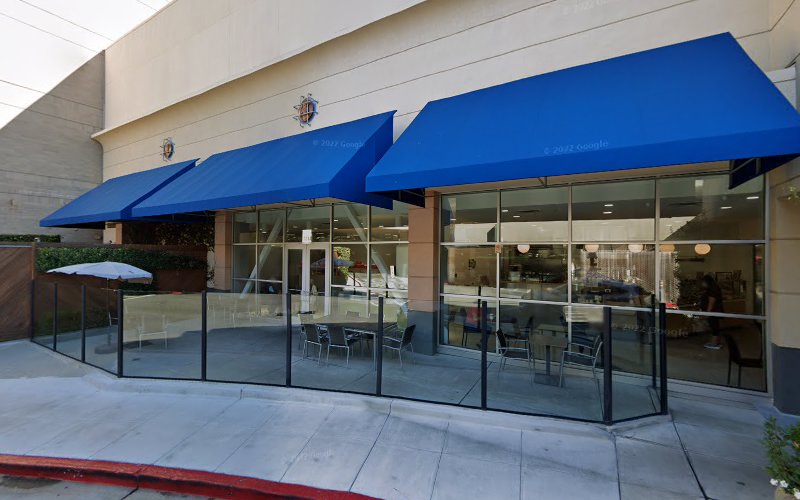
About Dr. David Sabbah, OD | Optical Illusions

Description

When most travelers think about planning their trips, they're busy researching museums, restaurants, and historical landmarks. But here's something you might not have considered - what happens when you're halfway through your vacation and realize you've forgotten your contact lens solution, or worse, you've broken your glasses? That's where Dr. David Sabbah's Optical Illusions comes into play, and honestly, it's become one of those unexpected gems that savvy travelers should know about. Dr. David Sabbah runs an optometry practice that goes beyond just being a clinical space where you get your eyes checked. The name itself - Optical Illusions - hints at something a bit different from your standard eye doctor's office. And let me tell you, whether you're passing through the area or staying for an extended visit, having access to quality eye care can literally make or break your travel experience. I remember once traveling abroad and scratching my cornea on day two of a ten-day trip. The whole vacation became about squinting and discomfort instead of enjoying the sights. That's when I learned that knowing where to find reliable medical professionals, including optometrists, should be part of any thorough travel plan. The practice maintains a professional atmosphere while ensuring visitors feel comfortable and well-cared-for. Dr. Sabbah has built a reputation for thorough examinations and personalized care, which is exactly what you want when you're dealing with something as important as your vision. The feedback from patients consistently points toward positive experiences, with the majority of visitors leaving satisfied with their care and treatment. What makes this particular practice appealing for travelers is the practical approach to patient care. There's an understanding that sometimes eye emergencies don't wait for convenient times, and having a place that takes appointments seriously while also being equipped to handle various payment methods makes life considerably easier when you're on the road.

Key Features

The standout characteristics of Dr. David Sabbah's Optical Illusions make it particularly accessible and convenient for visitors: • Complete wheelchair accessibility throughout the facility, including entrance points, parking areas, and restroom facilities, ensuring all travelers can receive care regardless of mobility considerations • Modern payment processing that accepts credit cards, debit cards, and NFC mobile payments - perfect for travelers who prefer not to carry cash or who rely on digital payment methods • On-site restroom facilities, which might seem basic but becomes incredibly important during longer appointments or when traveling with family members • Professional optometric services delivered by Dr. Sabbah, who brings expertise in comprehensive eye examinations and vision care • Appointment-based system that respects your time and allows you to plan your visit around your travel itinerary • Accommodating approach to various vision needs, from routine checkups to addressing unexpected eye care emergencies that might arise during your travels • Clean, well-maintained facility that meets modern healthcare standards while maintaining a welcoming atmosphere

Best Time to Visit

Timing your visit to an optometrist while traveling requires a different strategy than planning a museum trip. The best time really depends on your specific situation and travel schedule. If you're planning ahead - and this is something I'd genuinely recommend - try scheduling an appointment before you even arrive in the area. Call ahead, explain you're traveling, and see what times work best. Tuesday through Thursday mornings tend to be less hectic at most medical offices, including optometry practices. You'll likely get more face time with the doctor and won't feel rushed through your appointment. But let's be real here. Sometimes eye issues pop up unexpectedly. You wake up with irritation, or your glasses break during a hike. In these cases, calling first thing in the morning often yields same-day or next-day appointments. Monday afternoons can get busy as people deal with weekend emergencies, so keep that in mind. For travelers who wear contacts or glasses and know they'll need supplies during an extended stay, visiting early in your trip makes sense. This way, if there are any issues with prescriptions or if you need to order specific products, you've got time built into your schedule rather than scrambling at the last minute. Seasonal considerations matter less for optometry visits than they do for outdoor attractions, though late fall and early spring sometimes see upticks in eye allergy issues. If you're prone to seasonal eye allergies, factor that into your planning.

How to Get There

Getting to Dr. David Sabbah's practice requires the same navigation skills you'd use for finding any professional medical office in an unfamiliar area. Since you're traveling, you'll probably rely on GPS navigation through your smartphone or rental car system. The practice offers wheelchair accessible parking, which also means the parking situation is designed with accessibility and convenience in mind. This typically indicates adequate space and clear access routes from parking areas to the entrance. For travelers using rideshare services like Uber or Lyft, the accessible entrance makes drop-off and pickup straightforward. If you're staying at a hotel in the area, ask the concierge about the best route and estimated travel time. They often know about traffic patterns and can suggest optimal departure times. And here's a tip from personal experience - always add an extra 15 minutes to whatever GPS tells you, especially if you're in an unfamiliar area. The last thing you want is to be stressed about being late for a medical appointment. Public transportation might be an option depending on the specific location. Check local transit apps or websites to see if bus routes serve the area. Medical facilities are often situated along main transit corridors, though you'll want to verify this for your specific situation. For international travelers or those from out of state, understanding that this is a professional medical office means dressing appropriately isn't a concern - come as you are. But do bring your insurance information, current prescriptions, and any existing eyewear you use.

Tips for Visiting

Here's where I can share some hard-earned wisdom about visiting optometrists while traveling, because I've learned these lessons through trial and error over the years. First and absolutely most important - bring documentation. Your current eyeglass prescription, contact lens prescription, insurance cards, and a list of any medications you take should all come with you. I once showed up to an eye appointment while traveling without my prescription information, and it turned a simple contact lens replacement into a multi-day ordeal. Don't be like past me. Schedule your appointment strategically within your travel plans. If Dr. Sabbah dilates your eyes during the examination, you'll need someone else to drive and you'll be light-sensitive for several hours. Plan accordingly - this isn't the afternoon to visit that sunny botanical garden you've been excited about. Take advantage of the multiple payment options available. But also call ahead to verify that your specific insurance is accepted if you're planning to use it. Travel insurance sometimes covers emergency medical needs including vision care, so check your policy before assuming you'll pay out of pocket. The wheelchair accessibility features benefit everyone, not just wheelchair users. If you're traveling with young children, strollers navigate accessible spaces much easier. If you've got luggage because you're fitting this appointment between other destinations, the accessible entrance typically means wider doorways and easier maneuvering. Arrive about 10 minutes early for your appointment. This gives you time to complete any necessary paperwork without rushing, use the restroom if needed, and collect yourself before the examination. Medical appointments while traveling can feel stressful, and giving yourself this buffer helps tremendously. Communicate clearly about your timeline. Let the staff know you're traveling and if you have any time constraints. They can often work with you to ensure you get the care you need within your schedule. Medical professionals generally appreciate when patients are upfront about their situations. If you need to purchase glasses or contacts, ask about expedited options. Some practices can rush orders for travelers who need their eyewear quickly. Yes, it might cost extra, but being able to see clearly for the rest of your trip is worth it. Consider asking Dr. Sabbah for a written copy of your prescription even if you're not purchasing eyewear there. Having this documentation can be invaluable if issues arise later in your travels or when you return home. And finally, don't hesitate to ask questions. Whether it's about local recommendations for eyewear stores, clarification about your vision health, or advice about managing eye care while traveling, the appointment is your time. Dr. Sabbah and the staff are there to help you, so make the most of it.

Key Features

  • Key Features
  • Best Time to Visit
  • How to Get There
  • Tips for Visiting

More Details

Updated March 30, 2026

Description

When most travelers think about planning their trips, they’re busy researching museums, restaurants, and historical landmarks. But here’s something you might not have considered – what happens when you’re halfway through your vacation and realize you’ve forgotten your contact lens solution, or worse, you’ve broken your glasses? That’s where Dr. David Sabbah’s Optical Illusions comes into play, and honestly, it’s become one of those unexpected gems that savvy travelers should know about.

Dr. David Sabbah runs an optometry practice that goes beyond just being a clinical space where you get your eyes checked. The name itself – Optical Illusions – hints at something a bit different from your standard eye doctor’s office. And let me tell you, whether you’re passing through the area or staying for an extended visit, having access to quality eye care can literally make or break your travel experience.

I remember once traveling abroad and scratching my cornea on day two of a ten-day trip. The whole vacation became about squinting and discomfort instead of enjoying the sights. That’s when I learned that knowing where to find reliable medical professionals, including optometrists, should be part of any thorough travel plan.

The practice maintains a professional atmosphere while ensuring visitors feel comfortable and well-cared-for. Dr. Sabbah has built a reputation for thorough examinations and personalized care, which is exactly what you want when you’re dealing with something as important as your vision. The feedback from patients consistently points toward positive experiences, with the majority of visitors leaving satisfied with their care and treatment.

What makes this particular practice appealing for travelers is the practical approach to patient care. There’s an understanding that sometimes eye emergencies don’t wait for convenient times, and having a place that takes appointments seriously while also being equipped to handle various payment methods makes life considerably easier when you’re on the road.

Key Features

The standout characteristics of Dr. David Sabbah’s Optical Illusions make it particularly accessible and convenient for visitors:

• Complete wheelchair accessibility throughout the facility, including entrance points, parking areas, and restroom facilities, ensuring all travelers can receive care regardless of mobility considerations

• Modern payment processing that accepts credit cards, debit cards, and NFC mobile payments – perfect for travelers who prefer not to carry cash or who rely on digital payment methods

• On-site restroom facilities, which might seem basic but becomes incredibly important during longer appointments or when traveling with family members

• Professional optometric services delivered by Dr. Sabbah, who brings expertise in comprehensive eye examinations and vision care

• Appointment-based system that respects your time and allows you to plan your visit around your travel itinerary

• Accommodating approach to various vision needs, from routine checkups to addressing unexpected eye care emergencies that might arise during your travels

• Clean, well-maintained facility that meets modern healthcare standards while maintaining a welcoming atmosphere

Best Time to Visit

Timing your visit to an optometrist while traveling requires a different strategy than planning a museum trip. The best time really depends on your specific situation and travel schedule.

If you’re planning ahead – and this is something I’d genuinely recommend – try scheduling an appointment before you even arrive in the area. Call ahead, explain you’re traveling, and see what times work best. Tuesday through Thursday mornings tend to be less hectic at most medical offices, including optometry practices. You’ll likely get more face time with the doctor and won’t feel rushed through your appointment.

But let’s be real here. Sometimes eye issues pop up unexpectedly. You wake up with irritation, or your glasses break during a hike. In these cases, calling first thing in the morning often yields same-day or next-day appointments. Monday afternoons can get busy as people deal with weekend emergencies, so keep that in mind.

For travelers who wear contacts or glasses and know they’ll need supplies during an extended stay, visiting early in your trip makes sense. This way, if there are any issues with prescriptions or if you need to order specific products, you’ve got time built into your schedule rather than scrambling at the last minute.

Seasonal considerations matter less for optometry visits than they do for outdoor attractions, though late fall and early spring sometimes see upticks in eye allergy issues. If you’re prone to seasonal eye allergies, factor that into your planning.

How to Get There

Getting to Dr. David Sabbah’s practice requires the same navigation skills you’d use for finding any professional medical office in an unfamiliar area. Since you’re traveling, you’ll probably rely on GPS navigation through your smartphone or rental car system.

The practice offers wheelchair accessible parking, which also means the parking situation is designed with accessibility and convenience in mind. This typically indicates adequate space and clear access routes from parking areas to the entrance. For travelers using rideshare services like Uber or Lyft, the accessible entrance makes drop-off and pickup straightforward.

If you’re staying at a hotel in the area, ask the concierge about the best route and estimated travel time. They often know about traffic patterns and can suggest optimal departure times. And here’s a tip from personal experience – always add an extra 15 minutes to whatever GPS tells you, especially if you’re in an unfamiliar area. The last thing you want is to be stressed about being late for a medical appointment.

Public transportation might be an option depending on the specific location. Check local transit apps or websites to see if bus routes serve the area. Medical facilities are often situated along main transit corridors, though you’ll want to verify this for your specific situation.

For international travelers or those from out of state, understanding that this is a professional medical office means dressing appropriately isn’t a concern – come as you are. But do bring your insurance information, current prescriptions, and any existing eyewear you use.

Tips for Visiting

Here’s where I can share some hard-earned wisdom about visiting optometrists while traveling, because I’ve learned these lessons through trial and error over the years.

First and absolutely most important – bring documentation. Your current eyeglass prescription, contact lens prescription, insurance cards, and a list of any medications you take should all come with you. I once showed up to an eye appointment while traveling without my prescription information, and it turned a simple contact lens replacement into a multi-day ordeal. Don’t be like past me.

Schedule your appointment strategically within your travel plans. If Dr. Sabbah dilates your eyes during the examination, you’ll need someone else to drive and you’ll be light-sensitive for several hours. Plan accordingly – this isn’t the afternoon to visit that sunny botanical garden you’ve been excited about.

Take advantage of the multiple payment options available. But also call ahead to verify that your specific insurance is accepted if you’re planning to use it. Travel insurance sometimes covers emergency medical needs including vision care, so check your policy before assuming you’ll pay out of pocket.

The wheelchair accessibility features benefit everyone, not just wheelchair users. If you’re traveling with young children, strollers navigate accessible spaces much easier. If you’ve got luggage because you’re fitting this appointment between other destinations, the accessible entrance typically means wider doorways and easier maneuvering.

Arrive about 10 minutes early for your appointment. This gives you time to complete any necessary paperwork without rushing, use the restroom if needed, and collect yourself before the examination. Medical appointments while traveling can feel stressful, and giving yourself this buffer helps tremendously.

Communicate clearly about your timeline. Let the staff know you’re traveling and if you have any time constraints. They can often work with you to ensure you get the care you need within your schedule. Medical professionals generally appreciate when patients are upfront about their situations.

If you need to purchase glasses or contacts, ask about expedited options. Some practices can rush orders for travelers who need their eyewear quickly. Yes, it might cost extra, but being able to see clearly for the rest of your trip is worth it.

Consider asking Dr. Sabbah for a written copy of your prescription even if you’re not purchasing eyewear there. Having this documentation can be invaluable if issues arise later in your travels or when you return home.

And finally, don’t hesitate to ask questions. Whether it’s about local recommendations for eyewear stores, clarification about your vision health, or advice about managing eye care while traveling, the appointment is your time. Dr. Sabbah and the staff are there to help you, so make the most of it.

Key Highlights

  • Key Features
  • Best Time to Visit
  • How to Get There
  • Tips for Visiting

Location

Places to Stay Near Dr. David Sabbah, OD | Optical Illusions

Find and Book a Tour

Explore More Travel Guides

No reviews found! Be the first to review!

Dr. David Sabbah, OD | Optical Illusions is a prominent Optometrist located in San Mateo.

Traveler Reviews for Dr. David Sabbah, OD | Optical Illusions

There are no reviews yet. Be the first one to write one.

Share Your Experience

Have you visited Dr. David Sabbah, OD | Optical Illusions? Help other travelers by sharing your review.

Find Accommodations Nearby

Recommended Tours & Activities

Visitor Reviews

There are no reviews yet. Be the first one to write one.

Share Your Experience

Have you visited Dr. David Sabbah, OD | Optical Illusions? Help other travelers by leaving a review.