
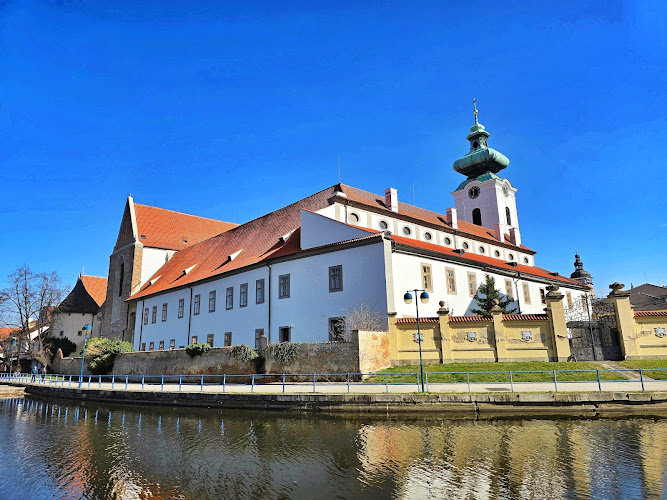
Dominican monastery
About Dominican monastery
Description
The Dominican monastery stands as a quietly powerful slice of history, where centuries of faith, art, and architecture converge in a way that feels both grand and intimate. It’s not just a building; it’s a storybook of lives lived, prayers whispered, and communities shaped over time. Walking through its halls, you can almost hear echoes of monks’ chants and catch glimpses of the past in the weathered stone and intricate carvings. It’s a place that invites reflection, but also curiosity—there’s this undeniable pull to explore every nook, every shadowed corner.
Now, it’s not without its quirks. Some visitors find the solemn vibe a bit heavy, or the guided tours a tad too scripted. But honestly, that’s part of its charm. It’s not a flashy theme park; it’s a sanctuary that asks you to slow down and soak in the details—the delicate frescoes, the soaring vaulted ceilings, and that almost tangible sense of peace. For travelers who dig history and spirituality, it’s a rewarding stop that feels like stepping back in time without losing touch with the present.
And here’s a little nugget not everyone knows: the monastery has a small, tucked-away garden where you can sit and watch the light filter through ancient olive trees. It’s a quiet spot perfect for catching your breath after wandering through the stone corridors. Honestly, that garden was my favorite part—unexpectedly peaceful and a lovely escape from the buzz of nearby streets.
Key Features
- Stunning Gothic and Renaissance architecture showcasing centuries of craftsmanship
- Beautifully preserved cloisters perfect for a contemplative stroll
- Intricate frescoes and religious artworks that tell stories beyond words
- Quiet garden spaces offering a serene retreat amidst the historic setting
- On-site chapel with remarkable stained glass windows that cast colorful light
- Informative guided tours that dive into the monastery’s rich history and cultural significance
- Occasional live choral performances that bring the space alive with sound
Best Time to Visit
Picking the right time to visit can really make or break your experience here. Spring and early autumn are absolute winners—mild weather, fewer crowds, and that golden light that just makes everything look better. Summer can get a bit overwhelming, not just because of the heat but also the influx of tourists. If you’re like me and prefer a more laid-back vibe, avoid the peak months. Winters are quieter, sure, but some areas might be less accessible or have shorter opening hours.
Also, if you can, try to time your visit around one of the monastery’s special events or religious festivals. They add a layer of local color and authenticity that’s hard to find otherwise. Just a heads-up: weekends tend to be busier, so a weekday trip often means a more personal and peaceful visit.
How to Get There
Getting to the monastery is pretty straightforward, but it depends a bit on where you’re coming from. If you’re in the city center, it’s a short taxi or bus ride away, and honestly, walking is doable if you’re up for a bit of a stroll with some charming streets along the way. For those coming from further out, regional trains or buses connect well, but you might need a taxi for the last leg, especially if you want to avoid long waits or transfers.
Parking is limited around the monastery, so if you’re driving, be prepared to park a bit farther away and enjoy a short walk. Public transport is generally the way to go if you want to skip the hassle. And pro tip: download a local transit app or check schedules in advance because services can be a bit spotty on holidays or late afternoons.
Tips for Visiting
First off, wear comfortable shoes. The floors are mostly stone and uneven in spots, and you’ll want to explore without worrying about blisters. Bring a light scarf or shawl if you plan to visit the chapel or attend services—some areas require modest dress, and it’s respectful to follow those customs.
Don’t rush. Seriously, give yourself at least a couple of hours to wander, sit, and just take it all in. I’ve seen folks breeze through in 30 minutes and miss half the magic. If you can, join a guided tour—yes, it might feel a bit touristy, but the stories and little details you pick up are worth it. And if you’re lucky enough to catch a choral performance, grab a seat early; the acoustics are something else.
Photography is generally allowed, but flash and tripods are a no-go. Be mindful of other visitors and the contemplative atmosphere. Oh, and there’s a small café nearby that serves surprisingly good coffee and pastries—perfect for a post-visit treat and some people-watching.
Finally, check the opening hours before you go. They can vary, especially around holidays or special events. And if you’re visiting during a religious ceremony, remember it’s a living place of worship, so keep noise to a minimum and respect the space.
Key Features
- Stunning Gothic and Renaissance architecture showcasing centuries of craftsmanship
- Beautifully preserved cloisters perfect for a contemplative stroll
- Intricate frescoes and religious artworks that tell stories beyond words
- Quiet garden spaces offering a serene retreat amidst the historic setting
- On-site chapel with remarkable stained glass windows that cast colorful light
- Informative guided tours that dive into the monastery’s rich history and cultural significance
- Occasional live choral performances that bring the space alive with sound
More Details
Updated July 16, 2025
Table of Contents
Description
The Dominican monastery stands as a quietly powerful slice of history, where centuries of faith, art, and architecture converge in a way that feels both grand and intimate. It’s not just a building; it’s a storybook of lives lived, prayers whispered, and communities shaped over time. Walking through its halls, you can almost hear echoes of monks’ chants and catch glimpses of the past in the weathered stone and intricate carvings. It’s a place that invites reflection, but also curiosity—there’s this undeniable pull to explore every nook, every shadowed corner.
Now, it’s not without its quirks. Some visitors find the solemn vibe a bit heavy, or the guided tours a tad too scripted. But honestly, that’s part of its charm. It’s not a flashy theme park; it’s a sanctuary that asks you to slow down and soak in the details—the delicate frescoes, the soaring vaulted ceilings, and that almost tangible sense of peace. For travelers who dig history and spirituality, it’s a rewarding stop that feels like stepping back in time without losing touch with the present.
And here’s a little nugget not everyone knows: the monastery has a small, tucked-away garden where you can sit and watch the light filter through ancient olive trees. It’s a quiet spot perfect for catching your breath after wandering through the stone corridors. Honestly, that garden was my favorite part—unexpectedly peaceful and a lovely escape from the buzz of nearby streets.
Key Features
- Stunning Gothic and Renaissance architecture showcasing centuries of craftsmanship
- Beautifully preserved cloisters perfect for a contemplative stroll
- Intricate frescoes and religious artworks that tell stories beyond words
- Quiet garden spaces offering a serene retreat amidst the historic setting
- On-site chapel with remarkable stained glass windows that cast colorful light
- Informative guided tours that dive into the monastery’s rich history and cultural significance
- Occasional live choral performances that bring the space alive with sound
Best Time to Visit
Picking the right time to visit can really make or break your experience here. Spring and early autumn are absolute winners—mild weather, fewer crowds, and that golden light that just makes everything look better. Summer can get a bit overwhelming, not just because of the heat but also the influx of tourists. If you’re like me and prefer a more laid-back vibe, avoid the peak months. Winters are quieter, sure, but some areas might be less accessible or have shorter opening hours.
Also, if you can, try to time your visit around one of the monastery’s special events or religious festivals. They add a layer of local color and authenticity that’s hard to find otherwise. Just a heads-up: weekends tend to be busier, so a weekday trip often means a more personal and peaceful visit.
How to Get There
Getting to the monastery is pretty straightforward, but it depends a bit on where you’re coming from. If you’re in the city center, it’s a short taxi or bus ride away, and honestly, walking is doable if you’re up for a bit of a stroll with some charming streets along the way. For those coming from further out, regional trains or buses connect well, but you might need a taxi for the last leg, especially if you want to avoid long waits or transfers.
Parking is limited around the monastery, so if you’re driving, be prepared to park a bit farther away and enjoy a short walk. Public transport is generally the way to go if you want to skip the hassle. And pro tip: download a local transit app or check schedules in advance because services can be a bit spotty on holidays or late afternoons.
Tips for Visiting
First off, wear comfortable shoes. The floors are mostly stone and uneven in spots, and you’ll want to explore without worrying about blisters. Bring a light scarf or shawl if you plan to visit the chapel or attend services—some areas require modest dress, and it’s respectful to follow those customs.
Don’t rush. Seriously, give yourself at least a couple of hours to wander, sit, and just take it all in. I’ve seen folks breeze through in 30 minutes and miss half the magic. If you can, join a guided tour—yes, it might feel a bit touristy, but the stories and little details you pick up are worth it. And if you’re lucky enough to catch a choral performance, grab a seat early; the acoustics are something else.
Photography is generally allowed, but flash and tripods are a no-go. Be mindful of other visitors and the contemplative atmosphere. Oh, and there’s a small café nearby that serves surprisingly good coffee and pastries—perfect for a post-visit treat and some people-watching.
Finally, check the opening hours before you go. They can vary, especially around holidays or special events. And if you’re visiting during a religious ceremony, remember it’s a living place of worship, so keep noise to a minimum and respect the space.
Key Highlights
- Stunning Gothic and Renaissance architecture showcasing centuries of craftsmanship
- Beautifully preserved cloisters perfect for a contemplative stroll
- Intricate frescoes and religious artworks that tell stories beyond words
- Quiet garden spaces offering a serene retreat amidst the historic setting
- On-site chapel with remarkable stained glass windows that cast colorful light
- Informative guided tours that dive into the monastery’s rich history and cultural significance
- Occasional live choral performances that bring the space alive with sound
Location
Places to Stay Near Dominican monastery
Find and Book a Tour
Explore More Travel Guides
No reviews found! Be the first to review!
Traveler Reviews for Dominican monastery
There are no reviews yet. Be the first one to write one.
Have you visited Dominican monastery? Help other travelers by sharing your review.
You Might Also Like

Town hall in České Budějovice
Church/Temple of the Sacrifice of the Virgin Mary

Rabenštejnská 2020
Find Accommodations Nearby
Recommended Tours & Activities
Visitor Reviews
There are no reviews yet. Be the first one to write one.
Share Your Experience
Have you visited Dominican monastery? Help other travelers by leaving a review.