
Dinosaurio lago
About Dinosaurio lago
Key Features
More Details
Updated April 15, 2024
UVM
# Dinosaurio Lago (Lago de Guadalupe, Cuautitlán Izcalli): what this “dinosaur” landmark really is—and what to expect
If you’re searching for Dinosaurio lago in Cuautitlán Izcalli (Estado de México), you’re likely looking for a dinosaur structure associated online with the former Plaza Show amusement park—a place that multiple retrospective sources describe as having had an iconic “walk-inside” dinosaur attraction.
This post uses the listing details provided: JPJX+C7, Lago de Guadalupe, 54766 Cuautitlán Izcalli, Méx., Mexico, coordinates 19.631037, -99.2518622, and a provided rating of 5/5.
## Quick facts (based on verifiable sources)
– Where you are: Lago de Guadalupe / Presa Guadalupe area, Cuautitlán Izcalli, Estado de México.
– Why it matters: Lago de Guadalupe was declared a state park protected natural area (“Santuario del Agua y Forestal Presa Guadalupe”) by the Government of the State of Mexico on October 13, 2004.
– Protected-area surface (as stated in the 2004 declaratoria): 1,750-38-47.8 hectares, including the water body and surrounding zones; the text also states a 17.5 km perimeter for the body of water.
– Why some visitors search “Dinosaurio”: Wikipedia’s list of defunct amusement parks notes “Plaza Show, Lago de Guadalupe, Dinosaur Park” and says it is now a university (UVM Lago de Guadalupe).
## What is “Dinosaurio lago”?
The most consistent explanation across sources is that “Dinosaurio lago” refers to a large dinosaur sculpture/structure linked to Plaza Show, an amusement park that operated at Lago de Guadalupe and is now associated with the UVM Lago de Guadalupe area.
A Mexican nostalgia/history blog describes Plaza Show as opening in 1982 and highlights the dinosaur as the park’s most iconic feature—describing it as something you could enter to see “organs” like bones, stomach, and lungs. The same source adds a key practical point: it says the dinosaur still exists, but is not accessible to the public because the land is now a university. Ochentosas y Anteriores MX
Separately, the Instagram account “Plaza Show Retro” describes itself as documenting the park and explicitly says the dinosaur is now property of UVM and references the “interior del dinosaurio.”
### What you should not assume
Because much of the dinosaur-specific information comes from retrospective posts, community pages, and blogs, you should not assume:
– you can freely access it,
– you can enter it,
– it’s an official public attraction with posted hours or tickets.
The most defensible expectation is that it’s near/within university property and may be restricted. Ochentosas y Anteriores MX
## How to plan a visit without wasting time
### 1) Treat access as “maybe,” not “guaranteed”
Before you go, plan around two scenarios:
– Best case: you can see the dinosaur from outside a fence/edge of campus, take photos from a public right-of-way, and continue your lake walk.
– Common case: you can’t access the dinosaur area because it’s within or behind campus controls. Ochentosas y Anteriores MX
If seeing the dinosaur is your main goal, consider contacting the campus (or checking official campus info) first, rather than “just showing up.”
### 2) Build your outing around Lago de Guadalupe itself
Even if the dinosaur is inaccessible, Lago de Guadalupe is significant as a protected area under the Parque Estatal “Santuario del Agua y Forestal Presa Guadalupe.”
That means your backup plan can still be worthwhile:
– lakeside viewpoints (where available)
– short walks along accessible edges
– birdwatching spots (where the shoreline is safe and open)
### 3) Be realistic about water quality and contact
A 2024 report in La Jornada Estado de México describes residents requesting intervention to “rescue” the reservoir and states that it receives wastewater discharges from nearby municipalities, describing the lake as highly contaminated (as reported in the piece). Jornada Estado de México
Practical takeaway: avoid swimming or wading and treat shoreline mud as potentially contaminated—especially after rain.
## The Lago de Guadalupe backstory (why this lake shows up in environmental headlines)
### Protected status (what the decree actually says)
The State of Mexico’s official gazette (Gaceta del Gobierno) includes a declaratoria that establishes the protected natural area with the category of Parque Estatal for “Santuario del Agua y Forestal Presa Guadalupe,” located in Cuautitlán Izcalli and Nicolás Romero.
The same text specifies the protected area’s size (1,750-38-47.8 hectares) and references a 17.5 km perimeter for the water body.
### Ongoing pressure: contamination + development
The 2024 La Jornada Estado de México piece also reports concerns about:
– continued contamination,
– perceived declining wildlife presence,
– and local worries about new housing development near areas considered “no urbanizable” (as described in the article). Jornada Estado de México
These details matter for visitors because they explain why the lake can look and smell different depending on season and inflows—and why some areas may be under community scrutiny.
## What you can do here (that doesn’t rely on “tourist infrastructure”)
### A short “dinosaur + lake” loop (best for first-timers)
– Stop 1: Attempt to locate the dinosaur landmark from publicly accessible areas near the provided plus code/coordinates (do not trespass; respect campus boundaries).
– Stop 2: Shift to a lakeside walk/viewpoint: aim for open, established paths and avoid unstable edges.
– Stop 3: Bring binoculars if you’re into birds. A 2017 municipal-style press release reposted by Izcalli.info claims migratory birds arrive December–March; treat this as dated and verify with recent local reporting or community groups before traveling specifically for birding.
### A nature-first angle (if you’re researching restoration)
An NGO page about the area describes Lago de Guadalupe as a significant local water body and mentions a pollinator corridor along the lake edge, plus wildlife such as birds and turtles (as described on that page).
This is useful framing if you’re visiting as a photographer or sustainability-minded traveler—but remember that conditions can shift year to year.
## Accessibility & inclusivity notes (what we can and can’t verify)
I did not find a reliable, official source confirming:
– accessible paths to the dinosaur,
– ramps/parking/bathrooms for the dinosaur site,
– or universally accessible shoreline routes.
Given the likely campus-adjacent location and the mixed-use environment around the reservoir, plan for:
– uneven ground,
– limited shade in some areas,
– and the possibility that the most interesting viewpoints require stairs or rough paths.
If you travel with mobility devices, the best strategy is to prioritize paved public edges and treat any “shortcut” trails as optional.
## Outdated data flags (read this before you publish or visit)
– Water level/capacity claims (e.g., “50–60%”) in news reports are snapshots and can change quickly with rainfall and drought cycles. Jornada Estado de México
– Wildlife seasonality (like the 2017 December–March migration note) may still be directionally useful, but it’s not a current-year guarantee.
– Access to the dinosaur appears restricted in at least one retrospective source; treat any “you can enter it” claims online as unverified unless backed by current, official permission. Ochentosas y Anteriores MX
## Two internal-link placements (editor-ready)
– Internal link #1 (context): “More quick stops in Cuautitlán Izcalli” → link to your Cuautitlán Izcalli hub/category page.
– Internal link #2 (broader planning): “Day trips from Mexico City (Estado de México ideas)” → link to your day-trip roundup (focus on north-of-CDMX options).
## Bottom line
Dinosaurio lago is best approached as a local curiosity tied to Plaza Show’s history, with a real chance that the dinosaur structure is visible but not publicly accessible.
Build your visit around Lago de Guadalupe’s protected-area significance, go in daylight, avoid water contact, and consider the dinosaur a bonus rather than the whole plan.
Table of Contents
Key Highlights
Dinosaurio lago
Location
Places to Stay Near Dinosaurio lago
Find and Book a Tour
Explore More Travel Guides
No reviews found! Be the first to review!
Traveler Reviews for Dinosaurio lago
There are no reviews yet. Be the first one to write one.
Have you visited Dinosaurio lago? Help other travelers by sharing your review.
You Might Also Like
Ceiba Park

Recreativo San Martín Caballero Park
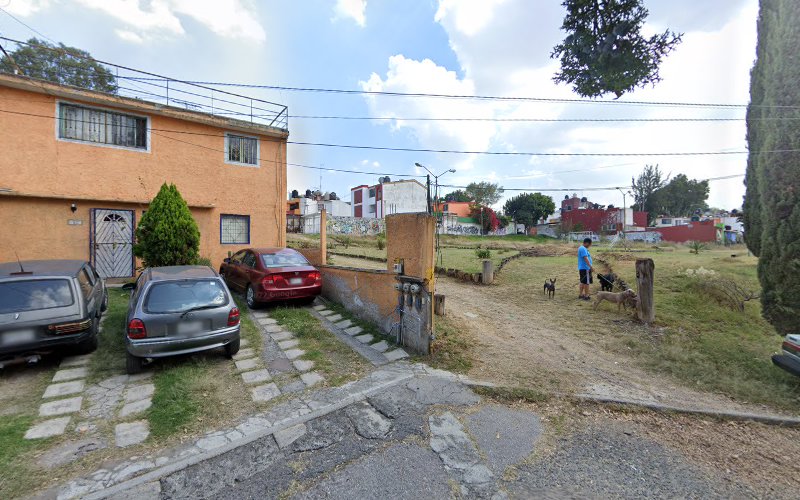
Lago de Guadalupe Park
Find Accommodations Nearby
Recommended Tours & Activities
Visitor Reviews
There are no reviews yet. Be the first one to write one.
Share Your Experience
Have you visited Dinosaurio lago? Help other travelers by leaving a review.