
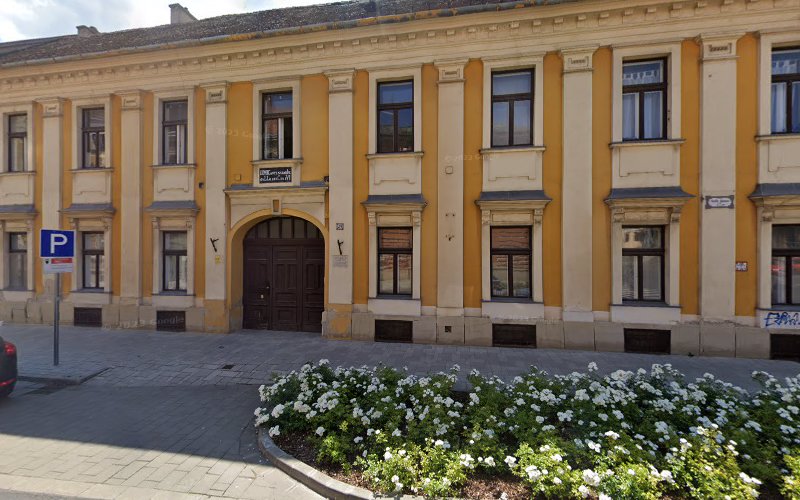
Dimicante-ház
About Dimicante-ház
Description
If you’re a curious traveler (and hey, aren’t we all, at least sometimes?), the Dimicante-ház might push your adventure buttons in some unexpected ways. This isn’t your flashy, Instagram-tailored site—no neon signs or selfie queues in sight. It’s quite the opposite, actually. History settles here quietly. Seriously, you can almost feel it in the stone walls and timeworn floors—a kind of honest, lived-in history that doesn’t scream for attention but rewards anyone patient enough to pay attention.
What I love about the Dimicante-ház is that it doesn’t try to shed its past or polish it into some tourist caricature. Instead, it lets its quirks and old bones breathe. You won’t just find a structure; you’ll step into centuries of laughter, arguments, renovations (probably a few questionable design choices, let’s be real), and stories echoing off the plaster.
Also, big points in my book: it’s actually interesting for kids. I’m a parent, and finding a place where my daughter isn’t bored out of her mind is like winning a small lottery. There’s enough “eye-candy” in the form of historic touches and engaging bits about local customs—nothing too stuffy, and certainly not so precious you feel like you have to tip-toe through each room holding your breath. Instead, it’s that rare breed of cultural heritage spot that manages to align being educational and inviting at the same time.
There’s usually a gentle shuffle of locals and travelers, and you’ll probably cross paths with a guide or volunteer happy to chat if you’re up for it. And let me tell you, if you’re the sort to ask questions—a little nudge from me, you should—you’ll walk away knowing things you couldn’t have picked up just scrolling on your phone. Stories about Szombathely’s not-so-distant past, juicy anecdotes from a bygone era, and maybe, if you’re lucky, a few offbeat mysteries.
Long story short: Dimicante-ház is one of those places with more layers than a good onion soup. If you’re in Szombathely and craving more than pasteurized postcard shots, I’d absolutely make time for it.
Key Features
- Authentic Heritage Experience: The building is a hands-on history lesson, preserving a slice of Szombathely’s cultural identity that feels genuine, not tourist-trap slick.
- Family Friendly Atmosphere: Kids are not just tolerated—they’re welcomed. Interactive displays and storytelling keep younger visitors engaged (and parents sane).
- Architectural Curiosities: If unusual layouts, creaky floors, or charmingly crooked staircases excite you, you’re in for a treat. Every corner has something to discover, whether it’s a faded mural or hidden alcove.
- Warm Local Connections: Often staffed by those who actually live (and grew up) nearby, you’ll get anecdotes and perspectives you just can’t Google. Seriously, ask them anything—folks here love to talk (in the best way).
- Cultural Preservation: Exhibits shine a light on old traditions—some weird, some wonderful, some both. You’ll get genuine insight into regional crafts, tastes, and quirks.
- Laid-Back Ambiance: No crowds hustling you along. You can take things at your own pace, and pause where things grab your attention.
- Accessible For All Ages: Whether you’re rolling through with a stroller, or helping grandma up a gentle step, accessibility is thoughtfully considered here.
- Photogenic But Understated: Sure, it won’t explode your feed—but if you’re after those rare, honest photos, you’ll find spots that tell a richer story than any filter could.
- Seasonal Events & Workshops: Sometimes they host workshops—think old-school crafts or food tastings. If you time it right, you might luck into something extra special.
Best Time to Visit
I won’t sugarcoat it—Dimicante-ház is worth visiting year-round, but let’s get specific, because that’s where the planning magic happens. From my experience (and if you’re into skipping crowds and getting the “real feel”), mid-spring and early autumn win hands down. That’s when Szombathely puts on its best mood: blooming gardens out front in April and May, and that dreamy coppery light slipping through in September. Less foot traffic means more breathing space, more chatty staff, and that lovely, slow wandering that makes travel memories stick.
Now, summertime does crank up the energy, both temperature-wise and people-wise. That can be fun—street life bubbles, kids let loose, and impromptu outdoor gigs sometimes spill over from nearby squares. Just expect the main rooms to be a little busier, and maybe pack a water bottle (this is Hungary, and the heat can sneak up on you).
Winter’s its own creature: not a postcard winter wonderland, but something more low-key and even a bit cozy, especially if you’re someone who likes quiet spaces and the sound of your shoes echoing against old stone. You’ll practically get the place to yourself.
And a side note for you last-minute planners—Dimicante-ház isn’t usually mobbed, so you don’t need to book weeks in advance or wake at dawn. That said, always best to check holiday hours, especially around major Hungarian holidays when you might find the doors closed for a well-deserved staff break.
How to Get There
Ah, the logistics—always the necessary reality check when your daydreaming starts getting ahead of itself. First off, Szombathely itself is well-connected and pleasantly manageable for visitors not wanting to wrangle big-city traffic chaos.
If you’re coming in by train (my personal favorite; there’s something endlessly calming about watching the scenery roll by from those old Hungarian carriages), the main station is a reasonable stroll away—call it about 15-20 minutes if you’re walking at a not-in-a-rush pace, with just enough side streets and café windows to keep your attention. Taxis and local buses are straightforward—no need for high-level Hungarian, as “Dimicante-ház” is well-known among local drivers, and the signage is relatively clear, especially if you can fake a confident smile.
For those driving, parking isn’t a horror show, but it can get a little tight on busy weekends. Street parking’s usually available nearby, just keep your coins handy for the meters (or download one of those handy parking apps they keep inventing).
Cycling? Absolutely doable—and, honestly, highly recommended if you want to see a side of Szombathely that’s just a smidge off the main road. The bike paths aren’t as pristine as Amsterdam but they’ve got character and take you through parts of the town most visitors miss.
Tips for Visiting
Alright, here come my brass-tacks pointers (trust me, these save time and keep the stress-o-meter low):
- Go Early, Wander Slow: Give yourself time to meander. There’s no virtual tour that matches poking around the nooks, peering out the upstairs windows, and just letting your curiosity drive (even if it sometimes leads you in circles).
- Engage With the Staff: Don’t just nod and move on—ask those questions! They’ve heard wild stories, oddball rumors, and can often point out tidbits you wouldn’t have spotted otherwise.
- Bring Kids Without Fear: Let them touch things (where allowed) and don’t be shy about letting them ask their own questions. Youthful curiosity is an asset here, not a hassle.
- Pack Snacks, Not Lunch: There isn’t a full-blown café on site (or there wasn’t last time I visited), but a pocket snack will tide you over. You’re steps away from good bakeries and cozy corners for a longer meal.
- Check for Events: Look ahead for pop-up workshops or exhibits. Sometimes there’s a special theme—a local artist’s showcase, or traditional music, for example. Snagging one of these can completely transform your visit.
- Photos, Yes—Flash, No: Snap away, but skip the flash. The lighting is part of the magic, and honestly, you don’t want to accidentally startle anyone else enjoying the peaceful vibe.
- Balance Out Your Day: Since the visit isn’t going to chew up hours, pair it with another Szombathely gem—a walk through the old town, a bit of shopping, or just people-watching from a shaded square.
- Accessibility Considerations: If mobility is a concern, give a quick call ahead. Staff are helpful and can provide advice tailored to your needs—there are ramps, but a heads-up never hurts.</
Key Features
- Key Features
- Best Time to Visit
- How to Get There
- Tips for Visiting
More Details
Updated July 2, 2025
Table of Contents
Description
If you’re a curious traveler (and hey, aren’t we all, at least sometimes?), the Dimicante-ház might push your adventure buttons in some unexpected ways. This isn’t your flashy, Instagram-tailored site—no neon signs or selfie queues in sight. It’s quite the opposite, actually. History settles here quietly. Seriously, you can almost feel it in the stone walls and timeworn floors—a kind of honest, lived-in history that doesn’t scream for attention but rewards anyone patient enough to pay attention.
What I love about the Dimicante-ház is that it doesn’t try to shed its past or polish it into some tourist caricature. Instead, it lets its quirks and old bones breathe. You won’t just find a structure; you’ll step into centuries of laughter, arguments, renovations (probably a few questionable design choices, let’s be real), and stories echoing off the plaster.
Also, big points in my book: it’s actually interesting for kids. I’m a parent, and finding a place where my daughter isn’t bored out of her mind is like winning a small lottery. There’s enough “eye-candy” in the form of historic touches and engaging bits about local customs—nothing too stuffy, and certainly not so precious you feel like you have to tip-toe through each room holding your breath. Instead, it’s that rare breed of cultural heritage spot that manages to align being educational and inviting at the same time.
There’s usually a gentle shuffle of locals and travelers, and you’ll probably cross paths with a guide or volunteer happy to chat if you’re up for it. And let me tell you, if you’re the sort to ask questions—a little nudge from me, you should—you’ll walk away knowing things you couldn’t have picked up just scrolling on your phone. Stories about Szombathely’s not-so-distant past, juicy anecdotes from a bygone era, and maybe, if you’re lucky, a few offbeat mysteries.
Long story short: Dimicante-ház is one of those places with more layers than a good onion soup. If you’re in Szombathely and craving more than pasteurized postcard shots, I’d absolutely make time for it.
Key Features
- Authentic Heritage Experience: The building is a hands-on history lesson, preserving a slice of Szombathely’s cultural identity that feels genuine, not tourist-trap slick.
- Family Friendly Atmosphere: Kids are not just tolerated—they’re welcomed. Interactive displays and storytelling keep younger visitors engaged (and parents sane).
- Architectural Curiosities: If unusual layouts, creaky floors, or charmingly crooked staircases excite you, you’re in for a treat. Every corner has something to discover, whether it’s a faded mural or hidden alcove.
- Warm Local Connections: Often staffed by those who actually live (and grew up) nearby, you’ll get anecdotes and perspectives you just can’t Google. Seriously, ask them anything—folks here love to talk (in the best way).
- Cultural Preservation: Exhibits shine a light on old traditions—some weird, some wonderful, some both. You’ll get genuine insight into regional crafts, tastes, and quirks.
- Laid-Back Ambiance: No crowds hustling you along. You can take things at your own pace, and pause where things grab your attention.
- Accessible For All Ages: Whether you’re rolling through with a stroller, or helping grandma up a gentle step, accessibility is thoughtfully considered here.
- Photogenic But Understated: Sure, it won’t explode your feed—but if you’re after those rare, honest photos, you’ll find spots that tell a richer story than any filter could.
- Seasonal Events & Workshops: Sometimes they host workshops—think old-school crafts or food tastings. If you time it right, you might luck into something extra special.
Best Time to Visit
I won’t sugarcoat it—Dimicante-ház is worth visiting year-round, but let’s get specific, because that’s where the planning magic happens. From my experience (and if you’re into skipping crowds and getting the “real feel”), mid-spring and early autumn win hands down. That’s when Szombathely puts on its best mood: blooming gardens out front in April and May, and that dreamy coppery light slipping through in September. Less foot traffic means more breathing space, more chatty staff, and that lovely, slow wandering that makes travel memories stick.
Now, summertime does crank up the energy, both temperature-wise and people-wise. That can be fun—street life bubbles, kids let loose, and impromptu outdoor gigs sometimes spill over from nearby squares. Just expect the main rooms to be a little busier, and maybe pack a water bottle (this is Hungary, and the heat can sneak up on you).
Winter’s its own creature: not a postcard winter wonderland, but something more low-key and even a bit cozy, especially if you’re someone who likes quiet spaces and the sound of your shoes echoing against old stone. You’ll practically get the place to yourself.
And a side note for you last-minute planners—Dimicante-ház isn’t usually mobbed, so you don’t need to book weeks in advance or wake at dawn. That said, always best to check holiday hours, especially around major Hungarian holidays when you might find the doors closed for a well-deserved staff break.
How to Get There
Ah, the logistics—always the necessary reality check when your daydreaming starts getting ahead of itself. First off, Szombathely itself is well-connected and pleasantly manageable for visitors not wanting to wrangle big-city traffic chaos.
If you’re coming in by train (my personal favorite; there’s something endlessly calming about watching the scenery roll by from those old Hungarian carriages), the main station is a reasonable stroll away—call it about 15-20 minutes if you’re walking at a not-in-a-rush pace, with just enough side streets and café windows to keep your attention. Taxis and local buses are straightforward—no need for high-level Hungarian, as “Dimicante-ház” is well-known among local drivers, and the signage is relatively clear, especially if you can fake a confident smile.
For those driving, parking isn’t a horror show, but it can get a little tight on busy weekends. Street parking’s usually available nearby, just keep your coins handy for the meters (or download one of those handy parking apps they keep inventing).
Cycling? Absolutely doable—and, honestly, highly recommended if you want to see a side of Szombathely that’s just a smidge off the main road. The bike paths aren’t as pristine as Amsterdam but they’ve got character and take you through parts of the town most visitors miss.
Tips for Visiting
Alright, here come my brass-tacks pointers (trust me, these save time and keep the stress-o-meter low):
- Go Early, Wander Slow: Give yourself time to meander. There’s no virtual tour that matches poking around the nooks, peering out the upstairs windows, and just letting your curiosity drive (even if it sometimes leads you in circles).
- Engage With the Staff: Don’t just nod and move on—ask those questions! They’ve heard wild stories, oddball rumors, and can often point out tidbits you wouldn’t have spotted otherwise.
- Bring Kids Without Fear: Let them touch things (where allowed) and don’t be shy about letting them ask their own questions. Youthful curiosity is an asset here, not a hassle.
- Pack Snacks, Not Lunch: There isn’t a full-blown café on site (or there wasn’t last time I visited), but a pocket snack will tide you over. You’re steps away from good bakeries and cozy corners for a longer meal.
- Check for Events: Look ahead for pop-up workshops or exhibits. Sometimes there’s a special theme—a local artist’s showcase, or traditional music, for example. Snagging one of these can completely transform your visit.
- Photos, Yes—Flash, No: Snap away, but skip the flash. The lighting is part of the magic, and honestly, you don’t want to accidentally startle anyone else enjoying the peaceful vibe.
- Balance Out Your Day: Since the visit isn’t going to chew up hours, pair it with another Szombathely gem—a walk through the old town, a bit of shopping, or just people-watching from a shaded square.
- Accessibility Considerations: If mobility is a concern, give a quick call ahead. Staff are helpful and can provide advice tailored to your needs—there are ramps, but a heads-up never hurts.
Key Highlights
- Key Features
- Best Time to Visit
- How to Get There
- Tips for Visiting
Location
Places to Stay Near Dimicante-ház
Find and Book a Tour
Explore More Travel Guides
No reviews found! Be the first to review!
Traveler Reviews for Dimicante-ház
There are no reviews yet. Be the first one to write one.
Have you visited Dimicante-ház? Help other travelers by sharing your review.
You Might Also Like
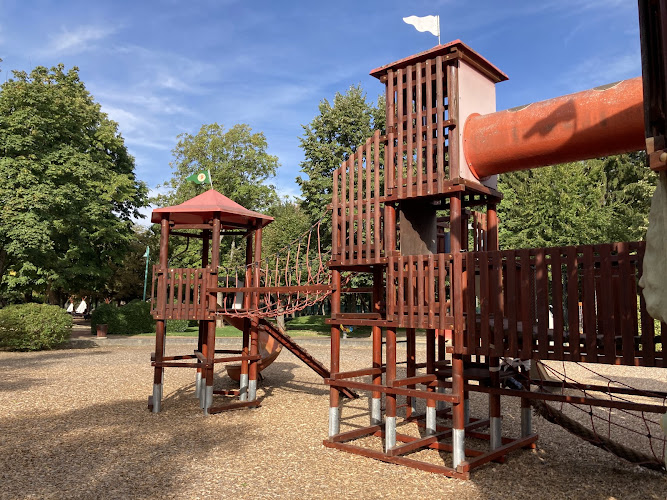
Kalandváros
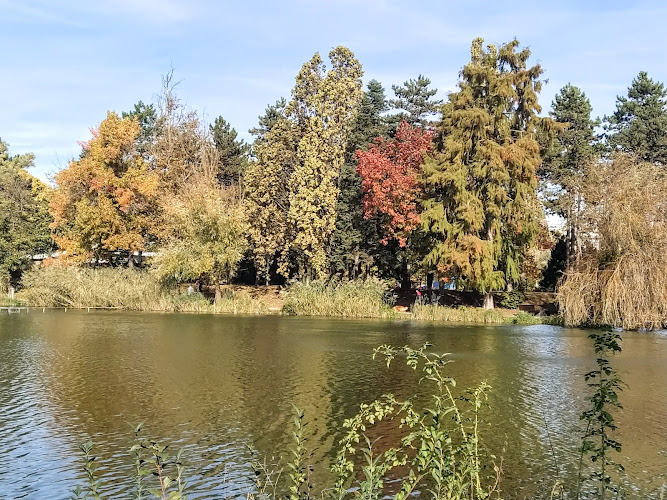
Csónakázó-tó sétány

Szombathely Center
Find Accommodations Nearby
Recommended Tours & Activities
Visitor Reviews
There are no reviews yet. Be the first one to write one.
Share Your Experience
Have you visited Dimicante-ház? Help other travelers by leaving a review.