About Dennis Severs’ House

Description

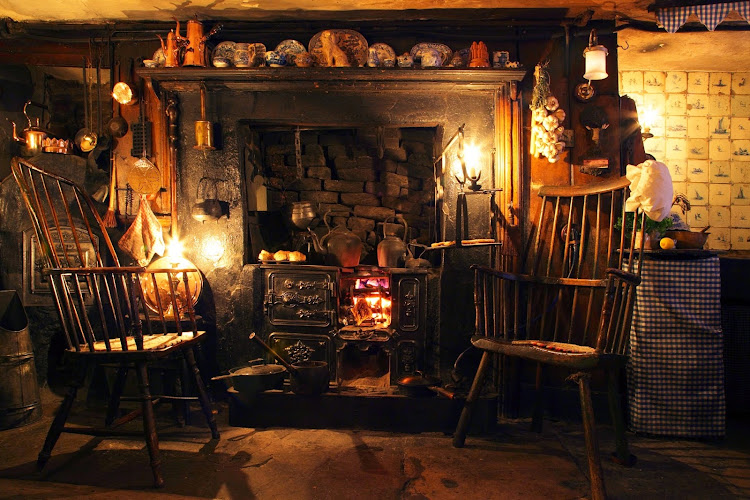
There’s something almost hauntingly beautiful about Dennis Severs’ House — it’s not just a museum, it’s a story you step inside. Imagine walking through a Georgian townhouse where time has politely refused to move on. Every creak of the floorboard, every flicker of candlelight, every half-eaten meal laid out on the table whispers a fragment of the past. This isn’t your typical history exhibit behind glass; it’s an experience that feels alive, intimate, and oddly emotional. The house, originally restored by artist Dennis Severs in the late 20th century, captures the imagined life of a Huguenot silk-weaving family from the 18th century. And honestly, it’s unlike anything else in London.

I remember my first visit — I went in expecting a quaint old house and left feeling like I’d just walked through a dream. There’s no narration, no guides explaining what to look at. You simply wander through the rooms, guided by your senses and imagination. The smell of oranges, the faint sound of horses outside, the soft glow of candlelight — it all feels so real that you half expect someone to walk in and ask what you’re doing in their parlor. It’s theatrical, immersive, and deeply personal. Some people find it eerie, others find it magical. I found it both.

Every corner of the house tells a story. The lower floors hum with the bustle of prosperity — fine china, rich fabrics, and a sense of pride. As you climb higher, the rooms grow more sparse, the air cooler, the story more melancholic. It’s as if you’re moving through time not just physically, but emotionally. And that’s what makes Dennis Severs’ House so remarkable — it’s not about looking at history, it’s about feeling it.

Key Features

  • Immersive storytelling: Each room is designed as a living tableau, recreating moments in the imagined life of an 18th-century Huguenot family.
  • Authentic period details: The furnishings, smells, sounds, and lighting are all meticulously curated to evoke Georgian London.
  • Candlelit atmosphere: The house is famously lit by flickering candles, adding a sense of intimacy and mystery.
  • Live performance elements: Some visits include subtle theatrical touches that blur the line between art and history.
  • Private tours and events: Visitors can book special evening experiences for a more personal encounter with the house’s story.
  • Gift shop: A small but charming shop offers books, prints, and keepsakes inspired by the house and its creator.
  • Family- and LGBTQ+ friendly: The space welcomes all visitors and fosters an inclusive, respectful environment.

Now, a quick note — this isn’t a place for everyone. If you like your museums bright, labeled, and full of interactive screens, you might find this one a bit too quiet or strange. But if you’re the kind of traveler who loves atmosphere, storytelling, and a touch of mystery, you’ll probably adore it. It’s a house that rewards curiosity and imagination more than checklist sightseeing.

Best Time to Visit

There’s no wrong time to visit, but there are definitely moments when Dennis Severs’ House feels especially magical. Personally, I think winter evenings are unbeatable. The streets of Spitalfields are chilly, the air smells faintly of roasted chestnuts, and stepping into that warm, candlelit world feels like slipping through time. The house runs special “Silent Night” tours during the colder months, where visitors move quietly through the rooms guided only by candlelight — it’s spine-tingling in the best way.

That said, daytime visits have their charm too. You see the textures and details more clearly, and the natural light filtering through the old windows adds a softness that’s quite moving. Weekdays tend to be less crowded, which makes it easier to lose yourself in the moment. If you can, book your ticket in advance — spots are limited, and this place has a loyal following. I’ve made the mistake of turning up on a whim before, only to find it fully booked. Lesson learned.

How to Get There

Getting to Dennis Severs’ House is straightforward if you’re exploring London. It’s tucked away in the historic Spitalfields area, a short walk from major transport links. The nearest Underground stations are Liverpool Street and Aldgate East, both within easy walking distance. Once you’re nearby, you’ll know you’re close when the modern city starts to give way to narrow cobbled lanes and 18th-century façades — it’s like London’s past quietly reasserting itself.

If you’re coming from central London, I’d recommend taking the Tube rather than driving. Parking around Spitalfields is limited, and honestly, wandering through the area on foot is half the fun. You pass old pubs, hidden courtyards, and little market stalls that make the walk part of the experience. For those who prefer buses, several routes stop nearby. And if you’re staying in East London, it’s an easy stroll — just follow the gentle hum of history (and maybe your GPS).

Tips for Visiting

Here’s the thing — Dennis Severs’ House isn’t a place you rush through. It’s best experienced slowly, with a willingness to let go of modern expectations. So, a few tips from someone who’s been there more than once:

  • Book ahead: Tickets can sell out fast, especially for evening or candlelit tours. Booking in advance saves disappointment.
  • Arrive early: Give yourself a few minutes before your time slot to soak up the atmosphere outside. The street itself feels like part of the story.
  • Stay quiet inside: Silence is part of the magic. The stillness lets you hear the subtle sounds — a ticking clock, a faint carriage outside — that bring the house to life.
  • Dress comfortably: The floors are uneven, and the lighting is dim. Wear shoes you can walk in and take your time.
  • Leave your phone in your pocket: Photography isn’t allowed, and honestly, it’s better that way. The experience is meant to be lived, not captured.
  • Bring an open mind: This isn’t a traditional museum. It’s more like a piece of theater that unfolds around you. The less you expect, the more you’ll feel.
  • Visit nearby: After your tour, explore Spitalfields Market or grab a coffee at one of the nearby cafés. It’s a lovely way to ease back into the present.

One last thought — I’ve heard people call Dennis Severs’ House “weird,” and sure, it is, in the best possible way. It’s a place that doesn’t explain itself, that asks you to use your imagination. And maybe that’s why it stays with you. Long after you’ve left, you’ll find yourself thinking about those flickering candles, those half-finished meals, those ghostly echoes of another time. It’s a reminder that history isn’t just something we read about — it’s something we can still feel, if we slow down enough to listen.

So if you’re planning your London itinerary and want something that feels genuinely different — not just another museum, but an experience that lingers — Dennis Severs’ House deserves a spot on your list. It’s personal, peculiar, and profoundly beautiful in its own quiet way. And trust me, once you’ve been, you’ll never quite forget it.

Key Features

  • Key Features
  • Best Time to Visit
  • How to Get There
  • Tips for Visiting

More Details

Updated December 1, 2025


Description

There’s something almost hauntingly beautiful about Dennis Severs’ House — it’s not just a museum, it’s a story you step inside. Imagine walking through a Georgian townhouse where time has politely refused to move on. Every creak of the floorboard, every flicker of candlelight, every half-eaten meal laid out on the table whispers a fragment of the past. This isn’t your typical history exhibit behind glass; it’s an experience that feels alive, intimate, and oddly emotional. The house, originally restored by artist Dennis Severs in the late 20th century, captures the imagined life of a Huguenot silk-weaving family from the 18th century. And honestly, it’s unlike anything else in London.

I remember my first visit — I went in expecting a quaint old house and left feeling like I’d just walked through a dream. There’s no narration, no guides explaining what to look at. You simply wander through the rooms, guided by your senses and imagination. The smell of oranges, the faint sound of horses outside, the soft glow of candlelight — it all feels so real that you half expect someone to walk in and ask what you’re doing in their parlor. It’s theatrical, immersive, and deeply personal. Some people find it eerie, others find it magical. I found it both.

Every corner of the house tells a story. The lower floors hum with the bustle of prosperity — fine china, rich fabrics, and a sense of pride. As you climb higher, the rooms grow more sparse, the air cooler, the story more melancholic. It’s as if you’re moving through time not just physically, but emotionally. And that’s what makes Dennis Severs’ House so remarkable — it’s not about looking at history, it’s about feeling it.

Key Features

  • Immersive storytelling: Each room is designed as a living tableau, recreating moments in the imagined life of an 18th-century Huguenot family.
  • Authentic period details: The furnishings, smells, sounds, and lighting are all meticulously curated to evoke Georgian London.
  • Candlelit atmosphere: The house is famously lit by flickering candles, adding a sense of intimacy and mystery.
  • Live performance elements: Some visits include subtle theatrical touches that blur the line between art and history.
  • Private tours and events: Visitors can book special evening experiences for a more personal encounter with the house’s story.
  • Gift shop: A small but charming shop offers books, prints, and keepsakes inspired by the house and its creator.
  • Family- and LGBTQ+ friendly: The space welcomes all visitors and fosters an inclusive, respectful environment.

Now, a quick note — this isn’t a place for everyone. If you like your museums bright, labeled, and full of interactive screens, you might find this one a bit too quiet or strange. But if you’re the kind of traveler who loves atmosphere, storytelling, and a touch of mystery, you’ll probably adore it. It’s a house that rewards curiosity and imagination more than checklist sightseeing.

Best Time to Visit

There’s no wrong time to visit, but there are definitely moments when Dennis Severs’ House feels especially magical. Personally, I think winter evenings are unbeatable. The streets of Spitalfields are chilly, the air smells faintly of roasted chestnuts, and stepping into that warm, candlelit world feels like slipping through time. The house runs special “Silent Night” tours during the colder months, where visitors move quietly through the rooms guided only by candlelight — it’s spine-tingling in the best way.

That said, daytime visits have their charm too. You see the textures and details more clearly, and the natural light filtering through the old windows adds a softness that’s quite moving. Weekdays tend to be less crowded, which makes it easier to lose yourself in the moment. If you can, book your ticket in advance — spots are limited, and this place has a loyal following. I’ve made the mistake of turning up on a whim before, only to find it fully booked. Lesson learned.

How to Get There

Getting to Dennis Severs’ House is straightforward if you’re exploring London. It’s tucked away in the historic Spitalfields area, a short walk from major transport links. The nearest Underground stations are Liverpool Street and Aldgate East, both within easy walking distance. Once you’re nearby, you’ll know you’re close when the modern city starts to give way to narrow cobbled lanes and 18th-century façades — it’s like London’s past quietly reasserting itself.

If you’re coming from central London, I’d recommend taking the Tube rather than driving. Parking around Spitalfields is limited, and honestly, wandering through the area on foot is half the fun. You pass old pubs, hidden courtyards, and little market stalls that make the walk part of the experience. For those who prefer buses, several routes stop nearby. And if you’re staying in East London, it’s an easy stroll — just follow the gentle hum of history (and maybe your GPS).

Tips for Visiting

Here’s the thing — Dennis Severs’ House isn’t a place you rush through. It’s best experienced slowly, with a willingness to let go of modern expectations. So, a few tips from someone who’s been there more than once:

  • Book ahead: Tickets can sell out fast, especially for evening or candlelit tours. Booking in advance saves disappointment.
  • Arrive early: Give yourself a few minutes before your time slot to soak up the atmosphere outside. The street itself feels like part of the story.
  • Stay quiet inside: Silence is part of the magic. The stillness lets you hear the subtle sounds — a ticking clock, a faint carriage outside — that bring the house to life.
  • Dress comfortably: The floors are uneven, and the lighting is dim. Wear shoes you can walk in and take your time.
  • Leave your phone in your pocket: Photography isn’t allowed, and honestly, it’s better that way. The experience is meant to be lived, not captured.
  • Bring an open mind: This isn’t a traditional museum. It’s more like a piece of theater that unfolds around you. The less you expect, the more you’ll feel.
  • Visit nearby: After your tour, explore Spitalfields Market or grab a coffee at one of the nearby cafés. It’s a lovely way to ease back into the present.

One last thought — I’ve heard people call Dennis Severs’ House “weird,” and sure, it is, in the best possible way. It’s a place that doesn’t explain itself, that asks you to use your imagination. And maybe that’s why it stays with you. Long after you’ve left, you’ll find yourself thinking about those flickering candles, those half-finished meals, those ghostly echoes of another time. It’s a reminder that history isn’t just something we read about — it’s something we can still feel, if we slow down enough to listen.

So if you’re planning your London itinerary and want something that feels genuinely different — not just another museum, but an experience that lingers — Dennis Severs’ House deserves a spot on your list. It’s personal, peculiar, and profoundly beautiful in its own quiet way. And trust me, once you’ve been, you’ll never quite forget it.

Key Highlights

  • Key Features
  • Best Time to Visit
  • How to Get There
  • Tips for Visiting

Location

Places to Stay Near Dennis Severs' House

Find and Book a Tour

Explore More Travel Guides

No reviews found! Be the first to review!

Traveler Reviews for Dennis Severs’ House

There are no reviews yet. Be the first one to write one.

Share Your Experience

Have you visited Dennis Severs’ House? Help other travelers by sharing your review.

Find Accommodations Nearby

Recommended Tours & Activities

Visitor Reviews

There are no reviews yet. Be the first one to write one.

Share Your Experience

Have you visited Dennis Severs’ House? Help other travelers by leaving a review.