
Dakkhindihi Rabindra Complex
About Dakkhindihi Rabindra Complex
Description
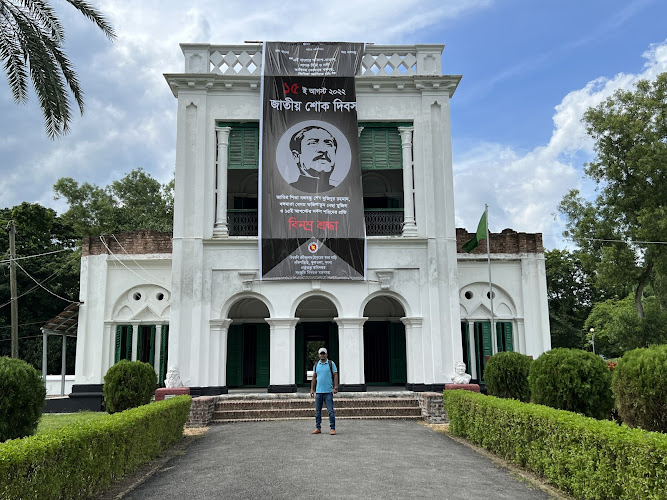
The Dakkhindihi Rabindra Complex in Jugnipasha, Bangladesh, is more than just a museum—it’s a place where history, literature, and memory converge. Dedicated to poet Rabindranath Tagore, this historical site is located in Dakshindihi village of Phultala Upazila in Khulna district and serves as a cultural landmark for visitors who want to connect with the personal and family life of the Nobel laureate. The complex is built around a two-storied ancestral residence once owned by the Beni Madhab Roy Chowdhury family, who later became in-laws of Tagore. In fact, Tagore’s wife Mrinalini Devi hailed from this same lineage, intertwining the history of the place with his own life story.
What strikes many visitors is the atmosphere—the house feels lived in, carrying traces of a time when Tagore himself stayed there on visits, rekindling family connections. The rooms, windows, and old wooden details of the building reflect the architecture of the late 19th and early 20th century. It might not dazzle like a modern museum with flashy exhibits, but it holds something richer: fragments of history and an emotional connection to the cultural fabric of Bengal. Visitors often come here to learn, to reflect, and sometimes just to sit quietly with their thoughts in a space that feels deeply tied to Bangladeshi identity.
That said, not everything about the experience is perfect. The property shows signs of old age, and while the Department of Archaeology has been involved in maintaining it, some areas could use extra care. A few visitors may find the displays limited or the information a bit sparse compared to major museums, while others appreciate the simplicity and authenticity—it really depends on what you expect. The charm is in its quiet dignity rather than in polished presentations. Overall, those who are drawn to history, literature, or the story of the Tagore family tend to leave with a sense of enrichment.
The Dakkhindihi Rabindra Complex is wheelchair accessible with both entrances and parking designed to accommodate all visitors. Families often appreciate that it is child-friendly, with facilities like changing tables making it easier for parents traveling with little ones. Though it lacks a restaurant on-site, the calm village setting makes it an attractive place to spend a few hours exploring heritage at an unhurried pace. It might not be the most commercialized tourist attraction in Bangladesh, but for many, that’s exactly its strength—an authentic portal into the life and times of one of the world’s most influential poets.
Key Features
More Details
Updated October 3, 2025
Table of Contents
Description
The Dakkhindihi Rabindra Complex in Jugnipasha, Bangladesh, is more than just a museum—it’s a place where history, literature, and memory converge. Dedicated to poet Rabindranath Tagore, this historical site is located in Dakshindihi village of Phultala Upazila in Khulna district and serves as a cultural landmark for visitors who want to connect with the personal and family life of the Nobel laureate. The complex is built around a two-storied ancestral residence once owned by the Beni Madhab Roy Chowdhury family, who later became in-laws of Tagore. In fact, Tagore’s wife Mrinalini Devi hailed from this same lineage, intertwining the history of the place with his own life story.
What strikes many visitors is the atmosphere—the house feels lived in, carrying traces of a time when Tagore himself stayed there on visits, rekindling family connections. The rooms, windows, and old wooden details of the building reflect the architecture of the late 19th and early 20th century. It might not dazzle like a modern museum with flashy exhibits, but it holds something richer: fragments of history and an emotional connection to the cultural fabric of Bengal. Visitors often come here to learn, to reflect, and sometimes just to sit quietly with their thoughts in a space that feels deeply tied to Bangladeshi identity.
That said, not everything about the experience is perfect. The property shows signs of old age, and while the Department of Archaeology has been involved in maintaining it, some areas could use extra care. A few visitors may find the displays limited or the information a bit sparse compared to major museums, while others appreciate the simplicity and authenticity—it really depends on what you expect. The charm is in its quiet dignity rather than in polished presentations. Overall, those who are drawn to history, literature, or the story of the Tagore family tend to leave with a sense of enrichment.
The Dakkhindihi Rabindra Complex is wheelchair accessible with both entrances and parking designed to accommodate all visitors. Families often appreciate that it is child-friendly, with facilities like changing tables making it easier for parents traveling with little ones. Though it lacks a restaurant on-site, the calm village setting makes it an attractive place to spend a few hours exploring heritage at an unhurried pace. It might not be the most commercialized tourist attraction in Bangladesh, but for many, that’s exactly its strength—an authentic portal into the life and times of one of the world’s most influential poets.
Key Highlights
Dakkhindihi Rabindra Complex
Location
Places to Stay Near Dakkhindihi Rabindra Complex
Find and Book a Tour
Explore More Travel Guides
No reviews found! Be the first to review!
Traveler Reviews for Dakkhindihi Rabindra Complex
There are no reviews yet. Be the first one to write one.
Have you visited Dakkhindihi Rabindra Complex? Help other travelers by sharing your review.
Find Accommodations Nearby
Recommended Tours & Activities
Visitor Reviews
There are no reviews yet. Be the first one to write one.
Share Your Experience
Have you visited Dakkhindihi Rabindra Complex? Help other travelers by leaving a review.