
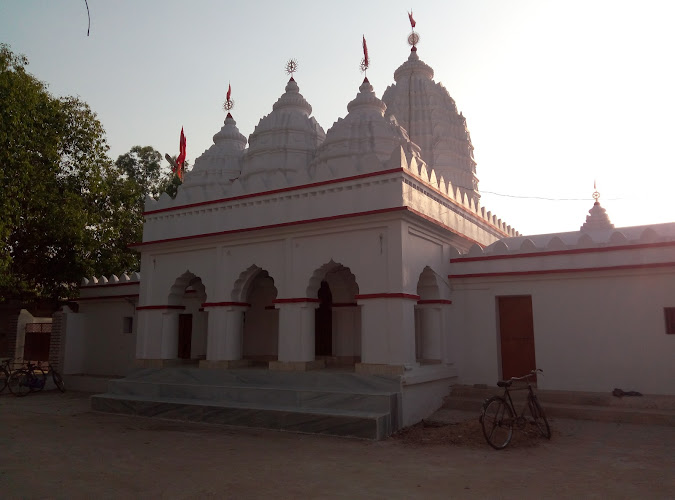
Dadhibaban Temple
About Dadhibaban Temple
Description
The Dadhibaban Temple in Sambalpur, Odisha, is one of those places that quietly steals your heart before you even realize it. Dedicated to Lord Jagannath, this temple carries a certain old-world charm that feels both sacred and familiar. It’s not one of those overly grand temples you see plastered across travel magazines, but that’s kind of what makes it special. There’s a humble grace about it — the kind that invites you to slow down, take a breath, and just be present.
The temple’s architecture speaks volumes about Odisha’s deep cultural roots. Its shikhara (tower) rises proudly, though not extravagantly, over the main sanctum, and the carvings on its walls tell stories that have likely been whispered through generations. The temple is believed to be centuries old, with some sources suggesting its origins trace back to the 9th or 10th century when the Dadhibaman (or Dadhibaban) cult began to flourish in western Odisha. Over time, it has become not just a place of worship but a symbol of devotion and continuity in the region.
When you step inside, you can almost feel the centuries of faith that have passed through those doors. The air carries a faint mix of incense and sandalwood, and the soft chanting of devotees adds to the temple’s peaceful rhythm. It’s not flashy, but it’s deeply spiritual. And honestly, that’s what makes it unforgettable.
I remember visiting on a quiet morning — the sun just beginning to warm the temple stones. A local priest smiled and offered me prasad without saying a word. That moment, simple as it was, said everything about the spirit of this place: kindness, devotion, and a gentle sense of belonging.
Key Features
- Architectural Heritage: The temple showcases traditional Odishan temple architecture with a beautifully sculpted shikhara and intricate carvings that reflect the artistry of ancient craftsmen.
- Spiritual Significance: Dedicated to Lord Jagannath, the temple is an important pilgrimage site for devotees in western Odisha and holds deep cultural importance in the region.
- Historical Roots: Believed to have originated between the 9th and 10th centuries, it stands as a testament to the enduring Dadhibaman cult and its influence on local traditions.
- Local Celebrations: The temple comes alive during major Hindu festivals like Rath Yatra, when the entire community gathers for rituals, music, and offerings.
- Peaceful Ambience: Unlike crowded urban temples, it offers a serene environment ideal for meditation, reflection, and quiet worship.
If you’re the kind of traveler who enjoys exploring places that still hold their soul intact — where faith feels real and not commercial — Dadhibaban Temple will speak to you. It’s a place where history and spirituality meet in the most grounded, human way possible.
Best Time to Visit
While the temple is open year-round, the best time to visit is between October and February when the weather in Sambalpur is pleasant and cool. The mornings are crisp, and the evenings carry a gentle breeze — perfect for strolling around the temple complex without breaking a sweat.
If you enjoy cultural experiences, plan your visit around Rath Yatra or other local festivals. That’s when the temple truly comes alive with colors, chants, and a palpable sense of devotion. But if you prefer a quieter experience, weekdays or early mornings are ideal. You’ll find fewer visitors and more time to soak in the temple’s peaceful energy.
Avoid the peak summer months of April to June — Odisha can get seriously hot then, and temple visits under the blazing sun aren’t exactly fun. Monsoon season (July to September) brings its own charm, though; the temple’s stonework glistens after a shower, and the surrounding greenery feels fresh and alive.
How to Get There
Reaching Dadhibaban Temple is relatively easy if you’re already in Sambalpur. The city is well-connected by road and rail to major towns in Odisha and neighboring states. From the Sambalpur main town, you can hire a local taxi, auto-rickshaw, or even hop on a shared vehicle to reach the temple area within a short drive.
If you’re traveling from Bhubaneswar or Raipur, regular trains and buses run to Sambalpur. The nearest railway station is Sambalpur Junction, which connects directly to most major Indian cities. From there, it’s a quick local commute to the temple.
For those driving, the roads leading to the temple are in decent condition, though you might encounter the occasional rural stretch that’s a bit bumpy. But honestly, that’s part of the adventure — the journey through the countryside, with fields and small villages passing by, really sets the tone before you arrive at this peaceful shrine.
Tips for Visiting
Here are a few things I’ve learned (sometimes the hard way) that might make your visit smoother and more meaningful:
- Dress modestly: This is an active place of worship. Light, comfortable clothing that covers shoulders and knees is always a good idea.
- Remove footwear: Like most temples in India, shoes aren’t allowed inside. There’s usually a designated area to leave them safely.
- Respect local customs: Even if you’re just observing, be mindful during rituals. Photography might not be allowed during certain ceremonies — always ask first.
- Carry cash: Smaller temples often don’t accept digital payments for offerings or donations, so keep some change handy.
- Visit early: Early mornings are magical here — the soft temple bells, the aroma of incense, and the calm before the day’s bustle make it worth waking up for.
- Stay hydrated: Odisha’s weather can be unpredictable; carry a bottle of water, especially if you plan to explore nearby attractions.
- Engage with locals: The temple priests and nearby residents are friendly and often share fascinating stories about the temple’s history and legends — if you take the time to ask.
One last thing — don’t rush your visit. There’s something about Dadhibaban Temple that reveals itself slowly. Sit for a while under the shade, listen to the temple bells echoing in the distance, and just let the moment sink in. You’ll walk away with more than just photos — you’ll carry a sense of calm that lingers long after you’ve left.
In a world where travel often feels like a checklist, Dadhibaban Temple reminds you that sometimes, the best experiences are the ones that simply ask you to pause and feel. It’s not perfect — but maybe that’s exactly what makes it so profoundly beautiful.
Key Features
- Key Features
- Best Time to Visit
- How to Get There
- Tips for Visiting
More Details
Updated November 30, 2025
Table of Contents
Description
The Dadhibaban Temple in Sambalpur, Odisha, is one of those places that quietly steals your heart before you even realize it. Dedicated to Lord Jagannath, this temple carries a certain old-world charm that feels both sacred and familiar. It’s not one of those overly grand temples you see plastered across travel magazines, but that’s kind of what makes it special. There’s a humble grace about it — the kind that invites you to slow down, take a breath, and just be present.
The temple’s architecture speaks volumes about Odisha’s deep cultural roots. Its shikhara (tower) rises proudly, though not extravagantly, over the main sanctum, and the carvings on its walls tell stories that have likely been whispered through generations. The temple is believed to be centuries old, with some sources suggesting its origins trace back to the 9th or 10th century when the Dadhibaman (or Dadhibaban) cult began to flourish in western Odisha. Over time, it has become not just a place of worship but a symbol of devotion and continuity in the region.
When you step inside, you can almost feel the centuries of faith that have passed through those doors. The air carries a faint mix of incense and sandalwood, and the soft chanting of devotees adds to the temple’s peaceful rhythm. It’s not flashy, but it’s deeply spiritual. And honestly, that’s what makes it unforgettable.
I remember visiting on a quiet morning — the sun just beginning to warm the temple stones. A local priest smiled and offered me prasad without saying a word. That moment, simple as it was, said everything about the spirit of this place: kindness, devotion, and a gentle sense of belonging.
Key Features
- Architectural Heritage: The temple showcases traditional Odishan temple architecture with a beautifully sculpted shikhara and intricate carvings that reflect the artistry of ancient craftsmen.
- Spiritual Significance: Dedicated to Lord Jagannath, the temple is an important pilgrimage site for devotees in western Odisha and holds deep cultural importance in the region.
- Historical Roots: Believed to have originated between the 9th and 10th centuries, it stands as a testament to the enduring Dadhibaman cult and its influence on local traditions.
- Local Celebrations: The temple comes alive during major Hindu festivals like Rath Yatra, when the entire community gathers for rituals, music, and offerings.
- Peaceful Ambience: Unlike crowded urban temples, it offers a serene environment ideal for meditation, reflection, and quiet worship.
If you’re the kind of traveler who enjoys exploring places that still hold their soul intact — where faith feels real and not commercial — Dadhibaban Temple will speak to you. It’s a place where history and spirituality meet in the most grounded, human way possible.
Best Time to Visit
While the temple is open year-round, the best time to visit is between October and February when the weather in Sambalpur is pleasant and cool. The mornings are crisp, and the evenings carry a gentle breeze — perfect for strolling around the temple complex without breaking a sweat.
If you enjoy cultural experiences, plan your visit around Rath Yatra or other local festivals. That’s when the temple truly comes alive with colors, chants, and a palpable sense of devotion. But if you prefer a quieter experience, weekdays or early mornings are ideal. You’ll find fewer visitors and more time to soak in the temple’s peaceful energy.
Avoid the peak summer months of April to June — Odisha can get seriously hot then, and temple visits under the blazing sun aren’t exactly fun. Monsoon season (July to September) brings its own charm, though; the temple’s stonework glistens after a shower, and the surrounding greenery feels fresh and alive.
How to Get There
Reaching Dadhibaban Temple is relatively easy if you’re already in Sambalpur. The city is well-connected by road and rail to major towns in Odisha and neighboring states. From the Sambalpur main town, you can hire a local taxi, auto-rickshaw, or even hop on a shared vehicle to reach the temple area within a short drive.
If you’re traveling from Bhubaneswar or Raipur, regular trains and buses run to Sambalpur. The nearest railway station is Sambalpur Junction, which connects directly to most major Indian cities. From there, it’s a quick local commute to the temple.
For those driving, the roads leading to the temple are in decent condition, though you might encounter the occasional rural stretch that’s a bit bumpy. But honestly, that’s part of the adventure — the journey through the countryside, with fields and small villages passing by, really sets the tone before you arrive at this peaceful shrine.
Tips for Visiting
Here are a few things I’ve learned (sometimes the hard way) that might make your visit smoother and more meaningful:
- Dress modestly: This is an active place of worship. Light, comfortable clothing that covers shoulders and knees is always a good idea.
- Remove footwear: Like most temples in India, shoes aren’t allowed inside. There’s usually a designated area to leave them safely.
- Respect local customs: Even if you’re just observing, be mindful during rituals. Photography might not be allowed during certain ceremonies — always ask first.
- Carry cash: Smaller temples often don’t accept digital payments for offerings or donations, so keep some change handy.
- Visit early: Early mornings are magical here — the soft temple bells, the aroma of incense, and the calm before the day’s bustle make it worth waking up for.
- Stay hydrated: Odisha’s weather can be unpredictable; carry a bottle of water, especially if you plan to explore nearby attractions.
- Engage with locals: The temple priests and nearby residents are friendly and often share fascinating stories about the temple’s history and legends — if you take the time to ask.
One last thing — don’t rush your visit. There’s something about Dadhibaban Temple that reveals itself slowly. Sit for a while under the shade, listen to the temple bells echoing in the distance, and just let the moment sink in. You’ll walk away with more than just photos — you’ll carry a sense of calm that lingers long after you’ve left.
In a world where travel often feels like a checklist, Dadhibaban Temple reminds you that sometimes, the best experiences are the ones that simply ask you to pause and feel. It’s not perfect — but maybe that’s exactly what makes it so profoundly beautiful.
Key Highlights
- Key Features
- Best Time to Visit
- How to Get There
- Tips for Visiting
Location
Places to Stay Near Dadhibaban Temple
Find and Book a Tour
Explore More Travel Guides
No reviews found! Be the first to review!
Traveler Reviews for Dadhibaban Temple
There are no reviews yet. Be the first one to write one.
Have you visited Dadhibaban Temple? Help other travelers by sharing your review.
You Might Also Like
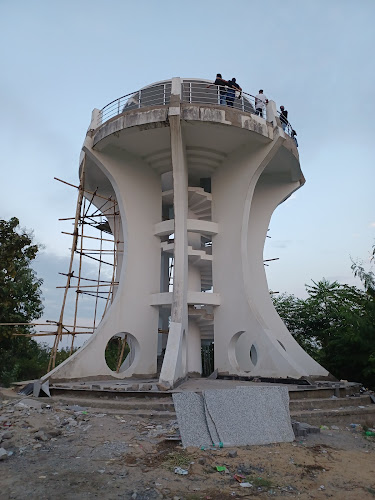
Hirakhand Minar Budharaja Hill top park

Budharaja Mandir

Budharaja
Find Accommodations Nearby
Recommended Tours & Activities
Visitor Reviews
There are no reviews yet. Be the first one to write one.
Share Your Experience
Have you visited Dadhibaban Temple? Help other travelers by leaving a review.