
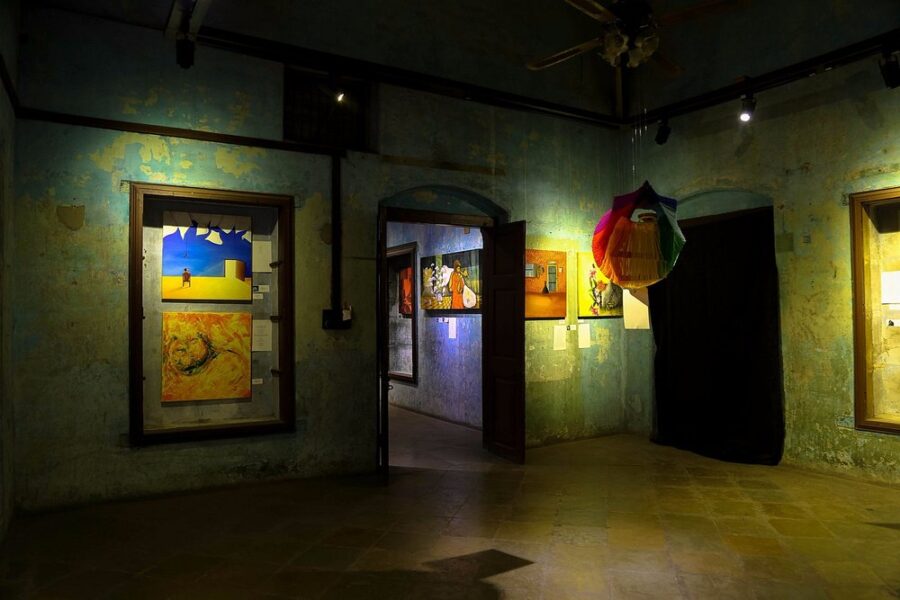
Conflictorium
About Conflictorium
History and Significance
If you’ve never heard of the Conflictorium in Gujarat, you’re in for a treat. This place is not your typical museum or art gallery. The Conflictorium entrances you into a world where conflict — yes, those messy, nerve-wracking clashes and tensions we usually try to avoid — is explored, understood, and even appreciated. It’s a bold concept, especially in a region as historically rich and diverse as Gujarat, known for its mosaic of communities and cultures. The Conflictorium was founded with the vision to unpack the layers of conflict — personal, social, political — through an immersive, experiential setup. It’s part museum, part theater, part social experiment. This isn’t just about showcasing art; it’s about making you feel conflict, grapple with it, and hopefully come out on the other side with insights and empathy. With roots embedded deeply in Gujarat’s history of social movements and communal tensions, the Conflictorium stands as a landmark for peacebuilding and education via creative storytelling.
Main Attractions and Activities
Walking into the Conflictorium is like stepping into an interactive narrative. One minute you’re humbled by stories of struggle and survival from local histories, and the next you’re participating in workshops designed to challenge your views on conflict resolution. Don’t miss the “Wall of Conflict” exhibit, where visitors write down their own experiences with conflict — it’s surprisingly moving and connects you with strangers’ stories. The “Role Play Theatre” lets you step into another’s shoes, literally taking part in scenarios that confront prejudice, hate, and misunderstanding. If you’re up for it, the guided storytelling sessions are a gem. They use performance, shadow puppets, and immersive audio to bring tribal struggles, women’s rights movements, and communal harmony tales into vivid life. Plus, they rotate exhibits regularly, so there’s always something fresh to catch on your next visit.
Visitor Experience
Honestly, the Conflictorium isn’t a place you just breeze through. You’ll get quiet moments alone, reflecting in cozy nooks, and more lively group interactions that push your comfort zone. The staff are genuinely passionate and knowledgeable; they don’t just explain exhibits but want to spark conversations. I remember one visit — I was skeptical about participating in the role play, but it turned out to be eye-opening. It wasn’t just acting; it was walking a mile in someone else’s conflicted shoes. Visitors often tell me they leave feeling a bit shaken but more connected; it stays with you far beyond your visit. It’s not a “fun day out” in the traditional sense but a deeply fulfilling one.
Tips for Visitors
If you decide to check it out (you really should), give yourself plenty of time — a couple of hours at least. Don’t rush; the space invites you to linger and absorb. Wear comfortable shoes and be ready to move between different sections — some are indoors, others semi-open. It’s great for anyone curious about social change, art lovers, educators, and even families with older kids who can handle serious themes. Cameras are welcome, but be respectful of the reflective, personal nature of many exhibits. Also, ask about public workshops or events during your visit — they can be goldmines for getting a fuller experience.
Accessibility and Facilities
One thing that impresses me about the Conflictorium is its accessibility. Located centrally in Ahmedabad, it’s easy to reach by public transport or ride-share. The facility itself is thoughtfully designed to accommodate visitors with mobility issues — ramps, clear signage, and quiet zones for those who need a breather. There’s a small café on-site, offering local snacks and chai, perfect for unwinding after an intense session of reflection or participation. While it’s not huge, the space is cozy and comfortable, with plenty of seats scattered around for rest. If you’re someone who needs downtime between exhibits, you’re covered.
Unique Features
What sets the Conflictorium apart — and believe me, there aren’t many places quite like it — is its dedication to experiential learning. Instead of passive looking and reading, you’re drawn into acts of storytelling, debate, and self-expression. The melding of traditional Gujarati art forms with contemporary conflict themes is masterful. And their commitment to social activism goes beyond exhibits: they run outreach programs in schools and communities to propagate dialogue and peacebuilding practices. It’s rare to find a place that is so quirky and creative yet deeply rooted in serious social purpose.
Overall Impressions
Walking out of the Conflictorium, you can't help but feel like you've been part of something meaningful. It's a place that challenges the easy narratives, uproots comfortable perspectives, and invites you to think beyond the surface. The blend of art, history, and human stories is so well done that it never feels preachy or heavy-handed. Sure, it’s intense, but that’s what makes it remarkable. This center isn't just a destination; it’s an experience—one that stays with you, pushing you to reconsider how conflict shapes our world and ourselves.
Pros and Cons
Let me be real — while the Conflictorium is fantastic, it’s not flawless. On the plus side, you get a deeply engaging, thought-provoking experience unlike anything else in Gujarat. The interactive nature means it appeals to a broad audience, from academics to casual visitors looking to understand the region better. The staff’s enthusiasm and the creative exhibits make it an inspiring visit.
On the downside, the intensity might feel overwhelming if you’re coming just for light sightseeing or are unprepared for emotionally charged content. It’s not a spot for a quick stop or very young children. Also, some exhibits could benefit from clearer English explanations for non-local visitors, which would open up the experience more internationally. Depending on the timing, it can get a bit crowded during special events, so plan accordingly.
All in all, if you’re ready to engage, learn, and maybe have your view rocked a little, the Conflictorium is well worth your time. It’s a unique gem in Gujarat that adds a fresh, relevant layer to how we think about conflict and resolution — not just as distant news, but as a living, breathing part of our shared human story. So bring an open mind and leave ready to have some powerful conversations, inside and out.
Key Features
- History and Significance
- Main Attractions and Activities
- Visitor Experience
- Tips for Visitors
- Accessibility and Facilities
- Unique Features
You Might Also Like

1, Swarn Jayanti Park Rd
1/33, Rajiv Park Rd
3D Park
Tours & Activities
GetYourGuide provides this tour inventory. We may earn a commission if you book through it; verify current availability, prices, and terms with the provider.
Visitor Reviews
There are no reviews yet. Be the first one to write one.
Share Your Experience
Have you visited Conflictorium? Help other travelers by leaving a review.