

Church of the Holy Apostles Peter and Paul
About Church of the Holy Apostles Peter and Paul
Description
Standing atop a historic hilltop since the 9th century, the Church of the Holy Apostles Peter and Paul represents one of the finest examples of early Christian architecture from the ancient Roman period. The stone walls have witnessed over a millennium of prayers, celebrations, and quiet contemplation. I was immediately struck by the church's understated grandeur when I first visited - it's not the largest or most ornate religious building you'll encounter, but there's something profound about its enduring presence. The weathered exterior tells stories of centuries gone by, while the interior holds remarkable frescoes that have somehow survived the test of time. The soft natural light filtering through the narrow windows creates an almost mystical atmosphere that even non-religious visitors find moving. Trust me, the photos don't do it justice.Key Features
• Original 9th-century architectural elements preserved throughout the structure • Byzantine-style frescoes depicting biblical scenes and saints • Historic bell tower offering panoramic views of the surrounding landscape • Ancient Roman stone carvings integrated into the church walls • Traditional Orthodox iconostasis adorned with intricate religious artwork • Peaceful courtyard garden perfect for quiet reflection • Archaeological remnants from various historical periods • Regular Orthodox services still held in the traditional manner • Museum section showcasing religious artifacts and church history • Stunning hilltop location with sweeping viewsBest Time to Visit
From my experience, early morning visits (around 8-9 AM) offer the most serene atmosphere, when the first rays of sunlight illuminate the ancient frescoes. The church is particularly magical during major Orthodox celebrations, though you'll need to contend with larger crowds during these times. Spring and fall provide the most comfortable weather for exploring both the church and its grounds. Summer afternoons can get pretty warm up on the hill (I learned this the hard way!), while winter visits offer a uniquely peaceful experience, especially when snow dusts the ancient stones.How to Get There
The church sits proudly on its hilltop perch, accessible via a well-maintained road. If you're driving, you'll find ample parking in the wheelchair-accessible lot. For those using public transportation, several local bus routes stop near the base of the hill. The walk up might leave you a bit breathless, but I promise the views make it worthwhile.Tips for Visiting
As someone who's visited numerous times, I can tell you that proper attire is essential - shoulders and knees should be covered out of respect. Women might want to bring a scarf to cover their heads, though the church usually has some available to borrow. Photography is allowed in most areas, but flash photography isn't permitted to protect the ancient frescoes. I'd recommend bringing a camera that handles low-light conditions well. The best photos I've taken were during the golden hour, just before sunset. Time your visit to avoid ongoing services unless you plan to participate. The church usually stays open from morning until late afternoon, but hours can vary during religious holidays. Speaking of which, major Orthodox festivals transform the space into something truly special - just be prepared for crowds if you visit during these times. And here's a pro tip: take a moment to sit quietly in the courtyard garden. It's my favorite spot to absorb the centuries of history surrounding you. The peace you'll find there is something special. Don't rush your visit - plan at least an hour to fully appreciate the church and its grounds. The museum section often gets overlooked, but it's worth spending time there to understand the church's fascinating history. Oh, and bring a water bottle - that hill climb can be thirsty work! Remember to drop a small donation if you can - it helps maintain this incredible piece of history for future generations. And definitely chat with the local caretakers if you get the chance. They've shared some amazing stories with me about the church's history that you won't find in any guidebook.Key Features
More Details
Updated September 16, 2025
Table of Contents
- Description
- Key Features
- Best Time to Visit
- How to Get There
- Tips for Visiting
- Key Highlights
- Location
- Places to Stay Near Church of the Holy Apostles Peter and Paul
- Find and Book a Tour
- Explore More Travel Guides
- Nearby Places You Might Like
- Traveler Reviews for Church of the Holy Apostles Peter and Paul
- Share Your Experience
Description
Standing atop a historic hilltop since the 9th century, the Church of the Holy Apostles Peter and Paul represents one of the finest examples of early Christian architecture from the ancient Roman period. The stone walls have witnessed over a millennium of prayers, celebrations, and quiet contemplation. I was immediately struck by the church’s understated grandeur when I first visited – it’s not the largest or most ornate religious building you’ll encounter, but there’s something profound about its enduring presence.
The weathered exterior tells stories of centuries gone by, while the interior holds remarkable frescoes that have somehow survived the test of time. The soft natural light filtering through the narrow windows creates an almost mystical atmosphere that even non-religious visitors find moving. Trust me, the photos don’t do it justice.
Key Features
• Original 9th-century architectural elements preserved throughout the structure
• Byzantine-style frescoes depicting biblical scenes and saints
• Historic bell tower offering panoramic views of the surrounding landscape
• Ancient Roman stone carvings integrated into the church walls
• Traditional Orthodox iconostasis adorned with intricate religious artwork
• Peaceful courtyard garden perfect for quiet reflection
• Archaeological remnants from various historical periods
• Regular Orthodox services still held in the traditional manner
• Museum section showcasing religious artifacts and church history
• Stunning hilltop location with sweeping views
Best Time to Visit
From my experience, early morning visits (around 8-9 AM) offer the most serene atmosphere, when the first rays of sunlight illuminate the ancient frescoes. The church is particularly magical during major Orthodox celebrations, though you’ll need to contend with larger crowds during these times.
Spring and fall provide the most comfortable weather for exploring both the church and its grounds. Summer afternoons can get pretty warm up on the hill (I learned this the hard way!), while winter visits offer a uniquely peaceful experience, especially when snow dusts the ancient stones.
How to Get There
The church sits proudly on its hilltop perch, accessible via a well-maintained road. If you’re driving, you’ll find ample parking in the wheelchair-accessible lot. For those using public transportation, several local bus routes stop near the base of the hill. The walk up might leave you a bit breathless, but I promise the views make it worthwhile.
Tips for Visiting
As someone who’s visited numerous times, I can tell you that proper attire is essential – shoulders and knees should be covered out of respect. Women might want to bring a scarf to cover their heads, though the church usually has some available to borrow.
Photography is allowed in most areas, but flash photography isn’t permitted to protect the ancient frescoes. I’d recommend bringing a camera that handles low-light conditions well. The best photos I’ve taken were during the golden hour, just before sunset.
Time your visit to avoid ongoing services unless you plan to participate. The church usually stays open from morning until late afternoon, but hours can vary during religious holidays. Speaking of which, major Orthodox festivals transform the space into something truly special – just be prepared for crowds if you visit during these times.
And here’s a pro tip: take a moment to sit quietly in the courtyard garden. It’s my favorite spot to absorb the centuries of history surrounding you. The peace you’ll find there is something special.
Don’t rush your visit – plan at least an hour to fully appreciate the church and its grounds. The museum section often gets overlooked, but it’s worth spending time there to understand the church’s fascinating history. Oh, and bring a water bottle – that hill climb can be thirsty work!
Remember to drop a small donation if you can – it helps maintain this incredible piece of history for future generations. And definitely chat with the local caretakers if you get the chance. They’ve shared some amazing stories with me about the church’s history that you won’t find in any guidebook.
Key Highlights
Church of the Holy Apostles Peter and Paul
Location
Places to Stay Near Church of the Holy Apostles Peter and Paul
Find and Book a Tour
Explore More Travel Guides
No reviews found! Be the first to review!
Traveler Reviews for Church of the Holy Apostles Peter and Paul
There are no reviews yet. Be the first one to write one.
Have you visited Church of the Holy Apostles Peter and Paul? Help other travelers by sharing your review.
You Might Also Like

Novi Pazar
Novi Put
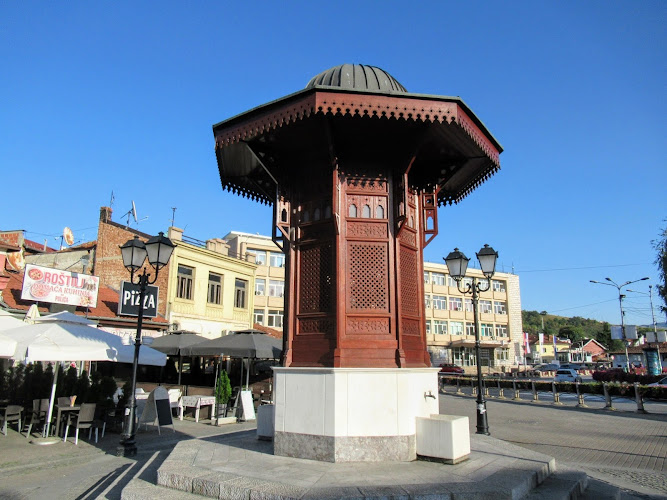
Sebilj Novi Pazar
Find Accommodations Nearby
Recommended Tours & Activities
Visitor Reviews
There are no reviews yet. Be the first one to write one.
Share Your Experience
Have you visited Church of the Holy Apostles Peter and Paul? Help other travelers by leaving a review.