
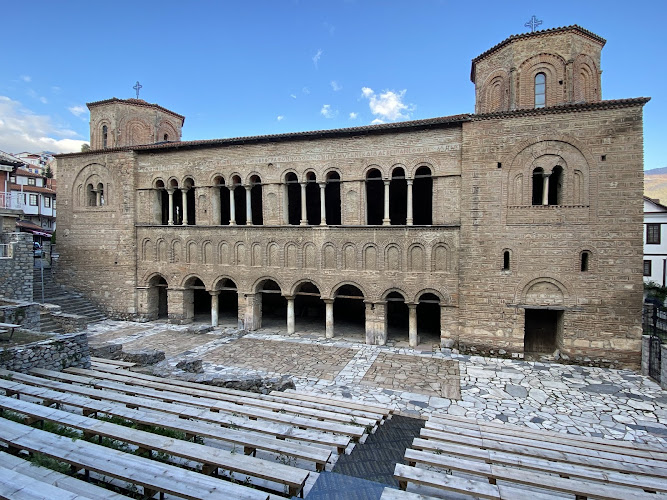
Church of Hagia Sophia
About Church of Hagia Sophia
Description
The Hagia Sophia stands as one of humanity's most remarkable architectural achievements - a testament to Byzantine grandeur that has captivated visitors for nearly 1,500 years. I remember the first time I walked through those massive bronze doors, my neck craning back to take in the seemingly impossible 180-foot dome floating overhead. Let me tell you, photos simply don't do justice to its breathtaking scale. Originally built as an Orthodox Christian cathedral in 537 AD during Emperor Justinian's reign, this architectural marvel later served as an Ottoman mosque and now functions as a museum-mosque where visitors can admire both Christian mosaics and Islamic calligraphy side by side. The building somehow manages to feel both impossibly vast and intimately spiritual at the same time.Key Features
• The iconic 108-foot diameter dome, supported by an innovative system of pendentives that revolutionized architectural history • Stunning Byzantine mosaics, including the famous Deësis mosaic depicting Christ with John the Baptist • Massive marble columns, many repurposed from ancient temples • The mesmerizing play of natural light through 40 arched windows • Intricate Islamic calligraphy and geometric patterns • The mysterious Weeping Column, said to have healing powers • Emperor Door - the largest door in the church made of oak from Noah's Ark according to legend • Stunning marble pavement patterns throughout the nave • The impressive marble Imperial Door used exclusively by Byzantine emperors • The Sultan's Lodge, added during Ottoman timesBest Time to Visit
From my experience traveling here multiple times, early morning (right when it opens) or late afternoon tend to be your best bets for avoiding the biggest crowds. I'd suggest arriving about 30 minutes before opening time to be among the first inside. The light streaming through those ancient windows around 10 AM creates an almost magical atmosphere - perfect for photos! Winter months (November-March) see significantly fewer tourists, though Istanbul can get pretty chilly. But hey, at least you won't be shoulder-to-shoulder with other visitors! Summer brings intense heat and peak crowds, so if you're visiting June-August, those early morning hours become even more crucial.How to Get There
Getting to Hagia Sophia is pretty straightforward since it's smack in the middle of Istanbul's historic Sultanahmet district. The easiest way is taking the tram to the Sultanahmet stop - you literally can't miss the massive dome once you exit. If you're staying in the old city, it's totally walkable from most hotels. From the airport, you've got options: the metro to Zeytinburnu, then transfer to the tram line, or grab a taxi (just make sure they use the meter!). I usually opt for the metro/tram combo - it's cheaper and sometimes faster during Istanbul's notorious traffic hours.Tips for Visiting
Look, I've made plenty of rookie mistakes visiting Hagia Sophia over the years, so let me save you some hassle. First off, dress appropriately - and I mean it! Women need to cover their heads, shoulders, and knees. Men should avoid shorts. They provide free head coverings, but bringing your own scarf is way more comfortable. Buy your tickets online if possible - the queue can get ridiculous, especially in summer. The museum pass is worth considering if you're planning to hit other Istanbul sites. And don't forget to remove your shoes before entering the prayer areas! Pro tip: bring a pair of binoculars if you can. There's so much intricate detail in the upper mosaics that you'll miss with the naked eye. Oh, and that famous cat that hangs around? His name is Gli, and he's basically achieved celebrity status - though he's got a pretty independent personality! The acoustics in here are incredible - just find a quiet corner and listen to the echoes of footsteps and whispered prayers. It's one of those experiences that really helps you connect with the building's 1,500-year history. And please, don't skip the upper gallery - yeah, it's a bit of a climb, but the view of the main floor and the close-up looks at the mosaics are absolutely worth the effort. Just watch your step on those ancient marble stairs - they're worn smooth from centuries of use! Take your time exploring - rushing through would be doing yourself a major disservice. Plan for at least 2-3 hours to really soak it all in. Trust me, you'll want every minute to appreciate this architectural wonder that's managed to survive earthquakes, wars, and the passage of time itself.Key Features
- Key Features
- Best Time to Visit
- How to Get There
- Tips for Visiting
More Details
Updated May 18, 2025
Table of Contents
Description
The Hagia Sophia stands as one of humanity’s most remarkable architectural achievements – a testament to Byzantine grandeur that has captivated visitors for nearly 1,500 years. I remember the first time I walked through those massive bronze doors, my neck craning back to take in the seemingly impossible 180-foot dome floating overhead. Let me tell you, photos simply don’t do justice to its breathtaking scale.
Originally built as an Orthodox Christian cathedral in 537 AD during Emperor Justinian’s reign, this architectural marvel later served as an Ottoman mosque and now functions as a museum-mosque where visitors can admire both Christian mosaics and Islamic calligraphy side by side. The building somehow manages to feel both impossibly vast and intimately spiritual at the same time.
Key Features
• The iconic 108-foot diameter dome, supported by an innovative system of pendentives that revolutionized architectural history
• Stunning Byzantine mosaics, including the famous Deësis mosaic depicting Christ with John the Baptist
• Massive marble columns, many repurposed from ancient temples
• The mesmerizing play of natural light through 40 arched windows
• Intricate Islamic calligraphy and geometric patterns
• The mysterious Weeping Column, said to have healing powers
• Emperor Door – the largest door in the church made of oak from Noah’s Ark according to legend
• Stunning marble pavement patterns throughout the nave
• The impressive marble Imperial Door used exclusively by Byzantine emperors
• The Sultan’s Lodge, added during Ottoman times
Best Time to Visit
From my experience traveling here multiple times, early morning (right when it opens) or late afternoon tend to be your best bets for avoiding the biggest crowds. I’d suggest arriving about 30 minutes before opening time to be among the first inside. The light streaming through those ancient windows around 10 AM creates an almost magical atmosphere – perfect for photos!
Winter months (November-March) see significantly fewer tourists, though Istanbul can get pretty chilly. But hey, at least you won’t be shoulder-to-shoulder with other visitors! Summer brings intense heat and peak crowds, so if you’re visiting June-August, those early morning hours become even more crucial.
How to Get There
Getting to Hagia Sophia is pretty straightforward since it’s smack in the middle of Istanbul’s historic Sultanahmet district. The easiest way is taking the tram to the Sultanahmet stop – you literally can’t miss the massive dome once you exit. If you’re staying in the old city, it’s totally walkable from most hotels.
From the airport, you’ve got options: the metro to Zeytinburnu, then transfer to the tram line, or grab a taxi (just make sure they use the meter!). I usually opt for the metro/tram combo – it’s cheaper and sometimes faster during Istanbul’s notorious traffic hours.
Tips for Visiting
Look, I’ve made plenty of rookie mistakes visiting Hagia Sophia over the years, so let me save you some hassle. First off, dress appropriately – and I mean it! Women need to cover their heads, shoulders, and knees. Men should avoid shorts. They provide free head coverings, but bringing your own scarf is way more comfortable.
Buy your tickets online if possible – the queue can get ridiculous, especially in summer. The museum pass is worth considering if you’re planning to hit other Istanbul sites. And don’t forget to remove your shoes before entering the prayer areas!
Pro tip: bring a pair of binoculars if you can. There’s so much intricate detail in the upper mosaics that you’ll miss with the naked eye. Oh, and that famous cat that hangs around? His name is Gli, and he’s basically achieved celebrity status – though he’s got a pretty independent personality!
The acoustics in here are incredible – just find a quiet corner and listen to the echoes of footsteps and whispered prayers. It’s one of those experiences that really helps you connect with the building’s 1,500-year history.
And please, don’t skip the upper gallery – yeah, it’s a bit of a climb, but the view of the main floor and the close-up looks at the mosaics are absolutely worth the effort. Just watch your step on those ancient marble stairs – they’re worn smooth from centuries of use!
Take your time exploring – rushing through would be doing yourself a major disservice. Plan for at least 2-3 hours to really soak it all in. Trust me, you’ll want every minute to appreciate this architectural wonder that’s managed to survive earthquakes, wars, and the passage of time itself.
Key Highlights
- Key Features
- Best Time to Visit
- How to Get There
- Tips for Visiting
Location
Places to Stay Near Church of Hagia Sophia
Find and Book a Tour
Explore More Travel Guides
No reviews found! Be the first to review!
Traveler Reviews for Church of Hagia Sophia
There are no reviews yet. Be the first one to write one.
Have you visited Church of Hagia Sophia? Help other travelers by sharing your review.
You Might Also Like

Robevci Family House
Varosh / Old Town

Icon Gallery of Ohrid
Find Accommodations Nearby
Recommended Tours & Activities
Visitor Reviews
There are no reviews yet. Be the first one to write one.
Share Your Experience
Have you visited Church of Hagia Sophia? Help other travelers by leaving a review.