
Chiquimula
About Chiquimula
Description
Let me tell you—Chiquimula, Guatemala, is a spot that doesn’t always top the usual Guatemala must-see lists, but honestly, that’s probably what gives it that extra kick of adventure. Most travelers cruise right by on their way to Belize or Honduras, kinda missing the beauty right under their noses. Locally, it’s got this proud nickname—La perla del oriente—which I take to mean “the jewel of the east.” After wandering its lively streets and poking around its markets, I get why the locals are into it. The city, serving as both the departmental and municipal capital, pulses with authenticity—you won't find rows of postcard-perfect bistros or over-polished resorts here, but you’ll get real-deal Guatemala, like the kind your guidebook rarely gushes about.
One thing I noticed on my first chaotic morning in Chiquimula: Life kicks off early. The air is thick with tortillas flipping on comales and the insistent yapping of street dogs. If big, glossy cities make you squirm (guilty), this smallish city’s manageable size is a relief. It’s walkable, friendly, and packed with character, plus there’s enough colorful buses and pickups rolling through town to keep even the most hardcore people-watcher busy. There’s history in every alley—think old colonial churches, murals that double as makeshift history lessons, and food stalls pushing every banana, mango, and mysterious fried thing you could possibly desire. You can practically taste the mixture of Mayan and colonial heritage here, especially when you’re sweating over spicy pepian or sipping a jugo de tamarindo. I suppose Chiquimula’s magic is found in the in-betweens: between Guatemalan highland cool and lowland heat, between the ancient and the still-unfolding now.
Key Features
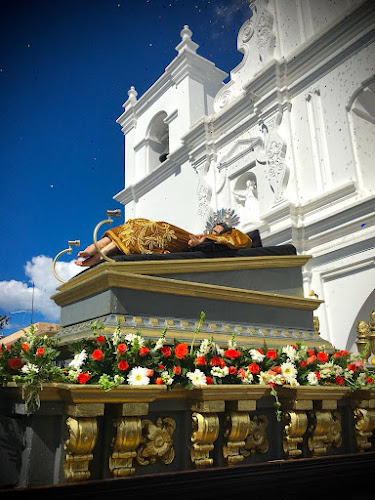
- El Calvario Church: Gritty and stately, this old church is more than just a pretty facade. It’s a cornerstone for locals and almost always alive with traditional celebrations—especially around Holy Week. Don’t skip the view at sunset.
- Handmade Markets: It feels like every corner of Chiquimula is draped in bright, handwoven textiles, produce piled in vibrant chaos, and busy food vendors. Even for non-shoppers (I’m more of a “snack and watch” kind of person), the market is a sensory adventure.
- Traditional Cuisine: Sample mouthwatering tamales chiquimultecos, thick corn tortillas hot off the griddle, and classic Guatemalan stews. If you’re a coffee nut like me, try the local beans—they’re rich, earthy, and weirdly comforting.
- May Day & Religious Festivals: Depending on the season, you might stumble into a wild festival with fireworks, parades, music, and every relative in the city out to celebrate. If crowds aren’t your thing, plan accordingly, but if you love local culture, it's prime time.
- Warm, Semi-Arid Climate: Hot days and mild nights make shorts and t-shirts your best friend, but bring that sunblock—you’ll need it more than you think.
- Gateway to Adventure: Chiquimula makes a great launching pad for visiting places like Esquipulas (the famous Black Christ Basilica), mountain hamlets, or the Honduras border if you’re in for a cross-country jaunt.
- Friendly Locals: Maybe it’s the heat, maybe it’s the coffee, but folks here are quick with a smile and happy to point a stranger toward the next hidden taco stand.
- River Walks and City Parks: While Chiquimula isn’t exactly overrun with green spaces, its makeshift riverside hangouts are legit local hangouts, with plenty of shade and snacks to help you decompress after a day of exploring.
Best Time to Visit
Alright, let’s talk weather. Chiquimula is one of the sunniest places in Guatemala, sometimes bordering on blazing in the "dry season" (roughly November to April). For some folks, myself included, the dry spells are perfect: blue skies, minimal rain, everything just sort of glows. But—and here’s my two quetzales—pack light clothes and drink more water than you think you’ll need. If you arrive after the first real rains in May or June, you’ll smell that delicious scent of earth waking up, plus the parched surroundings look surprisingly lush. But, the trade-off is you might get caught in an afternoon downpour, which is its own experience—there’s nothing quite like the sound of rain on old tin roofs while you wait for it to pass over a cup of sweet atol.
If festivals are your jam, keep an eye on religious calendar dates. Semana Santa (Holy Week) gets downright dramatic; processions wind through the city and every hostel books up fast, with the scent of incense clinging to everything. For a more mellow, low-key visit, try February or September—weather’s decent, and you’ll dodge the festival crowds. Honestly, you can find something interesting here in almost any month, but don’t say I didn’t warn you about that midday heat!
How to Get There
Getting to Chiquimula is both part of the fun and, at times, a test of your patience—I won’t sugarcoat it. From Guatemala City, you’re looking at a bus ride of around 3 to 4 hours, depending on traffic and your choice of bus (the slower "chicken buses" will give you a crash-course in Guatemalan pop music, if nothing else). Several daily buses run from the city’s main terminals, and yes, they do stop for snacks. I once made the mistake of not buying roadside plantain chips early enough…rookie move!
If you're coming from the El Salvador or Honduras side, Chiquimula is super accessible. The Zacapa-Chiquimula highway is your main route, and honestly, unless you’re tackling it with your own wheels, local minibuses or shuttles are pretty easy to arrange. Don’t expect fancy bus terminals or pre-booked tickets in most cases—half the fun is flagging down those colorfully painted buses that feel like time machines. And a little tip: sit on the side opposite the sun (trust me on this when it comes to air conditioning that may or may not work).
For drivers: the roads are mostly paved, but those mountain switchbacks can get gnarly. If you’re up for one of those “will-my-brakes-make-it?” adventures, you’ll be rewarded with some epic views and the kind of bragging rights only a road trip through eastern Guatemala can give. Just remember to fill up your tank in Zacapa—the next gas isn’t a guarantee.
Tips for Visiting
- Learn a Few Phrases: The city isn’t packed with English speakers, so brushing up on basic Spanish will open doors (and get you better prices at the market).
- Bring Cash: Most shops, street vendors, and even some hotels are strictly cash-only, and finding an ATM that works with foreign cards can be more challenging than you’d think. Bring extra—nobody likes scrambling for quetzals.
- Beat the Heat: This place bakes in the afternoon sun. Siesta is real here—wander in the morning, crash mid-day, then get back out late afternoon. Parks and river spots are handy for a cool-down.
- Sample Local Eats: If you see a crowd around a food cart, join in. My all-time favorite? Tamalitos wrapped in banana leaves. And don’t shy away from the strange fruit smoothies—they’ll surprise you in a good way.
- Get Off the Main Road: Some of the best finds—like old murals or hole-in-the-wall eateries—are tucked away down random alleys. Half of Chiquimula’s charm is walking aimlessly and stumbling into something fascinating. Don’t stick to the guidebook route.
- Safety Basics: Chiquimula’s generally relaxed, but stay sharp like you would anywhere else. Watch your stuff, avoid super-quiet areas at night, and ask your hotel about current local events or quirks (sometimes roads close for big parades).
- Bring a Daypack: I know, nearly everyone says this, but you’ll thank yourself. Throw in a reusable water bottle, sunglasses, a rain poncho if it's shoulder season, and—pro move—a few napkins for street snacks.
- Visit Esquipulas: No, it’s not technically Chiquimula, but it’s close enough and the basilica there is unforgettable. Easy day trip if you have a morning to spare.
- Stay Curious: Locals love sharing their town’s stories (and a few jokes at your expense, fair warning). Strike up chats in the plaza or at lunch. You’ll walk away not just with sunscreen stains, but with memories you’ll keep telling everywhere else you go in Guatemala.
Key Features
- Key Features
- Best Time to Visit
- How to Get There
- Tips for Visiting
More Details
Updated July 2, 2025
Table of Contents
Description
Let me tell you—Chiquimula, Guatemala, is a spot that doesn’t always top the usual Guatemala must-see lists, but honestly, that’s probably what gives it that extra kick of adventure. Most travelers cruise right by on their way to Belize or Honduras, kinda missing the beauty right under their noses. Locally, it’s got this proud nickname—La perla del oriente—which I take to mean “the jewel of the east.” After wandering its lively streets and poking around its markets, I get why the locals are into it. The city, serving as both the departmental and municipal capital, pulses with authenticity—you won’t find rows of postcard-perfect bistros or over-polished resorts here, but you’ll get real-deal Guatemala, like the kind your guidebook rarely gushes about.
One thing I noticed on my first chaotic morning in Chiquimula: Life kicks off early. The air is thick with tortillas flipping on comales and the insistent yapping of street dogs. If big, glossy cities make you squirm (guilty), this smallish city’s manageable size is a relief. It’s walkable, friendly, and packed with character, plus there’s enough colorful buses and pickups rolling through town to keep even the most hardcore people-watcher busy. There’s history in every alley—think old colonial churches, murals that double as makeshift history lessons, and food stalls pushing every banana, mango, and mysterious fried thing you could possibly desire. You can practically taste the mixture of Mayan and colonial heritage here, especially when you’re sweating over spicy pepian or sipping a jugo de tamarindo. I suppose Chiquimula’s magic is found in the in-betweens: between Guatemalan highland cool and lowland heat, between the ancient and the still-unfolding now.
Key Features
- El Calvario Church: Gritty and stately, this old church is more than just a pretty facade. It’s a cornerstone for locals and almost always alive with traditional celebrations—especially around Holy Week. Don’t skip the view at sunset.
- Handmade Markets: It feels like every corner of Chiquimula is draped in bright, handwoven textiles, produce piled in vibrant chaos, and busy food vendors. Even for non-shoppers (I’m more of a “snack and watch” kind of person), the market is a sensory adventure.
- Traditional Cuisine: Sample mouthwatering tamales chiquimultecos, thick corn tortillas hot off the griddle, and classic Guatemalan stews. If you’re a coffee nut like me, try the local beans—they’re rich, earthy, and weirdly comforting.
- May Day & Religious Festivals: Depending on the season, you might stumble into a wild festival with fireworks, parades, music, and every relative in the city out to celebrate. If crowds aren’t your thing, plan accordingly, but if you love local culture, it’s prime time.
- Warm, Semi-Arid Climate: Hot days and mild nights make shorts and t-shirts your best friend, but bring that sunblock—you’ll need it more than you think.
- Gateway to Adventure: Chiquimula makes a great launching pad for visiting places like Esquipulas (the famous Black Christ Basilica), mountain hamlets, or the Honduras border if you’re in for a cross-country jaunt.
- Friendly Locals: Maybe it’s the heat, maybe it’s the coffee, but folks here are quick with a smile and happy to point a stranger toward the next hidden taco stand.
- River Walks and City Parks: While Chiquimula isn’t exactly overrun with green spaces, its makeshift riverside hangouts are legit local hangouts, with plenty of shade and snacks to help you decompress after a day of exploring.
Best Time to Visit
Alright, let’s talk weather. Chiquimula is one of the sunniest places in Guatemala, sometimes bordering on blazing in the “dry season” (roughly November to April). For some folks, myself included, the dry spells are perfect: blue skies, minimal rain, everything just sort of glows. But—and here’s my two quetzales—pack light clothes and drink more water than you think you’ll need. If you arrive after the first real rains in May or June, you’ll smell that delicious scent of earth waking up, plus the parched surroundings look surprisingly lush. But, the trade-off is you might get caught in an afternoon downpour, which is its own experience—there’s nothing quite like the sound of rain on old tin roofs while you wait for it to pass over a cup of sweet atol.
If festivals are your jam, keep an eye on religious calendar dates. Semana Santa (Holy Week) gets downright dramatic; processions wind through the city and every hostel books up fast, with the scent of incense clinging to everything. For a more mellow, low-key visit, try February or September—weather’s decent, and you’ll dodge the festival crowds. Honestly, you can find something interesting here in almost any month, but don’t say I didn’t warn you about that midday heat!
How to Get There
Getting to Chiquimula is both part of the fun and, at times, a test of your patience—I won’t sugarcoat it. From Guatemala City, you’re looking at a bus ride of around 3 to 4 hours, depending on traffic and your choice of bus (the slower “chicken buses” will give you a crash-course in Guatemalan pop music, if nothing else). Several daily buses run from the city’s main terminals, and yes, they do stop for snacks. I once made the mistake of not buying roadside plantain chips early enough…rookie move!
If you’re coming from the El Salvador or Honduras side, Chiquimula is super accessible. The Zacapa-Chiquimula highway is your main route, and honestly, unless you’re tackling it with your own wheels, local minibuses or shuttles are pretty easy to arrange. Don’t expect fancy bus terminals or pre-booked tickets in most cases—half the fun is flagging down those colorfully painted buses that feel like time machines. And a little tip: sit on the side opposite the sun (trust me on this when it comes to air conditioning that may or may not work).
For drivers: the roads are mostly paved, but those mountain switchbacks can get gnarly. If you’re up for one of those “will-my-brakes-make-it?” adventures, you’ll be rewarded with some epic views and the kind of bragging rights only a road trip through eastern Guatemala can give. Just remember to fill up your tank in Zacapa—the next gas isn’t a guarantee.
Tips for Visiting
- Learn a Few Phrases: The city isn’t packed with English speakers, so brushing up on basic Spanish will open doors (and get you better prices at the market).
- Bring Cash: Most shops, street vendors, and even some hotels are strictly cash-only, and finding an ATM that works with foreign cards can be more challenging than you’d think. Bring extra—nobody likes scrambling for quetzals.
- Beat the Heat: This place bakes in the afternoon sun. Siesta is real here—wander in the morning, crash mid-day, then get back out late afternoon. Parks and river spots are handy for a cool-down.
- Sample Local Eats: If you see a crowd around a food cart, join in. My all-time favorite? Tamalitos wrapped in banana leaves. And don’t shy away from the strange fruit smoothies—they’ll surprise you in a good way.
- Get Off the Main Road: Some of the best finds—like old murals or hole-in-the-wall eateries—are tucked away down random alleys. Half of Chiquimula’s charm is walking aimlessly and stumbling into something fascinating. Don’t stick to the guidebook route.
- Safety Basics: Chiquimula’s generally relaxed, but stay sharp like you would anywhere else. Watch your stuff, avoid super-quiet areas at night, and ask your hotel about current local events or quirks (sometimes roads close for big parades).
- Bring a Daypack: I know, nearly everyone says this, but you’ll thank yourself. Throw in a reusable water bottle, sunglasses, a rain poncho if it’s shoulder season, and—pro move—a few napkins for street snacks.
- Visit Esquipulas: No, it’s not technically Chiquimula, but it’s close enough and the basilica there is unforgettable. Easy day trip if you have a morning to spare.
- Stay Curious: Locals love sharing their town’s stories (and a few jokes at your expense, fair warning). Strike up chats in the plaza or at lunch. You’ll walk away not just with sunscreen stains, but with memories you’ll keep telling everywhere else you go in Guatemala.
Key Highlights
- Key Features
- Best Time to Visit
- How to Get There
- Tips for Visiting
Location
Places to Stay Near Chiquimula
Find and Book a Tour
Explore More Travel Guides
No reviews found! Be the first to review!
Traveler Reviews for Chiquimula
There are no reviews yet. Be the first one to write one.
Have you visited Chiquimula? Help other travelers by sharing your review.
You Might Also Like
El SITIO
infantil Barrio Sasmó Park

Iglesia de la Santísima Trinidad
Find Accommodations Nearby
Recommended Tours & Activities
Visitor Reviews
There are no reviews yet. Be the first one to write one.
Share Your Experience
Have you visited Chiquimula? Help other travelers by leaving a review.