
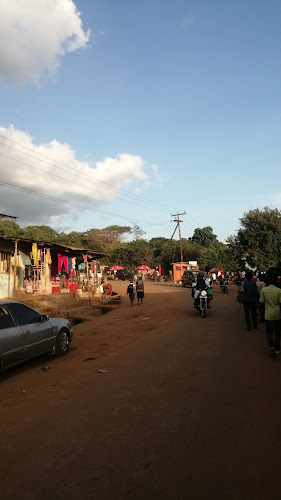
Chipasula Market
About Chipasula Market
Description
Chipasula Market in Lilongwe is one of those places that makes you feel like you’ve genuinely arrived somewhere — not just another stop on a travel itinerary, but a living, breathing part of Malawi’s daily rhythm. It’s not the biggest or the flashiest market in the city, but that’s exactly what makes it special. The market hums with an easy energy, a kind of organized chaos that’s both fascinating and oddly comforting once you settle into its pace. You’ll see vendors chatting across stalls, kids darting between narrow aisles, and the occasional goat or chicken making an unscheduled appearance. It’s authentic, unfiltered, and very human.
What makes Chipasula Market stand out is how grounded it feels. It’s where locals come to buy fresh produce, household goods, and handmade crafts, but it’s also a place where stories are exchanged and community bonds are strengthened. The air carries a mix of scents — roasted maize, earthy spices, and freshly cut greens. And yes, sometimes it’s a bit overwhelming at first, especially if you’re not used to open-air markets, but give it a few minutes and you’ll start to appreciate its rhythm.
The market is also quite accessible, which is refreshing. There’s a wheelchair-friendly entrance and parking area, something you don’t find everywhere in Malawi’s older marketplaces. It’s a sign that Chipasula is evolving — staying true to its roots while opening up to more visitors. The people here are friendly in that genuine Malawian way — curious but never pushy. If you show interest in what they’re selling or ask about how something is made, they’ll often tell you the story behind it. I once spent twenty minutes chatting with a woman selling handwoven baskets, and she ended up teaching me how to tell the difference between locally made ones and imported ones. Those are the moments that stick with you.
Chipasula Market might not be perfect — it can get muddy after a rain, and prices can fluctuate depending on the day — but that’s part of its charm. It’s real. It’s the kind of place that doesn’t pretend to be something it’s not. And if you’re traveling through Lilongwe and want to see the city beyond the polished hotels and government buildings, this is one of the best spots to do it.
Key Features
- Wide range of locally grown fruits, vegetables, and spices
- Handcrafted baskets, textiles, and traditional Malawian souvenirs
- Wheelchair accessible entrance and parking area
- Friendly and approachable local vendors
- Affordable prices compared to larger city markets
- Freshly prepared street food and snacks
- Authentic glimpse into Malawian daily life
Best Time to Visit
If you want the full experience, go in the morning — around 8 or 9 a.m. That’s when the market really wakes up. The produce is freshest, the vendors are energetic, and the crowds haven’t yet reached their midday peak. Late afternoons can also be pleasant if you prefer a slower pace, though some stalls start closing by sunset.
Avoid visiting right after heavy rains if you can — the ground can get slippery, and navigating the narrow aisles becomes a bit of a challenge. The dry season, from May to October, is probably the most comfortable time to explore. The weather stays mild, and the air feels lighter. But honestly, there’s no bad time to visit if you’re up for a bit of adventure.
How to Get There
Getting to Chipasula Market is fairly straightforward if you’re staying in Lilongwe. Most visitors take a taxi or a local minibus, which is the cheapest option and also part of the experience. The minibuses can be crowded, sure, but they’re reliable and give you a glimpse of local life en route. If you prefer comfort, a private driver or rideshare is the way to go — especially if you’re carrying shopping bags or camera gear.
For those who enjoy walking, the market is within a reasonable distance from several central neighborhoods, but keep in mind that sidewalks can be uneven. If you’re driving, parking is available near the entrance, and it’s well-organized compared to some other markets in the city. The area is generally safe during the day, but it’s best to leave before dark, as lighting can be limited in the surrounding streets.
Tips for Visiting
Here’s the thing about Chipasula Market — it rewards curiosity. The more you engage with people, the richer your experience becomes. So don’t be shy to ask questions, haggle a little, or even taste something new. Just do it with respect and a smile.
- Bring small bills: Vendors often don’t have change for large notes, and it makes transactions smoother.
- Watch your belongings: It’s safe overall, but like any busy market, it’s smart to keep an eye on your bag.
- Try the local snacks: There’s usually someone frying mandasi (Malawian doughnuts) or roasting maize nearby — don’t skip it!
- Ask before taking photos: Most people are fine with it, but it’s polite to ask first.
- Wear comfortable shoes: The ground can be uneven, and you’ll be walking a lot.
- Go early for the best selection: Especially if you’re after fresh produce or handmade crafts.
One thing I learned the hard way — always carry a reusable bag. I once ended up juggling a bunch of mangoes, two woven mats, and a bag of peanuts because I forgot mine. Not my finest travel moment.
Chipasula Market isn’t just a place to shop; it’s a place to connect. You’ll leave with more than just souvenirs — maybe a few new friends, a story or two, and a deeper appreciation for the everyday beauty of Malawian life. And if you’re lucky, you might even catch a spontaneous song or two from the vendors. That’s the kind of magic you can’t plan for — you just have to show up and let it happen.
Key Features
- Wide range of locally grown fruits, vegetables, and spices
- Handcrafted baskets, textiles, and traditional Malawian souvenirs
- Wheelchair accessible entrance and parking area
- Friendly and approachable local vendors
- Affordable prices compared to larger city markets
- Freshly prepared street food and snacks
- Authentic glimpse into Malawian daily life
More Details
Updated October 8, 2025
Table of Contents
Description
Chipasula Market in Lilongwe is one of those places that makes you feel like you’ve genuinely arrived somewhere — not just another stop on a travel itinerary, but a living, breathing part of Malawi’s daily rhythm. It’s not the biggest or the flashiest market in the city, but that’s exactly what makes it special. The market hums with an easy energy, a kind of organized chaos that’s both fascinating and oddly comforting once you settle into its pace. You’ll see vendors chatting across stalls, kids darting between narrow aisles, and the occasional goat or chicken making an unscheduled appearance. It’s authentic, unfiltered, and very human.
What makes Chipasula Market stand out is how grounded it feels. It’s where locals come to buy fresh produce, household goods, and handmade crafts, but it’s also a place where stories are exchanged and community bonds are strengthened. The air carries a mix of scents — roasted maize, earthy spices, and freshly cut greens. And yes, sometimes it’s a bit overwhelming at first, especially if you’re not used to open-air markets, but give it a few minutes and you’ll start to appreciate its rhythm.
The market is also quite accessible, which is refreshing. There’s a wheelchair-friendly entrance and parking area, something you don’t find everywhere in Malawi’s older marketplaces. It’s a sign that Chipasula is evolving — staying true to its roots while opening up to more visitors. The people here are friendly in that genuine Malawian way — curious but never pushy. If you show interest in what they’re selling or ask about how something is made, they’ll often tell you the story behind it. I once spent twenty minutes chatting with a woman selling handwoven baskets, and she ended up teaching me how to tell the difference between locally made ones and imported ones. Those are the moments that stick with you.
Chipasula Market might not be perfect — it can get muddy after a rain, and prices can fluctuate depending on the day — but that’s part of its charm. It’s real. It’s the kind of place that doesn’t pretend to be something it’s not. And if you’re traveling through Lilongwe and want to see the city beyond the polished hotels and government buildings, this is one of the best spots to do it.
Key Features
- Wide range of locally grown fruits, vegetables, and spices
- Handcrafted baskets, textiles, and traditional Malawian souvenirs
- Wheelchair accessible entrance and parking area
- Friendly and approachable local vendors
- Affordable prices compared to larger city markets
- Freshly prepared street food and snacks
- Authentic glimpse into Malawian daily life
Best Time to Visit
If you want the full experience, go in the morning — around 8 or 9 a.m. That’s when the market really wakes up. The produce is freshest, the vendors are energetic, and the crowds haven’t yet reached their midday peak. Late afternoons can also be pleasant if you prefer a slower pace, though some stalls start closing by sunset.
Avoid visiting right after heavy rains if you can — the ground can get slippery, and navigating the narrow aisles becomes a bit of a challenge. The dry season, from May to October, is probably the most comfortable time to explore. The weather stays mild, and the air feels lighter. But honestly, there’s no bad time to visit if you’re up for a bit of adventure.
How to Get There
Getting to Chipasula Market is fairly straightforward if you’re staying in Lilongwe. Most visitors take a taxi or a local minibus, which is the cheapest option and also part of the experience. The minibuses can be crowded, sure, but they’re reliable and give you a glimpse of local life en route. If you prefer comfort, a private driver or rideshare is the way to go — especially if you’re carrying shopping bags or camera gear.
For those who enjoy walking, the market is within a reasonable distance from several central neighborhoods, but keep in mind that sidewalks can be uneven. If you’re driving, parking is available near the entrance, and it’s well-organized compared to some other markets in the city. The area is generally safe during the day, but it’s best to leave before dark, as lighting can be limited in the surrounding streets.
Tips for Visiting
Here’s the thing about Chipasula Market — it rewards curiosity. The more you engage with people, the richer your experience becomes. So don’t be shy to ask questions, haggle a little, or even taste something new. Just do it with respect and a smile.
- Bring small bills: Vendors often don’t have change for large notes, and it makes transactions smoother.
- Watch your belongings: It’s safe overall, but like any busy market, it’s smart to keep an eye on your bag.
- Try the local snacks: There’s usually someone frying mandasi (Malawian doughnuts) or roasting maize nearby — don’t skip it!
- Ask before taking photos: Most people are fine with it, but it’s polite to ask first.
- Wear comfortable shoes: The ground can be uneven, and you’ll be walking a lot.
- Go early for the best selection: Especially if you’re after fresh produce or handmade crafts.
One thing I learned the hard way — always carry a reusable bag. I once ended up juggling a bunch of mangoes, two woven mats, and a bag of peanuts because I forgot mine. Not my finest travel moment.
Chipasula Market isn’t just a place to shop; it’s a place to connect. You’ll leave with more than just souvenirs — maybe a few new friends, a story or two, and a deeper appreciation for the everyday beauty of Malawian life. And if you’re lucky, you might even catch a spontaneous song or two from the vendors. That’s the kind of magic you can’t plan for — you just have to show up and let it happen.
Key Highlights
- Wide range of locally grown fruits, vegetables, and spices
- Handcrafted baskets, textiles, and traditional Malawian souvenirs
- Wheelchair accessible entrance and parking area
- Friendly and approachable local vendors
- Affordable prices compared to larger city markets
- Freshly prepared street food and snacks
- Authentic glimpse into Malawian daily life
Location
Places to Stay Near Chipasula Market
Find and Book a Tour
Explore More Travel Guides
No reviews found! Be the first to review!
Traveler Reviews for Chipasula Market
There are no reviews yet. Be the first one to write one.
Have you visited Chipasula Market? Help other travelers by sharing your review.
You Might Also Like

Kumbali Country Lodge

Lilongwe Wildlife Centre

Kumbali Castle Gardens
Find Accommodations Nearby
Recommended Tours & Activities
Visitor Reviews
There are no reviews yet. Be the first one to write one.
Share Your Experience
Have you visited Chipasula Market? Help other travelers by leaving a review.