
Chernivtsi Regional Art Museum
About Chernivtsi Regional Art Museum
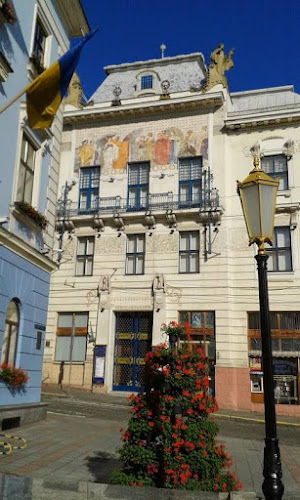
The Chernivtsi Regional Art Museum sits in an opulent building that turns heads even before the first painting is seen. The museum preserves and displays Bukovinian and Ukrainian art that stretches from the 18th century to the present day, offering travelers a clear thread through regional history, artistic movements, and cultural identity. Visitors who care about architecture as much as brush strokes will appreciate that the building itself is part of the experience: ornate ceilings, decorative moldings, and a scale that whispers of a different era. It feels like stepping into a story — only, the story keeps changing room by room.
The collection emphasizes local narratives without being insular. Old icons and religious panels sit near realist canvases that depict everyday life in Bukovina, while 20th- and 21st-century works push into modern currents of Ukrainian art. The museum does a good job of balancing historical pieces with contemporary voices, so a visitor can track stylistic evolutions and also catch how local artists respond to national and global events. For a traveler who came here expecting only museum-standard hush and rope barriers, the variety often comes as a pleasant surprise.
Practical note, and this is important for planning: the museum does provide public restrooms, but other visitor amenities are limited — there is no on-site restaurant, and the building is not equipped with a wheelchair accessible entrance, wheelchair parking, or wheelchair-accessible restrooms. That last point matters. The institution welcomes families and kids; many exhibits are engaging for younger eyes, and caretakers will find plenty to point at and ask questions about. But for anyone with mobility needs, the lack of full accessibility is a real constraint and should be considered when plotting an itinerary.
The museum tells its tale in several ways. Historical paintings offer context about the daily life and landscape of Bukovina across centuries. Folk art and religious icons anchor local traditions and rituals. Portraits of local figures show how identity, class, and ethnicity played into the region’s history. And contemporary exhibitions — rotating and often curated to spark conversation — show how modern Ukrainian artists reinterpret that same heritage. The result is a layered narrative: past and present in conversation rather than competition. Visitors often leave feeling they understand Chernivtsi and Bukovina a little better than they did when they walked in.
One of the pleasant surprises for many travelers is how the museum's layout encourages slow looking. Galleries are generally intimate rather than cavernous, which makes it easy to stop and take the time needed to appreciate brush technique, color mixing, and the small, telling details in folk textiles. The smallness is a strength; it makes the museum manageable in a single visit without that museum-fatigue that can plague larger institutions. That said, a deep dive will reward you — several rooms house works that merit lingering, sketching, or a quiet photograph taken for memory (non-flash, of course, and mind the signage about photography in special exhibitions).
The museum is also quietly educational. Wall labels are written clearly, offering historical context that helps a tourist — who might not know much about Bukovinian history — place the works in time and social setting. And the curators sometimes add short essays or thematic groupings that tie disparate pieces together in illuminating ways. For travelers who enjoy connecting the dots between art and place, this approach turns a visit into a mini-course in local cultural history.
For those who like a story, here’s a small one the guide’s writer remembers: on a bleary late-October afternoon, a group of schoolchildren tumbled into a gallery, excited and loud, and a docent greeted them with a quick drawing game. Within minutes the room was full of pointed fingers and loud interpretations of what a particular landscape meant. The grown-ups watching nearby couldn't help but smile. It was messy, human, wholly alive — a reminder that museums are not mausoleums but living places where people, young and old, make sense of the world. That memory sticks because it shows the museum’s role in community life, not just in tour-guide lists.
Travelers who prioritize photography will find many photogenic corners — the interior ornamentation, the framed works against textured walls, and small alcoves that throw interesting light in the late afternoon. And for those who like to combine stops, the museum's central-ish location makes it possible to pair a visit with walking tours of the surrounding city, historic streets, and nearby monuments. But again: there is no restaurant inside the museum. Plan a café or picnic stop for after the visit; that way the visit feels complete, not rushed.
The museum also functions as a cultural hub. Temporary exhibitions, small-scale lectures, and occasional art events give repeat visitors a reason to return. For a traveler staying several days in Chernivtsi, it’s worth checking whether special exhibitions or curator talks coincide with the trip, because these usually add depth. When the museum hosts contemporary artists from Ukraine and across the region, the contrast with the historical holdings can be striking and illuminating.
Another useful, but often overlooked, detail: the museum’s interpretive focus tends to favor narrative over pure formalist analysis. That means labels often connect works to broader cultural stories — migration, ethnography, religious practice, or local craft traditions. For many travelers unfamiliar with Bukovina and the region’s complex past, this approach makes the collection approachable. It’s the sort of place where a visitor can walk away with concrete knowledge — like the importance of folk motifs, or how regional identity persisted under various state regimes — rather than only a vague appreciation of beauty.
And yes, like many regional museums, it shows its age in places. The building’s charms come with the usual trade-offs: some galleries feel snug, and signage can be uneven. That adds character, though; it’s not sterile, it’s lived-in. A traveller who expects marble-floored modern museum buildings may be surprised — and in a good way, often — by the museum’s bold historic personality. Still, for anyone needing full accessibility, the limitations previously mentioned may outweigh the charm.
For families, the museum’s scale and subject matter make it a solid stop. Exhibits with folk costumes and religious icons often engage kids’ curiosity, while contemporary and humor-filled pieces provide moments of surprise. There are no interactive children’s zones as in some modern museums, but the exhibits naturally lend themselves to questions and small activities: count the patterns, note the colors, guess the period. The museum staff are generally patient with families, and school groups are a common sight so there’s a gentle, communal energy most days.
In terms of visitor sentiment, travelers often describe the museum as a highlight of the city’s cultural offerings. That said, reactions vary depending on expectations: visitors who want an ultra-accessible, full-amenity tourist center may find it lacking, while those seeking authentic regional art in an evocative setting typically leave pleased. So the wise traveler will match expectations to experience: come for the art and architecture, the local narratives, and the quietly curated contrasts between old and new.
Finally, a quick travel-minded suggestion tucked into the description because practical details make or break a day trip: budget roughly 1.5 to 2 hours for a thoughtful visit. That allows time to wander, read labels, and enjoy the building itself without hurrying. If a special exhibition is on, add another 30–45 minutes. Bring a small notebook; there is a lot to jot down, and paper doesn’t need batteries. And if the day is crisp, plan a post-visit coffee break nearby to talk through impressions — museums are best digested with company, and Chernivtsi’s streets offer plenty of atmospheric places to sit.
Overall, the Chernivtsi Regional Art Museum rewards travelers who come with curiosity and a tolerance for older buildings that prioritize charm over full modern comfort. It is a place for learners, for those who appreciate local stories told through paint and fabric, and for anyone who enjoys seeing how art stitches together regional history and contemporary thought. The museum is not a polished international mega-museum; it’s something more personal, honest, and — if the visitor allows it — memorably human.
Key Features
Chernivtsi Regional Art Museum
You Might Also Like
750 Rokiv Mistu Novohrad-Volynsʹkyy
Akvapark Terminal
Aqua Rio Park
Tours & Activities
GetYourGuide provides this tour inventory. We may earn a commission if you book through it; verify current availability, prices, and terms with the provider.
Visitor Reviews
There are no reviews yet. Be the first one to write one.
Share Your Experience
Have you visited Chernivtsi Regional Art Museum? Help other travelers by leaving a review.