
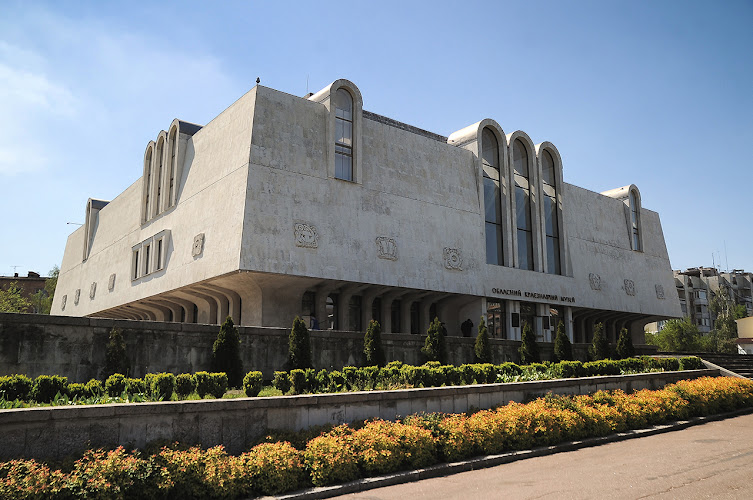
Cherkasy Regional Museum
About Cherkasy Regional Museum
The Cherkasy Regional Museum stands as one of the city's oldest cultural anchors, founded around 1918 and devoted to the local history and life of the Cherkasy region. The museum is less about flashy blockbuster exhibits and more about slow, careful storytelling: rooms of artifacts, photographs with edges a little browned, textile fragments that smell faintly of time. It is a local history museum in the truest sense — an institution that quietly collects, conserves, and interprets artifacts spanning Cossack-era objects, peasant life, industrial development, and the modern history of Cherkasy Oblast. For travelers who like to understand a place beyond its surface, this museum is the kind of stop that rewards patience and curiosity.
Its collection is broad rather than narrowly specialized. Exhibits range from archaeological finds and household items to regional art and documents chronicling social and political change in Ukraine. There is a noticeable emphasis on the ways ordinary people lived — agriculture, crafts, family life — and on the local role in larger historical currents, including moments that shaped the nation. The museum’s displays often highlight the Cossack legacy, a recurring thread in the Cherkasy region story, and include artifacts tied to notable cultural figures such as Taras Shevchenko, whose legacy is woven into the cultural fabric here.
Visitors will not find perfectly staged, museum-district-level glamour. Instead, there is an earnestness to the Cherkasy Regional Museum that appeals to travelers who prefer authenticity. Lighting is practical not dramatic; labels are informative, though not always in multiple languages; some cases show visible signs of age. These are not faults so much as character. The museum’s long history — over a century of collecting, reorganizing, and interpreting — is visible in the building itself and in the layers of exhibits. For some people that sense of continuity is thrilling. For others who expect interactive displays and slick graphics, it will feel dated. Both reactions are valid.
Accessibility matters here: the museum provides a wheelchair accessible entrance, which is helpful because many historical buildings in the region lack such conveniences. Restrooms are available on site, which is a relief for families and older visitors. There is no restaurant attached to the building, so plan accordingly if hunger strikes mid-visit. On the upside, the location places the museum close enough to local cafes and bakeries that a quick, excellent coffee is seldom more than a short walk away.
What often surprises first-time visitors is how many small, intimate stories the museum holds. An embroidered shirt might reveal trade connections; a tool can explain a vanished craft; a wartime photograph captures the expressions of people who would otherwise have been anonymous. The display method sometimes favors grouping artifacts thematically rather than chronologically, an approach that invites reflection on culture and continuity. And, to be candid, some rooms still rely on the older style of museography: case after case with careful but flat lighting. It’s easy to nitpick — but the charm is in the details. Someone who enjoys reading labels and imagining lives will easily spend an hour or two here without feeling rushed.
Educational programs and rotating expositions surface periodically, bringing fresh material into the mix — local artists, school projects, and special exhibitions on regional topics do pop up. The museum acts as a modest cultural hub within Cherkasy city: it hosts school groups, local historians, and researchers. People who are especially into archival work will find a trove of documents and photographs waiting, though they should plan for appointments if they want deep access. The museum’s staff tend to be dedicated and fairly knowledgeable; they care about the collection and often have the kind of local stories and context that guidebooks miss.
From a traveler’s perspective, the Cherkasy Regional Museum is best approached with modest expectations and an appetite for local detail. It is not a glossy national museum; it is regional, and proud of being so. That regional focus yields advantages: there are artifacts and narratives rarely found in larger museums, and that specificity helps visitors understand how Cherkasy Oblast fits into the broader sweep of Ukrainian history. Those who love regional history will find moments of genuine delight — objects that tell a line of continuity from rural households to modern urban life.
Practical notes that tend to matter to visitors: signage and explanations are mostly in Ukrainian and Russian; English-friendly labels exist but are not uniformly present. If a traveler does not read Ukrainian or Russian, they can still enjoy the visual story, but will miss some nuances. A simple workaround: bring a translation app, or schedule a visit with a local guide who can add context and color. The museum is child-friendly — good for kids — and families who bring children often find the tactile and visual items hold their attention, though there are few hands-on displays. Parents should expect a calm, contemplative experience rather than an interactive playground.
One little anecdote the author recalls: on a damp afternoon several years ago, a small group of students clustered around a case displaying traditional embroidered garments. The guide — local, warm, and conversational — told a story about the stitch patterns indicating regional identity, and the students listened, rapt. The atmosphere was that of a living classroom, not a sterile gallery. The memory sticks precisely because the museum can feel personal in ways that larger institutions sometimes can’t. That kind of encounter is exactly what many travelers hope for: a human connection to the place they are visiting.
The museum also functions as a community memory bank. Local events, seasonal exhibitions, and projects with schools are common. This civic aspect means that the museum can feel very local: it is a place where people come not just to see history, but to bring and preserve it. Because of that, visitors who show genuine curiosity — asking questions, lingering by particular displays — often get a warm, thoughtful response from staff or volunteers. However, if visitors are in a hurry and hope to speed through with a few quick photos, they may find the space less accommodating for that kind of visit.
For those interested in military history and wartime records, several exhibits touch on 20th-century conflicts, including how these impacted Cherkasy and the surrounding territories. The displays treat these topics soberly, with artifacts, photographs, and personal documents. It’s not sensationalized; it is respectful and local, and that restraint is notable. Meanwhile, art lovers will appreciate selections of regional works that reflect local aesthetic traditions and social history — paintings, sketches, and folk art that say a lot about everyday sensibilities across decades.
Traveler tips woven into the experience: the museum rewards slow reading, and so does Cherkasy as a city. Combining a museum visit with a leisurely walk through nearby streets, a stop for a pastry, or a view of the Dnipro River makes for a fuller experience. Because there is no on-site restaurant, planning a lunch break before or after the museum is sensible. Also, peak domestic tourist seasons can make the small rooms feel busier than expected, so midweek visits often feel calmer and more contemplative.
In sum, the Cherkasy Regional Museum is an unpretentious place with a big local heart. It is an excellent stop on a regional itinerary for travelers who want to dig beneath the surface of Cherkasy city and Cherkasy Oblast. Expect carefully curated local history and culture, honest displays, helpful staff, and the occasional delight that only a regional museum with a long history can provide. It is not perfect; some parts show their age and multilingual interpretation is limited. But the museum’s strengths — its archival depth, community role, and ability to make history tangible — more than compensate. For many visitors, the museum becomes a highlight precisely because it feels like a local secret turned warmly open to anyone willing to look closely.
Key Features
Cherkasy Regional Museum
You Might Also Like
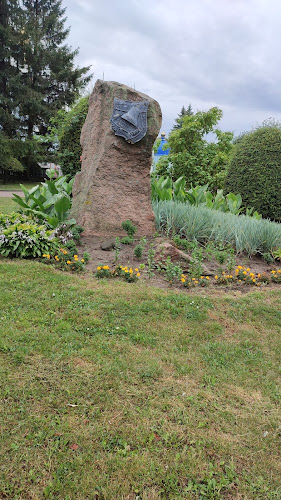
750 Rokiv Mistu Novohrad-Volynsʹkyy
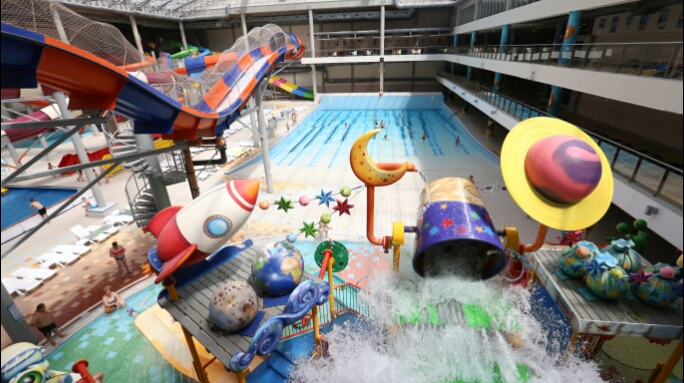
Akvapark Terminal
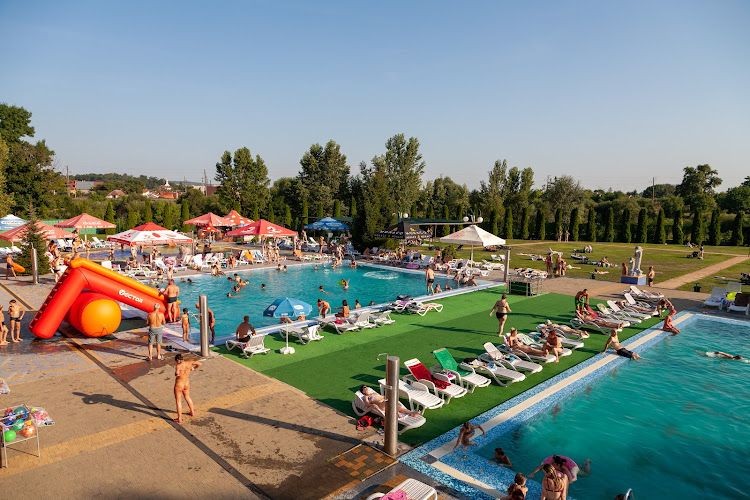
Aqua Rio Park
Tours & Activities
GetYourGuide provides this tour inventory. We may earn a commission if you book through it; verify current availability, prices, and terms with the provider.
Visitor Reviews
There are no reviews yet. Be the first one to write one.
Share Your Experience
Have you visited Cherkasy Regional Museum? Help other travelers by leaving a review.