
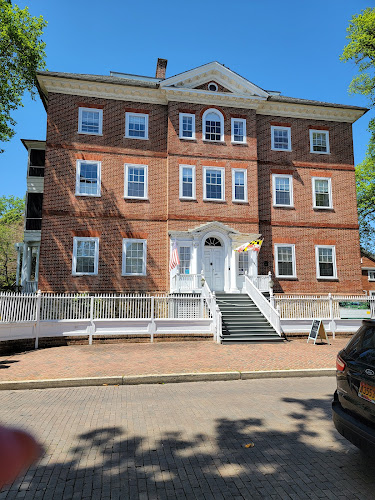
Chase Home, Inc.
About Chase Home, Inc.
Description
Chase Home, Inc. isn’t the kind of place you just breeze through between lunch and the next attraction. It asks you to slow down. And honestly, that’s part of the charm. This circa-1794 house once belonged to a signer of the Declaration of Independence, which already gives it a certain gravity, but what really sticks with you are the details you don’t expect. The interior design choices are unusual for the era—bold in some rooms, oddly intimate in others—and they feel more personal than museum-polished. You get the sense that real life happened here, messy and important and occasionally uncomfortable.
As a historical landmark run by a women-owned non-profit organization, the Chase Home carries a quieter kind of authority. It’s not flashy. It doesn’t shout its significance. Instead, it invites you to notice things: the way light hits the walls in the afternoon, the proportions of rooms that were designed for conversation rather than spectacle, and the subtle signs of changing tastes over centuries. I remember standing in one corner and thinking how different this felt from the grand mansions you see on postcards. This house feels lived-in, even now.
Travelers who enjoy American history beyond the bullet points tend to appreciate the Chase Home most. It’s less about dates and more about context. You learn how a person involved in shaping a nation actually lived day to day. And yes, there are quirks. A staircase that feels slightly too narrow. A room layout that makes you pause and go, huh, that’s interesting. Those quirks are part of the story, not flaws.
The organization behind the home does solid work preserving it, though it’s fair to say the experience leans old-school. There’s an earnestness here that I personally like. No overwhelming tech displays, no sensory overload. Just history, thoughtfully presented. If you’re the type who likes to ask questions and linger, you’ll feel right at home.
Key Features
- Late 18th-century architecture with original and carefully preserved interior elements
- Unique room layouts and design choices that reflect personal taste rather than trends
- Strong connection to American independence through its original owner
- Operated by a women-owned non-profit dedicated to education and preservation
- Quiet, reflective atmosphere ideal for history-focused travelers
- Interpretive displays that emphasize daily life over grand narratives
- Opportunities for guided insights depending on staffing and season
Best Time to Visit
If you ask me, the best time to visit the Chase Home is when the weather encourages walking but not rushing. Late spring and early fall tend to hit that sweet spot. The house itself isn’t huge, so you don’t want to feel pressed by crowds or heat. And while it never gets truly packed, timing still matters. Mornings are quieter, and there’s something about starting your day with history that sets a thoughtful tone.
Summer visits are doable, but expect a slightly faster pace and more background noise from tourism in general. Winter has its own appeal—there’s a seriousness to an old house in cold weather—but limited hours can be a thing. I once visited on a chilly day and remember how the rooms felt more solemn, almost introspective. Not everyone’s cup of tea, but I liked it.
Weekdays are generally calmer than weekends. If you’re the type who likes to stand in a room and imagine conversations from 200 years ago without someone bumping your elbow, plan accordingly.
How to Get There
Getting to the Chase Home is straightforward if you’re already exploring the surrounding region. It’s usually part of a walkable historic area, which is good news for travelers who prefer to explore on foot. If you’re driving, parking nearby may require a bit of patience, especially during busier travel seasons. But that’s just part of the deal with historic neighborhoods, right?
Public transportation can be an option depending on where you’re coming from, though you might still need to walk the final stretch. I actually recommend that. Approaching the house on foot gives you a better sense of its place in the community, rather than seeing it as a standalone attraction.
If you’re building a day around it, pair the visit with other nearby historical sites or local cafés. The Chase Home works best as part of a broader, unhurried itinerary.
Tips for Visiting
First tip: don’t rush. This isn’t a box-checking stop. Give yourself time to absorb the details, especially the interior design elements that make the house distinctive. Look up, look down, and pay attention to transitions between rooms. They tell a story.
Second, ask questions if staff or volunteers are available. They often know fascinating little anecdotes that aren’t on display panels. One comment I overheard during my visit completely changed how I understood a particular room’s purpose. Those moments are gold.
Third, manage expectations around accessibility. The historic nature of the building means it has limitations. If mobility is a concern, it’s worth planning ahead and being prepared for uneven floors or narrow passages. It’s not ideal, but it’s honest history.
Photography policies can vary, so be mindful and respectful. And even if photos are allowed, try to experience the space without a camera for a bit. Sounds cheesy, I know, but it makes a difference.
Lastly, bring curiosity rather than assumptions. The Chase Home doesn’t try to impress you with grandeur. It impresses by being specific, personal, and quietly confident. If you meet it on those terms, you’ll walk away with a deeper appreciation for the human side of American history—and maybe a few thoughts about how our own homes reflect who we are. I know I did.
Key Features
- Late 18th-century architecture with original and carefully preserved interior elements
- Unique room layouts and design choices that reflect personal taste rather than trends
- Strong connection to American independence through its original owner
- Operated by a women-owned non-profit dedicated to education and preservation
- Quiet, reflective atmosphere ideal for history-focused travelers
- Interpretive displays that emphasize daily life over grand narratives
- Opportunities for guided insights depending on staffing and season
More Details
Updated December 31, 2025
Table of Contents
Description
Chase Home, Inc. isn’t the kind of place you just breeze through between lunch and the next attraction. It asks you to slow down. And honestly, that’s part of the charm. This circa-1794 house once belonged to a signer of the Declaration of Independence, which already gives it a certain gravity, but what really sticks with you are the details you don’t expect. The interior design choices are unusual for the era—bold in some rooms, oddly intimate in others—and they feel more personal than museum-polished. You get the sense that real life happened here, messy and important and occasionally uncomfortable.
As a historical landmark run by a women-owned non-profit organization, the Chase Home carries a quieter kind of authority. It’s not flashy. It doesn’t shout its significance. Instead, it invites you to notice things: the way light hits the walls in the afternoon, the proportions of rooms that were designed for conversation rather than spectacle, and the subtle signs of changing tastes over centuries. I remember standing in one corner and thinking how different this felt from the grand mansions you see on postcards. This house feels lived-in, even now.
Travelers who enjoy American history beyond the bullet points tend to appreciate the Chase Home most. It’s less about dates and more about context. You learn how a person involved in shaping a nation actually lived day to day. And yes, there are quirks. A staircase that feels slightly too narrow. A room layout that makes you pause and go, huh, that’s interesting. Those quirks are part of the story, not flaws.
The organization behind the home does solid work preserving it, though it’s fair to say the experience leans old-school. There’s an earnestness here that I personally like. No overwhelming tech displays, no sensory overload. Just history, thoughtfully presented. If you’re the type who likes to ask questions and linger, you’ll feel right at home.
Key Features
- Late 18th-century architecture with original and carefully preserved interior elements
- Unique room layouts and design choices that reflect personal taste rather than trends
- Strong connection to American independence through its original owner
- Operated by a women-owned non-profit dedicated to education and preservation
- Quiet, reflective atmosphere ideal for history-focused travelers
- Interpretive displays that emphasize daily life over grand narratives
- Opportunities for guided insights depending on staffing and season
Best Time to Visit
If you ask me, the best time to visit the Chase Home is when the weather encourages walking but not rushing. Late spring and early fall tend to hit that sweet spot. The house itself isn’t huge, so you don’t want to feel pressed by crowds or heat. And while it never gets truly packed, timing still matters. Mornings are quieter, and there’s something about starting your day with history that sets a thoughtful tone.
Summer visits are doable, but expect a slightly faster pace and more background noise from tourism in general. Winter has its own appeal—there’s a seriousness to an old house in cold weather—but limited hours can be a thing. I once visited on a chilly day and remember how the rooms felt more solemn, almost introspective. Not everyone’s cup of tea, but I liked it.
Weekdays are generally calmer than weekends. If you’re the type who likes to stand in a room and imagine conversations from 200 years ago without someone bumping your elbow, plan accordingly.
How to Get There
Getting to the Chase Home is straightforward if you’re already exploring the surrounding region. It’s usually part of a walkable historic area, which is good news for travelers who prefer to explore on foot. If you’re driving, parking nearby may require a bit of patience, especially during busier travel seasons. But that’s just part of the deal with historic neighborhoods, right?
Public transportation can be an option depending on where you’re coming from, though you might still need to walk the final stretch. I actually recommend that. Approaching the house on foot gives you a better sense of its place in the community, rather than seeing it as a standalone attraction.
If you’re building a day around it, pair the visit with other nearby historical sites or local cafés. The Chase Home works best as part of a broader, unhurried itinerary.
Tips for Visiting
First tip: don’t rush. This isn’t a box-checking stop. Give yourself time to absorb the details, especially the interior design elements that make the house distinctive. Look up, look down, and pay attention to transitions between rooms. They tell a story.
Second, ask questions if staff or volunteers are available. They often know fascinating little anecdotes that aren’t on display panels. One comment I overheard during my visit completely changed how I understood a particular room’s purpose. Those moments are gold.
Third, manage expectations around accessibility. The historic nature of the building means it has limitations. If mobility is a concern, it’s worth planning ahead and being prepared for uneven floors or narrow passages. It’s not ideal, but it’s honest history.
Photography policies can vary, so be mindful and respectful. And even if photos are allowed, try to experience the space without a camera for a bit. Sounds cheesy, I know, but it makes a difference.
Lastly, bring curiosity rather than assumptions. The Chase Home doesn’t try to impress you with grandeur. It impresses by being specific, personal, and quietly confident. If you meet it on those terms, you’ll walk away with a deeper appreciation for the human side of American history—and maybe a few thoughts about how our own homes reflect who we are. I know I did.
Key Highlights
- Late 18th-century architecture with original and carefully preserved interior elements
- Unique room layouts and design choices that reflect personal taste rather than trends
- Strong connection to American independence through its original owner
- Operated by a women-owned non-profit dedicated to education and preservation
- Quiet, reflective atmosphere ideal for history-focused travelers
- Interpretive displays that emphasize daily life over grand narratives
- Opportunities for guided insights depending on staffing and season
Location
Places to Stay Near Chase Home, Inc.
Find and Book a Tour
Explore More Travel Guides
No reviews found! Be the first to review!
Traveler Reviews for Chase Home, Inc.
There are no reviews yet. Be the first one to write one.
Have you visited Chase Home, Inc.? Help other travelers by sharing your review.
You Might Also Like

The Chesapeake Children's Museum

Jonas and Anne Catharine Green Park

Banneker-Douglass-Tubman Museum
Find Accommodations Nearby
Recommended Tours & Activities
Visitor Reviews
There are no reviews yet. Be the first one to write one.
Share Your Experience
Have you visited Chase Home, Inc.? Help other travelers by leaving a review.