
Chafariz e Poço de Aljustrel
About Chafariz e Poço de Aljustrel
Key Features
More Details
Updated June 10, 2025
## Chafariz e Poço de Aljustrel: Beja’s Old Lifeline on the Road to the Mines
Tucked into Rua António Sardinha in Beja’s Morgada da Apariça neighborhood, the Chafariz e Poço de Aljustrel is far more than “just a fountain and a well.” It’s a compact slice of Beja’s water history, where a 19th-century stone fountain fronts a much older spring that once supplied most of the city’s drinking water. About Portugal
If you’re already in Beja for the castle, Roman layers, and sleepy Alentejo atmosphere, this small monument is an easy, historically rich detour.
—
## What Exactly Is Chafariz e Poço de Aljustrel?
Local documentation describes Chafariz de Aljustrel as a stone fountain with a mãe d’água (an enclosed water chamber) built in 1875. Architecturally, it’s a single stone screen wall framed by plinths topped with urns. In the center, you see: About Portugal
– A sculpted mask (carranca) where water once flowed
– A carved coat of arms beneath the mask
– Elegant inverted volutes curving out from the center
– Two superimposed spouts, one above the other
– A simple, chamfered gable forming the top silhouette
Behind the decorative face of the fountain is the Poço de Aljustrel itself – the well and spring that historically supplied water to Beja.
Today, the site is treated as a small heritage monument rather than a working piece of infrastructure. It sits along a tree-lined stretch of Rua António Sardinha, in a residential area that has grown up around what was once the road leading out toward the town of Aljustrel. About Portugal
> Outdated-data note: Architectural descriptions and the construction date (1875) are drawn from heritage and local-history sources last updated several years ago, so minor on-site details (condition of stonework, surrounding pavement, nearby signage) may have changed. About Portugal
—
## From Lifeline to Landmark: A Short History of Beja’s Main Well
For centuries, the Poço de Aljustrel was considered Beja’s principal well. A municipal decision recorded on 8 July 1589 explicitly references it and tries to protect the spring from over-extraction by professional water sellers (aguadeiros). The order barred these sellers from drawing water there under a financial penalty, precisely to avoid “drying the spring that supplied the well.”
A few key historical points:
– 16th century: The well is already important enough to appear in council records as Beja’s main water source.
– Location outside the walls: Before modern development, the well stood outside Beja’s walled perimeter, on the left side of the old road leading to Aljustrel.
– 19th century upgrade: In 1875, the current stone fountain (chafariz) with its decorated façade and double spouts was built, pairing the old well with a more monumental public fountain fed by the same source. About Portugal
As Beja expanded, that once-rural roadside spot became part of the Bairro Morgada da Apariça district, now fully within the city, though the fountain still hints at a time when securing clean water meant walking or riding out beyond the walls. About Portugal
—
## Reading the Stone: Details to Notice When You Visit
Stand in front of the chafariz for a moment and treat it like a tiny open-air museum piece. Based on local heritage descriptions and photo documentation, here’s what you’re looking at: About Portugal
– The central mask (carranca) – A stylised face once used both for decoration and to ward off misfortune. Water historically emerged from the mouth.
– The coat of arms – Set just below the mask, with letters and symbols pointing to municipal authority and pride in the public works of the era.
– The inscription “1875” – Marking the date of the fountain’s construction, carved into the stonework.
– Upper and lower spouts – Two outlets stacked vertically. This allowed people to fill containers at different heights and controlled flow more efficiently.
– Urns and volutes – The urns flanking the upper corners and the curved volutes beneath are typical of 19th-century decorative stonework in Alentejo civic projects.
Although water supply infrastructure has modernised, the mãe d’água behind the façade — essentially a small covered reservoir — reminds you that hydraulic engineering in Beja long predates pipes and taps. About Portugal
> Accessibility note (non-exhaustive): Public imagery shows the fountain at pavement level with a shallow trough in front. Surfaces appear hard and potentially uneven, and there may be small steps or curbs. Visitors with mobility impairments should review the latest street-view imagery or contact Beja’s tourism office for current, detailed accessibility information. This is a cautious observation rather than a guarantee.
—
## Why Include Chafariz e Poço de Aljustrel in a Beja Itinerary?
Beja is often overshadowed by bigger Portuguese names, yet it was once Pax Julia / Pax Augusta, an important Roman settlement and later a strategic medieval stronghold.
Today, travel sources highlight:
– A well-preserved castle and medieval tower
– Roman archaeology linked to Pax Julia
– Quiet cobbled streets and traditional Alentejo architecture Portugal
Within that context, Chafariz e Poço de Aljustrel is compelling for:
– History fans – You see tangible evidence of how a city managed water over centuries, from a 16th-century main well to a 19th-century civic fountain.
– Architecture and photography lovers – The compact façade, patina of the stone, and contrasting greenery of the surrounding trees photograph well, particularly in softer morning or late-afternoon light.
– Travelers exploring Beja beyond the castle – It’s an example of everyday infrastructure elevated into local heritage, and it sits near other small monuments highlighted in local guides, such as the Jardim do Ultramar monument and historic portals. About Portugal
To deepen your Beja coverage on RealJourneyTravels.com, this stop pairs naturally with:
– An article on Beja’s historic center and castle loop (ideal spot for an internal link from a “hidden corners of Beja” section).
– A broader Alentejo road-trip guide that uses Beja as a base for exploring the plains, vineyards, and smaller villages.
—
## Practical Tips for Visiting
### Location and Getting There
– Address: Rua António Sardinha, 7800-447 Beja, Portugal. About Portugal
– District: Bairro Morgada da Apariça, in the northern part of Beja’s urban area. About Portugal
From the historic center and castle area, Rua António Sardinha is reachable via local streets; Beja is a compact city, and many visitors explore mainly on foot or by car within town. Travel sources consistently describe Beja as a small urban center surrounded by wide Alentejo plains, rather than a sprawling metropolis.
> Parking: A local listing explicitly notes “exterior parking difficult” by the fountain. About Portugal
> If you’re driving, it is safer to park slightly further away in a legal space and walk the final stretch, especially in narrow residential streets.
### Best Time of Day
Beja is known for very hot summers, with some travel accounts reporting daytime temperatures above 30°C through parts of August and even September. Tales and Teddy Bears
– Aim for early morning or late afternoon in summer to avoid heat stress and harsh light.
– In cooler months, virtually any daylight hour is comfortable for a short stop.
### How Long to Spend
– On-site time: 10–20 minutes is enough to appreciate the carving, read any current on-site information panels (if present), and take photos.
– Combined route: It works well as a waypoint on a walking or driving loop that also covers Beja’s castle, museums, and church façades highlighted by regional tourism sources. Portugal
Since it’s a public monument integrated into the streetscape, no ticket information is listed on major travel-booking or regional heritage websites consulted here. Australia
> Outdated-data flag: Lack of listed opening hours and ticketing on current major platforms strongly suggests there is no formal visitation schedule, but municipal policy could change (for example, adding protective railings or signage). Always check the latest local information if you need certainty about access.
—
## Fitting Chafariz e Poço de Aljustrel into an Alentejo Road Trip
The wider Alentejo region is frequently described as a road-trip destination where having a car is practically essential once you leave the main train lines. Ask A Local
– Beja’s role: As the capital of the Baixo Alentejo district and former Roman Pax Julia, Beja makes a logical inland base between Évora and the Algarve corridor.
– Nearby interest points: Regional guides reference archaeological sites, walled towns, and wine experiences across the area, all of which can be woven into a multi-day Alentejo loop.
From a content strategy angle, Chafariz e Poço de Aljustrel is ideal as:
– A sidebar “hidden gem” inside a Beja city guide, showcasing small but meaningful historic sites beyond the castle.
– A photo stop on an “Alentejo backroads” road-trip article, illustrating Beja’s quieter residential outskirts and hydraulic history.
—
## Responsible & Inclusive Travel Notes
– Heat and hydration: Given the consistently hot summer climate reported for Beja and Alentejo, remind readers to carry water, use sun protection, and plan shaded breaks — especially important for children, older travellers, and anyone sensitive to heat. Tales and Teddy Bears
– Respect local routine: The fountain sits in a lived-in neighborhood rather than a closed heritage park. Encourage visitors to keep noise low, avoid blocking doorways or driveways, and refrain from climbing on stonework.
– Photography ethics: If locals are present using nearby public space, suggest asking permission before featuring anyone recognisably in portraits, and being especially mindful of children’s privacy.
—
## Smart Internal Link Opportunities (for RealJourneyTravels.com)
Table of Contents
Key Highlights
Chafariz e Poço de Aljustrel
Location
Places to Stay Near Chafariz e Poço de Aljustrel"O chafariz, do séc. XIX, tem na cabeceira uma máscara, ..."
Find and Book a Tour
Explore More Travel Guides
No reviews found! Be the first to review!
Traveler Reviews for Chafariz e Poço de Aljustrel
There are no reviews yet. Be the first one to write one.
Have you visited Chafariz e Poço de Aljustrel? Help other travelers by sharing your review.
You Might Also Like
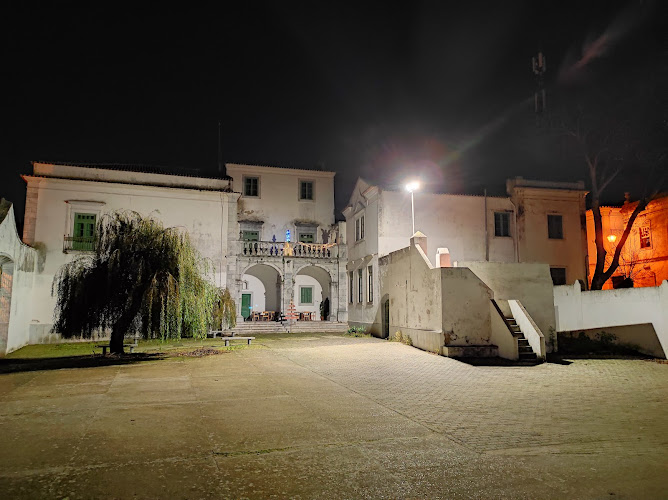
Palácio dos Maldonados
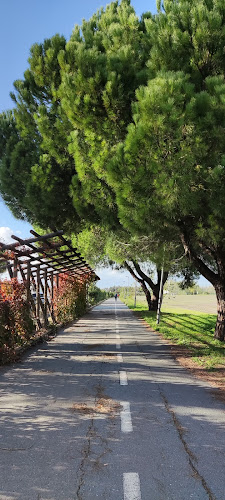
Ciclovia de Beja
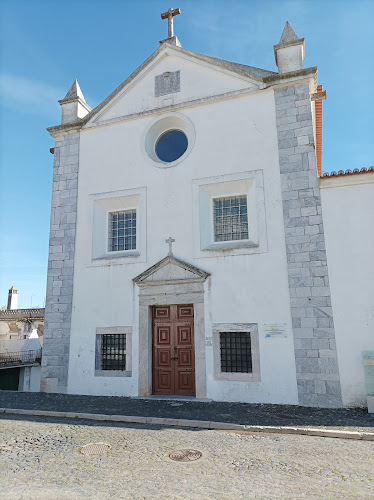
Church of Our Lady at the Foot of the Cross
Find Accommodations Nearby
Recommended Tours & Activities
Visitor Reviews
There are no reviews yet. Be the first one to write one.
Share Your Experience
Have you visited Chafariz e Poço de Aljustrel? Help other travelers by leaving a review.