
Casa da Cerca
About Casa da Cerca
Key Features
More Details
Updated April 15, 2024
Casa da Cerca, em Almada com a melhor vista para Lisboa
## Casa da Cerca, Almada: Art, River Views & Gardens Above the Tagus
On the opposite bank of the Tagus from Lisbon, in the historic core of Almada, Casa da Cerca combines three things that are rare to find in one place: a 17th–18th-century manor house, a serious contemporary art centre and a garden complex with wide-angle views over the river and the 25 de Abril Bridge. Almada
Officially known as Casa da Cerca – Centro de Arte Contemporânea, the estate stands on Rua da Cerca, 2800-050 Almada, perched on the clifftop that faces central Lisbon. From its terraces you look across the Tagus estuary towards the city skyline, the castle hill and the suspension bridge – a perspective local authorities explicitly describe as one of the most striking viewpoints over Lisbon and the river. Almada
For travellers already planning to cross the river for Cristo Rei, Cacilhas or the Boca do Vento Elevator, Casa da Cerca is the cultural stop that rounds out the day.
—
## A Historic Manor Turned Contemporary Art Centre
Casa da Cerca began life as a country retreat for the Lisbon elite, built between the late 17th and early 18th centuries as the main house of a recreational farm known as “Palácio” or “Quinta da Cerca.” Almada
Key historic points:
– The oldest part of the building is the north-facing ground floor, oriented directly towards Lisbon and the Tagus, where traces of a 16th-century doorway survive, now sealed. Almada
– Inside there was a private chapel lined with early-18th-century azulejo tiles attributed to the tile-painter known as Mestre P.M.P. Almada
– The house remained in private hands, with several notable residents, until the mid-20th century; for a time in 1974 it was even used provisionally by the local hospital. Almada
By the 1980s the property had deteriorated. In 1988 the Municipality of Almada acquired the house and surrounding land in a state of advanced ruin. Almada
Between 1992 and 1993 the building and parts of the garden underwent substantial restoration, and in 1993 Casa da Cerca reopened as a contemporary art centre, following a programme designed by its first director, painter Rogério Ribeiro. Almada The inaugural exhibition focused on works by modernist artist Amadeo de Souza-Cardoso, signalling the centre’s ambition from day one.
In 1996, Casa da Cerca was officially classified as an Imóvel de Interesse Público (Property of Public Interest), recognising both the architectural value of the manor house and its role in Almada’s heritage. Almada
Today, Casa da Cerca is recognised within Portugal’s Rede Portuguesa de Arte Contemporânea (RPAC), the national network of contemporary art institutions. Almada
—
## What You’ll Find Inside: Drawing, Contemporary Art & Quiet Rooms
Casa da Cerca is not a large, blockbuster museum; think of it as a focused art centre where the curatorial work leans strongly into drawing and contemporary practices.
A few things set it apart:
– Focus on Drawing
The centre has a specific research and exhibition emphasis on drawing as a discipline – both as a traditional technique and in its expanded, conceptual forms. Exhibitions often explore how drawing intersects with science, botany and landscape, which ties neatly into the gardens outside.
– Rotating Exhibitions
Exhibitions change periodically and feature a mix of Portuguese and international artists, often presented in compact, carefully curated shows rather than large retrospectives. Over three decades of activity, Casa da Cerca has hosted dozens of solo and group shows involving hundreds of artists.
– Adaptive Reuse of Historic Rooms
While the exact layout of exhibitions changes, you can typically expect white-cube galleries arranged within the old manor structure – vaulted spaces, thick walls and windows framing the river, all repurposed to display contemporary works. Almada
The overall feel is intimate and contemplative. Many visitors highlight that they can move through the galleries at their own pace, without crowds, and return to a favourite room after a coffee or a walk in the garden.
—
## Chão das Artes: Botanical Garden Meets Open-Air Laboratory
One of Casa da Cerca’s most distinctive features is its botanical garden, “O Chão das Artes”, which doubles as an open-air laboratory for art and science.
From available documentation:
– The garden project is explicitly designed to connect plant life with artistic practice, especially drawing and colour. Species are organised thematically to highlight plants used historically for pigments, inks, paper, fibres and other artistic materials.
– Educational programmes have used the garden for workshops that sit at the intersection of botany, visual arts and environmental awareness, making it a rare example of a cultural space where the garden is not decorative but conceptually central.
For a traveller, the practical takeaway is this: allow time not just for the galleries, but for slow walking in the garden terraces, where text panels, plant labels and occasional art installations invite you to see the vegetation as part of the art centre’s narrative, not just background greenery.
—
## The Views: Why Casa da Cerca Is a Viewpoint as Much as a Museum
Casa da Cerca’s clifftop position is a major reason many visitors come – and stay for sunset.
– The estate stands in the old quarter of Almada, directly above the Tagus, with open views towards central Lisbon and the 25 de Abril bridge. Almada
– Municipal descriptions highlight the site as offering one of the most remarkable perspectives over Lisbon and the river, and reviews consistently praise the river panoramas as a highlight, sometimes even the highlight, of a visit. Almada
On clear days, you can trace:
– the Baixa and Alfama hills across the water,
– the full span of the 25 de Abril suspension bridge,
– traffic on the river itself – ferries and cargo ships moving between Lisbon and the Atlantic.
There is a café on-site where visitors mention enjoying the view over Lisbon from the terrace. It’s a useful stop if you want a quiet coffee break with a serious vantage point but without the crowds often found at Lisbon’s more famous miradouros.
—
## Free Cultural Stop: Admission, Opening Hours & Practicalities
### Admission
Current visitor reports and municipal information indicate that entry to Casa da Cerca and its gardens is generally free of charge, which makes it one of the most attractive free things to do in Almada for art-curious travellers.
That said, special events, workshops or specific programmes may carry a fee, so treat “free entry” as the baseline but check whether anything paid is scheduled on the day you plan to visit.
### Opening hours (subject to change)
According to Almada’s municipal website, Casa da Cerca normally operates with: Almada
– Open days: Monday to Sunday, closed on public holidays
– *Winter schedule (1 November – 31 March): approx. 10:15–17:30
– *Summer schedule (1 April – 31 October): approx. 10:15–20:00
Earlier third-party listings still show slightly different patterns (such as closing on Mondays), which underlines how often schedules get updated.
Practical recommendation:
Before you go, confirm the latest timetable on the official Almada municipality Casa da Cerca page or through their published phone number (+351 212 724 950) or email ([email protected]), as hours and access can change due to maintenance or programming. Almada
—
## How to Get to Casa da Cerca
Casa da Cerca sits in Almada, Cova da Piedade, Pragal e Cacilhas, the civil parish that includes Almada’s old town and riverfront.
A common approach from Lisbon:
1. Ferry to Cacilhas
– Take the regular ferry from Cais do Sodré (Lisbon) to Cacilhas, across the Tagus. This is the standard, well-used commuter route linking Lisbon and Almada’s riverside district.
2. Walk or ride via the Boca do Vento Elevator
– From Cacilhas, you can walk along the riverfront promenade towards Largo da Boca do Vento, then ride the Boca do Vento Panoramic Elevator, which connects the riverside Jardim do Rio with the upper historic district of Almada and offers its own free, wide panoramas of Lisbon. Sight Sailing
– Once at the top, it’s a short walk through the old streets to reach Casa da Cerca on Rua da Cerca; nearby attraction listings consistently group Casa da Cerca, the Boca do Vento Elevator and Jardim do Rio together.
3. On foot from central Almada
– If you’re already in Almada’s upper town, signposted routes lead towards Rua da Cerca and the old quarter; Casa da Cerca is clearly indicated on municipal maps and tourism signage. Almada
Driving is possible but reviews of the nearby Boca do Vento area repeatedly mention that parking can be limited or require patience on surrounding streets, so public transport is usually the lower-stress choice.
—
## Who Will Enjoy Casa da Cerca?
Given its mix of art, landscape and views, Casa da Cerca works particularly well if you:
– Like contemporary art but prefer smaller, focused spaces
The centre is curated around drawing and contemporary practice rather than blockbuster painting shows, so you’ll get a different perspective from Lisbon’s large museums.
– Appreciate gardens and plant-based learning
The botanical project “Chão das Artes” is a genuine draw for visitors who care about how plants and artistic materials intersect.
– Are chasing alternative viewpoints of Lisbon
Between Casa da Cerca’s terraces and the Boca do Vento Elevator platform, the “reverse angle” on Lisbon’s skyline is a recurring highlight in traveller feedback.
– Prefer lower-cost, lower-crowd experiences
With free admission and a more local visitor profile, Casa da Cerca offers a slower pace than many central Lisbon attractions, while still being easy to combine with a classic ferry ride and riverside walk.
—
## Important Notes on Accuracy & Changes
Table of Contents
Key Highlights
Casa da Cerca
Location
Places to Stay Near Casa da Cerca
Find and Book a Tour
Explore More Travel Guides
No reviews found! Be the first to review!
Traveler Reviews for Casa da Cerca
There are no reviews yet. Be the first one to write one.
Have you visited Casa da Cerca? Help other travelers by sharing your review.
You Might Also Like
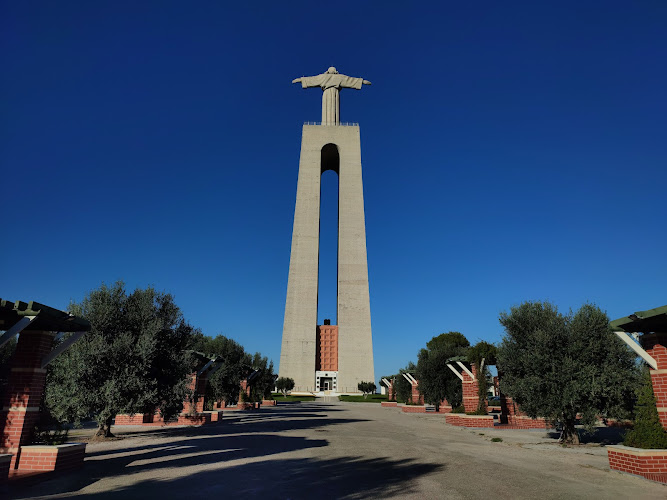
Sanctuary of Christ the King
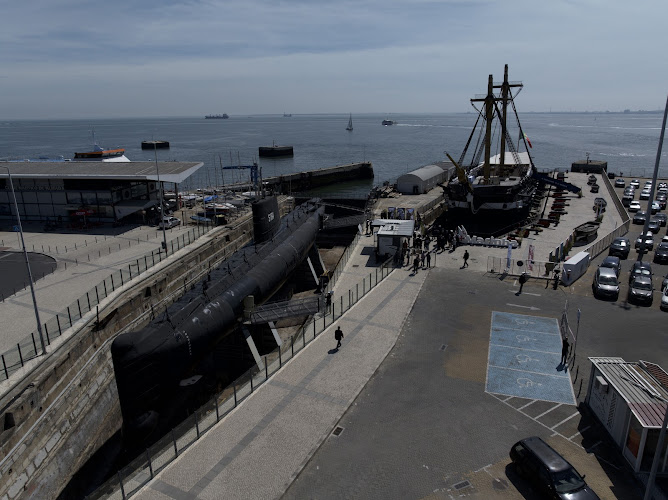
Frigate Dom Fernando II e Glória
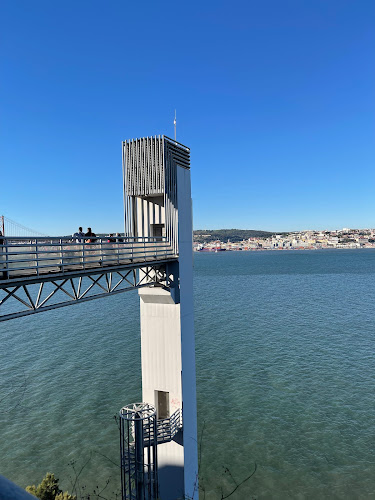
Boca do Vento Panoramic Elevator
Find Accommodations Nearby
Recommended Tours & Activities
Visitor Reviews
There are no reviews yet. Be the first one to write one.
Share Your Experience
Have you visited Casa da Cerca? Help other travelers by leaving a review.