
Carbin Reef
About Carbin Reef
Key Features
- Tongue-shaped white sandbar ideal for photos and relaxing
- Protected coral reef with snorkeling directly off the sandbar
- Community-based conservation and locally managed marine reserve
- Short boat transfer from Sagay City for easy day-trip access
- Clear turquoise waters and good visibility for snorkeling
More Details
Updated June 11, 2025
Sagay City Negros Occidental: Community-Based Tourism at Its Best …
## Carbin Reef, Sagay: Tongue-Shaped Sandbar in a 32,000-Hectare Marine Sanctuary
Carbin Reef is a tongue-shaped white sandbar sitting on top of a 200-hectare coral reef system off Sagay City in Negros Occidental, central Philippines. It lies inside the 32,000-hectare Sagay Marine Reserve, one of the country’s largest and most studied protected seascapes.
On maps you’ll often see it pinned at XFH7+7W3, Sagay City at roughly 10.9781° N, 123.4648° E—coordinates that match official and mapping data.
Although some listing platforms call it a resort hotel, Carbin Reef itself is not a built-up resort. It’s an uninhabited day-use sandbar with a concrete watchtower and simple cottages used as shade for visitors.
Review aggregators and tour operators consistently show high visitor satisfaction, with Google ratings around 4.4–4.7 out of 5 for Carbin Reef and Sagay Marine Reserve. to the Philippines
—
## Where Exactly Is Carbin Reef and How Do You Get There?
### Location in Negros Occidental
Sagay City sits on the northern tip of Negros Occidental, facing the Visayan Sea. The Sagay Marine Reserve stretches offshore from this “ice-cream cone” headland and includes several reefs and islands: Carbin, Panal, Maca, and the reefs around Molocaboc Island.
Carbin Reef lies roughly 15–30 minutes by small boat from Old Sagay port, which serves as the main jump-off point in most current travel guides and official tourism information.
### From Bacolod City
Multiple independent guides, tour operators, and booking platforms describe a similar overland route from Bacolod City:
– Bacolod → Sagay City
– By bus or van from Bacolod North Bus Terminal, travel time is usually reported at ~2–2.5 hours.
– Sagay City → Old Sagay / Port
– From Sagay bus terminal, tricycles commonly take ~15 minutes to Old Sagay and the tourism office.
– Old Sagay → Carbin Reef
– Registered boats take roughly 15–30 minutes to reach the sandbar, depending on sea conditions.
Exact fares, boat prices, and schedules change regularly. Many widely-cited fee tables online date from 2018–2021, so any specific peso amounts in those guides should be treated as historical, not current pricing.
### From Cebu and Other Points
Several 2018–2021 guides mention ferry connections between Tabuelan (Cebu) and Sagay or nearby Escalante, used as part of a Cebu–Negros overland route.
Those descriptions are accurate for the period in which they were written, but ferry operations and timetables in the Philippines change frequently. Anyone planning this route should verify up-to-date schedules locally (port office, ferry company, or Sagay tourism office) rather than relying on older blog timetables.
—
## Inside Sagay Marine Reserve: Why Carbin Reef Matters
### A Protected Seascape With Serious Biodiversity
Sagay Marine Reserve is a designated marine protected area of about 32,000 hectares (325 km²). It was created to protect reef systems such as Carbin, Maca, and Panal, as well as surrounding seagrass beds and mangroves.
Scientific and conservation reports on the reserve document:
– Around 60 genera of hard, black, and soft corals
– Roughly 10 species of seagrass over ~30 km² of seagrass beds
– 5 species of giant clams
– Around 250 species of reef and pelagic fishes
– 5 marine turtle species and occasional dugong (sea cow) sightings
– Extensive mangrove forests (~5 km²), with about 1 km² reforested
Carbin Reef’s sandbar is just the visible tip. Beneath it lies part of this wider coral ecosystem, which is why activities here are tightly regulated.
### From Overfishing to Community-Led Conservation
Historical accounts and conservation case studies describe how the area once faced destructive fishing practices, including blast fishing. Over several decades, Sagay’s local government and national partners shifted the area toward community-based protection, including:
– Declaring large no-take and strictly regulated zones
– Training former fishers as reef rangers and snorkeling guides
– Using tourism fees to fund patrols, mangrove planting, and education programs
Sagay Marine Reserve has been repeatedly cited in national and international circles as an example of successful marine conservation and community-based tourism in the Philippines.
—
## What to Expect on Carbin Reef
### The Sandbar Itself
Based on consistent descriptions and imagery across recent sources: to the Philippines
– Carbin Reef is a tongue-shaped white sandbar that shifts shape slightly with seasons and currents.
– It is bare and uninhabited, apart from:
– A two-storey concrete watchtower used by coast guard and/or local authorities
– A small row of lightweight bamboo or wooden cottages for day visitors
– There is no natural freshwater source and no permanent vegetation on the sandbar itself.
Because of this, Carbin Reef is strictly a day-trip destination. Overnight stays are not allowed in the reef sectors of the reserve, according to multiple guides and tourism advisories.
### Visitor Limits and Rules (With Important Recency Caveat)
Across tourism sites, operator FAQs, and city-linked pages, Carbin Reef is consistently described as operating with a strict carrying capacity of about 100 guests per day, often broken down as:
– ~70 slots for advance reservations
– ~30 slots for same-day visitors, subject to conditions
Snorkeling guides and eco-tourism reminders also emphasize: Travels
– Only a limited number of snorkelers (around 15) in the water at a time
– Stay within designated zones
– No touching or collecting corals, shells, starfish, or sand—regardless of whether they appear alive or dead
– No feeding fish
– Cooking only in designated grill areas, not directly on the sand
These figures come from guides and official-linked materials published between roughly 2015 and 2024. The exact numbers, fees, and enforcement practices can be updated by the city at any time, so the safest approach is to:
– Treat all specific capacities and prices you see online as indicative, not guaranteed, and
– Confirm current rules directly with Sagay City Information and Tourism Office or their most recent official online booking channels before your trip.
### Activities You Can Reliably Plan Around
Based on multiple independent guides, tours, and operator descriptions, visitors typically come to Carbin Reef for:
– Swimming in shallow, clear water over sandy bottom
– Snorkeling over the nearby reef, often accompanied by licensed local guides
– Relaxing and picnicking under rented cottages or tents
– Photography and drone shots (where permitted), thanks to the sandbar’s distinct tongue shape and color contrast between reef and deep water
Because there are no shops or restaurants on the sandbar, all sources strongly advise bringing your own food, drinking water, and sun protection from the mainland. Hopping in the Philippines
—
## Nearby Stops: Suyac Island and Sagay’s Eco-Tourism Loop
Carbin Reef is usually paired with other stops inside Sagay Marine Reserve. Travel and conservation articles outline an eco-tourism “loop” that tends to include:
– Suyac Island Mangrove Eco-Park
– A community-managed mangrove forest with boardwalks, local guides, and a notable flying-fox (fruit bat) colony.
– Other reefs and islets
– Panal Reef, Maca Reef, and the islands around Molocaboc are described as additional snorkeling and sandbar stops on structured boat tours.
– Museo sang Bata sa Negros
– A children-focused, hands-on museum near Sagay port that often appears in the same itineraries.
For a deeper Philippines planning angle and to keep readers on-site, this Carbin Reef guide pairs well with broader RealJourneyTravels content, such as:
– A budget overview in the Philippines trip cost guide, which breaks down realistic spending ranges for a week-long trip. Journey Tours & Travels
– Island-comparison pieces like Bohol vs Catanduanes, helping readers benchmark Carbin Reef against other Philippine island experiences. Journey Tours & Travels
—
## When to Visit Carbin Reef
Climate data for Negros Occidental and multiple on-the-ground travel guides agree on a few practical patterns:
– Dry season (roughly March–May)
– Often cited as the most reliable period for calm seas and sunny days—ideal for sandbar visibility and snorkeling.
– Transition months (June–July)
– Still commonly visited, but with more variable weather; morning departures are frequently recommended on private tour FAQs. Hopping in the Philippines
– Typhoon season and monsoon months
– Sea conditions can deteriorate quickly. Trips are sometimes postponed or cancelled for safety by local authorities and operators.
Because small-boat safety is highly weather-dependent, it’s important to respect local coast guard or tourism office advisories if they suspend trips due to wind or swell.
—
## Practical Tips and Current-Status Warnings
### Essentials to Bring
Given the lack of infrastructure on the sandbar itself, long-running guides and operator pages consistently recommend: Hopping in the Philippines
– Drinking water (there is only stored rinse water at best)
– Food and snacks for a full day
– Sunblock, hat, and rashguard – shade is limited to a few cottages and tents
– Waterproof bags for phones and cameras
– Own snorkel gear if you’re particular about fit or hygiene, although local rental is widely reported
### Money and Payments
Older but still-cited guides across several sites agree on one key operational detail: payments at the Sagay tourism office and for many small community services are typically cash-only.
There are ATMs in Sagay City itself, but not on Old Sagay port or Carbin Reef, so it’s safest to arrive with enough cash in pesos to cover entrance fees, boat, cottage rental, guides, and snacks.
### Environmental Events and Water Quality
Table of Contents
Key Highlights
- Tongue-shaped white sandbar ideal for photos and relaxing
- Protected coral reef with snorkeling directly off the sandbar
- Community-based conservation and locally managed marine reserve
- Short boat transfer from Sagay City for easy day-trip access
- Clear turquoise waters and good visibility for snorkeling
Location
Places to Stay Near Carbin Reef"They are doing a great job in protecting the coast."
Find and Book a Tour
Explore More Travel Guides
No reviews found! Be the first to review!
Traveler Reviews for Carbin Reef
There are no reviews yet. Be the first one to write one.
Have you visited Carbin Reef? Help other travelers by sharing your review.
Nearby Attractions
You Might Also Like
Canlaon City – Century Tree Dalakit
Balay Kauswagan
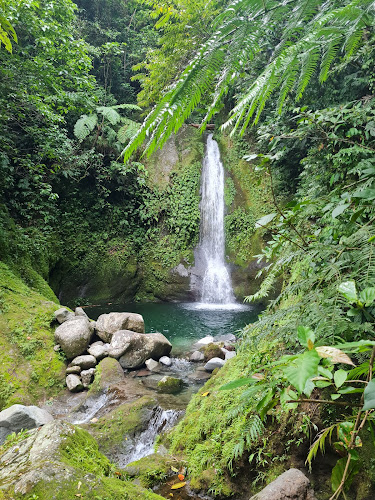
Binangawan Falls
Find Accommodations Nearby
Recommended Tours & Activities
Visitor Reviews
There are no reviews yet. Be the first one to write one.
Share Your Experience
Have you visited Carbin Reef? Help other travelers by leaving a review.