
Camp Ford Historical Park
About Camp Ford Historical Park
Description
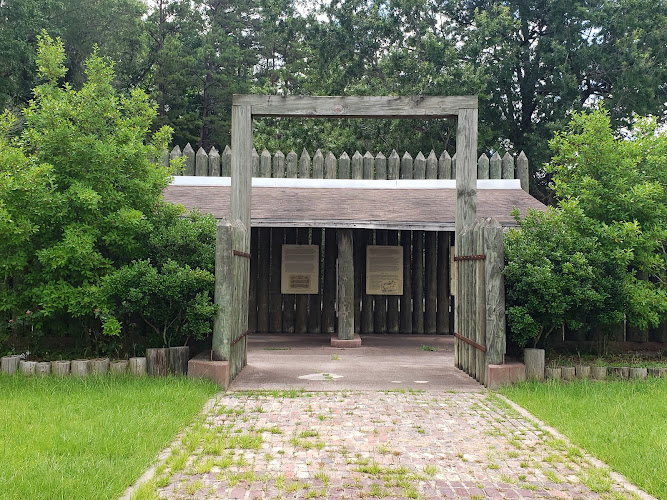
Camp Ford Historical Park is the kind of place that quietly sneaks up on you. On the surface, it’s a peaceful, wooded area with walking trails and open spaces, but once you dig into its history, you realize you’re standing on the site of what was once the largest Confederate prisoner-of-war camp west of the Mississippi during the Civil War. There’s a certain stillness here that makes you pause—like the trees are holding on to the stories of the thousands of Union soldiers who were once confined within these grounds. It’s not flashy or over-commercialized, which I personally love, because it feels authentic. You can take your time, wander at your own pace, and really let the history sink in.
The park does a good job of mixing historical interpretation with a natural setting. There are reconstructed log structures, educational plaques, and a walking trail that follows the perimeter of the original stockade. You’ll find yourself stopping often, not just to read the signs, but to imagine what life must have been like here over 150 years ago. Some visitors might wish there were more interactive exhibits or guided tours, but others appreciate the quiet, self-guided nature of the experience. And honestly, if you’re the kind of traveler who enjoys piecing together history in your own way, you’ll probably find that part of its charm.
It’s also an easy place to bring kids—there’s room to roam, and the educational elements are approachable without being overwhelming. Plus, the park is wheelchair accessible, with both the entrance and parking designed to accommodate visitors with mobility needs. I’ve visited on days when it’s completely serene, and other times when there’s a bit more foot traffic, but it’s never felt overcrowded. If you’re into history, or even just enjoy a good walk in the woods with a story behind it, Camp Ford is worth the stop.
Key Features
- Authentic historical site of the largest Confederate POW camp west of the Mississippi
- Reconstructed log structures and interpretive signs detailing Civil War history
- Peaceful walking trails following the original stockade boundaries
- Wheelchair accessible entrance and parking
- Kid-friendly environment with open spaces and educational displays
- Free admission, making it an easy addition to a day’s itinerary
- Blend of natural scenery and preserved history
Best Time to Visit
If you can, aim for a visit in spring or fall. In spring, the trees are alive with fresh leaves, and the weather’s just right for walking the trails without breaking too much of a sweat. Fall, on the other hand, brings a crispness to the air and that golden light that makes everything feel a little more cinematic. Summer can be hot—this is Texas, after all—and you might find yourself rushing through the trails just to get back to the car’s AC. Winter is quieter, and while the trees are bare, it does give the place a starker, almost haunting atmosphere that somehow fits the history.
Weekdays are generally less busy, so if you want the place mostly to yourself, that’s your best bet. I’ve been on a Tuesday morning when I didn’t see another soul for over an hour, and it made the whole experience feel more personal. But if you like a bit of company or want to hear snippets of other visitors’ conversations about the history, weekends can be a good time too.
How to Get There
Camp Ford Historical Park is located just a short drive from downtown Tyler, Texas. If you’re coming from the city center, it’s a straightforward route—just head north and follow the signs. The park entrance is easy to spot, and there’s a decent-sized parking lot right on site. For those traveling from further out, Tyler is accessible via several major highways, and the park makes for a nice stop if you’re road-tripping through East Texas.
If you’re using GPS, it should take you right to the entrance without any trouble. Public transportation options are limited in this area, so driving is definitely the most practical way to get there. And if you’re the type who likes to make a day of it, you can easily pair a visit here with other local attractions or a meal in Tyler’s downtown district.
Tips for Visiting
First off, wear comfortable shoes. The trails aren’t overly strenuous, but you’ll be walking on uneven ground in some spots, and you’ll want to be able to wander without worrying about your feet. Bring some water, especially if you’re visiting during warmer months—there’s shade, but it’s still Texas heat we’re talking about. If you’re into photography, bring your camera or at least your phone charged up; the mix of nature and history makes for some pretty compelling shots.
Take your time with the interpretive signs. They’re not overly wordy, but they do a good job of giving context to what you’re seeing. If you’re traveling with kids, you can turn it into a bit of a scavenger hunt—see who can spot the reconstructed guard tower first, or count how many different tree species you can find along the trail. And don’t be afraid to just stand still for a moment and listen. You might hear birds, the wind through the trees, or just the quiet hush that seems to hang over the place. It’s a reminder that history isn’t always loud—it can be found in the stillness too.
Lastly, respect the site. This isn’t just a park; it’s a piece of American history. Stay on the trails, don’t climb on the structures, and leave it as you found it so others can experience it in the same way. If you’ve got the time, pair your visit with a little research beforehand or afterward—it makes the experience even richer when you can connect the dots between what you’re seeing and the bigger historical picture.
Key Features
- Authentic historical site of the largest Confederate POW camp west of the Mississippi
- Reconstructed log structures and interpretive signs detailing Civil War history
- Peaceful walking trails following the original stockade boundaries
- Wheelchair accessible entrance and parking
- Kid-friendly environment with open spaces and educational displays
- Free admission, making it an easy addition to a day’s itinerary
- Blend of natural scenery and preserved history
More Details
Updated August 11, 2025
Table of Contents
Description
Camp Ford Historical Park is the kind of place that quietly sneaks up on you. On the surface, it’s a peaceful, wooded area with walking trails and open spaces, but once you dig into its history, you realize you’re standing on the site of what was once the largest Confederate prisoner-of-war camp west of the Mississippi during the Civil War. There’s a certain stillness here that makes you pause—like the trees are holding on to the stories of the thousands of Union soldiers who were once confined within these grounds. It’s not flashy or over-commercialized, which I personally love, because it feels authentic. You can take your time, wander at your own pace, and really let the history sink in.
The park does a good job of mixing historical interpretation with a natural setting. There are reconstructed log structures, educational plaques, and a walking trail that follows the perimeter of the original stockade. You’ll find yourself stopping often, not just to read the signs, but to imagine what life must have been like here over 150 years ago. Some visitors might wish there were more interactive exhibits or guided tours, but others appreciate the quiet, self-guided nature of the experience. And honestly, if you’re the kind of traveler who enjoys piecing together history in your own way, you’ll probably find that part of its charm.
It’s also an easy place to bring kids—there’s room to roam, and the educational elements are approachable without being overwhelming. Plus, the park is wheelchair accessible, with both the entrance and parking designed to accommodate visitors with mobility needs. I’ve visited on days when it’s completely serene, and other times when there’s a bit more foot traffic, but it’s never felt overcrowded. If you’re into history, or even just enjoy a good walk in the woods with a story behind it, Camp Ford is worth the stop.
Key Features
- Authentic historical site of the largest Confederate POW camp west of the Mississippi
- Reconstructed log structures and interpretive signs detailing Civil War history
- Peaceful walking trails following the original stockade boundaries
- Wheelchair accessible entrance and parking
- Kid-friendly environment with open spaces and educational displays
- Free admission, making it an easy addition to a day’s itinerary
- Blend of natural scenery and preserved history
Best Time to Visit
If you can, aim for a visit in spring or fall. In spring, the trees are alive with fresh leaves, and the weather’s just right for walking the trails without breaking too much of a sweat. Fall, on the other hand, brings a crispness to the air and that golden light that makes everything feel a little more cinematic. Summer can be hot—this is Texas, after all—and you might find yourself rushing through the trails just to get back to the car’s AC. Winter is quieter, and while the trees are bare, it does give the place a starker, almost haunting atmosphere that somehow fits the history.
Weekdays are generally less busy, so if you want the place mostly to yourself, that’s your best bet. I’ve been on a Tuesday morning when I didn’t see another soul for over an hour, and it made the whole experience feel more personal. But if you like a bit of company or want to hear snippets of other visitors’ conversations about the history, weekends can be a good time too.
How to Get There
Camp Ford Historical Park is located just a short drive from downtown Tyler, Texas. If you’re coming from the city center, it’s a straightforward route—just head north and follow the signs. The park entrance is easy to spot, and there’s a decent-sized parking lot right on site. For those traveling from further out, Tyler is accessible via several major highways, and the park makes for a nice stop if you’re road-tripping through East Texas.
If you’re using GPS, it should take you right to the entrance without any trouble. Public transportation options are limited in this area, so driving is definitely the most practical way to get there. And if you’re the type who likes to make a day of it, you can easily pair a visit here with other local attractions or a meal in Tyler’s downtown district.
Tips for Visiting
First off, wear comfortable shoes. The trails aren’t overly strenuous, but you’ll be walking on uneven ground in some spots, and you’ll want to be able to wander without worrying about your feet. Bring some water, especially if you’re visiting during warmer months—there’s shade, but it’s still Texas heat we’re talking about. If you’re into photography, bring your camera or at least your phone charged up; the mix of nature and history makes for some pretty compelling shots.
Take your time with the interpretive signs. They’re not overly wordy, but they do a good job of giving context to what you’re seeing. If you’re traveling with kids, you can turn it into a bit of a scavenger hunt—see who can spot the reconstructed guard tower first, or count how many different tree species you can find along the trail. And don’t be afraid to just stand still for a moment and listen. You might hear birds, the wind through the trees, or just the quiet hush that seems to hang over the place. It’s a reminder that history isn’t always loud—it can be found in the stillness too.
Lastly, respect the site. This isn’t just a park; it’s a piece of American history. Stay on the trails, don’t climb on the structures, and leave it as you found it so others can experience it in the same way. If you’ve got the time, pair your visit with a little research beforehand or afterward—it makes the experience even richer when you can connect the dots between what you’re seeing and the bigger historical picture.
Key Highlights
- Authentic historical site of the largest Confederate POW camp west of the Mississippi
- Reconstructed log structures and interpretive signs detailing Civil War history
- Peaceful walking trails following the original stockade boundaries
- Wheelchair accessible entrance and parking
- Kid-friendly environment with open spaces and educational displays
- Free admission, making it an easy addition to a day’s itinerary
- Blend of natural scenery and preserved history
Location
Places to Stay Near Camp Ford Historical Park
Find and Book a Tour
Explore More Travel Guides
No reviews found! Be the first to review!
Traveler Reviews for Camp Ford Historical Park
There are no reviews yet. Be the first one to write one.
Have you visited Camp Ford Historical Park? Help other travelers by sharing your review.
You Might Also Like

Bergfeld Park
Rose Rudman Park
Faulkner Park
Find Accommodations Nearby
Recommended Tours & Activities
Visitor Reviews
There are no reviews yet. Be the first one to write one.
Share Your Experience
Have you visited Camp Ford Historical Park? Help other travelers by leaving a review.