
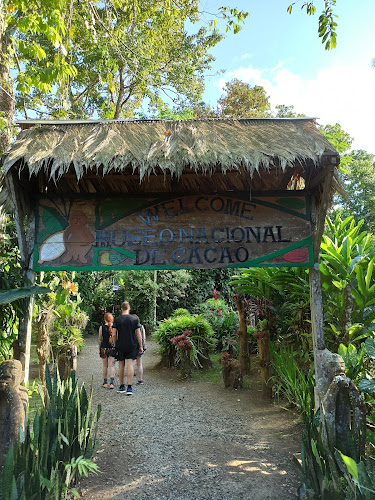
Cacao Trails – Museo de Cacao
About Cacao Trails – Museo de Cacao
Description
If you’re cruising through the lush corner of Costa Rica near Cahuita, Limón, and happen to wander close to Puerto Viejo de Talamanca or Punta Riel, the Cacao Trails – Museo de Cacao is one of those hidden gems that’ll totally surprise you. This isn’t your typical museum where you just glance at dusty old artifacts behind glass. No, here you get to *live* the story of cacao — from bean to bar — while soaking up the vibe of indigenous and Afro-descendant cultures that have shaped the region’s chocolate legacy for centuries.
Think of it as a chocolate adventure wrapped in nature. You’ll stroll through trails wearing comfortable shoes (trust me, you’ll want to) with the soundtrack of tropical birds and rustling leaves accompanying. It’s not just about history here; it’s about the flora and fauna that make cacao thrive, the sweat and care behind artisanal production, and yes, the oh-so-important tasting sessions that’ll make your taste buds dance. The stories are spun by passionate guides, and the atmosphere invites you to connect — whether you’re a hardcore chocolatier or someone simply curious.
Accessibility? They’ve nailed it with wheelchair ramps, accessible parking, and clean restrooms, so all visitors feel welcome. Plus, if you’re traveling with kids, this spot is surprisingly kid-friendly, offering a hands-on experience that’ll keep little ones curious. And LGBTQ+ travelers? You’re embraced openly here, which just adds to the honest, warm feeling of the place. What truly stands out is this blend of cultural heritage, environmental education, and just good old chocolate fun — a combination you won’t find just anywhere.
Key Features
- Interactive artisanal cacao production tour — watch, smell, and learn every step
- Guided walks on nature trails with detailed insights into local flora and fauna
- Deep dive into the indigenous and Afro-descendant influence on cacao cultivation and culture
- Tasting sessions featuring various chocolate products made right on-site — from bitter nibs to creamy bars
- Fully accessible facilities including entrance ramps, parking, and restrooms
- LGBTQ+ friendly atmosphere fostering inclusivity and respect
- Child-friendly tours that make the history and science of cacao fun and engaging
- Free parking available on-site, which is a huge plus when traveling in this area
Best Time to Visit
Now, when to squeeze in a visit? Well, the best time really depends on your weather tolerance and how much wildlife you want to catch. Costa Rica’s Caribbean coast – where this museum roams – is a bit different from the dry Pacific side. Rain can arrive in sudden bursts, especially between May and November. But don’t be scared—those showers usually last a short while, and the jungle seems to come alive after them. If you want drier trails and easier hiking conditions, try visiting between December and April. The forest is still green but less soggy underfoot.
Also, try to avoid the busiest hours around midday on weekends if you want a quieter, more personal experience. Early mornings or late afternoons often have a softer light for photos and less crowding. Plus, the cacao aroma tends to be stronger (yes, there’s such a thing), and your senses will thank you.
How to Get There
Getting yourself to Cacao Trails – Museo de Cacao is pretty straightforward if you’re anywhere near Cahuita, Limón, or Puerto Viejo de Talamanca. The region’s not exactly choked with heavy traffic, but roads can be narrow and winding, so take it slow, especially if you’re renting a scooter or local car.
If you’re coming from Puerto Viejo, it’s a short drive up north. Local buses run reasonably regularly between the major towns, though schedules can be a bit loose – so patience is your friend here. If you’re all about convenience, a taxi or rideshare is easy enough to flag down, and the drivers usually know the spot well because it’s a local favorite.
For those coming from further afield, the nearest major airport is in Limón, though San José is the main hub if you’re coming internationally. Renting a car is probably the most flexible choice, letting you explore the coastline without a rush. Just remember, signage can be sparse, so have an offline map or GPS handy (and maybe some snacks because you never know).
Tips for Visiting
Alright, here comes the good stuff—my not-so-average tips to make your visit smooth and memorable.
First off, don’t just show up in flip-flops if you want to fully enjoy those walking trails. The terrain can be a little uneven, sometimes muddy, so closed shoes and comfy socks will save you a headache (and maybe a funny story about slipping in front of your new cacao friends).
Bring a bottle of water, but no worries if you forget – the onsite amenities have restrooms and usually some basic refreshments. Though, honestly, the best refreshment? That first bite of fresh cocoa product they hand you during the tasting. Prepare your taste buds.
If you’re a photography nerd (guilty here), mornings are where light and stillness create the perfect shot. Plus, you might catch some early critters on the trails before the sun gets high and the insects get bolder.
Don’t be shy to ask tons of questions. The guides here love to chat and share stories — they often add little nuggets of local lore or strange cacao trivia like cacao juice sometimes used in traditional medicine or climate changes affecting harvest cycles.
Also, if you can swing it, visit during a festival or local celebration. It adds an extra layer of atmosphere that you won’t get on regular days—music, dancing, and, yes, more chocolate.
Lastly, keep your mind open. This place isn’t a cookie-cutter tourist trap. It’s an experience wrapped in history, nature, and culture, with a bit of unpolished charm. If you want to really appreciate the influence of Afro-descendent and indigenous peoples on this delicious crop, this is the spot that does justice to their legacy.
So, pack your curiosity, maybe some bug spray, and get ready for a chocolate journey with a story that goes way beyond your average candy bar. You won’t regret it.
Key Features
- Interactive artisanal cacao production tour — watch, smell, and learn every step
- Guided walks on nature trails with detailed insights into local flora and fauna
- Deep dive into the indigenous and Afro-descendant influence on cacao cultivation and culture
- Tasting sessions featuring various chocolate products made right on-site — from bitter nibs to creamy bars
- Fully accessible facilities including entrance ramps, parking, and restrooms
- LGBTQ+ friendly atmosphere fostering inclusivity and respect
- Child-friendly tours that make the history and science of cacao fun and engaging
- Free parking available on-site, which is a huge plus when traveling in this area
Tours & Activities
GetYourGuide provides this tour inventory. We may earn a commission if you book through it; verify current availability, prices, and terms with the provider.
Visitor Reviews
There are no reviews yet. Be the first one to write one.
Share Your Experience
Have you visited Cacao Trails – Museo de Cacao? Help other travelers by leaving a review.