
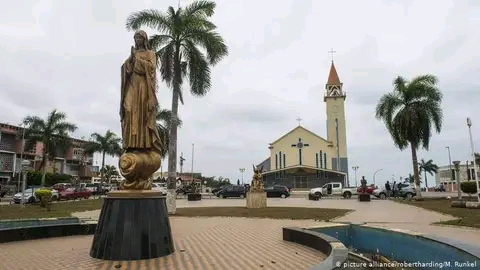
Cabinda
About Cabinda
Description
Look, I've been fascinated by unique African destinations for years, and Cabinda is truly one of those places that'll make you rethink everything you thought you knew about Angola. This small but mighty exclave tucked between the Republic of the Congo and the Democratic Republic of the Congo is like a puzzle piece that doesn't quite fit where you'd expect it to. With its half-million residents, Cabinda city pulses with an energy that's hard to describe - it's part oil boom town, part cultural melting pot, and completely its own thing.
Key Features
• Mayombe Forest - A stunning rainforest ecosystem that's basically Cabinda's crown jewel, where you can spot some pretty incredible wildlife if you're patient enough
• Beaches along the Atlantic coast that honestly don't get enough credit - they're raw, untouched, and perfect for those who like their beach time without the tourist crowds
• The bustling Central Market, where you'll find everything from traditional medicines to modern electronics (and trust me, the haggling here is an art form)
• Colonial architecture that tells stories of Portuguese influence, especially around the old town
• The famous Simulambuco Treaty Site, which might not look like much but carries huge historical significance
• Local art galleries showcasing Cabindan woodcarving - these artists are keeping centuries-old traditions alive
Best Time to Visit
From my experience tracking weather patterns here, you'll want to aim for the dry season between June and September. The temps hover around a comfortable 75°F (24°C), and you won't have to deal with the intense humidity that comes with the rainy season. But ya know what? If you're okay with occasional showers, May and October can be pretty amazing too - everything's green, there are fewer visitors, and prices tend to drop a bit.
How to Get There
Getting to Cabinda takes a bit of planning, but that's part of the adventure. Your best bet is flying into Cabinda Airport (CAB) - there are regular flights from Luanda, Angola's capital. Sometimes the flight schedules can be a bit unpredictable, so I always recommend building some flexibility into your travel plans. And heads up: you'll need your Angola visa sorted before arrival, plus make sure your yellow fever vaccination is up to date.
Tips for Visiting
I learned some of these the hard way, so let me save you some trouble. First off, bring cash - lots of it. ATMs can be temperamental, and many places don't take cards. The local currency is the Angolan Kwanza, and while some places might accept US dollars, the exchange rate might not be in your favor.
Speaking Portuguese, or at least having a few basic phrases down, will make your life SO much easier. The locals really appreciate the effort, even if you're just stumbling through "obrigado" (thank you).
Safety-wise, Cabinda's political situation can be complex. Stay updated on current events before and during your visit. Stick to the main areas of the city, especially after dark, and maybe skip the solo hiking adventures in remote areas.
Oh, and don't forget to try the local coffee - it's seriously underrated. The region produces some amazing beans, and the local brewing method is something else. Try to connect with local guides through your hotel or guesthouse - they know all the spots that don't show up in guidebooks and can help navigate any language barriers.
Also, bring a good camera - the light here during golden hour is something special, especially when it hits the rainforest canopy or reflects off the Atlantic. And pack light, breathable clothing - the humidity here can catch you off guard if you're not used to it.
You might wanna grab a local SIM card when you arrive - internet connectivity can be spotty, and having a local number makes arranging things much easier. Just remember to bring an unlocked phone.
Lastly, respect local customs. Cabindans are generally pretty laid-back, but it's good practice to ask before taking photos of people or religious sites. And if someone invites you to share a meal, accept it - some of my best memories here have been sharing simple dishes with locals who were kind enough to welcome me into their homes.
Key Features
- Key Features
- Best Time to Visit
- How to Get There
- Tips for Visiting
Tours & Activities
GetYourGuide provides this tour inventory. We may earn a commission if you book through it; verify current availability, prices, and terms with the provider.
Visitor Reviews
There are no reviews yet. Be the first one to write one.
Share Your Experience
Have you visited Cabinda? Help other travelers by leaving a review.