

Cabadbaran River
About Cabadbaran River
Description
Let me talk straight with you: If you’ve been slogging through hours of research on the top places to get close to nature in the Philippines, step aside from the “usuals.” Here’s one that water-lovers and culture-seekers both often overlook. Cabadbaran River, winding its way through the City of Cabadbaran in Agusan del Norte, is, frankly, underappreciated for what it quietly delivers. You get a fresh look at the backbone of local life and the natural world—without mobs of tourists jostling for the same Instagram shot.
What’s truly special about Cabadbaran River isn’t just its stretch of clean, flowing water or the tree-shaded banks inviting a moment’s peace. It matters because it’s one of those places that manages to be both a lifeline and a playground. Locals have depended on this river since—well, longer than anyone around can remember. It irrigates fields, supports fishing families, and still makes room for the curious traveler keen on paddling, sketching, or just taking a long, thoughtful stroll beside its currents. And, not every river can claim that.
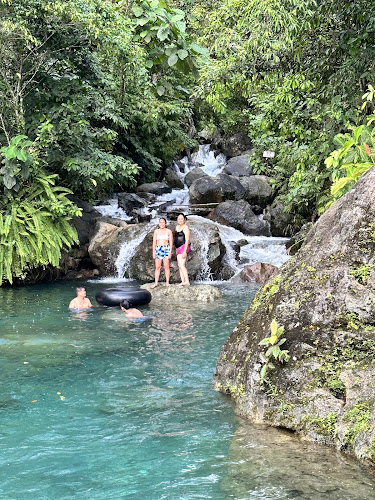
I spent a blissful afternoon here not long ago, sharing boiled bananas and stories with a kindly fisherman who recounted his childhood on the water. He talked about the river changing with the seasons, his family’s rituals, the birds that always returned. As we watched kids leap into the water from rope swings, it struck me that Cabadbaran River is still beating at the heart of Agusan del Norte community life—resilient, genuine, and never in a hurry to impress. If you’re into local immersion and natural resources, this river is for you.
The river itself is one of the main waterways feeding into the vast Agusan River system of Mindanao. Here, the banks are hugged by barangays in the city and framed by lush forest patches, a reminder that the Caraga Region is still a place of green abundance. You might hear the region called “the land of rivers” and realize, standing knee-deep in the shallows, that it’s not just about geography. It’s about tradition, food, fishing lore, and the genuine pride locals hold for their river. And, while some parts get muddy in the rainy season, there are still quiet pockets where the only sound is water lapping over stones and far-off carabao calls.
Key Features
- Prime Water Source: Essential for the municipality, the river sustains the agricultural lands of the City of Cabadbaran and neighboring barangays, driving both the food supply and the economic engine of Agusan del Norte province.
- Eco-Friendly Activities: Whether you fancy a lazy kayak, riverbank picnic, or just a bracing swim (yes, you can still safely swim here in many parts), the options are authentic and blend right into daily life.
- Rich Biodiversity: Expect to spot resident and migratory birds, riverine fish (think tilapia and catfish for your dinner), and, if you’re really attentive, maybe a monitor lizard sunning itself. Local folks proudly point out that more than 30 endemic plant species can be found along the riverbanks.
- Cultural Connection: Key moments of community life—from barangay fiestas to old fishing traditions—circulate around this river. Sometimes you’ll catch impromptu local gatherings, and if you’re open to it, join in.
- Photography & Painting: Early morning and sunset bring a gold-washed sky and mist curling over the water—ideal for you aspiring photographers and artists. Bring extra SD cards.
- Accessible Yet Unspoiled: The river is close to the city center and public transport routes, yet it doesn’t feel overrun. Just a short tricycle or motorbike ride and you’re in another world. Frankly, I still can’t believe it’s not a primary stop on every Mindanao tourist map.
- Gateway to City of Cabadbaran History: Older residents are happy to recount times when the river served as the main artery for trade in Agusan del Norte, and you’ll spot markers or relics hinting at this past.
- Community-led Conservation Efforts: Through various local government and youth initiatives, parts of the river region are regularly cleaned and maintained. Villagers plant trees and keep the banks free from major debris—no easy feat in today’s world.
- Riverside Local Food Stalls: For the best “kinilaw” (Filipino ceviche) or grilled native chicken, grab a plastic table by the water. I swear, food just tastes a little better with river air and the hum of city Cabadbaran in the background.
Best Time to Visit
There are, of course, two types of travelers: the planners and the “let’s see what happens” types. Either way, timing your Cabadbaran River visit does make a difference—spoken as someone who has come both when the water was crystal clear and once during a mild flood (learned my lesson).
The ideal time is from late December to early May, when the weather is a little cooler for Agusan del Norte (locals may call this “chilly” at 22°C/71°F but, let’s face it, you might even sweat). January to March is particularly special with clear water, low river levels for wading, and rice fields green as emerald carpeting the surrounding area. If you’re keen on joining local barangay celebrations or food festivals, they often fall during these dry months—just ask around in the city center when you arrive.
On the other hand, the rainy season, stretching roughly June through November, swells the river and muddies the banks. Some spots look wild and positively Jurassic, which can be magical for photographers or birders. But for easy swimming, picnics, and scenic walks, stick to the dry season. Don’t forget that afternoon thunderstorms do happen—bring a plastic poncho in your pack, just in case.
Local knowledge hack? Early morning visits (say, before 9 a.m.) get you the softest light, misty river scenes, and almost no one around except fisherfolk. Golden hour at sunset is also wonderful—but bring mosquito repellent.
How to Get There
If you’re already in Agusan del Norte, it’s genuinely one of the easier rivers to access—no multi-hour hikes, no hiring of expensive guides unless you want a detailed eco tour. Cabadbaran City is well-connected by highway networks in the Caraga Region. Buses and vans ply routes from Butuan City, which is just under an hour away by road (maybe less if your driver’s in a hurry—drivers here are, let’s say, confident).
Once in Cabadbaran City, you can hire a tricycle or “habal-habal” (motorbike taxi)—the drivers know where the best river views are. The most popular access points are no more than 10 minutes from the city center. If you prefer local color, just ask at any roadside eatery; odds are, someone’s cousin or uncle will offer to show you their favorite riverside spot, and you may leave with a basket of lanzones or sweet potatoes too.
If you’re driving yourself, follow roads leading toward the barangays of Calibunan, Caasinan, or Bato—each has distinct access to scenic or lively parts of the river. There isn’t a formal tourism “entrance” or ticket system; it’s a public, living river. Parking’s usually easy, but don’t block access for residents or the odd water buffalo.
From other provinces in Mindanao or the Caraga Region, you’ll want to route via Butuan or Surigao del Norte depending on your entry point. Flights to Butuan City operate from Manila and Cebu; from there, it’s smooth sailing by land.
Tips for Visiting
- Ask Locals for Guidance: You’ll get more from your day with insights from city residents. One teenage guide last year showed me a village fish trap and pointed out rare kingfishers—something no brochure ever mentioned.
- Come Early or Late: Beat the heat, get the best light for photos, and enjoy the most peaceful vibes. Noon can be roasting, and you may have to share the riverside with enthusiastic barangay basketball players.
- Tread Lightly: Treat the environment with the respect you’d want in your own community. Avoid littering, and help keep the water clear for residents and wildlife—honestly, this is one way to guarantee a warm welcome.
- Respect Local Customs: Some river spots double as places of prayer or festivals. If you see candles, flowers, or woven offerings, keep a respectful distance.
- Bring Cash and Snacks: Don’t plan on finding ATMs or branded convenience stores close to the river. Local food stalls and sari-sari stores often work on cash and close early.
- Prepare for Sudden Rain: Dry season isn’t always bone dry. Pack a waterproof bag, especially for cameras and phones. I learned this the (very) hard way.
- Try the Local Cuisine: The river’s edge is where you’ll sample ultra-fresh fish and kinilaw. Skip fast food; let a vendor plate up something only found in the province of Agusan del Norte.
- Pace Yourself: Cabadbaran River isn’t about rushing. Settle in, watch life happen, and let the easy rhythm of the city—and the water—pull you back from any stress.
- Bring a Friend or Go with a Local: While it's quite safe, you'll have a richer time with company, and someone to mind your bag if you decide on an impulsive swim.
I know you could always chase bigger rivers or flashier destinations elsewhere in the Philippines, but in the end, places like Cabadbaran River offer the deeper, more lasting stories. Don’t just pass through. Make time, and let this piece of Agusan del Norte, pulsing quietly through Cabadbaran City, show you the kind of slow magic the best adventures are made of.
Key Features
- Key Features
- Best Time to Visit
- How to Get There
- Tips for Visiting
More Details
Updated August 2, 2025
Table of Contents Let me talk straight with you: If you’ve been slogging through hours of research on the top places to get close to nature in the Philippines, step aside from the “usuals.” Here’s one that water-lovers and culture-seekers both often overlook. Cabadbaran River, winding its way through the City of Cabadbaran in Agusan del Norte, is, frankly, underappreciated for what it quietly delivers. You get a fresh look at the backbone of local life and the natural world—without mobs of tourists jostling for the same Instagram shot. What’s truly special about Cabadbaran River isn’t just its stretch of clean, flowing water or the tree-shaded banks inviting a moment’s peace. It matters because it’s one of those places that manages to be both a lifeline and a playground. Locals have depended on this river since—well, longer than anyone around can remember. It irrigates fields, supports fishing families, and still makes room for the curious traveler keen on paddling, sketching, or just taking a long, thoughtful stroll beside its currents. And, not every river can claim that. I spent a blissful afternoon here not long ago, sharing boiled bananas and stories with a kindly fisherman who recounted his childhood on the water. He talked about the river changing with the seasons, his family’s rituals, the birds that always returned. As we watched kids leap into the water from rope swings, it struck me that Cabadbaran River is still beating at the heart of Agusan del Norte community life—resilient, genuine, and never in a hurry to impress. If you’re into local immersion and natural resources, this river is for you. The river itself is one of the main waterways feeding into the vast Agusan River system of Mindanao. Here, the banks are hugged by barangays in the city and framed by lush forest patches, a reminder that the Caraga Region is still a place of green abundance. You might hear the region called “the land of rivers” and realize, standing knee-deep in the shallows, that it’s not just about geography. It’s about tradition, food, fishing lore, and the genuine pride locals hold for their river. And, while some parts get muddy in the rainy season, there are still quiet pockets where the only sound is water lapping over stones and far-off carabao calls. There are, of course, two types of travelers: the planners and the “let’s see what happens” types. Either way, timing your Cabadbaran River visit does make a difference—spoken as someone who has come both when the water was crystal clear and once during a mild flood (learned my lesson). The ideal time is from late December to early May, when the weather is a little cooler for Agusan del Norte (locals may call this “chilly” at 22°C/71°F but, let’s face it, you might even sweat). January to March is particularly special with clear water, low river levels for wading, and rice fields green as emerald carpeting the surrounding area. If you’re keen on joining local barangay celebrations or food festivals, they often fall during these dry months—just ask around in the city center when you arrive. On the other hand, the rainy season, stretching roughly June through November, swells the river and muddies the banks. Some spots look wild and positively Jurassic, which can be magical for photographers or birders. But for easy swimming, picnics, and scenic walks, stick to the dry season. Don’t forget that afternoon thunderstorms do happen—bring a plastic poncho in your pack, just in case. Local knowledge hack? Early morning visits (say, before 9 a.m.) get you the softest light, misty river scenes, and almost no one around except fisherfolk. Golden hour at sunset is also wonderful—but bring mosquito repellent. If you’re already in Agusan del Norte, it’s genuinely one of the easier rivers to access—no multi-hour hikes, no hiring of expensive guides unless you want a detailed eco tour. Cabadbaran City is well-connected by highway networks in the Caraga Region. Buses and vans ply routes from Butuan City, which is just under an hour away by road (maybe less if your driver’s in a hurry—drivers here are, let’s say, confident). Once in Cabadbaran City, you can hire a tricycle or “habal-habal” (motorbike taxi)—the drivers know where the best river views are. The most popular access points are no more than 10 minutes from the city center. If you prefer local color, just ask at any roadside eatery; odds are, someone’s cousin or uncle will offer to show you their favorite riverside spot, and you may leave with a basket of lanzones or sweet potatoes too. If you’re driving yourself, follow roads leading toward the barangays of Calibunan, Caasinan, or Bato—each has distinct access to scenic or lively parts of the river. There isn’t a formal tourism “entrance” or ticket system; it’s a public, living river. Parking’s usually easy, but don’t block access for residents or the odd water buffalo. From other provinces in Mindanao or the Caraga Region, you’ll want to route via Butuan or Surigao del Norte depending on your entry point. Flights to Butuan City operate from Manila and Cebu; from there, it’s smooth sailing by land. I know you could always chase bigger rivers or flashier destinations elsewhere in the Philippines, but in the end, places like Cabadbaran River offer the deeper, more lasting stories. Don’t just pass through. Make time, and let this piece of Agusan del Norte, pulsing quietly through Cabadbaran City, show you the kind of slow magic the best adventures are made of.Description
Key Features
Best Time to Visit
How to Get There
Tips for Visiting
Key Highlights
- Key Features
- Best Time to Visit
- How to Get There
- Tips for Visiting
Location
Places to Stay Near Cabadbaran River
Find and Book a Tour
Explore More Travel Guides
No reviews found! Be the first to review!
Traveler Reviews for Cabadbaran River
There are no reviews yet. Be the first one to write one.
Have you visited Cabadbaran River? Help other travelers by sharing your review.
You Might Also Like
Tumipi Cold Spring

Catian Beach Resort

Cong.Edelmiro Amante Firing Range
Find Accommodations Nearby
Recommended Tours & Activities
Visitor Reviews
There are no reviews yet. Be the first one to write one.
Share Your Experience
Have you visited Cabadbaran River? Help other travelers by leaving a review.