
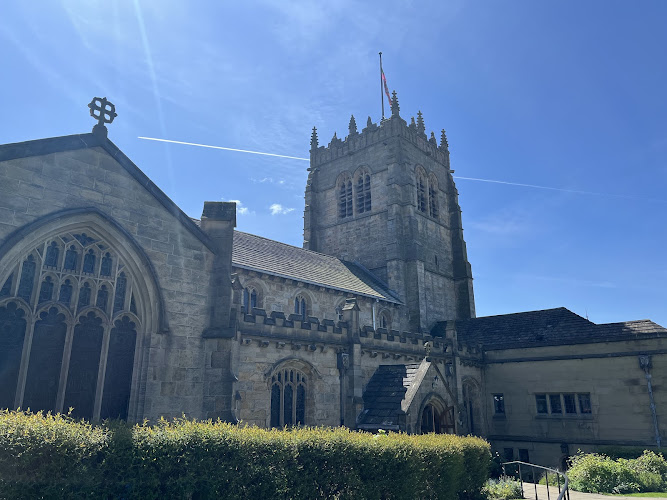
Bradford Cathedral
About Bradford Cathedral
Description
Bradford Cathedral, officially known as the Cathedral Church of St Peter, is one of those places that quietly wins you over the moment you step through its doors. It’s the city’s oldest building and, to me, it feels like a living scrapbook of Bradford’s story — centuries of faith, craftsmanship, and community all layered into one remarkable space. The cathedral stands gracefully amid the city’s hum, surrounded by peaceful gardens that make you forget you’re in the middle of a bustling urban centre. Inside, you’ll find a blend of medieval stonework and modern touches that somehow work together beautifully — like time itself folded neatly into the architecture.
What makes Bradford Cathedral so special isn’t just its age or its title as one of three co-equal cathedrals in the Diocese of Leeds (alongside Ripon and Wakefield). It’s the feeling you get when you’re there. The original nave arcades date back to the 14th century, and the stained-glass windows — some centuries old, others more modern — cast coloured light across the stone in a way that’s quietly magical. The cathedral became a cathedral in 1919, but its roots as a place of worship stretch back much further, with the earliest church on this site believed to date to Saxon times. That’s a lot of history under one roof, and you can feel it in the air.
Visitors often talk about the calm they find here. It’s not grand in the way some cathedrals are — it’s more intimate, more personal. You can wander through its chapels, admire the intricate carvings, or simply sit and listen to the faint echo of footsteps on stone. And if you’re lucky, you might catch the choir rehearsing; their voices filling the nave is something you won’t forget in a hurry. For me, it’s the kind of place that invites you to slow down, breathe, and just be for a while — something we all need more of these days.
Key Features
- Historic Architecture: A blend of medieval craftsmanship and later additions, including original nave arcades and a 15th-century tower.
- Stained Glass Windows: A stunning collection that tells biblical stories through colour and light, with both ancient and contemporary designs.
- Peaceful Gardens: A small but serene green space offering a quiet retreat from the city’s pace.
- Accessibility: Fully wheelchair accessible with accessible restrooms and parking, making it welcoming for all visitors.
- Community and Worship: Regular services, concerts, and cultural events that connect locals and travellers alike.
- Art and Heritage: Exhibitions and interpretive displays that highlight Bradford’s religious and social history.
- Atmosphere: A tranquil, reflective environment that feels both sacred and inclusive.
Best Time to Visit
Honestly, any time of year works, but each season brings its own charm. If you visit in spring or summer, the gardens are at their best — full of colour and life, perfect for a quiet sit before heading inside. Autumn gives the cathedral a kind of golden glow, especially when the sunlight hits the stained glass just right. And winter? Well, there’s something about the hush of the cathedral during the colder months that feels extra special. Around Christmas, the place comes alive with candlelit services and music that can melt even the iciest of moods.
Weekdays tend to be quieter if you prefer a more contemplative visit, while weekends often see more activity with services or community events. If you’re into photography, aim for late morning or early afternoon when the light streaming through the windows is most dramatic — trust me, your camera will thank you.
How to Get There
Getting to Bradford Cathedral is refreshingly straightforward. It’s located right in the heart of the city, just a short walk from the main train stations and bus routes. If you’re coming by train, Bradford Interchange and Bradford Forster Square are both within walking distance — about ten minutes or so, depending on your pace. For those driving, there’s parking nearby, and the cathedral’s accessibility features mean it’s easy to reach for visitors with mobility needs.
Once you’re there, you’ll probably notice how the cathedral sits slightly elevated above the city — not dramatically so, but enough to give you a sense of perspective. It’s a lovely spot to pause and take in the skyline before heading inside. I’d recommend planning your visit alongside a wander through Bradford’s nearby cultural spots, like the National Science and Media Museum or City Park. It makes for a full, satisfying day of history and discovery.
Tips for Visiting
First off, give yourself time. This isn’t a place to rush through. Even if you’re not particularly religious, there’s something deeply grounding about spending an hour or two here. The cathedral staff and volunteers are genuinely welcoming — they’ll happily share stories about the building’s past or point out details you might have missed, like the carvings hidden in the choir stalls or the symbolism in certain windows.
If you can, try to catch one of the free guided tours. They really bring the place to life, explaining how the cathedral evolved through wars, industrial growth, and modern redevelopment. And if you’re into music, check the schedule for choral evensong or organ recitals — the acoustics are phenomenal. I once stumbled into a lunchtime concert here completely by accident, and it ended up being the highlight of my trip.
Dress comfortably, especially if you plan to explore the grounds. The cathedral’s stone floors can get a bit chilly, so a light jacket isn’t a bad idea, even in summer. Photography is usually allowed (without flash), but always check with staff first — they’re very friendly about it. And one more thing: don’t skip the small gift shop near the entrance. It’s got some lovely local crafts and books about the cathedral’s history, perfect for a thoughtful souvenir.
For those with accessibility needs, you’ll find it easy to get around. There’s a wheelchair-accessible entrance, restrooms, and parking. Families will appreciate the gender-neutral facilities and the general sense of welcome that permeates the place. It’s clear that the cathedral takes pride in being open and inclusive — not just as a historic site, but as a living, breathing part of Bradford’s community.
In short, Bradford Cathedral isn’t just another stop on a sightseeing list. It’s a space that invites you to slow down, reflect, and connect — with history, with art, and maybe even with yourself. Whether you’re drawn by the architecture, the music, or simply the peace it offers, you’ll walk away feeling a little lighter, a little more centred. And in a world that’s always rushing, that’s a rare and beautiful thing.
Key Features
- Key Features
- Best Time to Visit
- How to Get There
- Tips for Visiting
More Details
Updated November 9, 2025
Table of Contents
Description
Bradford Cathedral, officially known as the Cathedral Church of St Peter, is one of those places that quietly wins you over the moment you step through its doors. It’s the city’s oldest building and, to me, it feels like a living scrapbook of Bradford’s story — centuries of faith, craftsmanship, and community all layered into one remarkable space. The cathedral stands gracefully amid the city’s hum, surrounded by peaceful gardens that make you forget you’re in the middle of a bustling urban centre. Inside, you’ll find a blend of medieval stonework and modern touches that somehow work together beautifully — like time itself folded neatly into the architecture.
What makes Bradford Cathedral so special isn’t just its age or its title as one of three co-equal cathedrals in the Diocese of Leeds (alongside Ripon and Wakefield). It’s the feeling you get when you’re there. The original nave arcades date back to the 14th century, and the stained-glass windows — some centuries old, others more modern — cast coloured light across the stone in a way that’s quietly magical. The cathedral became a cathedral in 1919, but its roots as a place of worship stretch back much further, with the earliest church on this site believed to date to Saxon times. That’s a lot of history under one roof, and you can feel it in the air.
Visitors often talk about the calm they find here. It’s not grand in the way some cathedrals are — it’s more intimate, more personal. You can wander through its chapels, admire the intricate carvings, or simply sit and listen to the faint echo of footsteps on stone. And if you’re lucky, you might catch the choir rehearsing; their voices filling the nave is something you won’t forget in a hurry. For me, it’s the kind of place that invites you to slow down, breathe, and just be for a while — something we all need more of these days.
Key Features
- Historic Architecture: A blend of medieval craftsmanship and later additions, including original nave arcades and a 15th-century tower.
- Stained Glass Windows: A stunning collection that tells biblical stories through colour and light, with both ancient and contemporary designs.
- Peaceful Gardens: A small but serene green space offering a quiet retreat from the city’s pace.
- Accessibility: Fully wheelchair accessible with accessible restrooms and parking, making it welcoming for all visitors.
- Community and Worship: Regular services, concerts, and cultural events that connect locals and travellers alike.
- Art and Heritage: Exhibitions and interpretive displays that highlight Bradford’s religious and social history.
- Atmosphere: A tranquil, reflective environment that feels both sacred and inclusive.
Best Time to Visit
Honestly, any time of year works, but each season brings its own charm. If you visit in spring or summer, the gardens are at their best — full of colour and life, perfect for a quiet sit before heading inside. Autumn gives the cathedral a kind of golden glow, especially when the sunlight hits the stained glass just right. And winter? Well, there’s something about the hush of the cathedral during the colder months that feels extra special. Around Christmas, the place comes alive with candlelit services and music that can melt even the iciest of moods.
Weekdays tend to be quieter if you prefer a more contemplative visit, while weekends often see more activity with services or community events. If you’re into photography, aim for late morning or early afternoon when the light streaming through the windows is most dramatic — trust me, your camera will thank you.
How to Get There
Getting to Bradford Cathedral is refreshingly straightforward. It’s located right in the heart of the city, just a short walk from the main train stations and bus routes. If you’re coming by train, Bradford Interchange and Bradford Forster Square are both within walking distance — about ten minutes or so, depending on your pace. For those driving, there’s parking nearby, and the cathedral’s accessibility features mean it’s easy to reach for visitors with mobility needs.
Once you’re there, you’ll probably notice how the cathedral sits slightly elevated above the city — not dramatically so, but enough to give you a sense of perspective. It’s a lovely spot to pause and take in the skyline before heading inside. I’d recommend planning your visit alongside a wander through Bradford’s nearby cultural spots, like the National Science and Media Museum or City Park. It makes for a full, satisfying day of history and discovery.
Tips for Visiting
First off, give yourself time. This isn’t a place to rush through. Even if you’re not particularly religious, there’s something deeply grounding about spending an hour or two here. The cathedral staff and volunteers are genuinely welcoming — they’ll happily share stories about the building’s past or point out details you might have missed, like the carvings hidden in the choir stalls or the symbolism in certain windows.
If you can, try to catch one of the free guided tours. They really bring the place to life, explaining how the cathedral evolved through wars, industrial growth, and modern redevelopment. And if you’re into music, check the schedule for choral evensong or organ recitals — the acoustics are phenomenal. I once stumbled into a lunchtime concert here completely by accident, and it ended up being the highlight of my trip.
Dress comfortably, especially if you plan to explore the grounds. The cathedral’s stone floors can get a bit chilly, so a light jacket isn’t a bad idea, even in summer. Photography is usually allowed (without flash), but always check with staff first — they’re very friendly about it. And one more thing: don’t skip the small gift shop near the entrance. It’s got some lovely local crafts and books about the cathedral’s history, perfect for a thoughtful souvenir.
For those with accessibility needs, you’ll find it easy to get around. There’s a wheelchair-accessible entrance, restrooms, and parking. Families will appreciate the gender-neutral facilities and the general sense of welcome that permeates the place. It’s clear that the cathedral takes pride in being open and inclusive — not just as a historic site, but as a living, breathing part of Bradford’s community.
In short, Bradford Cathedral isn’t just another stop on a sightseeing list. It’s a space that invites you to slow down, reflect, and connect — with history, with art, and maybe even with yourself. Whether you’re drawn by the architecture, the music, or simply the peace it offers, you’ll walk away feeling a little lighter, a little more centred. And in a world that’s always rushing, that’s a rare and beautiful thing.
Key Highlights
- Key Features
- Best Time to Visit
- How to Get There
- Tips for Visiting
Location
Places to Stay Near Bradford Cathedral
Find and Book a Tour
Explore More Travel Guides
No reviews found! Be the first to review!
Traveler Reviews for Bradford Cathedral
There are no reviews yet. Be the first one to write one.
Have you visited Bradford Cathedral? Help other travelers by sharing your review.
You Might Also Like
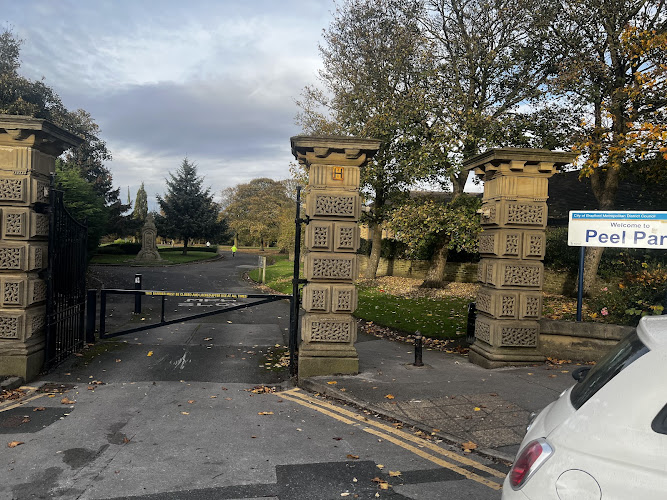
Peel Park, Bradford

Bolling Hall

Time Trapped
Find Accommodations Nearby
Recommended Tours & Activities
Visitor Reviews
There are no reviews yet. Be the first one to write one.
Share Your Experience
Have you visited Bradford Cathedral? Help other travelers by leaving a review.