
Birla Mandir
About Birla Mandir
History and Significance
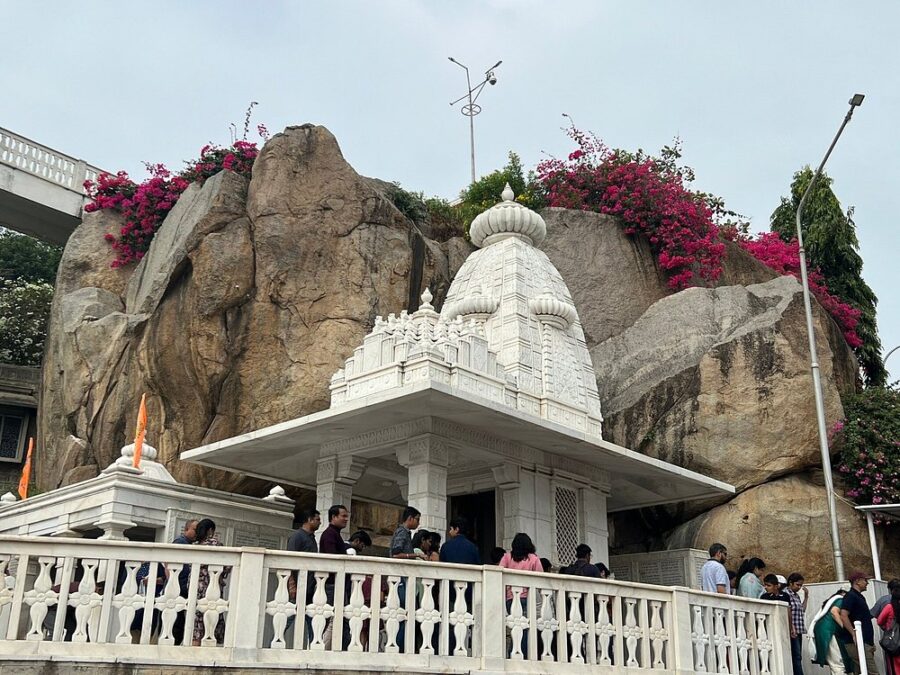
The Birla Mandir temples, particularly the ones in Hyderabad and Jaipur, hold a profound place in India’s spiritual landscape. These magnificent structures, often referred to simply as Birla Temple or Birla Mandir, are more than just places of worship; they are artistic marvels, each a Hindu temple built by the prominent Birla family. This illustrious industrialist family, known for their philanthropic endeavors, embarked on a mission to construct numerous temples across India. The temples are invariably dedicated to various Hindu deities, with the Hyderabad Birla Mandir, located in Telangana, primarily dedicated to Lord Vishnu and Goddess Lakshmi, and thus sometimes referred to as the Lakshmi Narayan Temple. It’s quite astonishing how one family's vision led to such widespread architectural and spiritual contributions.
My first encounter with a Birla Mandir was in Hyderabad, perched majestically atop a hillock. The serene ambiance immediately struck me. These temples, regardless of their location, share a common thread: they are almost entirely constructed from pure white marble, giving them a radiant glow, especially at dawn or dusk. And let me tell you, it's a sight to behold. The architectural style often blends various Indian traditions, making each Birla Mandir a unique yet recognizable edifice. The Birla Foundation, through the vision of figures like Jugal Kishore Birla, initiated many of these projects, with significant religious leaders like Swami Ranganathananda of the Ramakrishna Mission often involved in their inauguration. It’s more than just a building; it’s a living monument to faith and devotion.
Main Attractions and Activities
Stepping into a Birla Mandir, particularly the one in Hyderabad or the beautiful temple in Jaipur, is an experience that transcends mere sightseeing. The main temple in Hyderabad is adorned with exquisite sculptures depicting scenes from Hindu mythology. You’ll find shrines dedicated to other significant deities like Lord Shiva, Ganesh, and Hanuman, ensuring a comprehensive spiritual journey. The sheer craftsmanship of the white marble, sculpted into intricate figures and delicate patterns, is simply mesmerizing. I remember spending hours just admiring the detailed carvings, each one telling a story. In Jaipur, the Birla Mandir temple, also known as the Lakshmi Narayan temple, offers a similar captivating experience. The vast grounds invite contemplation and quiet reflection. While both are known as Birla Mandir, the temple in Jaipur often showcases magnificent stained-glass windows depicting religious scenes, a slight deviation from the typical marble dominance, and a charming touch. The atmosphere is consistently peaceful, a stark contrast to the bustling cities they inhabit. Many visitors, including myself, enjoy participating in the daily aartis and prayers. And if you’re lucky, you might even witness a Bhagavad Geeta recital. These are more than just temples; they are havens of tranquility and centers of cultural immersion.Visitor Experience
Visiting a Birla Mandir, whether it's the one perched on a hillock in Hyderabad or the serene temple in Jaipur, is an experience designed to soothe the soul and inspire awe. The tranquil ambiance, often a stark contrast to the surrounding urban clamor, immediately sets a spiritual tone. I’ve always found that the best time to visit is either early morning or late afternoon, when the pure white marble truly comes alive with the changing light, casting a warm glow. The quiet reverence of fellow visitors, the soft chanting, and the scent of incense all contribute to a profoundly moving atmosphere. You’ll find many people simply sitting in contemplation, absorbing the peaceful energy that permeates these sacred spaces. It’s a moment to pause, reflect, and appreciate the artistry and devotion encapsulated within these magnificent Hindu temples built by the Birla family. And speaking of the experience, it’s not just about the architecture, though that is certainly a major draw. The spiritual aura is palpable. In Hyderabad, the main temple dedicated to Lord Vishnu and Goddess Lakshmi, often referred to as the Lakshmi Narayan temple, offers a truly immersive devotional experience. I've personally spent hours admiring the intricate sculptures of various Hindu deities like Ganesh, Shiva, and Hanuman, each one a masterpiece in white marble. You don't have to be deeply religious to appreciate the profound sense of peace. The grandeur, the devotion, and the feeling of stepping into a realm of tranquility away from the mundane world—these are the hallmarks of a visit to any of the Birla Mandirs across India. It’s a genuine opportunity for spiritual rejuvenation, even if just for an hour or two.Tips for Visitors
To truly make the most of your visit to a Birla Mandir, a few pointers can go a long way. First and foremost, dress respectfully. While there isn't a strict dress code at every Birla Temple, modest attire that covers your shoulders and knees is always appreciated and shows respect for the sacred space. And honestly, it just feels right. Also, remember that photography inside the main temple area is often restricted, so be sure to check for signs. I’ve seen many a tourist politely reminded of this rule. This policy helps maintain the sanctity and peacefulness of the shrine, allowing visitors to fully immerse themselves in the spiritual environment without the distraction of cameras. It's a place for reflection, not a photo op. I highly recommend allocating ample time for your visit, especially if you're keen to explore the intricate details of the white marble carvings or simply sit and soak in the serene atmosphere. The Birla Mandir in Jaipur, for instance, offers stunning views of the city, and you'll want time to appreciate that vista. Consider visiting during a weekday if possible, as weekends can get quite crowded, especially at popular religious sites. And here's a little secret: if you can, try to coincide your visit with an aarti ceremony. The collective chanting and the beautiful rituals create an unforgettable experience. Trust me, it adds an entirely new dimension to your journey through these magnificent Hindu temples built by the Birlas.Accessibility and Facilities
The Birla Mandir temples, including the prominent ones in Hyderabad and Jaipur, are generally well-equipped to accommodate visitors, though accessibility can vary slightly. For instance, the Birla Mandir in Hyderabad, perched atop a hillock, does involve some stairs to reach the main temple complex. However, there are usually ramps or alternative routes for those with mobility challenges, though it’s always a good idea to confirm ahead if you have specific needs. I’ve personally seen efforts made to ensure a welcoming experience for all. These temples are more than just places of worship; they are significant cultural landmarks, and their management often strives to make them accessible to a broad public, reflecting the philanthropic spirit of the Birla family. Beyond accessibility, the larger Birla Mandirs typically offer a range of basic facilities to enhance visitors' comfort. This ensures that these magnificent white marble shrines are not only spiritual havens but also comfortable and welcoming destinations.| Facility | Details |
| Restrooms | Clean and generally available. |
| Gift Shop | Often present, selling religious artifacts or souvenirs. |
| Water Facilities | Generally available, particularly beneficial during warmer months in Telangana or Rajasthan. |
| Parking | Usually provided, though it can get busy on religious holidays. |
| Footwear Area | Designated areas for shoe removal before entering the main temple areas, a common practice in Hindu temples. |
Unique Features
What truly sets the Birla Mandirs apart, making each a unique masterpiece, is their consistent use of pure white marble, often sourced from the Makrana mines in Rajasthan. And believe me, it isn’t just any marble; it’s the same type used in the iconic Taj Mahal, giving these Hindu temples a luminous quality that is simply unparalleled. The Birla Mandir in Hyderabad, perched majestically on its hillock, glows under the sun, almost as if it’s ethereal. And the temple in Jaipur, while sharing this radiant material, incorporates magnificent stained-glass windows, a distinctive feature that depicts scenes from Hindu mythology and adds a vibrant burst of color to the otherwise pristine white interior. This artistic choice differentiates it from many similar temples built by the Birla family across India, showcasing a delightful blend of traditional Hindu temple architecture with unique stylistic flourishes. The exquisite craftsmanship evident in every sculpture and adornment is a testament to the dedication poured into these shrines. Intricate carvings depicting various Hindu deities adorn the walls and ceilings. Each figure, from the grand statues to the smaller, nuanced details, tells a story from ancient scriptures. The Hyderabad Birla Mandir, for instance, features a profound addition for devotees.| Location | Notable Feature |
| Hyderabad Birla Mandir | A replica of the Geeta engraved on its walls |
| General Temples (Designed by Birla Foundation) | Intricate carvings of Hindu deities: Lord Vishnu, Goddess Lakshmi, Ganesh, Shiva, Hanuman, Saraswati |
Overall Impressions
My overall impression of the Birla Mandirs, particularly the serene temple in Jaipur and its impressive counterpart in Hyderabad, is one of profound peace and architectural grandeur. There’s an undeniable spiritual aura that envelops you as soon as you step onto the grounds of these magnificent Hindu temples built by the Birla family. The sheer scale, combined with the delicate artistry of the pure white marble, creates an atmosphere that is both awe-inspiring and incredibly calming. It's a testament to the vision of the Birla Foundation and industrialists like Jugal Kishore Birla, who ensured these shrines would not only serve as places of worship but also as beacons of art and tranquility. And truly, the way the light plays on the white marble, especially at sunrise or sunset, is a sight you won't soon forget. It feels like stepping into a realm where the divine is almost palpable. And let me tell you, what strikes me most about these Birla Mandirs is their consistent ability to provide a serene escape from the hustle and bustle of city life. Whether it’s the elevated position of the Hyderabad temple offering panoramic views of Telangana or the expansive grounds of the temple in Jaipur inviting quiet contemplation, they all share this common thread of peaceful seclusion. The dedication to Lord Vishnu and Goddess Lakshmi in many of these temples, often leading to them being known as Lakshmi Narayan temples, underscores their spiritual core. But beyond the religious significance, the meticulous planning, the beautiful sculptures, and the thoughtful incorporation of deities like Ganesh, Shiva, and Hanuman all contribute to an experience that is both spiritually enriching and visually stunning. The Birlas have truly left an indelible mark on India’s landscape of faith and beauty.Pros and Cons
When considering the Birla Mandirs, the pros certainly outweigh any cons by a significant margin. On the positive side, the sheer architectural beauty is a major draw. The use of pure white marble gives these Hindu temples a dazzling, serene quality that is breathtaking, especially under the Indian sun. They offer an incredible opportunity for spiritual solace and contemplation, providing a much-needed escape from the urban din. The detailed sculptures of various Hindu deities are artistic marvels, showcasing exceptional craftsmanship. And the fact that they are accessible to all, often without an entry fee, makes them invaluable cultural and spiritual resources, embodying the philanthropic spirit of the Birla family and the Birla Foundation's mission. You’ll find yourself truly impressed by the grandeur and tranquility.| Birla Mandir Location | Key Feature |
|---|---|
| Hyderabad | Majestic temple |
| Jaipur | Beautiful temple |
Key Features
- Pure white marble construction with intricate carvings
- 11-foot idol of Lord Venkateshwara (replica of Tirupati Balaji)
- Elevated hilltop setting offering panoramic views of Hyderabad
- Peaceful atmosphere suitable for both worship and photography
- Easy access from central Hyderabad and popular with families and tourists
More Details
Updated July 1, 2025
Table of Contents
- History and Significance
- Main Attractions and Activities
- Visitor Experience
- Tips for Visitors
- Accessibility and Facilities
- Unique Features
- Overall Impressions
- Pros and Cons
- Key Highlights
- Location
- Places to Stay Near Birla Mandir
- Find and Book a Tour
- Explore More Travel Guides
- Nearby Places You Might Like
- Traveler Reviews for Birla Mandir
- Share Your Experience
History and Significance
The Birla Mandir temples, particularly the ones in Hyderabad and Jaipur, hold a profound place in India’s spiritual landscape. These magnificent structures, often referred to simply as Birla Temple or Birla Mandir, are more than just places of worship; they are artistic marvels, each a Hindu temple built by the prominent Birla family. This illustrious industrialist family, known for their philanthropic endeavors, embarked on a mission to construct numerous temples across India. The temples are invariably dedicated to various Hindu deities, with the Hyderabad Birla Mandir, located in Telangana, primarily dedicated to Lord Vishnu and Goddess Lakshmi, and thus sometimes referred to as the Lakshmi Narayan Temple. It’s quite astonishing how one family’s vision led to such widespread architectural and spiritual contributions.
My first encounter with a Birla Mandir was in Hyderabad, perched majestically atop a hillock. The serene ambiance immediately struck me. These temples, regardless of their location, share a common thread: they are almost entirely constructed from pure white marble, giving them a radiant glow, especially at dawn or dusk. And let me tell you, it’s a sight to behold. The architectural style often blends various Indian traditions, making each Birla Mandir a unique yet recognizable edifice. The Birla Foundation, through the vision of figures like Jugal Kishore Birla, initiated many of these projects, with significant religious leaders like Swami Ranganathananda of the Ramakrishna Mission often involved in their inauguration. It’s more than just a building; it’s a living monument to faith and devotion.
Main Attractions and Activities
Stepping into a Birla Mandir, particularly the one in Hyderabad or the beautiful temple in Jaipur, is an experience that transcends mere sightseeing. The main temple in Hyderabad is adorned with exquisite sculptures depicting scenes from Hindu mythology. You’ll find shrines dedicated to other significant deities like Lord Shiva, Ganesh, and Hanuman, ensuring a comprehensive spiritual journey. The sheer craftsmanship of the white marble, sculpted into intricate figures and delicate patterns, is simply mesmerizing. I remember spending hours just admiring the detailed carvings, each one telling a story.
In Jaipur, the Birla Mandir temple, also known as the Lakshmi Narayan temple, offers a similar captivating experience. The vast grounds invite contemplation and quiet reflection. While both are known as Birla Mandir, the temple in Jaipur often showcases magnificent stained-glass windows depicting religious scenes, a slight deviation from the typical marble dominance, and a charming touch. The atmosphere is consistently peaceful, a stark contrast to the bustling cities they inhabit. Many visitors, including myself, enjoy participating in the daily aartis and prayers. And if you’re lucky, you might even witness a Bhagavad Geeta recital. These are more than just temples; they are havens of tranquility and centers of cultural immersion.
Visitor Experience
Visiting a Birla Mandir, whether it’s the one perched on a hillock in Hyderabad or the serene temple in Jaipur, is an experience designed to soothe the soul and inspire awe. The tranquil ambiance, often a stark contrast to the surrounding urban clamor, immediately sets a spiritual tone. I’ve always found that the best time to visit is either early morning or late afternoon, when the pure white marble truly comes alive with the changing light, casting a warm glow. The quiet reverence of fellow visitors, the soft chanting, and the scent of incense all contribute to a profoundly moving atmosphere. You’ll find many people simply sitting in contemplation, absorbing the peaceful energy that permeates these sacred spaces. It’s a moment to pause, reflect, and appreciate the artistry and devotion encapsulated within these magnificent Hindu temples built by the Birla family.
And speaking of the experience, it’s not just about the architecture, though that is certainly a major draw. The spiritual aura is palpable. In Hyderabad, the main temple dedicated to Lord Vishnu and Goddess Lakshmi, often referred to as the Lakshmi Narayan temple, offers a truly immersive devotional experience. I’ve personally spent hours admiring the intricate sculptures of various Hindu deities like Ganesh, Shiva, and Hanuman, each one a masterpiece in white marble. You don’t have to be deeply religious to appreciate the profound sense of peace. The grandeur, the devotion, and the feeling of stepping into a realm of tranquility away from the mundane world—these are the hallmarks of a visit to any of the Birla Mandirs across India. It’s a genuine opportunity for spiritual rejuvenation, even if just for an hour or two.
Tips for Visitors
To truly make the most of your visit to a Birla Mandir, a few pointers can go a long way. First and foremost, dress respectfully. While there isn’t a strict dress code at every Birla Temple, modest attire that covers your shoulders and knees is always appreciated and shows respect for the sacred space. And honestly, it just feels right. Also, remember that photography inside the main temple area is often restricted, so be sure to check for signs. I’ve seen many a tourist politely reminded of this rule. This policy helps maintain the sanctity and peacefulness of the shrine, allowing visitors to fully immerse themselves in the spiritual environment without the distraction of cameras. It’s a place for reflection, not a photo op.
I highly recommend allocating ample time for your visit, especially if you’re keen to explore the intricate details of the white marble carvings or simply sit and soak in the serene atmosphere. The Birla Mandir in Jaipur, for instance, offers stunning views of the city, and you’ll want time to appreciate that vista. Consider visiting during a weekday if possible, as weekends can get quite crowded, especially at popular religious sites. And here’s a little secret: if you can, try to coincide your visit with an aarti ceremony. The collective chanting and the beautiful rituals create an unforgettable experience. Trust me, it adds an entirely new dimension to your journey through these magnificent Hindu temples built by the Birlas.
Accessibility and Facilities
The Birla Mandir temples, including the prominent ones in Hyderabad and Jaipur, are generally well-equipped to accommodate visitors, though accessibility can vary slightly. For instance, the Birla Mandir in Hyderabad, perched atop a hillock, does involve some stairs to reach the main temple complex. However, there are usually ramps or alternative routes for those with mobility challenges, though it’s always a good idea to confirm ahead if you have specific needs. I’ve personally seen efforts made to ensure a welcoming experience for all. These temples are more than just places of worship; they are significant cultural landmarks, and their management often strives to make them accessible to a broad public, reflecting the philanthropic spirit of the Birla family.
Beyond accessibility, the larger Birla Mandirs typically offer a range of basic facilities to enhance visitors’ comfort. This ensures that these magnificent white marble shrines are not only spiritual havens but also comfortable and welcoming destinations.
| Facility | Details |
| Restrooms | Clean and generally available. |
| Gift Shop | Often present, selling religious artifacts or souvenirs. |
| Water Facilities | Generally available, particularly beneficial during warmer months in Telangana or Rajasthan. |
| Parking | Usually provided, though it can get busy on religious holidays. |
| Footwear Area | Designated areas for shoe removal before entering the main temple areas, a common practice in Hindu temples. |
Unique Features
What truly sets the Birla Mandirs apart, making each a unique masterpiece, is their consistent use of pure white marble, often sourced from the Makrana mines in Rajasthan. And believe me, it isn’t just any marble; it’s the same type used in the iconic Taj Mahal, giving these Hindu temples a luminous quality that is simply unparalleled. The Birla Mandir in Hyderabad, perched majestically on its hillock, glows under the sun, almost as if it’s ethereal. And the temple in Jaipur, while sharing this radiant material, incorporates magnificent stained-glass windows, a distinctive feature that depicts scenes from Hindu mythology and adds a vibrant burst of color to the otherwise pristine white interior. This artistic choice differentiates it from many similar temples built by the Birla family across India, showcasing a delightful blend of traditional Hindu temple architecture with unique stylistic flourishes.
The exquisite craftsmanship evident in every sculpture and adornment is a testament to the dedication poured into these shrines. Intricate carvings depicting various Hindu deities adorn the walls and ceilings. Each figure, from the grand statues to the smaller, nuanced details, tells a story from ancient scriptures. The Hyderabad Birla Mandir, for instance, features a profound addition for devotees.
| Location | Notable Feature |
| Hyderabad Birla Mandir | A replica of the Geeta engraved on its walls |
| General Temples (Designed by Birla Foundation) | Intricate carvings of Hindu deities: Lord Vishnu, Goddess Lakshmi, Ganesh, Shiva, Hanuman, Saraswati |
These temples are not just structures; they are living libraries of Hindu culture and belief, designed by the Birla Foundation to be places of both worship and profound artistic appreciation. It’s an experience that truly transcends the ordinary, and you’ll find yourself marveling at the sheer talent involved.
Overall Impressions
My overall impression of the Birla Mandirs, particularly the serene temple in Jaipur and its impressive counterpart in Hyderabad, is one of profound peace and architectural grandeur. There’s an undeniable spiritual aura that envelops you as soon as you step onto the grounds of these magnificent Hindu temples built by the Birla family. The sheer scale, combined with the delicate artistry of the pure white marble, creates an atmosphere that is both awe-inspiring and incredibly calming. It’s a testament to the vision of the Birla Foundation and industrialists like Jugal Kishore Birla, who ensured these shrines would not only serve as places of worship but also as beacons of art and tranquility. And truly, the way the light plays on the white marble, especially at sunrise or sunset, is a sight you won’t soon forget. It feels like stepping into a realm where the divine is almost palpable.
And let me tell you, what strikes me most about these Birla Mandirs is their consistent ability to provide a serene escape from the hustle and bustle of city life. Whether it’s the elevated position of the Hyderabad temple offering panoramic views of Telangana or the expansive grounds of the temple in Jaipur inviting quiet contemplation, they all share this common thread of peaceful seclusion. The dedication to Lord Vishnu and Goddess Lakshmi in many of these temples, often leading to them being known as Lakshmi Narayan temples, underscores their spiritual core. But beyond the religious significance, the meticulous planning, the beautiful sculptures, and the thoughtful incorporation of deities like Ganesh, Shiva, and Hanuman all contribute to an experience that is both spiritually enriching and visually stunning. The Birlas have truly left an indelible mark on India’s landscape of faith and beauty.
Pros and Cons
When considering the Birla Mandirs, the pros certainly outweigh any cons by a significant margin. On the positive side, the sheer architectural beauty is a major draw. The use of pure white marble gives these Hindu temples a dazzling, serene quality that is breathtaking, especially under the Indian sun. They offer an incredible opportunity for spiritual solace and contemplation, providing a much-needed escape from the urban din. The detailed sculptures of various Hindu deities are artistic marvels, showcasing exceptional craftsmanship. And the fact that they are accessible to all, often without an entry fee, makes them invaluable cultural and spiritual resources, embodying the philanthropic spirit of the Birla family and the Birla Foundation’s mission. You’ll find yourself truly impressed by the grandeur and tranquility.
| Birla Mandir Location | Key Feature |
|---|---|
| Hyderabad | Majestic temple |
| Jaipur | Beautiful temple |
However, it wouldn’t be a complete picture without mentioning a couple of minor considerations. One potential con, particularly for the Birla Mandir in Hyderabad, situated on a hillock, is the ascent, which might be challenging for some with mobility issues, despite efforts to provide accessibility. Another point, common to many popular religious sites across India, is the crowd factor. During peak seasons or major religious festivals, these temples can get incredibly busy, which can somewhat detract from the serene experience if you’re seeking quiet solitude. And while generally well-maintained, facilities like restrooms can sometimes be basic. But honestly, these are minor quibbles when weighed against the profound beauty, spiritual richness, and cultural significance that these magnificent white marble shrines, built by the Birlas, offer to all who visit.
Key Highlights
- Pure white marble construction with intricate carvings
- 11-foot idol of Lord Venkateshwara (replica of Tirupati Balaji)
- Elevated hilltop setting offering panoramic views of Hyderabad
- Peaceful atmosphere suitable for both worship and photography
- Easy access from central Hyderabad and popular with families and tourists
Location
Places to Stay Near Birla Mandir
Find and Book a Tour
Explore More Travel Guides
No reviews found! Be the first to review!
Traveler Reviews for Birla Mandir
There are no reviews yet. Be the first one to write one.
Have you visited Birla Mandir? Help other travelers by sharing your review.
Nearby Attractions
You Might Also Like
Sanjeevaiah Children
Yadadri Dense Plantation Boduppal
Tahniyat Mahal
Find Accommodations Nearby
Recommended Tours & Activities
Visitor Reviews
There are no reviews yet. Be the first one to write one.
Share Your Experience
Have you visited Birla Mandir? Help other travelers by leaving a review.