
Biodiversity Park -Botanical Garden
About Biodiversity Park -Botanical Garden
Description
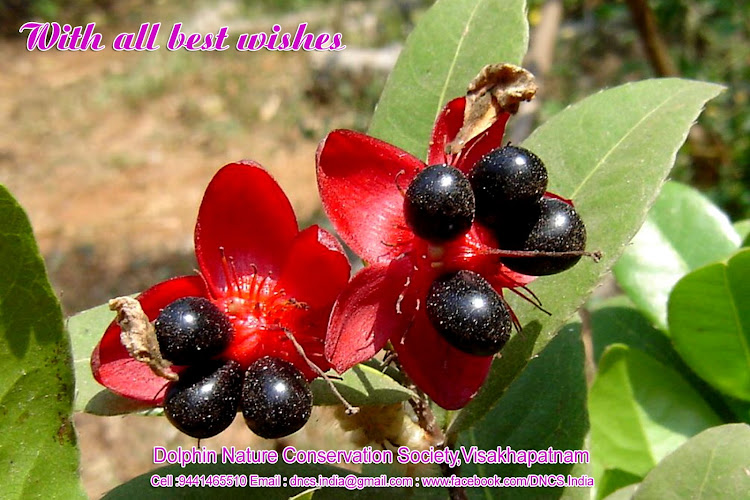
If you’re the kind of traveler who loves getting lost in the whispers of nature, the Biodiversity Park - Botanical Garden in Visakhapatnam is a spot you’ll want to carve out some serious time for. This isn’t just any garden; it’s a living, breathing classroom and sanctuary rolled into one. Run by the Dolphin Nature Conservation Society, a passionate group dedicated to protecting nature and spreading awareness, this 3-acre patch of green is tucked within the grounds of RCD Government Hospital in Pedawaltair. But don’t let the hospital setting fool you—this place bursts with life in ways you might not expect.
Imagine wandering through 2000 species of plants, many of which are rare gems you won’t easily find elsewhere. From medicinal herbs that have been used for centuries, to aromatic plants that fill the air with subtle fragrances, and even a slice of Jurassic Park with its prehistoric vibes—this garden is a treasure trove for anyone curious about the natural world. There’s a special kind of magic here, especially when you spot the oldest living fossil, the Ginkgo biloba, standing proud among orchids, desert plants, pitcher plants, palms, and sacred groves.
What really sets this park apart is its role as a living laboratory. Students and researchers flock here to study and soak in the diversity, but visitors get to reap the benefits too. It’s not just about looking at plants; it’s about experiencing the delicate dance of butterflies—105 species fluttering around like tiny flying jewels. And if you’ve got kids tagging along, they’ll find plenty to keep them entertained, from safe playgrounds to picnic spots where the whole family can unwind.
Accessibility is clearly a priority here, with wheelchair-friendly entrances and restrooms, plus gender-neutral facilities, making it welcoming to everyone. So whether you’re a nature nerd, a family looking for a chill day out, or someone who just wants to breathe in some fresh air surrounded by greenery, this Biodiversity Park offers a unique blend of education, conservation, and pure, unfiltered nature.
Key Features
- Home to over 2000 plant species, including rare and medicinal varieties
- 105 species of butterflies creating a lively, colorful atmosphere
- Specialty sections like Jurassic Park, orchids, desert plants, aquatic plants, palms, and pitcher plants
- Oldest living fossil: Ginkgo biloba, a remarkable sight for plant enthusiasts
- Educational living laboratory used by students and researchers
- Eco-friendly and conservation-focused ethos driven by Dolphin Nature Conservation Society
- Wheelchair accessible entrances and restrooms, plus gender-neutral facilities
- Picnic tables and playgrounds for families and groups
- Located within a serene hospital campus, offering a peaceful retreat from city buzz
Best Time to Visit
Picking the right time to visit can totally change your experience here. The park shines brightest during the cooler months—from late October to February—when the weather is just right for wandering around without melting into a puddle. The plants seem happier too, showing off their best colors and scents. Butterfly activity is at its peak in this period, so if you’re a shutterbug or just someone who loves watching nature’s tiny dancers, this is your sweet spot.
That said, the garden is open year-round, and each season brings something different. Summers can be a bit hot and sticky, but early mornings or late afternoons are still pleasant for a stroll. Monsoon season adds a fresh, lush vibe, with plants looking especially vibrant, though you might want to pack an umbrella just in case. Honestly, I remember visiting once during a light drizzle—it was like the whole garden was breathing a sigh of relief, and the air smelled so fresh it almost made me forget the city was just outside the gates.
How to Get There
Getting to the Biodiversity Park is pretty straightforward, whether you’re coming from within Visakhapatnam or beyond. It’s located in the Pedawaltair area, inside the RCD Government Hospital campus, so if you’re using local transport, just ask for the hospital and you’re halfway there. Auto-rickshaws and taxis are plentiful and affordable, and most drivers know the spot.
If you’re driving yourself, there’s parking available nearby, but keep in mind it can fill up during weekends or holidays. Public buses also serve the area, making it accessible without a car. For travelers flying in, Visakhapatnam’s airport is the closest, with a roughly 20-30 minute ride to the park depending on traffic. Honestly, if you’re into exploring local life, hopping on a bus or a rickshaw is a fun way to soak in the city’s vibe before you get your nature fix.
Tips for Visiting
Here’s the lowdown from someone who’s wandered these paths a few times: bring comfortable shoes because you’ll want to explore every nook and cranny without your feet screaming at you. And water—don’t underestimate how thirsty you’ll get, especially in the warmer months.
Try to go early in the day if you can. Not only is it cooler, but you’ll catch the butterflies in full swing and the plants looking their freshest. Plus, the mornings tend to be quieter, giving you a more intimate experience without the crowd buzz.
Don’t rush through. This park is one of those places where lingering pays off. Take a moment to sit by the sacred groves or the Jurassic Park section and just soak it in. I once found myself chatting with a local guide who shared stories about some of the rare plants—little nuggets of info that made the whole visit way more memorable.
Oh, and if you’re traveling with kids, the playground and picnic areas are a blessing. Pack a small lunch or snacks and make a day of it. It’s a great way to unplug and let the little ones burn off some energy surrounded by nature instead of screens.
Lastly, be mindful of the environment. This place thrives because of the care and respect from visitors and the dedicated team behind it. So, no littering, keep noise levels down, and treat the plants and wildlife like the precious treasures they are.
Key Features
- Home to over 2000 plant species, including rare and medicinal varieties
- 105 species of butterflies creating a lively, colorful atmosphere
- Specialty sections like Jurassic Park, orchids, desert plants, aquatic plants, palms, and pitcher plants
- Oldest living fossil: Ginkgo biloba, a remarkable sight for plant enthusiasts
- Educational living laboratory used by students and researchers
- Eco-friendly and conservation-focused ethos driven by Dolphin Nature Conservation Society
- Wheelchair accessible entrances and restrooms, plus gender-neutral facilities
- Picnic tables and playgrounds for families and groups
More Details
Updated July 21, 2025
Table of Contents
- Description
- Key Features
- Best Time to Visit
- How to Get There
- Tips for Visiting
- Key Highlights
- Location
- Places to Stay Near Biodiversity Park -Botanical Garden
- Find and Book a Tour
- Explore More Travel Guides
- Nearby Places You Might Like
- Traveler Reviews for Biodiversity Park -Botanical Garden
- Share Your Experience
Description
If you’re the kind of traveler who loves getting lost in the whispers of nature, the Biodiversity Park – Botanical Garden in Visakhapatnam is a spot you’ll want to carve out some serious time for. This isn’t just any garden; it’s a living, breathing classroom and sanctuary rolled into one. Run by the Dolphin Nature Conservation Society, a passionate group dedicated to protecting nature and spreading awareness, this 3-acre patch of green is tucked within the grounds of RCD Government Hospital in Pedawaltair. But don’t let the hospital setting fool you—this place bursts with life in ways you might not expect.
Imagine wandering through 2000 species of plants, many of which are rare gems you won’t easily find elsewhere. From medicinal herbs that have been used for centuries, to aromatic plants that fill the air with subtle fragrances, and even a slice of Jurassic Park with its prehistoric vibes—this garden is a treasure trove for anyone curious about the natural world. There’s a special kind of magic here, especially when you spot the oldest living fossil, the Ginkgo biloba, standing proud among orchids, desert plants, pitcher plants, palms, and sacred groves.
What really sets this park apart is its role as a living laboratory. Students and researchers flock here to study and soak in the diversity, but visitors get to reap the benefits too. It’s not just about looking at plants; it’s about experiencing the delicate dance of butterflies—105 species fluttering around like tiny flying jewels. And if you’ve got kids tagging along, they’ll find plenty to keep them entertained, from safe playgrounds to picnic spots where the whole family can unwind.
Accessibility is clearly a priority here, with wheelchair-friendly entrances and restrooms, plus gender-neutral facilities, making it welcoming to everyone. So whether you’re a nature nerd, a family looking for a chill day out, or someone who just wants to breathe in some fresh air surrounded by greenery, this Biodiversity Park offers a unique blend of education, conservation, and pure, unfiltered nature.
Key Features
- Home to over 2000 plant species, including rare and medicinal varieties
- 105 species of butterflies creating a lively, colorful atmosphere
- Specialty sections like Jurassic Park, orchids, desert plants, aquatic plants, palms, and pitcher plants
- Oldest living fossil: Ginkgo biloba, a remarkable sight for plant enthusiasts
- Educational living laboratory used by students and researchers
- Eco-friendly and conservation-focused ethos driven by Dolphin Nature Conservation Society
- Wheelchair accessible entrances and restrooms, plus gender-neutral facilities
- Picnic tables and playgrounds for families and groups
- Located within a serene hospital campus, offering a peaceful retreat from city buzz
Best Time to Visit
Picking the right time to visit can totally change your experience here. The park shines brightest during the cooler months—from late October to February—when the weather is just right for wandering around without melting into a puddle. The plants seem happier too, showing off their best colors and scents. Butterfly activity is at its peak in this period, so if you’re a shutterbug or just someone who loves watching nature’s tiny dancers, this is your sweet spot.
That said, the garden is open year-round, and each season brings something different. Summers can be a bit hot and sticky, but early mornings or late afternoons are still pleasant for a stroll. Monsoon season adds a fresh, lush vibe, with plants looking especially vibrant, though you might want to pack an umbrella just in case. Honestly, I remember visiting once during a light drizzle—it was like the whole garden was breathing a sigh of relief, and the air smelled so fresh it almost made me forget the city was just outside the gates.
How to Get There
Getting to the Biodiversity Park is pretty straightforward, whether you’re coming from within Visakhapatnam or beyond. It’s located in the Pedawaltair area, inside the RCD Government Hospital campus, so if you’re using local transport, just ask for the hospital and you’re halfway there. Auto-rickshaws and taxis are plentiful and affordable, and most drivers know the spot.
If you’re driving yourself, there’s parking available nearby, but keep in mind it can fill up during weekends or holidays. Public buses also serve the area, making it accessible without a car. For travelers flying in, Visakhapatnam’s airport is the closest, with a roughly 20-30 minute ride to the park depending on traffic. Honestly, if you’re into exploring local life, hopping on a bus or a rickshaw is a fun way to soak in the city’s vibe before you get your nature fix.
Tips for Visiting
Here’s the lowdown from someone who’s wandered these paths a few times: bring comfortable shoes because you’ll want to explore every nook and cranny without your feet screaming at you. And water—don’t underestimate how thirsty you’ll get, especially in the warmer months.
Try to go early in the day if you can. Not only is it cooler, but you’ll catch the butterflies in full swing and the plants looking their freshest. Plus, the mornings tend to be quieter, giving you a more intimate experience without the crowd buzz.
Don’t rush through. This park is one of those places where lingering pays off. Take a moment to sit by the sacred groves or the Jurassic Park section and just soak it in. I once found myself chatting with a local guide who shared stories about some of the rare plants—little nuggets of info that made the whole visit way more memorable.
Oh, and if you’re traveling with kids, the playground and picnic areas are a blessing. Pack a small lunch or snacks and make a day of it. It’s a great way to unplug and let the little ones burn off some energy surrounded by nature instead of screens.
Lastly, be mindful of the environment. This place thrives because of the care and respect from visitors and the dedicated team behind it. So, no littering, keep noise levels down, and treat the plants and wildlife like the precious treasures they are.
Key Highlights
- Home to over 2000 plant species, including rare and medicinal varieties
- 105 species of butterflies creating a lively, colorful atmosphere
- Specialty sections like Jurassic Park, orchids, desert plants, aquatic plants, palms, and pitcher plants
- Oldest living fossil: Ginkgo biloba, a remarkable sight for plant enthusiasts
- Educational living laboratory used by students and researchers
- Eco-friendly and conservation-focused ethos driven by Dolphin Nature Conservation Society
- Wheelchair accessible entrances and restrooms, plus gender-neutral facilities
- Picnic tables and playgrounds for families and groups
Location
Places to Stay Near Biodiversity Park -Botanical Garden
Find and Book a Tour
Explore More Travel Guides
No reviews found! Be the first to review!
Traveler Reviews for Biodiversity Park -Botanical Garden
There are no reviews yet. Be the first one to write one.
Have you visited Biodiversity Park -Botanical Garden? Help other travelers by sharing your review.
You Might Also Like
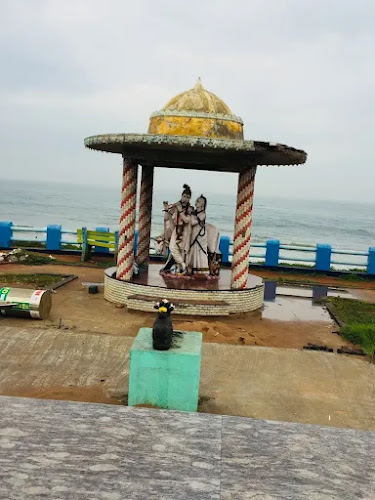
Gokul Park
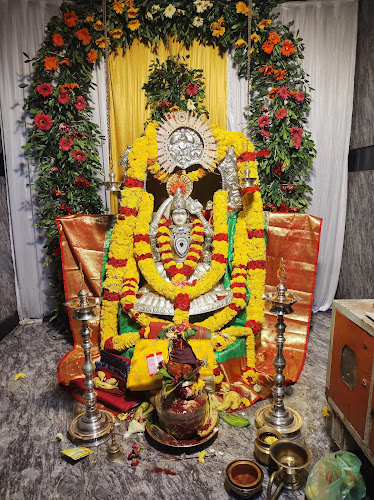
Sri Venkateswara Temple

Ropeway Base Station
Find Accommodations Nearby
Recommended Tours & Activities
Visitor Reviews
There are no reviews yet. Be the first one to write one.
Share Your Experience
Have you visited Biodiversity Park -Botanical Garden? Help other travelers by leaving a review.