
Bergamo
About Bergamo
Key Features
More Details
Updated April 16, 2024
## Bergamo Travel Guide: How to See the Walled Upper Town, Art Museums, and Alpine Views in One Efficient Day
Bergamo rewards travelers who like cities with layers. A medieval hilltop core ringed by UNESCO-listed fortifications sits above a modern lower town of museums, cafés, and tree-lined boulevards. It’s compact, walkable (with help from two funiculars), and close to the Alps—so you can blend architecture, art, and mountain air without wasting time in transit.
– Location: Bergamo, Lombardy, Italy
– Coordinates: 45.6982642, 9.6772698
> Note on accuracy & currency: Details like opening hours, ticket prices, and temporary exhibitions change frequently. Always re-check official sites for the latest before you go.
—
### Why Bergamo Works So Well for Travelers
– Two cities in one: The Città Alta (Upper Town) is the historic hilltop quarter enclosed by impressive Venetian walls—part of a transnational UNESCO inscription on 16th–17th-century defenses. The Città Bassa (Lower Town) spreads on the plain below with major museums and shopping streets.
– Zero dead time: Funiculars connect lower and upper levels quickly, keeping the climb optional and saving your knees for cobbled lanes and tower ascents.
– Art pedigree: The city’s classic-modern twinset—Accademia Carrara (Renaissance to Baroque) and GAMeC (contemporary)—makes for a clean, digestible art day without museum fatigue.
– Opera heritage: Bergamo is the birthplace of composer Gaetano Donizetti; the Lower Town’s Teatro Donizetti and the annual Donizetti Opera festival spotlight the city’s musical roots.
– Alpine edge: Clear days bring Orobic Alps views from the walls and San Vigilio hill—fantastic golden hour light for photography.
—
## A Smart First-Timer Itinerary (1 Long Day or 1.5 Days)
### Morning: Lower Town to Città Alta via Piazza Vecchia
1. Start in Città Bassa. Grab coffee near Viale Papa Giovanni XXIII and orient yourself on the grid before heading to the funicular.
2. Ride the Città Alta funicular. It delivers you to the stone-paved lanes of the old town within minutes.
3. Piazza Vecchia. This is Bergamo’s stage set—harmonious façades, the civic tower, and arcades. From here, slip behind the square to the Basilica di Santa Maria Maggiore and the Cappella Colleoni, both renowned for their interiors and sculptural detail.
4. Gombito & market lanes. Wander along Via Gombito and side alleys for small delis, bakeries, and artisan shops—good for edible souvenirs and quick picnic supplies.
Accessibility note: Surfaces in the Upper Town are largely cobbled and sloped. The funicular reduces elevation gain; wheelchair users and travelers with mobility considerations may still encounter uneven paving and narrow sidewalks in medieval sections. Plan ample time and consider taxis to upper gates if needed.
### Midday: Walls Walk + Lunch
5. Walk a segment of the Venetian walls. You’ll get panoramic views over the Lower Town and toward the foothills. The perimeter paths are among the best “free attractions” in northern Italy.
6. Lunch—Bergamasque specialties. Look for:
– Casoncelli alla bergamasca (filled pasta, typically with butter and sage).
– Polenta e osei (in pasticceria, this is a classic dessert—a dome of sponge and cream with chocolate; the historic name references birds, but the sweet is entirely pastry).
– Stracciatella gelato has a well-known association with Bergamo; you’ll find excellent versions throughout town.
### Afternoon: San Vigilio Heights or Museum Pairing
Choose based on weather:
– Option A: Castle & views. Take the second funicular from Città Alta to San Vigilio. Explore castle ruins, then walk down along switchback lanes with frequent viewpoints. Golden hour up here is superb.
– Option B: Museum core in the Lower Town. Ride the funicular back down and visit:
– Accademia Carrara for a concentrated survey of Italian masters (Botticelli, Bellini, Raphael’s circle, and strong Lombard schools).
– GAMeC across the street for rotating contemporary exhibitions—smart contrast and easy time-boxing.
### Evening: Aperitivo & Donizetti Connections
– Sentierone & Lower Town boulevards. Elegant arcades and cafés are ideal for aperitivo (try a Spritz or local Franciacorta by the glass).
– Teatro Donizetti. If you’re visiting in festival season, a performance adds serious cultural depth. At minimum, pass by for photos of the façade and nearby squares lit up at night.
—
## Neighborhood & Micro-Area Breakdown
### Città Alta (Upper Town)
– Headliners: Piazza Vecchia, Basilica di Santa Maria Maggiore, Cappella Colleoni, the civic tower (Torre del Campanone), and the Venetian ramparts.
– Vibe: Medieval street plan, stone portals, tight lanes that open to surprise terraces.
– Eat & shop: Small salumerie, pasticcerie, and gelaterie; good for polenta-based sweets and local cheeses from the valleys.
### Città Bassa (Lower Town)
– Headliners: Accademia Carrara and GAMeC; Porta Nuova area with grand 19th-century architecture; the Sentierone promenade.
– Vibe: Belle-Époque details meet modern shopping streets; easier sidewalks; more transit options.
### San Vigilio & Hills
– Headliners: Castello di San Vigilio, terraced lanes, vineyard and cypress views toward the Alps.
– Vibe: Residential-green edge above the old town; slower, more local pace; prime for sunset.
—
## Practical Logistics
### Getting Around
– Funiculars: The quickest way between lower and upper levels; they run frequently during the day and compress travel time.
– On foot: Expect hills and cobbles; bring supportive shoes. Plan wall segments and short stair bursts rather than a single full circuit if you’re short on time.
– Taxis/Rides: Helpful for travelers with luggage or mobility needs, especially to gates near Città Alta.
### When to Go
– Spring and autumn balance cooler walking temps with clearer views.
– Winter can be atmospheric—mist over the walls, quieter lanes, and warm pastry stops.
– Summer brings more visitors and midday heat; start early, take a long lunch break, and aim for evening wall walks.
### Food & Drink Basics
– Pasta & polenta heritage: The province’s valleys inform Bergamo’s cucina—expect casoncelli, polenta with braises, mountain cheeses, and butter-sage sauces.
– Desserts: Polenta e osei (pastry) and stracciatella gelato are widely found and easy to compare between shops.
– Wine: Look for Valcalepio and neighboring Lombard appellations on menus; by-the-glass lists often rotate with the season.
—
## Shortlist: Essential Experiences
– Stand in Piazza Vecchia and trace the line from civic tower to cathedral complex—three centuries of civic and sacred power in one glance.
– Walk a wall segment at late afternoon; the light rakes across terracotta roofs and the plains beyond.
– Pair Carrara + GAMeC for old-masters-to-modern in under two hours.
– Ride up to San Vigilio and linger at sunset.
– Eat casoncelli at a traditional trattoria, then stracciatella gelato on the stroll back.
—
## Day Trips & Add-Ons You Can Actually Fit
– Val Brembana or Val Seriana (scenic valleys): Cheese, river walks, and stone villages; go for a leisurely lunch and be back by evening.
– Lakes edge: Depending on your base itinerary, it’s feasible to thread in a half-day near Lake Iseo for a quieter alternative to the larger lakes.
—
## Inclusivity & Accessibility Notes
– Terrain: The medieval grid means uneven stones and variable curb heights. The funicular helps mitigate elevation change; some attractions have steps at entries or within naves and chapels.
– Quiet rooms & breaks: The museums and larger cafés in the Lower Town offer calmer spaces for sensory breaks compared with the denser Upper Town lanes.
– Dietary needs: Bergamo’s dining scene includes vegetarian pasta options and pastry shops that often label allergens; dedicated gluten-free bakeries or menus may require advance searching—verify before you go.
—
## Photo & Content Tips (for creators)
– Walls at blue hour for tripod-friendly skyline shots with even exposures between the town and sky.
– Towers & portals in Città Alta as a verticals study; shoot low-angle to stretch lines.
– Museum pairing: one old-masters detail (Carrara) and one contemporary installation (GAMeC) to tell the “then vs. now” story in two frames.
– Gelato & pastry macro for a cultural-food hook that performs well on social and in email hero images.
—
## Common Mistakes to Avoid
– Treating the walls like a single loop you must finish. Do segments; the views repeat after a while.
– Skipping the Lower Town. You’ll miss Bergamo’s art backbone and easier walking environment.
– Midday tower climbs in summer. Heat + crowds = diminished payoff. Aim early or late.
– Underestimating footwear. Cobblestones amplify fatigue—your legs will thank you for sturdier soles.
—
## Quick Planning Checklist
– Reserve museum tickets and check current exhibitions—these rotate and can reshape your afternoon.
– Confirm funicular operating hours for your dates, especially if planning a post-sunset ride.
– Pin cafés in both towns for flexible breaks and restrooms.
– If attending Teatro Donizetti or the Donizetti Opera festival, secure seats in advance; schedules are seasonal.
—
### Final Take
Bergamo is a masterclass in compact city design: a fortified hill town that still feels lived-in, anchored to a culturally active lower city that’s easy to navigate. With two funiculars, panoramic walls, heavyweight art, and a tangible musical lineage, it’s a high-yield stop that fits neatly into a northern Italy route—or stands on its own for a focused weekend.
Table of Contents
Key Highlights
Bergamo
Location
Places to Stay Near Bergamo
Find and Book a Tour
Explore More Travel Guides
No reviews found! Be the first to review!
Traveler Reviews for Bergamo
There are no reviews yet. Be the first one to write one.
Have you visited Bergamo? Help other travelers by sharing your review.
You Might Also Like
Bergamo Cathedral
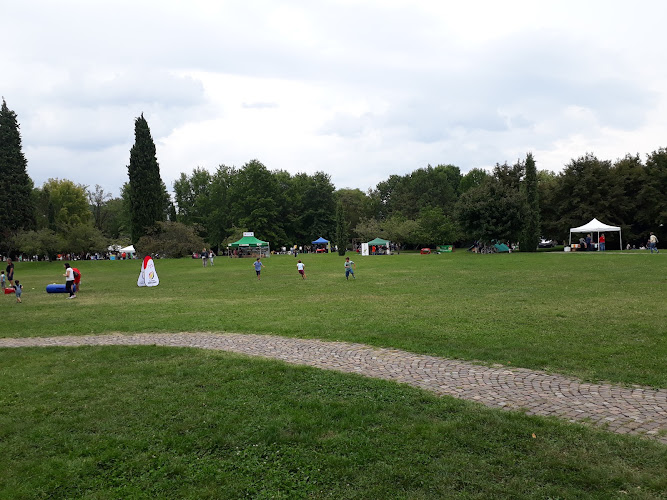
Redona Park
Bergamo Botanical Garden
Find Accommodations Nearby
Recommended Tours & Activities
Visitor Reviews
There are no reviews yet. Be the first one to write one.
Share Your Experience
Have you visited Bergamo? Help other travelers by leaving a review.