
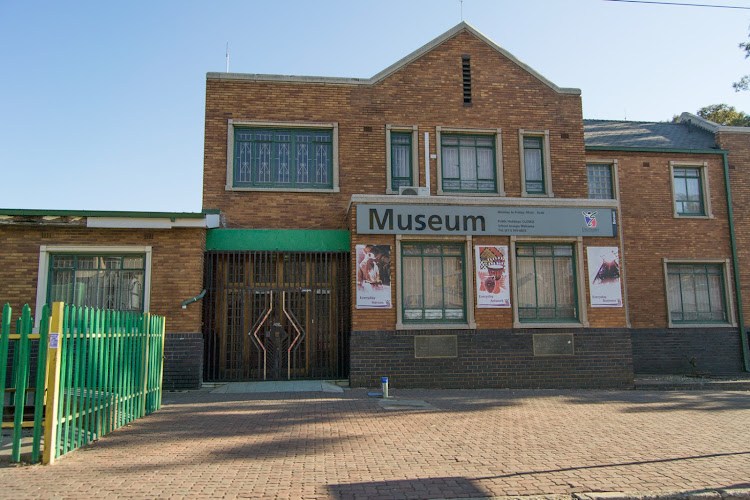
Benoni Museum
About Benoni Museum
Description
The Benoni Museum is one of those places that doesn’t scream for attention, but once you step inside, you realize it’s holding onto stories that shaped not just the town, but parts of South Africa’s history too. Housed in a building that once served as a municipal health clinic, the museum was transformed in the mid-1990s into a cultural space dedicated to preserving the past. It’s small compared to some of the bigger museums in Johannesburg, but that’s part of its charm—you don’t feel rushed, and you can actually take your time soaking in the exhibits without elbowing through crowds.
What makes it stand out is the way it tells the story of the 1922 Rand Revolt, an uprising that left its mark on the region. There’s something raw and real about seeing artifacts from that period, knowing they belonged to real people who lived through turbulent times. And beyond the revolt, the museum also takes you through the evolution of Benoni as a mining town, a community, and eventually a modern city. The displays aren’t just dusty relics in glass cases—they’re pieces of a puzzle that help you understand how the area grew and changed.
Of course, like any public institution, it has its quirks. Some visitors find it a little too quiet, maybe even underfunded in parts, while others love that it feels authentic and not overly polished. Personally, I think that’s part of the experience—you’re not walking into a slick, commercial attraction, but into a space that feels grounded in the community. Plus, the staff are often happy to share extra details if you ask, which adds a personal touch you don’t always get in bigger museums.
Key Features
- Exhibits dedicated to the 1922 Rand Revolt, including artifacts and narratives from the time
- Collections that trace the development of Benoni from a mining settlement to a modern town
- Wheelchair accessible entrance and parking, making it inclusive for all visitors
- Restrooms available on-site for convenience
- Kid-friendly environment with displays that can spark curiosity in younger visitors
- A quiet, less crowded atmosphere compared to major city museums
Best Time to Visit
If you’re planning a trip, weekdays in the late morning or early afternoon are ideal. The museum doesn’t usually get packed, but going at these times means you’ll almost certainly have the space to yourself or with just a handful of other visitors. And honestly, that makes a difference—you can linger at an exhibit without worrying about someone waiting behind you. Avoid public holidays if you can, as that’s when local families tend to stop by. Weather-wise, Gauteng’s sunny winters are perfect for combining a museum visit with a walk around town afterward. Summers are fine too, but keep in mind the heat can make you want to cut your outing short.
How to Get There
Reaching the museum is straightforward if you’re already in Gauteng. From central Johannesburg, it’s about a 30–40 minute drive depending on traffic, and the roads are well signposted. Public transport is an option, but honestly, it’s not the most convenient unless you’re comfortable navigating minibus taxis. A car or ride-hailing service is the easiest way, especially if you’re traveling with kids or carrying cameras and gear. Parking is available close by, and it’s accessible for visitors with mobility needs, which is a big plus.
Tips for Visiting
First off, give yourself at least an hour or two. It’s not a huge museum, but rushing through would mean missing the little details that make it special. If you’re the kind of person who likes to ask questions, chat with the staff—they often have anecdotes or insights that aren’t written on the display boards. And since there isn’t an on-site restaurant, plan to grab a bite elsewhere in town afterward. Benoni has some cozy cafés and local eateries worth checking out, so you won’t go hungry.
If you’re bringing kids, this is a great spot to introduce them to local history without overwhelming them. The exhibits are digestible, and the quieter setting makes it easier to keep them engaged. For those with accessibility needs, the museum is wheelchair-friendly, which isn’t always the case with older buildings in South Africa, so that’s worth noting. And one last thing—don’t expect flashy tech displays or interactive screens. This is more about old-school storytelling through objects, photos, and documents. Personally, I find that refreshing. It forces you to slow down and connect with the stories in a more thoughtful way.
So if you’re the kind of traveler who enjoys discovering places that feel a bit off the beaten path, the Benoni Museum is worth adding to your list. It’s not going to take up your whole day, but it will leave you with a deeper sense of the area’s past and maybe even a new appreciation for the quieter side of South African heritage.
Key Features
- Exhibits dedicated to the 1922 Rand Revolt, including artifacts and narratives from the time
- Collections that trace the development of Benoni from a mining settlement to a modern town
- Wheelchair accessible entrance and parking, making it inclusive for all visitors
- Restrooms available on-site for convenience
- Kid-friendly environment with displays that can spark curiosity in younger visitors
- A quiet, less crowded atmosphere compared to major city museums
More Details
Updated September 8, 2025
Table of Contents
Description
The Benoni Museum is one of those places that doesn’t scream for attention, but once you step inside, you realize it’s holding onto stories that shaped not just the town, but parts of South Africa’s history too. Housed in a building that once served as a municipal health clinic, the museum was transformed in the mid-1990s into a cultural space dedicated to preserving the past. It’s small compared to some of the bigger museums in Johannesburg, but that’s part of its charm—you don’t feel rushed, and you can actually take your time soaking in the exhibits without elbowing through crowds.
What makes it stand out is the way it tells the story of the 1922 Rand Revolt, an uprising that left its mark on the region. There’s something raw and real about seeing artifacts from that period, knowing they belonged to real people who lived through turbulent times. And beyond the revolt, the museum also takes you through the evolution of Benoni as a mining town, a community, and eventually a modern city. The displays aren’t just dusty relics in glass cases—they’re pieces of a puzzle that help you understand how the area grew and changed.
Of course, like any public institution, it has its quirks. Some visitors find it a little too quiet, maybe even underfunded in parts, while others love that it feels authentic and not overly polished. Personally, I think that’s part of the experience—you’re not walking into a slick, commercial attraction, but into a space that feels grounded in the community. Plus, the staff are often happy to share extra details if you ask, which adds a personal touch you don’t always get in bigger museums.
Key Features
- Exhibits dedicated to the 1922 Rand Revolt, including artifacts and narratives from the time
- Collections that trace the development of Benoni from a mining settlement to a modern town
- Wheelchair accessible entrance and parking, making it inclusive for all visitors
- Restrooms available on-site for convenience
- Kid-friendly environment with displays that can spark curiosity in younger visitors
- A quiet, less crowded atmosphere compared to major city museums
Best Time to Visit
If you’re planning a trip, weekdays in the late morning or early afternoon are ideal. The museum doesn’t usually get packed, but going at these times means you’ll almost certainly have the space to yourself or with just a handful of other visitors. And honestly, that makes a difference—you can linger at an exhibit without worrying about someone waiting behind you. Avoid public holidays if you can, as that’s when local families tend to stop by. Weather-wise, Gauteng’s sunny winters are perfect for combining a museum visit with a walk around town afterward. Summers are fine too, but keep in mind the heat can make you want to cut your outing short.
How to Get There
Reaching the museum is straightforward if you’re already in Gauteng. From central Johannesburg, it’s about a 30–40 minute drive depending on traffic, and the roads are well signposted. Public transport is an option, but honestly, it’s not the most convenient unless you’re comfortable navigating minibus taxis. A car or ride-hailing service is the easiest way, especially if you’re traveling with kids or carrying cameras and gear. Parking is available close by, and it’s accessible for visitors with mobility needs, which is a big plus.
Tips for Visiting
First off, give yourself at least an hour or two. It’s not a huge museum, but rushing through would mean missing the little details that make it special. If you’re the kind of person who likes to ask questions, chat with the staff—they often have anecdotes or insights that aren’t written on the display boards. And since there isn’t an on-site restaurant, plan to grab a bite elsewhere in town afterward. Benoni has some cozy cafés and local eateries worth checking out, so you won’t go hungry.
If you’re bringing kids, this is a great spot to introduce them to local history without overwhelming them. The exhibits are digestible, and the quieter setting makes it easier to keep them engaged. For those with accessibility needs, the museum is wheelchair-friendly, which isn’t always the case with older buildings in South Africa, so that’s worth noting. And one last thing—don’t expect flashy tech displays or interactive screens. This is more about old-school storytelling through objects, photos, and documents. Personally, I find that refreshing. It forces you to slow down and connect with the stories in a more thoughtful way.
So if you’re the kind of traveler who enjoys discovering places that feel a bit off the beaten path, the Benoni Museum is worth adding to your list. It’s not going to take up your whole day, but it will leave you with a deeper sense of the area’s past and maybe even a new appreciation for the quieter side of South African heritage.
Key Highlights
- Exhibits dedicated to the 1922 Rand Revolt, including artifacts and narratives from the time
- Collections that trace the development of Benoni from a mining settlement to a modern town
- Wheelchair accessible entrance and parking, making it inclusive for all visitors
- Restrooms available on-site for convenience
- Kid-friendly environment with displays that can spark curiosity in younger visitors
- A quiet, less crowded atmosphere compared to major city museums
Location
Places to Stay Near Benoni Museum
Find and Book a Tour
Explore More Travel Guides
No reviews found! Be the first to review!
Traveler Reviews for Benoni Museum
There are no reviews yet. Be the first one to write one.
Have you visited Benoni Museum? Help other travelers by sharing your review.
You Might Also Like
Benoni
Lakeside Mall

Korsman Bird Sanctuary
Find Accommodations Nearby
Recommended Tours & Activities
Visitor Reviews
There are no reviews yet. Be the first one to write one.
Share Your Experience
Have you visited Benoni Museum? Help other travelers by leaving a review.