
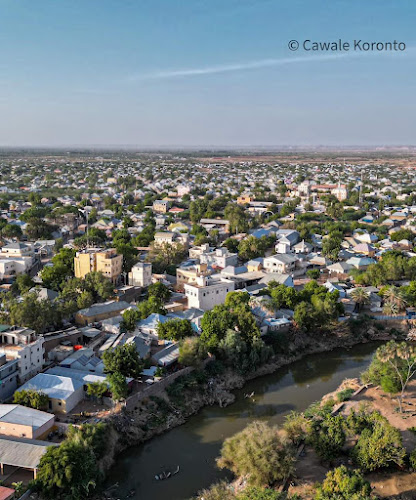
Beledweyne
About Beledweyne
Roll up your sleeves and get ready for a true taste of authentic Somali life—Beledweyne is not one of those polished, overly slick travel destinations where all the edges have been sanded down. No, this city has a kind of raw, gracious spirit that I genuinely appreciate. One quick glance at a map will show you; Beledweyne sits right along the Shebelle River, dividing the city like two hands in a handshake. And the pulse of the place? It’s all about riverside stories, trading chatter, and hiccuping tuk-tuks, plus the sort of neighborly energy you rarely find elsewhere.
I once met a local elder at a bustling outdoor market—his hands calloused, his smile a mile wide—who invited me for tea without a second thought. That’s Beledweyne: hospitality here isn’t an act, it’s in their DNA. You may have read about how it’s the capital of the Hiran region, but nothing really compares to walking its sandy streets in person, sipping the famous Somali spiced tea, and absorbing the ebb and flow of people living where cultures blend at a crossroads near the Ethiopian border.
If you’re picturing a noisy jumble with motorbikes, open-air shops, scent of roasting goat, and the riverside’s calming bend—well, you’re halfway there. The city is big enough to offer surprises, but intimate enough for a familiar handshake from strangers. Sunrises come with swirling river fog, and evenings? Watch for the call to prayer echoing gently over the water. Travelers with an eye for authenticity (and, let’s be honest, a dash of adventure) might just find Beledweyne rewards curiosity in spades. It’s not a place that tries to hide its rough spots, and honestly, that’s better—it means there’s room to see real life, undiluted.
Key Features
- Historic Significance: As the administrative heartbeat of Hiran, Beledweyne bears centuries of stories, including trade routes and regional politics. You can almost hear echoes of caravans that came through here long before most European capitals were even mapped out.
- The Shebelle River: This isn’t one of those lazy little brooks—it cuts right through the city center, creating a dramatic urban split that dictates local life. The riverbanks come alive with fishermen at sunrise and families strolling at dusk.
- Markets Full of Character: Beledweyne’s open-air markets spill onto every imaginable corner, selling everything from woven mats to piles of green khat and camel meat. Stalls are crowded, noisy, and alive—the best place to hear a dozen languages in a single hour.
- Cultural Fusion: Thanks to its spot near the Ethiopian border, there’s a fascinating blend of Somali and Afro-Ethiopian influences. Food, music, and even the fabrics you’ll see reflect this unique mix. If you like cross-cultural cities, it’s a plus.
- Religious Heritage: Mosques old and new dot the landscape, with the call to prayer threading through the city’s daily rhythm. I once wandered into a small masjid, barefoot and out of breath, and was handed sweet dates by an elderly imam—sometimes the best stories come when you’re lost.
- Local Festivals: Life here beats to the tempo of seasonal gatherings. From harvest festivals to community celebrations, these are inclusive, colorful affairs—don’t be shy about joining in if you’re invited, even just to watch or sample local food.
- Gateway to Hiran’s Countryside: Step outside the city, and you’ll find endless flatlands punctuated by scattered villages and acacia trees. If you’ve got a guide or local friend, the river valley is teeming with little secrets and birdlife.
- Community Warmth: The best feature? Without a doubt, the people. Their friendliness can catch you off guard—don’t be surprised if someone starts a conversation (even if you’re just daydreaming by the river).
Best Time to Visit
If you want my two cents—and I’ll give it anyway—the absolute best time to experience Beledweyne is early in the dry season. Why? Because the Shebelle River’s at its clearest, and the market chatter is in full swing. Generally, between November and February, you’ll avoid the worst of the tropical heat and the infamous Gu (rainy season). The air is fresher, the roads more manageable (a huge plus, trust me), and the city’s energy is just a touch more lively with everyone out and about.
That being said, there’s a certain unpredictable magic to Beledweyne in the wet season, too. I remember ducking for cover during a thunderstorm at a busy intersection—folks just pulled together under canvases and started telling stories. If you’re after that sort of spontaneous adventure (and don’t mind a little mud!), the months from April to June have their own charm. Just be ready: local roads and riverbanks can flood, so flexibility is your new best friend.
Right after the rains, when the landscape is green and the fruits are ripening, you’ll catch the city at maybe its prettiest. Early birds get the best light and the calmest moments, so set that alarm early—it’s honestly worth it.
How to Get There
Here comes the real talk—getting to Beledweyne is not like catching a direct train to Paris. But that’s half the story, right? For most travelers, flights are the fastest and most reliable option. Beledweyne does have its own modest airport, and domestic flights connect it from Mogadishu and other key Somali cities. Don’t expect a massive terminal—think more rough-and-ready, with locals coming and going, luggage balanced with bundles of bananas (I’m not kidding, I’ve seen it).
If you’re feeling especially intrepid, overland routes are possible but require planning. The main road from Mogadishu is a crucial artery, though it’s not exactly plush—expect checkpoints, bumpy rides, and (if you’re lucky) jaw-dropping views of river valleys and farmland. I’d recommend arranging your journey through someone who knows the area. There are also shared taxis and buses, but get an early start and keep your wits about you. Safety and local advice go hand-in-hand here.
A word of advice: travel documents, local contacts, and perhaps a smattering of Somali phrases will go a long way. And double-check regional updates, as the situation in central Somalia can shift. Used to be, getting there was half the adventure—I’d argue it still is.
Tips for Visiting
Alright, now we’re getting into the juicy bits—the stuff I wish someone had told me before I wandered those sunbaked streets. First, don’t expect a white-glove tourist treatment here (no one’s holding your hand!), but that’s its own kind of freedom. Here are some actionable tips I swear by:
- Dress Modestly: In Beledweyne, cultural respect basically means covering up a bit more than you might back home. Lightweight, long-sleeve shirts kept me cool and respectful. And a scarf? Always handy.
- Carry Cash: ATMs are as rare as snowstorms here. The markets run on cash, so bring enough Somali shillings—or US dollars in small denominations, just in case. I’ve seen many an otherwise-savvy traveler caught short.
- Local Guides Are Gold: A local friend is worth their weight in gold dust (or goat meat!)—someone who can unlock the city’s hidden alleys and get you the best cup of tea. If you can, connect with someone ahead of your trip.
- Watch the River: The Shebelle is both a blessing and a wildcard. After heavy rain, some banks flood fast—avoid shortcuts near the water, especially if you don’t know the area. I once got my sneakers soaked, and let’s just say lesson learned.
- Street Food Caution: The bustling fish and meat stalls are tempting, but trust your gut (literally). Stick to busier stalls where locals eat. I still crave the spicy grilled camel skewers from one family-run booth near the central crossing.
- Ask Before Snapping Photos: People here can be shy or private about being photographed, especially women. Politeness goes a long way—and most folks will say yes if you just ask with a smile.
- Early Start: Beledweyne wakes early—by mid-afternoon the heat and humidity can kick you in the shins. Plan outdoor walks or market visits for mornings when the city’s at its best.
- Travel Insurance & Security: Not to sound too much like your protective aunt, but bring proper medical insurance and stay up-to-date with travel advisories. Stuff happens, and you’ll want peace of mind.
- Embrace Flexibility: Sometimes streets flood,
You Might Also Like

Abdullahi Yusuf Airport
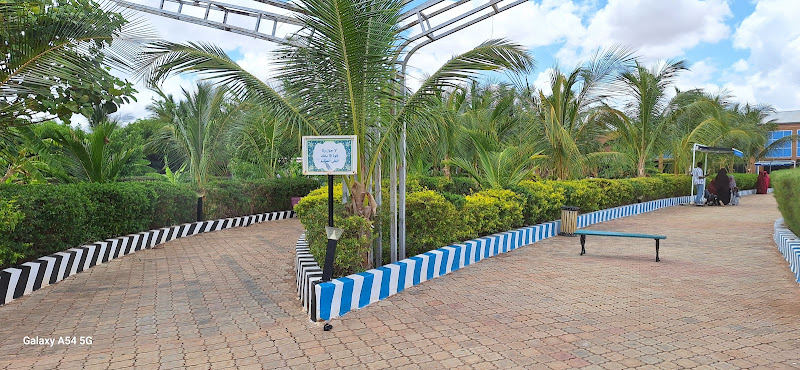
Baidoa City Park
Bakaara Market
Tours & Activities
GetYourGuide provides this tour inventory. We may earn a commission if you book through it; verify current availability, prices, and terms with the provider.
Visitor Reviews
There are no reviews yet. Be the first one to write one.
Share Your Experience
Have you visited Beledweyne? Help other travelers by leaving a review.