
Barahona
About Barahona
Description
Alright, now let’s get real—here are the things I wish someone told me the first time I ditched the guidebooks and headed south:
- Cash Is King: Most places outside the city (like little beach stops) won’t take your card. Hit an ATM in Barahona proper and keep pesos handy—especially for food, moto rides, and coconut water stands.
- Pack Smart (but Light): It gets seriously humid, and if you’re hiking, those mountain clouds can dump rain fast. Lightweight long sleeves, a hat, and some sturdy sandals are worth their weight. Oh, and don’t skimp on bug spray—sundown is mosquito primetime.
- Ask Locals, Not Just Google: Locals know which spots are swimmable, which trails have the best view, and what’s closed for “maintenance” (which sometimes just means someone’s fixing a bridge). Dominicans are friendly—if you have a bit of Spanish, even better.
- Eat Your Way Through Town: Nothing beats a plate of fresh-caught fish at Los Patos, or yucca fries from a highway shack. Keep an open mind (and stomach). Some of my best meals here cost less than a subway ticket back home.
- Go Beyond the Beach: The mountains, rivers, and salt flats are just as epic as the coastline. Rent a bike or join a local guide—you’ll get stories you can’t Google, I promise.
- Mind the Roads: Especially at night—potholes and free-roaming animals are standard obstacles. If you have to drive after dark (not my favorite), go slow, use your brights, and let faster locals pass.
- Leave No Trace: Barahona’s biggest draw is its wild, untouched feel. Please, take your trash with you, avoid trampling the dunes, and treat wildlife and people kindly. It’s a small region with a big heart—let’s keep it that way.
I’ll end with this: Barahona rewards those who let go of rigid plans. Explore a little. Get lost (safely). Try that weird fruit from a roadside vendor. And remember, sometimes the best moments happen when you least expect them—especially somewhere as wonderfully raw and welcoming as Barahona.
Getting to Barahona is part of the fun (and, depending on your “road trip” stamina, maybe a bit bumpy too). If you’re flying in, the closest airport is Aeropuerto Internacional María Montez, but honestly, most folks arrive via Santo Domingo’s main airport, Las Américas, which has more flights and rental car options.
From the capital, it’s about a 3 to 4-hour drive southwest—straight down Highway 44—dodging sugarcane trucks and stopping for roadside empanadas (do stop, they’re the best). Buses head out daily from Santo Domingo; Caribe Tours and Metro are the biggest lines, generally reliable and affordable. If you prefer doing your own thing, rent a car. Just go slow—some parts of the drive twist through jungle mountains, and goats have zero road sense.
Traveling with gear? No problem: You’ll spot everything from surfers with boards to birdwatchers hauling binoculars on the bus. Once you’re in Barahona, getting around is pretty easy—motoconchos (motorbike taxis) are basically everywhere, or you can hire a car for excursions to the mountains and beaches.
Tips for Visiting
Alright, now let’s get real—here are the things I wish someone told me the first time I ditched the guidebooks and headed south:
- Cash Is King: Most places outside the city (like little beach stops) won’t take your card. Hit an ATM in Barahona proper and keep pesos handy—especially for food, moto rides, and coconut water stands.
- Pack Smart (but Light): It gets seriously humid, and if you’re hiking, those mountain clouds can dump rain fast. Lightweight long sleeves, a hat, and some sturdy sandals are worth their weight. Oh, and don’t skimp on bug spray—sundown is mosquito primetime.
- Ask Locals, Not Just Google: Locals know which spots are swimmable, which trails have the best view, and what’s closed for “maintenance” (which sometimes just means someone’s fixing a bridge). Dominicans are friendly—if you have a bit of Spanish, even better.
- Eat Your Way Through Town: Nothing beats a plate of fresh-caught fish at Los Patos, or yucca fries from a highway shack. Keep an open mind (and stomach). Some of my best meals here cost less than a subway ticket back home.
- Go Beyond the Beach: The mountains, rivers, and salt flats are just as epic as the coastline. Rent a bike or join a local guide—you’ll get stories you can’t Google, I promise.
- Mind the Roads: Especially at night—potholes and free-roaming animals are standard obstacles. If you have to drive after dark (not my favorite), go slow, use your brights, and let faster locals pass.
- Leave No Trace: Barahona’s biggest draw is its wild, untouched feel. Please, take your trash with you, avoid trampling the dunes, and treat wildlife and people kindly. It’s a small region with a big heart—let’s keep it that way.
I’ll end with this: Barahona rewards those who let go of rigid plans. Explore a little. Get lost (safely). Try that weird fruit from a roadside vendor. And remember, sometimes the best moments happen when you least expect them—especially somewhere as wonderfully raw and welcoming as Barahona.
So, here’s the deal: Barahona is tropical, but it doesn’t always play by the rules you read online. The classic “dry season” runs November to April—these months mean cooler temps (think 24°C to 30°C/75-86°F) and clearer skies. If you want to hike or hit beaches and not sweat out your T-shirt by 11 am, this is the sweet spot. Peak wildflower season in the mountains hits between December and February, just when the valleys get painted in color—bring a camera or you’ll regret it.
Rainy season? That’s May through October. I’ve had some of the best, most memorable trips in July and September, though. The storms tend to roll in quick and clear just as fast (plus, you’ll be dodging fewer tourists). Pro tip: it’s mango season too, so snack accordingly!
If you want local flair, time your visit for a festival—Semana Santa (Easter week) is the busiest and friendliest, but there’s usually some happening in town. Just book early, the guesthouses fill up quick.
How to Get There
Getting to Barahona is part of the fun (and, depending on your “road trip” stamina, maybe a bit bumpy too). If you’re flying in, the closest airport is Aeropuerto Internacional María Montez, but honestly, most folks arrive via Santo Domingo’s main airport, Las Américas, which has more flights and rental car options.
From the capital, it’s about a 3 to 4-hour drive southwest—straight down Highway 44—dodging sugarcane trucks and stopping for roadside empanadas (do stop, they’re the best). Buses head out daily from Santo Domingo; Caribe Tours and Metro are the biggest lines, generally reliable and affordable. If you prefer doing your own thing, rent a car. Just go slow—some parts of the drive twist through jungle mountains, and goats have zero road sense.
Traveling with gear? No problem: You’ll spot everything from surfers with boards to birdwatchers hauling binoculars on the bus. Once you’re in Barahona, getting around is pretty easy—motoconchos (motorbike taxis) are basically everywhere, or you can hire a car for excursions to the mountains and beaches.
Tips for Visiting
Alright, now let’s get real—here are the things I wish someone told me the first time I ditched the guidebooks and headed south:
- Cash Is King: Most places outside the city (like little beach stops) won’t take your card. Hit an ATM in Barahona proper and keep pesos handy—especially for food, moto rides, and coconut water stands.
- Pack Smart (but Light): It gets seriously humid, and if you’re hiking, those mountain clouds can dump rain fast. Lightweight long sleeves, a hat, and some sturdy sandals are worth their weight. Oh, and don’t skimp on bug spray—sundown is mosquito primetime.
- Ask Locals, Not Just Google: Locals know which spots are swimmable, which trails have the best view, and what’s closed for “maintenance” (which sometimes just means someone’s fixing a bridge). Dominicans are friendly—if you have a bit of Spanish, even better.
- Eat Your Way Through Town: Nothing beats a plate of fresh-caught fish at Los Patos, or yucca fries from a highway shack. Keep an open mind (and stomach). Some of my best meals here cost less than a subway ticket back home.
- Go Beyond the Beach: The mountains, rivers, and salt flats are just as epic as the coastline. Rent a bike or join a local guide—you’ll get stories you can’t Google, I promise.
- Mind the Roads: Especially at night—potholes and free-roaming animals are standard obstacles. If you have to drive after dark (not my favorite), go slow, use your brights, and let faster locals pass.
- Leave No Trace: Barahona’s biggest draw is its wild, untouched feel. Please, take your trash with you, avoid trampling the dunes, and treat wildlife and people kindly. It’s a small region with a big heart—let’s keep it that way.
I’ll end with this: Barahona rewards those who let go of rigid plans. Explore a little. Get lost (safely). Try that weird fruit from a roadside vendor. And remember, sometimes the best moments happen when you least expect them—especially somewhere as wonderfully raw and welcoming as Barahona.
Barahona, often called Santa Cruz de Barahona, kind of pops off the map when you start digging into the Dominican Republic’s southern reaches. Now, I’ll admit—I had only a vague idea about Barahona before my buddy, who’s obsessed with hidden beaches, dragged me there. Turns out, the city is a bit of a local powerhouse, straddling the lines between sugar-fueled industry, daily port bustle, and some truly wild nature. You wouldn’t necessarily expect a center of sugar processing to sit on the edge of sweeping mountainous rainforests and untouched surf beaches, but here we are.
Unlike the tourist-packed hubs up north, Barahona’s reputation is less about all-inclusive resorts, more about rugged edges, warm local welcomes, and, honestly, a bit of that “real” Caribbean flavor. The city’s heartbeat is its port—a giant swing door for commerce that’s always humming. But venture just a little outside town, and suddenly the noise gives way to birds, lush mountainsides, and the wind off the Caribbean sea. There’s a sleepy honesty about Barahona. It feels lived-in and authentic, where traders, fishermen, and travelers all share the same humid streets and ocean horizons. Off the beaten path? Absolutely. But that’s half the appeal.
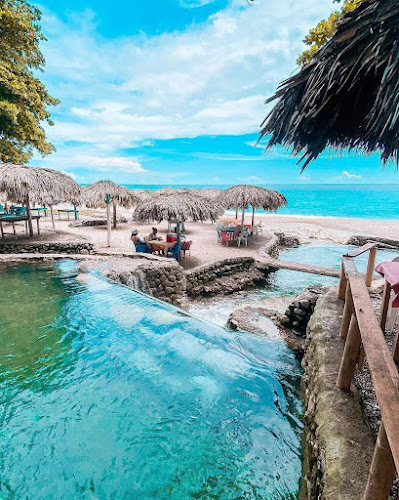
You want beaches? You’ll get ultra-blue coves like San Rafael and Bahía de las Águilas, where you might just have the sand to yourself. Wild rivers? Countless. Waterfalls? You bet—the kind that don’t even make most guidebooks. Not to oversell it, but if you’re hungry for adventure, unspoiled views, and smoky roadside pollo frito, this region rewards curiosity at every turn.
Key Features
- Ecotourism Hotspot: From hiking in the Sierra de Bahoruco National Park to soaking in mineral springs, the nature here is as raw as it gets. The biodiversity is just bananas—I lost count of how many rare birds I saw one morning.
- Dramatic Coastal Drives: The highway—literally hugging limestone cliffs above turquoise waves—is a scene from a road-trip dream. Don’t even get me started on the ocean views between Barahona and Paraíso.
- Hidden Beaches: Spots like San Rafael Beach or Los Patos feel like—they’re yours for the day. No crowds, just a gentle breeze and turquoise water. If you drag a cooler down there, locals might even ask to swap stories over cold Presidente beers.
- Salt Mines and Lagoons: The bright-white salt pans of Las Salinas grab you with their stark beauty. Laguna de Oviedo (and its flocks of flamingos!) is Instagram fodder, if you’re into that, but more, it’s a birdwatcher’s paradise.
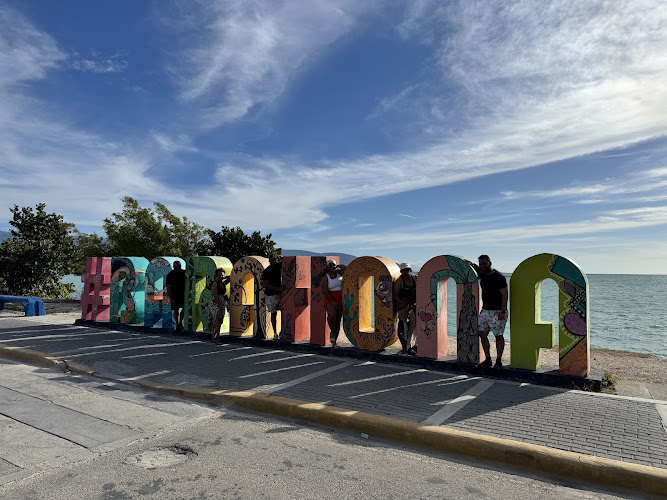
- Cultural Energy: Not only is Barahona a sugar center, but you can also see the working rhythm of a real Dominican city. There are lively markets, makeshift cafeterias, and scattered murals all over town.
- Affordable Local Living: Your money stretches far here. Street eats, little guesthouses, and moto rides don’t gouge your wallet—honestly, it’s refreshing compared to other parts of DR.
- Close-Knit Community Feel: When you pass through a mountain village, expect every kid to wave. It’s the sort of place where people make eye contact without rushing. The friendliness is genuine, not forced.
- Diverse Outdoor Activities: Surfing, caving, waterfall hiking, fishing, off-roading—you can do a lot in one day if you want. Or absolutely nothing at all. Both seem equally legit.
- Spectacular Sunsets: The mix of limestone cliffs and open sea sets up some theatrical sunset action. Some evenings, the sky glows orange and pink, so vivid you wonder if you need new sunglasses.
Best Time to Visit
So, here’s the deal: Barahona is tropical, but it doesn’t always play by the rules you read online. The classic “dry season” runs November to April—these months mean cooler temps (think 24°C to 30°C/75-86°F) and clearer skies. If you want to hike or hit beaches and not sweat out your T-shirt by 11 am, this is the sweet spot. Peak wildflower season in the mountains hits between December and February, just when the valleys get painted in color—bring a camera or you’ll regret it.
Rainy season? That’s May through October. I’ve had some of the best, most memorable trips in July and September, though. The storms tend to roll in quick and clear just as fast (plus, you’ll be dodging fewer tourists). Pro tip: it’s mango season too, so snack accordingly!
If you want local flair, time your visit for a festival—Semana Santa (Easter week) is the busiest and friendliest, but there’s usually some happening in town. Just book early, the guesthouses fill up quick.
How to Get There
Getting to Barahona is part of the fun (and, depending on your “road trip” stamina, maybe a bit bumpy too). If you’re flying in, the closest airport is Aeropuerto Internacional María Montez, but honestly, most folks arrive via Santo Domingo’s main airport, Las Américas, which has more flights and rental car options.
From the capital, it’s about a 3 to 4-hour drive southwest—straight down Highway 44—dodging sugarcane trucks and stopping for roadside empanadas (do stop, they’re the best). Buses head out daily from Santo Domingo; Caribe Tours and Metro are the biggest lines, generally reliable and affordable. If you prefer doing your own thing, rent a car. Just go slow—some parts of the drive twist through jungle mountains, and goats have zero road sense.
Traveling with gear? No problem: You’ll spot everything from surfers with boards to birdwatchers hauling binoculars on the bus. Once you’re in Barahona, getting around is pretty easy—motoconchos (motorbike taxis) are basically everywhere, or you can hire a car for excursions to the mountains and beaches.
Tips for Visiting
Alright, now let’s get real—here are the things I wish someone told me the first time I ditched the guidebooks and headed south:
- Cash Is King: Most places outside the city (like little beach stops) won’t take your card. Hit an ATM in Barahona proper and keep pesos handy—especially for food, moto rides, and coconut water stands.
- Pack Smart (but Light): It gets seriously humid, and if you’re hiking, those mountain clouds can dump rain fast. Lightweight long sleeves, a hat, and some sturdy sandals are worth their weight. Oh, and don’t skimp on bug spray—sundown is mosquito primetime.
- Ask Locals, Not Just Google: Locals know which spots are swimmable, which trails have the best view, and what’s closed for “maintenance” (which sometimes just means someone’s fixing a bridge). Dominicans are friendly—if you have a bit of Spanish, even better.
- Eat Your Way Through Town: Nothing beats a plate of fresh-caught fish at Los Patos, or yucca fries from a highway shack. Keep an open mind (and stomach). Some of my best meals here cost less than a subway ticket back home.
- Go Beyond the Beach: The mountains, rivers, and salt flats are just as epic as the coastline. Rent a bike or join a local guide—you’ll get stories you can’t Google, I promise.
- Mind the Roads: Especially at night—potholes and free-roaming animals are standard obstacles. If you have to drive after dark (not my favorite), go slow, use your brights, and let faster locals pass.
- Leave No Trace: Barahona’s biggest draw is its wild, untouched feel. Please, take your trash with you, avoid trampling the dunes, and treat wildlife and people kindly. It’s a small region with a big heart—let’s keep it that way.
I’ll end with this: Barahona rewards those who let go of rigid plans. Explore a little. Get lost (safely). Try that weird fruit from a roadside vendor. And remember, sometimes the best moments happen when you least expect them—especially somewhere as wonderfully raw and welcoming as Barahona.
Key Features
- Key Features
- Best Time to Visit
- How to Get There
- Tips for Visiting
More Details
Updated July 6, 2025
Table of Contents
Description
Barahona, often called Santa Cruz de Barahona, kind of pops off the map when you start digging into the Dominican Republic’s southern reaches. Now, I’ll admit—I had only a vague idea about Barahona before my buddy, who’s obsessed with hidden beaches, dragged me there. Turns out, the city is a bit of a local powerhouse, straddling the lines between sugar-fueled industry, daily port bustle, and some truly wild nature. You wouldn’t necessarily expect a center of sugar processing to sit on the edge of sweeping mountainous rainforests and untouched surf beaches, but here we are.
Unlike the tourist-packed hubs up north, Barahona’s reputation is less about all-inclusive resorts, more about rugged edges, warm local welcomes, and, honestly, a bit of that “real” Caribbean flavor. The city’s heartbeat is its port—a giant swing door for commerce that’s always humming. But venture just a little outside town, and suddenly the noise gives way to birds, lush mountainsides, and the wind off the Caribbean sea. There’s a sleepy honesty about Barahona. It feels lived-in and authentic, where traders, fishermen, and travelers all share the same humid streets and ocean horizons. Off the beaten path? Absolutely. But that’s half the appeal.
You want beaches? You’ll get ultra-blue coves like San Rafael and Bahía de las Águilas, where you might just have the sand to yourself. Wild rivers? Countless. Waterfalls? You bet—the kind that don’t even make most guidebooks. Not to oversell it, but if you’re hungry for adventure, unspoiled views, and smoky roadside pollo frito, this region rewards curiosity at every turn.
Key Features
- Ecotourism Hotspot: From hiking in the Sierra de Bahoruco National Park to soaking in mineral springs, the nature here is as raw as it gets. The biodiversity is just bananas—I lost count of how many rare birds I saw one morning.
- Dramatic Coastal Drives: The highway—literally hugging limestone cliffs above turquoise waves—is a scene from a road-trip dream. Don’t even get me started on the ocean views between Barahona and Paraíso.
- Hidden Beaches: Spots like San Rafael Beach or Los Patos feel like—they’re yours for the day. No crowds, just a gentle breeze and turquoise water. If you drag a cooler down there, locals might even ask to swap stories over cold Presidente beers.
- Salt Mines and Lagoons: The bright-white salt pans of Las Salinas grab you with their stark beauty. Laguna de Oviedo (and its flocks of flamingos!) is Instagram fodder, if you’re into that, but more, it’s a birdwatcher’s paradise.
- Cultural Energy: Not only is Barahona a sugar center, but you can also see the working rhythm of a real Dominican city. There are lively markets, makeshift cafeterias, and scattered murals all over town.
- Affordable Local Living: Your money stretches far here. Street eats, little guesthouses, and moto rides don’t gouge your wallet—honestly, it’s refreshing compared to other parts of DR.
- Close-Knit Community Feel: When you pass through a mountain village, expect every kid to wave. It’s the sort of place where people make eye contact without rushing. The friendliness is genuine, not forced.
- Diverse Outdoor Activities: Surfing, caving, waterfall hiking, fishing, off-roading—you can do a lot in one day if you want. Or absolutely nothing at all. Both seem equally legit.
- Spectacular Sunsets: The mix of limestone cliffs and open sea sets up some theatrical sunset action. Some evenings, the sky glows orange and pink, so vivid you wonder if you need new sunglasses.
Best Time to Visit
So, here’s the deal: Barahona is tropical, but it doesn’t always play by the rules you read online. The classic “dry season” runs November to April—these months mean cooler temps (think 24°C to 30°C/75-86°F) and clearer skies. If you want to hike or hit beaches and not sweat out your T-shirt by 11 am, this is the sweet spot. Peak wildflower season in the mountains hits between December and February, just when the valleys get painted in color—bring a camera or you’ll regret it.
Rainy season? That’s May through October. I’ve had some of the best, most memorable trips in July and September, though. The storms tend to roll in quick and clear just as fast (plus, you’ll be dodging fewer tourists). Pro tip: it’s mango season too, so snack accordingly!
If you want local flair, time your visit for a festival—Semana Santa (Easter week) is the busiest and friendliest, but there’s usually some happening in town. Just book early, the guesthouses fill up quick.
How to Get There
Getting to Barahona is part of the fun (and, depending on your “road trip” stamina, maybe a bit bumpy too). If you’re flying in, the closest airport is Aeropuerto Internacional María Montez, but honestly, most folks arrive via Santo Domingo’s main airport, Las Américas, which has more flights and rental car options.
From the capital, it’s about a 3 to 4-hour drive southwest—straight down Highway 44—dodging sugarcane trucks and stopping for roadside empanadas (do stop, they’re the best). Buses head out daily from Santo Domingo; Caribe Tours and Metro are the biggest lines, generally reliable and affordable. If you prefer doing your own thing, rent a car. Just go slow—some parts of the drive twist through jungle mountains, and goats have zero road sense.
Traveling with gear? No problem: You’ll spot everything from surfers with boards to birdwatchers hauling binoculars on the bus. Once you’re in Barahona, getting around is pretty easy—motoconchos (motorbike taxis) are basically everywhere, or you can hire a car for excursions to the mountains and beaches.
Tips for Visiting
Alright, now let’s get real—here are the things I wish someone told me the first time I ditched the guidebooks and headed south:
- Cash Is King: Most places outside the city (like little beach stops) won’t take your card. Hit an ATM in Barahona proper and keep pesos handy—especially for food, moto rides, and coconut water stands.
- Pack Smart (but Light): It gets seriously humid, and if you’re hiking, those mountain clouds can dump rain fast. Lightweight long sleeves, a hat, and some sturdy sandals are worth their weight. Oh, and don’t skimp on bug spray—sundown is mosquito primetime.
- Ask Locals, Not Just Google: Locals know which spots are swimmable, which trails have the best view, and what’s closed for “maintenance” (which sometimes just means someone’s fixing a bridge). Dominicans are friendly—if you have a bit of Spanish, even better.
- Eat Your Way Through Town: Nothing beats a plate of fresh-caught fish at Los Patos, or yucca fries from a highway shack. Keep an open mind (and stomach). Some of my best meals here cost less than a subway ticket back home.
- Go Beyond the Beach: The mountains, rivers, and salt flats are just as epic as the coastline. Rent a bike or join a local guide—you’ll get stories you can’t Google, I promise.
- Mind the Roads: Especially at night—potholes and free-roaming animals are standard obstacles. If you have to drive after dark (not my favorite), go slow, use your brights, and let faster locals pass.
- Leave No Trace: Barahona’s biggest draw is its wild, untouched feel. Please, take your trash with you, avoid trampling the dunes, and treat wildlife and people kindly. It’s a small region with a big heart—let’s keep it that way.
I’ll end with this: Barahona rewards those who let go of rigid plans. Explore a little. Get lost (safely). Try that weird fruit from a roadside vendor. And remember, sometimes the best moments happen when you least expect them—especially somewhere as wonderfully raw and welcoming as Barahona.
Key Highlights
- Key Features
- Best Time to Visit
- How to Get There
- Tips for Visiting
Location
Places to Stay Near Barahona
Find and Book a Tour
Explore More Travel Guides
No reviews found! Be the first to review!
Traveler Reviews for Barahona
There are no reviews yet. Be the first one to write one.
Have you visited Barahona? Help other travelers by sharing your review.
You Might Also Like

Sueros Park

San Rafael Surf School y Eco-Tours
Parador Fotográfico Barahona
Find Accommodations Nearby
Recommended Tours & Activities
Visitor Reviews
There are no reviews yet. Be the first one to write one.
Share Your Experience
Have you visited Barahona? Help other travelers by leaving a review.