
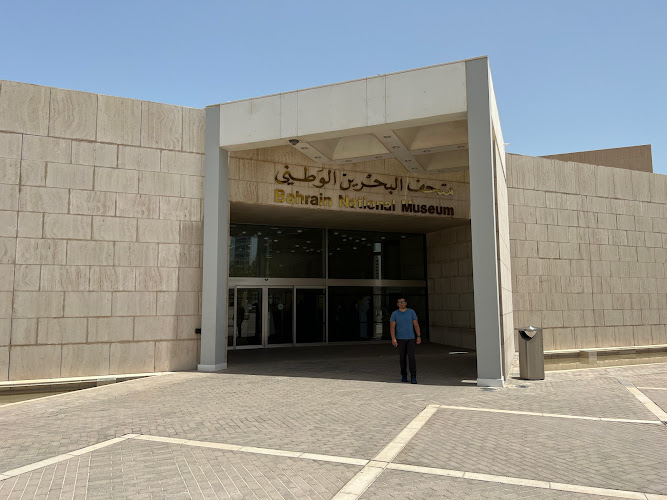
Bahrain National Museum
About Bahrain National Museum
Description
Let me tell you, finding a museum that truly makes you pause and think—where centuries-old stories feel alive and, dare I say, a little bit surprising—is actually rarer than most would admit. The Bahrain National Museum stands out, not just as a box to tick off your list but as a thoughtfully curated journey through the island kingdom’s deep roots and bold innovations. There’s an unmistakable authenticity stitched into every exhibit, whether you’re face-to-face with ancient Dilmun artifacts or catching a live traditional music performance echoing through the domed halls (oh, and don’t be surprised if you find yourself toe-tapping—those beats are contagious).
Every traveler is bound to enter with different expectations: some want sweeping halls of modern splendor, while others crave that satisfying whiff of old books and ancient rock. Here, you get a bit of both. The building’s architecture has that modernist early-80s confidence yet with subtle Bahraini touches—sort of like the fortresses you’ve seen around the Gulf, but with cleaner lines and softer lighting. In fact, if you’re traveling with kids or someone who finds stairs to be the enemy (been there with my own parents), there’s plenty to be grateful for: wide ramps, smooth floors, and surprisingly thoughtful accessibility features.
And what about the vibe? For most, it strikes just the right note between informative and unpretentious. Sure, there are the occasional crowds, and yes, on weekends you might find families weaving between school groups—but those moments are part of the rhythm. Especially if you snag tickets to one of those music or dance performances, which are, frankly, a highlight. With its breezy café (try their cardamom-spiced tea) and sunny courtyards, the Bahrain National Museum is more than an archive—it feels, at its best, like a meeting ground where old Bahrain whispers secrets to the present. Is it perfect? Not always. Some corners feel a bit upstaged by their glitzier global counterparts. But give yourself a few hours to wander, and you’ll leave with a fresh appreciation for Bahrain’s layers—both glamorous and gritty.
Key Features
- Stunning Archaeological Galleries: See millennia-old relics, from ancient cuneiform tablets to jewelry pulled from local burial mounds. Don’t be shocked if you find yourself staring at a 4,000-year-old seal and imagining what the Dilmun traders were gossiping about over breakfast.
- Interactive Traditional Life Displays: Dive into recreated souqs (markets) and pearl diving scenes. Young travelers sometimes end up playing merchant longer than expected.
- Live Cultural Performances: Traditional music and folk dances liven up the museum, especially on weekends or holidays. The energy here can be infectious—think clapping locals, curious expats, and everyone in between.
- Accessible Facilities: Wheelchair-friendly entrances, washrooms, and ramps make it convenient for everyone. That practicality is no small thing if you’re visiting with grandparents, pushing a stroller, or recovering from a twisted ankle (speaking from my own, slightly embarrassing, experience).
- Spacious Outdoor Waterfront View: The museum faces the lagoon, so you can linger outside for a breeze and a photo op—particularly striking around late afternoon when the sunlight glints off the water.
- Onsite Restaurant & Café: Handy if your energy starts slipping. The food’s no afterthought, either—expect classic Bahraini bites and continental fixes.
- Family-Friendly Activities: Plenty of interactive exhibits and creative spaces designed with children in mind. I’ve seen quite a few parents manage to sneak in an entire coffee break while little ones build model dhows nearby.
- Temporary Exhibitions: In addition to the main collection, catch rotating shows that cover everything from avant-garde Bahraini artists to cutting-edge photography. Sometimes, you get lucky and discover a genre you never knew you liked.
- English & Arabic Signage: No need to brush up on your Arabic—helpful plaques and guides are in both languages, making self-guided tours pretty straightforward.
Best Time to Visit
Without a doubt, if you ask three locals, you’ll get three different answers, but here’s my take: November through March is the sweet spot. The weather in Bahrain is actually dreamy then, with balmy breezes and less of that relentless sun-glare that will zap your willpower in childhood-summer style come July. Tourists and residents alike seem to favor mornings—showing up a little after opening means skipping the worst of the crowds, especially if you want those uninterrupted photos.
If you’re after live performances, time your visit around weekends or coincide with one of Bahrain’s cultural festivals. Special events fill up fast though, so preemptively checking the museum’s schedule (call ahead, if you can) is a good move. Ramadan hours and public holidays can see shifts in schedule; always worth confirming ahead so you don’t get stuck peering through locked glass doors, wishing you’d known sooner.
How to Get There
Ah, Bahrain and public transport. It’s not London, but you do have decent options for reaching the museum in central Manama. Taxis and ride-sharing apps (I still swear by them when navigating anywhere in the Gulf) will drop you almost straight to the entrance—no scrambling across busy roads. Pricing is fair, but if you’re budgeting after a few too many fancy brunches, split the ride with friends.
For the intrepid, reliable bus routes pass nearby, though schedules can be irregular. If you’re the type who likes to map out bus stops, or if you’re on a backpacker’s circuit, this is totally doable, but patience is your friend. Parking is on-site and, in my experience, far less stressful than expected—ample space, logically laid out, and close to the door. The museum’s location between old and new Manama means you’re never far from another landmark, so plan to tack on a stroll along the waterfront or a peek at the nearby theatre district if you’re already in the area.
Tips for Visiting
Here’s where I put all the nuggets I wish someone had whispered to me before my first visit:
- Take Your Time: It’s tempting to rush, but you’ll notice the best details (like the tiny, carved boats or ancient game boards) when you slow down. If a school group is crowding you, just loop back in ten minutes—they clear out remarkably fast.
- Check for Performances or Special Exhibits: Last-minute surprises are common, especially on weekends. Keep your ear out for live music or workshops, and don’t be shy about asking staff for recommendations—they genuinely know their stuff and love sharing under-the-radar highlights.
- Dress for Comfort: The museum is climate-controlled but moving between outdoor and indoor spaces means layers are wise. Nothing ruins a visit like freezing in the gallery and then overheating by the café terrace.
- Photography: Most galleries allow non-flash photography, but for the main archeological halls, double-check signage. If you’re the selfie sort, head to the outdoor spaces for killer backgrounds—especially at sunset.
- Fuel Up: The on-site café delivers both in caffeine and homemade pastries. I may or may not have doubled back for a second round of saffron cake.
- Accessibility: Don’t stress about stairs or getting lost—maps and helpful staff make the whole place pretty easy to navigate. If you need wheelchair access, everything is thoughtfully set up (big win compared to some other regional museums I’ve struggled through!).
- Plan for a Relaxed Pace: Expect to spend at least two hours; half a day is even better if you love soaking up every little story. Kids tend to get hooked by the hands-on spots, leaving you bonus time to savor those peaceful moments by the galleries.
- Souvenir Hunt: The museum shop stocks quirky, locally made crafts that are legit keepsakes—not the usual souvenir fare. If you see something that speaks to you, grab it—the selection changes seasonally.
- Final Insider’s Hint: Locals often time their visits late on Friday afternoons for a quieter, almost meditative atmosphere. Midweek mornings are wonderfully peaceful if you want to feel like you’ve got the place (almost) to yourself.
On the whole? The Bahrain National Museum is a big-hearted, approachable institution—one that leaves you with more questions than answers, in the very best way. Reach out, get curious, and let the place surprise you. Even if you weren’t a history buff walking in, chances are, you’ll walk out feeling you uncovered a secret or two. That, to me, is the mark of a great museum anywhere in the world.
Key Features
- Key Features
- Best Time to Visit
- How to Get There
- Tips for Visiting
More Details
Updated July 9, 2025
Table of Contents
Description
Let me tell you, finding a museum that truly makes you pause and think—where centuries-old stories feel alive and, dare I say, a little bit surprising—is actually rarer than most would admit. The Bahrain National Museum stands out, not just as a box to tick off your list but as a thoughtfully curated journey through the island kingdom’s deep roots and bold innovations. There’s an unmistakable authenticity stitched into every exhibit, whether you’re face-to-face with ancient Dilmun artifacts or catching a live traditional music performance echoing through the domed halls (oh, and don’t be surprised if you find yourself toe-tapping—those beats are contagious).
Every traveler is bound to enter with different expectations: some want sweeping halls of modern splendor, while others crave that satisfying whiff of old books and ancient rock. Here, you get a bit of both. The building’s architecture has that modernist early-80s confidence yet with subtle Bahraini touches—sort of like the fortresses you’ve seen around the Gulf, but with cleaner lines and softer lighting. In fact, if you’re traveling with kids or someone who finds stairs to be the enemy (been there with my own parents), there’s plenty to be grateful for: wide ramps, smooth floors, and surprisingly thoughtful accessibility features.
And what about the vibe? For most, it strikes just the right note between informative and unpretentious. Sure, there are the occasional crowds, and yes, on weekends you might find families weaving between school groups—but those moments are part of the rhythm. Especially if you snag tickets to one of those music or dance performances, which are, frankly, a highlight. With its breezy café (try their cardamom-spiced tea) and sunny courtyards, the Bahrain National Museum is more than an archive—it feels, at its best, like a meeting ground where old Bahrain whispers secrets to the present. Is it perfect? Not always. Some corners feel a bit upstaged by their glitzier global counterparts. But give yourself a few hours to wander, and you’ll leave with a fresh appreciation for Bahrain’s layers—both glamorous and gritty.
Key Features
- Stunning Archaeological Galleries: See millennia-old relics, from ancient cuneiform tablets to jewelry pulled from local burial mounds. Don’t be shocked if you find yourself staring at a 4,000-year-old seal and imagining what the Dilmun traders were gossiping about over breakfast.
- Interactive Traditional Life Displays: Dive into recreated souqs (markets) and pearl diving scenes. Young travelers sometimes end up playing merchant longer than expected.
- Live Cultural Performances: Traditional music and folk dances liven up the museum, especially on weekends or holidays. The energy here can be infectious—think clapping locals, curious expats, and everyone in between.
- Accessible Facilities: Wheelchair-friendly entrances, washrooms, and ramps make it convenient for everyone. That practicality is no small thing if you’re visiting with grandparents, pushing a stroller, or recovering from a twisted ankle (speaking from my own, slightly embarrassing, experience).
- Spacious Outdoor Waterfront View: The museum faces the lagoon, so you can linger outside for a breeze and a photo op—particularly striking around late afternoon when the sunlight glints off the water.
- Onsite Restaurant & Café: Handy if your energy starts slipping. The food’s no afterthought, either—expect classic Bahraini bites and continental fixes.
- Family-Friendly Activities: Plenty of interactive exhibits and creative spaces designed with children in mind. I’ve seen quite a few parents manage to sneak in an entire coffee break while little ones build model dhows nearby.
- Temporary Exhibitions: In addition to the main collection, catch rotating shows that cover everything from avant-garde Bahraini artists to cutting-edge photography. Sometimes, you get lucky and discover a genre you never knew you liked.
- English & Arabic Signage: No need to brush up on your Arabic—helpful plaques and guides are in both languages, making self-guided tours pretty straightforward.
Best Time to Visit
Without a doubt, if you ask three locals, you’ll get three different answers, but here’s my take: November through March is the sweet spot. The weather in Bahrain is actually dreamy then, with balmy breezes and less of that relentless sun-glare that will zap your willpower in childhood-summer style come July. Tourists and residents alike seem to favor mornings—showing up a little after opening means skipping the worst of the crowds, especially if you want those uninterrupted photos.
If you’re after live performances, time your visit around weekends or coincide with one of Bahrain’s cultural festivals. Special events fill up fast though, so preemptively checking the museum’s schedule (call ahead, if you can) is a good move. Ramadan hours and public holidays can see shifts in schedule; always worth confirming ahead so you don’t get stuck peering through locked glass doors, wishing you’d known sooner.
How to Get There
Ah, Bahrain and public transport. It’s not London, but you do have decent options for reaching the museum in central Manama. Taxis and ride-sharing apps (I still swear by them when navigating anywhere in the Gulf) will drop you almost straight to the entrance—no scrambling across busy roads. Pricing is fair, but if you’re budgeting after a few too many fancy brunches, split the ride with friends.
For the intrepid, reliable bus routes pass nearby, though schedules can be irregular. If you’re the type who likes to map out bus stops, or if you’re on a backpacker’s circuit, this is totally doable, but patience is your friend. Parking is on-site and, in my experience, far less stressful than expected—ample space, logically laid out, and close to the door. The museum’s location between old and new Manama means you’re never far from another landmark, so plan to tack on a stroll along the waterfront or a peek at the nearby theatre district if you’re already in the area.
Tips for Visiting
Here’s where I put all the nuggets I wish someone had whispered to me before my first visit:
- Take Your Time: It’s tempting to rush, but you’ll notice the best details (like the tiny, carved boats or ancient game boards) when you slow down. If a school group is crowding you, just loop back in ten minutes—they clear out remarkably fast.
- Check for Performances or Special Exhibits: Last-minute surprises are common, especially on weekends. Keep your ear out for live music or workshops, and don’t be shy about asking staff for recommendations—they genuinely know their stuff and love sharing under-the-radar highlights.
- Dress for Comfort: The museum is climate-controlled but moving between outdoor and indoor spaces means layers are wise. Nothing ruins a visit like freezing in the gallery and then overheating by the café terrace.
- Photography: Most galleries allow non-flash photography, but for the main archeological halls, double-check signage. If you’re the selfie sort, head to the outdoor spaces for killer backgrounds—especially at sunset.
- Fuel Up: The on-site café delivers both in caffeine and homemade pastries. I may or may not have doubled back for a second round of saffron cake.
- Accessibility: Don’t stress about stairs or getting lost—maps and helpful staff make the whole place pretty easy to navigate. If you need wheelchair access, everything is thoughtfully set up (big win compared to some other regional museums I’ve struggled through!).
- Plan for a Relaxed Pace: Expect to spend at least two hours; half a day is even better if you love soaking up every little story. Kids tend to get hooked by the hands-on spots, leaving you bonus time to savor those peaceful moments by the galleries.
- Souvenir Hunt: The museum shop stocks quirky, locally made crafts that are legit keepsakes—not the usual souvenir fare. If you see something that speaks to you, grab it—the selection changes seasonally.
- Final Insider’s Hint: Locals often time their visits late on Friday afternoons for a quieter, almost meditative atmosphere. Midweek mornings are wonderfully peaceful if you want to feel like you’ve got the place (almost) to yourself.
On the whole? The Bahrain National Museum is a big-hearted, approachable institution—one that leaves you with more questions than answers, in the very best way. Reach out, get curious, and let the place surprise you. Even if you weren’t a history buff walking in, chances are, you’ll walk out feeling you uncovered a secret or two. That, to me, is the mark of a great museum anywhere in the world.
Key Highlights
- Key Features
- Best Time to Visit
- How to Get There
- Tips for Visiting
Location
Places to Stay Near Bahrain National Museum
Find and Book a Tour
Explore More Travel Guides
No reviews found! Be the first to review!
Traveler Reviews for Bahrain National Museum
There are no reviews yet. Be the first one to write one.
Have you visited Bahrain National Museum? Help other travelers by sharing your review.
You Might Also Like

Shri Krishna Temple

Andalus Garden
Juffair Beach
Find Accommodations Nearby
Recommended Tours & Activities
Visitor Reviews
There are no reviews yet. Be the first one to write one.
Share Your Experience
Have you visited Bahrain National Museum? Help other travelers by leaving a review.