
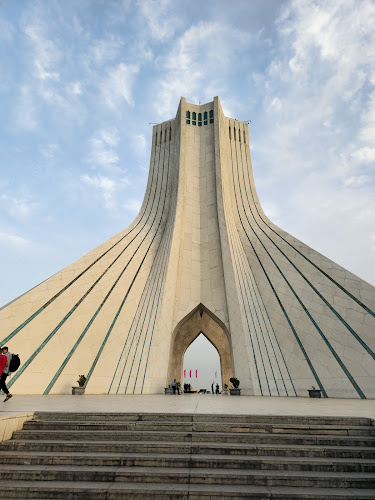
Azadi Tower
About Azadi Tower
Description
Standing majestically at Tehran's western gateway, the Azadi Tower represents far more than just another architectural marvel – it's the beating heart of Iranian national identity. This iconic 45-meter monument has watched over the capital since 1971, serving as both a symbol of freedom and a testament to Persian architectural brilliance.
You'll immediately recognize this striking structure from countless photographs, but seeing it in person? That's an entirely different experience. The tower's unique design brilliantly marries traditional Persian elements with modern architectural concepts, creating something that feels both ancient and contemporary. And honestly, it's one of those places that photographs simply can't capture properly – the scale and presence demand your physical presence.
Originally called the Shahyad Tower when it was built to commemorate the 2,500th anniversary of the Persian Empire, it was later renamed Azadi (meaning "freedom") Tower following the 1979 revolution. This name change tells a story in itself, reflecting Iran's evolving national consciousness and the tower's role as a witness to history.
The structure houses an impressive underground museum that many travelers overlook, which is honestly a mistake. The museum showcases Iran's rich cultural heritage through artifacts, exhibitions, and interactive displays that bring millennia of Persian civilization to life. There's also an observation deck that offers panoramic views across Tehran's sprawling metropolis – on clear days, you can see the Alborz Mountains rising dramatically in the distance.
What strikes most visitors is how the tower serves as Tehran's unofficial gathering place. Locals use Azadi Square for everything from family picnics to national celebrations, and you'll often find yourself surrounded by Iranian families enjoying their weekend outings. It's this blend of monumental significance and everyday life that makes the tower special.
Key Features
The Azadi Tower offers several distinctive features that make it a compelling destination for travelers seeking both cultural enrichment and stunning views:
- Architectural Marvel: The tower's innovative design combines Islamic arches, Sassanid vaults, and modern engineering techniques, created by 24-year-old architect Hossein Amanat
- Underground Museum: A comprehensive cultural museum featuring Persian artifacts, historical exhibits, and multimedia presentations spanning 2,500 years of Iranian civilization
- Observation Deck: Panoramic viewing platform providing 360-degree views of Tehran and the surrounding Alborz Mountain range
- Gallery Spaces: Rotating art exhibitions showcasing contemporary Iranian artists alongside traditional Persian crafts
- Interactive Displays: Modern technology bringing ancient Persian history to life through digital presentations and virtual reality experiences
- Cultural Events Venue: Regular hosting of concerts, poetry readings, and cultural performances in the surrounding complex
- Photography Opportunities: Stunning angles for capturing both the tower's architectural details and Tehran's urban landscape
- Accessibility Features: Wheelchair-accessible entrances and facilities, making the attraction welcoming for all visitors
- Evening Illumination: Spectacular lighting displays that transform the tower's appearance after sunset
Best Time to Visit
Timing your visit to the Azadi Tower can significantly impact your experience, and I've learned this through conversations with countless travelers who've visited at different times of year.
Spring (March to May) emerges as the absolute sweet spot for visiting. The weather's mild, Tehran's notorious air pollution tends to be lighter, and you'll have those crystal-clear views from the observation deck that make for incredible photographs. Plus, spring coincides with Persian New Year celebrations, so you might catch special cultural events around the tower.
Fall (September to November) runs a close second. The summer heat has broken, but you're still avoiding winter's occasional rain and snow. The lighting during autumn afternoons creates this golden glow on the tower's white marble that's absolutely magical.
Summer visits require some strategy. Tehran gets hot – we're talking 35°C (95°F) hot – so early morning or late afternoon visits work best. But here's a insider tip: summer evenings around the tower are actually fantastic. Locals come out after the day's heat breaks, creating a lively atmosphere that many tourists miss.
Winter visits have their own charm, though they're less predictable. Tehran occasionally gets snow, and seeing the Azadi Tower dusted white against a backdrop of snow-capped mountains is genuinely breathtaking. Just pack warm clothes and check weather forecasts.
Regarding daily timing, late afternoon visits (around 4-6 PM) offer the best of both worlds – good lighting for photography and the chance to see the tower's evening illumination as darkness falls. Weekends get crowded with local families, which creates great atmosphere but longer queues.
Avoid major Iranian holidays unless you specifically want to experience the celebrations – the crowds can be overwhelming, and many facilities might have altered schedules.
How to Get There
Getting to the Azadi Tower is refreshingly straightforward once you understand Tehran's transport system, though it does require some navigation skills.
The Tehran Metro represents your most reliable option. Take Line 4 (the yellow line) to Azadi Square Station – you literally can't miss the tower when you emerge from the underground. The metro system is clean, efficient, and remarkably affordable for international visitors. Just remember that metro cars have separate sections for men and women during peak hours.
Taxis offer more flexibility, and Tehran has both traditional taxis and ride-sharing apps like Snapp (Iran's equivalent to Uber). However, traffic in Tehran can be... well, let's call it "character-building." What should be a 20-minute journey might take an hour during rush periods. But taxi drivers often double as unofficial city guides, and many are eager to practice their English with foreign visitors.
The BRT (Bus Rapid Transit) system also connects to Azadi Square, though it's less tourist-friendly than the metro. If you're feeling adventurous and want to experience local commuter life, it's an option – just have your destination written in Persian script to show the driver.
For those staying in central Tehran hotels, many offer shuttle services or can arrange transportation. This costs more than public transport but eliminates navigation stress, especially if you're planning to visit multiple attractions in the same day.
Walking from nearby neighborhoods is possible and actually quite pleasant along some routes. The approach to Azadi Tower offers great views of the monument growing larger as you get closer – though Tehran's sidewalks aren't always in perfect condition.
Driving yourself? Only recommended if you're comfortable with aggressive urban traffic patterns. Parking around the tower exists but fills up quickly during peak visiting times and weekends.
Tips for Visiting
After hearing countless travel stories and speaking with frequent visitors, these practical tips can transform your Azadi Tower experience from good to genuinely memorable.
Bring your passport or identification – security checks are standard, and foreign visitors sometimes need to present documents. This isn't complicated, just part of the routine. Also, cameras are welcome throughout most areas, but ask before photographing people, especially women, out of cultural respect.
The underground museum deserves at least two hours if you want to properly absorb the exhibits. Many travelers rush through, but the displays tell incredible stories about Persian civilization that provide crucial context for understanding modern Iran. And honestly? The air conditioning down there is a blessing during summer visits.
Dress modestly – this applies throughout Iran, not just at the tower. Women need headscarves and loose-fitting clothing, while men should avoid shorts. This isn't about restriction; it's about showing respect for local customs and ensuring you're comfortable during your visit.
The observation deck can get windy, particularly during afternoon hours. Bring a light jacket even on warm days, and secure any loose items before heading up. The views are spectacular, but Tehran's elevation and the tower's height create surprising wind conditions.
Learn a few Persian phrases – even basic greetings like "Salaam" (hello) and "Motshakeram" (thank you) create instant connections with staff and local visitors. Iranians are incredibly welcoming to foreign travelers, and small efforts at language appreciation go a long way.
The gift shop offers unique Persian crafts and souvenirs you won't find elsewhere. Prices are reasonable compared to hotel shops, and proceeds support the cultural complex's ongoing maintenance and programming.
Plan for crowds during Iranian weekends (Thursday afternoons and Fridays) and national holidays. The atmosphere becomes festive with local families, but queues get longer and the observation deck gets packed. If you prefer quieter visits, weekday mornings work best.
Photography enthusiasts should visit twice – once during daylight for architectural details and city views, then return after sunset for the illuminated tower against Tehran's night sky. The lighting changes throughout the evening, creating different moods and photo opportunities.
Combine your tower visit with exploring the surrounding Azadi Cultural Complex. There are often temporary exhibitions, and the gardens provide pleasant spaces for rest between indoor attractions. Local food vendors sometimes operate nearby, offering authentic Persian snacks.
Finally, engage with other visitors. The tower attracts both international tourists and Iranian families, creating natural opportunities for cultural exchange. Some of the most meaningful travel experiences happen through these spontaneous conversations with fellow visitors sharing their perspectives on this remarkable monument to Persian heritage and freedom.
Key Features
- Distinctive white marble and turquoise-tiled arches blending Persian and modernist design
- Built in 1971 to commemorate the 2,500th anniversary of the Persian Empire
- Central location at Azadi Square, historically Tehran’s western gateway
- Interior museum and cultural exhibition spaces (subject to opening times)
- Frequent site for public events, gatherings and photo opportunities
More Details
Updated September 24, 2025
Table of Contents
Description
Standing majestically at Tehran’s western gateway, the Azadi Tower represents far more than just another architectural marvel – it’s the beating heart of Iranian national identity. This iconic 45-meter monument has watched over the capital since 1971, serving as both a symbol of freedom and a testament to Persian architectural brilliance.
You’ll immediately recognize this striking structure from countless photographs, but seeing it in person? That’s an entirely different experience. The tower’s unique design brilliantly marries traditional Persian elements with modern architectural concepts, creating something that feels both ancient and contemporary. And honestly, it’s one of those places that photographs simply can’t capture properly – the scale and presence demand your physical presence.
Originally called the Shahyad Tower when it was built to commemorate the 2,500th anniversary of the Persian Empire, it was later renamed Azadi (meaning “freedom”) Tower following the 1979 revolution. This name change tells a story in itself, reflecting Iran’s evolving national consciousness and the tower’s role as a witness to history.
The structure houses an impressive underground museum that many travelers overlook, which is honestly a mistake. The museum showcases Iran’s rich cultural heritage through artifacts, exhibitions, and interactive displays that bring millennia of Persian civilization to life. There’s also an observation deck that offers panoramic views across Tehran’s sprawling metropolis – on clear days, you can see the Alborz Mountains rising dramatically in the distance.
What strikes most visitors is how the tower serves as Tehran’s unofficial gathering place. Locals use Azadi Square for everything from family picnics to national celebrations, and you’ll often find yourself surrounded by Iranian families enjoying their weekend outings. It’s this blend of monumental significance and everyday life that makes the tower special.
Key Features
The Azadi Tower offers several distinctive features that make it a compelling destination for travelers seeking both cultural enrichment and stunning views:
- Architectural Marvel: The tower’s innovative design combines Islamic arches, Sassanid vaults, and modern engineering techniques, created by 24-year-old architect Hossein Amanat
- Underground Museum: A comprehensive cultural museum featuring Persian artifacts, historical exhibits, and multimedia presentations spanning 2,500 years of Iranian civilization
- Observation Deck: Panoramic viewing platform providing 360-degree views of Tehran and the surrounding Alborz Mountain range
- Gallery Spaces: Rotating art exhibitions showcasing contemporary Iranian artists alongside traditional Persian crafts
- Interactive Displays: Modern technology bringing ancient Persian history to life through digital presentations and virtual reality experiences
- Cultural Events Venue: Regular hosting of concerts, poetry readings, and cultural performances in the surrounding complex
- Photography Opportunities: Stunning angles for capturing both the tower’s architectural details and Tehran’s urban landscape
- Accessibility Features: Wheelchair-accessible entrances and facilities, making the attraction welcoming for all visitors
- Evening Illumination: Spectacular lighting displays that transform the tower’s appearance after sunset
Best Time to Visit
Timing your visit to the Azadi Tower can significantly impact your experience, and I’ve learned this through conversations with countless travelers who’ve visited at different times of year.
Spring (March to May) emerges as the absolute sweet spot for visiting. The weather’s mild, Tehran’s notorious air pollution tends to be lighter, and you’ll have those crystal-clear views from the observation deck that make for incredible photographs. Plus, spring coincides with Persian New Year celebrations, so you might catch special cultural events around the tower.
Fall (September to November) runs a close second. The summer heat has broken, but you’re still avoiding winter’s occasional rain and snow. The lighting during autumn afternoons creates this golden glow on the tower’s white marble that’s absolutely magical.
Summer visits require some strategy. Tehran gets hot – we’re talking 35°C (95°F) hot – so early morning or late afternoon visits work best. But here’s a insider tip: summer evenings around the tower are actually fantastic. Locals come out after the day’s heat breaks, creating a lively atmosphere that many tourists miss.
Winter visits have their own charm, though they’re less predictable. Tehran occasionally gets snow, and seeing the Azadi Tower dusted white against a backdrop of snow-capped mountains is genuinely breathtaking. Just pack warm clothes and check weather forecasts.
Regarding daily timing, late afternoon visits (around 4-6 PM) offer the best of both worlds – good lighting for photography and the chance to see the tower’s evening illumination as darkness falls. Weekends get crowded with local families, which creates great atmosphere but longer queues.
Avoid major Iranian holidays unless you specifically want to experience the celebrations – the crowds can be overwhelming, and many facilities might have altered schedules.
How to Get There
Getting to the Azadi Tower is refreshingly straightforward once you understand Tehran’s transport system, though it does require some navigation skills.
The Tehran Metro represents your most reliable option. Take Line 4 (the yellow line) to Azadi Square Station – you literally can’t miss the tower when you emerge from the underground. The metro system is clean, efficient, and remarkably affordable for international visitors. Just remember that metro cars have separate sections for men and women during peak hours.
Taxis offer more flexibility, and Tehran has both traditional taxis and ride-sharing apps like Snapp (Iran’s equivalent to Uber). However, traffic in Tehran can be… well, let’s call it “character-building.” What should be a 20-minute journey might take an hour during rush periods. But taxi drivers often double as unofficial city guides, and many are eager to practice their English with foreign visitors.
The BRT (Bus Rapid Transit) system also connects to Azadi Square, though it’s less tourist-friendly than the metro. If you’re feeling adventurous and want to experience local commuter life, it’s an option – just have your destination written in Persian script to show the driver.
For those staying in central Tehran hotels, many offer shuttle services or can arrange transportation. This costs more than public transport but eliminates navigation stress, especially if you’re planning to visit multiple attractions in the same day.
Walking from nearby neighborhoods is possible and actually quite pleasant along some routes. The approach to Azadi Tower offers great views of the monument growing larger as you get closer – though Tehran’s sidewalks aren’t always in perfect condition.
Driving yourself? Only recommended if you’re comfortable with aggressive urban traffic patterns. Parking around the tower exists but fills up quickly during peak visiting times and weekends.
Tips for Visiting
After hearing countless travel stories and speaking with frequent visitors, these practical tips can transform your Azadi Tower experience from good to genuinely memorable.
Bring your passport or identification – security checks are standard, and foreign visitors sometimes need to present documents. This isn’t complicated, just part of the routine. Also, cameras are welcome throughout most areas, but ask before photographing people, especially women, out of cultural respect.
The underground museum deserves at least two hours if you want to properly absorb the exhibits. Many travelers rush through, but the displays tell incredible stories about Persian civilization that provide crucial context for understanding modern Iran. And honestly? The air conditioning down there is a blessing during summer visits.
Dress modestly – this applies throughout Iran, not just at the tower. Women need headscarves and loose-fitting clothing, while men should avoid shorts. This isn’t about restriction; it’s about showing respect for local customs and ensuring you’re comfortable during your visit.
The observation deck can get windy, particularly during afternoon hours. Bring a light jacket even on warm days, and secure any loose items before heading up. The views are spectacular, but Tehran’s elevation and the tower’s height create surprising wind conditions.
Learn a few Persian phrases – even basic greetings like “Salaam” (hello) and “Motshakeram” (thank you) create instant connections with staff and local visitors. Iranians are incredibly welcoming to foreign travelers, and small efforts at language appreciation go a long way.
The gift shop offers unique Persian crafts and souvenirs you won’t find elsewhere. Prices are reasonable compared to hotel shops, and proceeds support the cultural complex’s ongoing maintenance and programming.
Plan for crowds during Iranian weekends (Thursday afternoons and Fridays) and national holidays. The atmosphere becomes festive with local families, but queues get longer and the observation deck gets packed. If you prefer quieter visits, weekday mornings work best.
Photography enthusiasts should visit twice – once during daylight for architectural details and city views, then return after sunset for the illuminated tower against Tehran’s night sky. The lighting changes throughout the evening, creating different moods and photo opportunities.
Combine your tower visit with exploring the surrounding Azadi Cultural Complex. There are often temporary exhibitions, and the gardens provide pleasant spaces for rest between indoor attractions. Local food vendors sometimes operate nearby, offering authentic Persian snacks.
Finally, engage with other visitors. The tower attracts both international tourists and Iranian families, creating natural opportunities for cultural exchange. Some of the most meaningful travel experiences happen through these spontaneous conversations with fellow visitors sharing their perspectives on this remarkable monument to Persian heritage and freedom.
Key Highlights
- Distinctive white marble and turquoise-tiled arches blending Persian and modernist design
- Built in 1971 to commemorate the 2,500th anniversary of the Persian Empire
- Central location at Azadi Square, historically Tehran’s western gateway
- Interior museum and cultural exhibition spaces (subject to opening times)
- Frequent site for public events, gatherings and photo opportunities
Location
Places to Stay Near Azadi Tower
Find and Book a Tour
Explore More Travel Guides
No reviews found! Be the first to review!
Traveler Reviews for Azadi Tower
There are no reviews yet. Be the first one to write one.
Have you visited Azadi Tower? Help other travelers by sharing your review.
Nearby Attractions
You Might Also Like
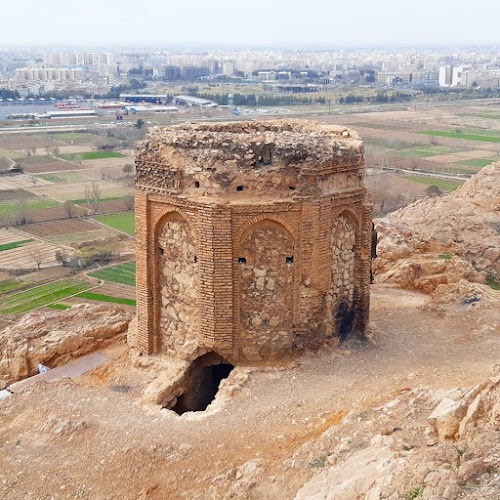
Naghareh Khaneh Tower
District 12
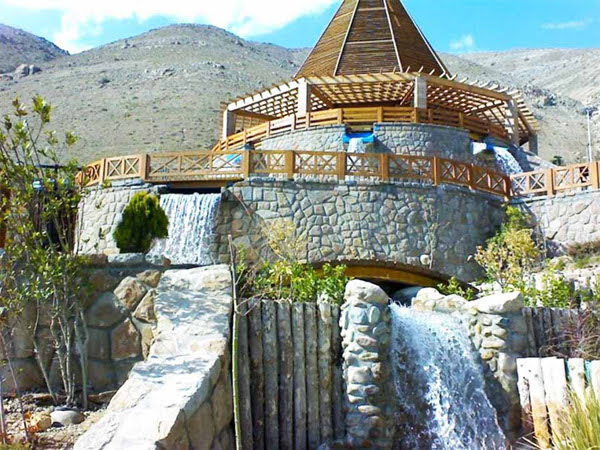
Tehran Waterfall Park
Find Accommodations Nearby
Recommended Tours & Activities
Visitor Reviews
There are no reviews yet. Be the first one to write one.
Share Your Experience
Have you visited Azadi Tower? Help other travelers by leaving a review.