
Aviles
About Aviles
Description
Step off the train or bus in Avilés, and I dare you not to feel that lovely ripple of anticipation you get when you know you’re about to tumble into the unknown. This isn’t a place you hear whispered about in every travel podcast—nope. For many, Avilés is like the cool kid at the party who doesn’t need to shout to be noticed. You might think Spain is all dust, fiestas, and grand cathedrals, but Avilés? Oh, it surprises you in subtle, clever ways—sort of like stumbling into a pocket-sized museum where every artifact tells its own tangled tale.
Look, I’ve wandered around plenty of Spanish cities, sometimes lost, sometimes just looking for the next good café. But Avilés? It gave me that keen tingle of finding a place still shaped by honest-to-goodness stories, not kitschy tourism. You sense its personality right away—there’s the slow drizzle of Atlantic rain, the exuberance of impromptu street performances, and that addictive smell floating up from small sidra taverns down winding, cobblestone streets.
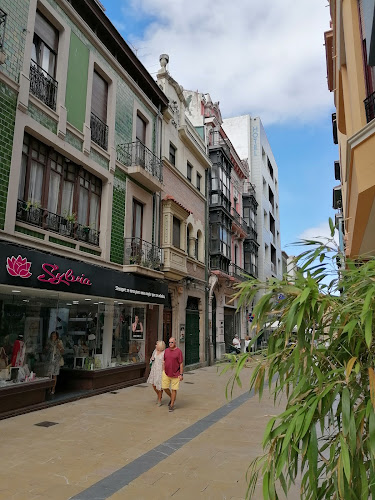
Avilés is a bit like Asturias itself—fierce, green, and immensely lived-in. Historically, it’s been an important seaport and industrial heart of the region, but don’t let that scare you off. There’s tenderness here woven into the stone arcades, the medieval quarter with its colorful houses (some looking a bit picturesque, others gloriously scruffy). Wander the old town, and you’ll actually catch groups of locals in animated gossip, maybe griping about soccer or debating who pours the better cider—you’d swear they know every inch of this place down to the last pebble.
And, honestly, there’s something genuinely appealing about that. You won’t trip over crowds of selfie-stick-wielding tourists here. Instead, you get to walk through living history, see real Asturian life laced through every street, and pop into bakeries for pastries that taste like no recipe ever made its way west of Spain.
One thing’s for sure: Avilés may not shout its wonders from the rooftops, but it’s just chock-full of oddball quirks and rich moments. Take a wander and see if it works its quiet magic on you, too.
Key Features
- Historic Old Quarter: I’m a sucker for winding streets, hidden alleyways, and buildings with a history older than any family tree you could research. The historic center of Avilés is honestly one of Spain’s best-kept secrets—arcaded streets lined with colorful facades, little squares with tinkling fountains, and centuries-old churches nestled into unexpected corners.
- Centro Niemeyer: Okay, so imagine dropping an ultramodern spaceship into the middle of a medieval city—that’s what you get with Oscar Niemeyer’s art center. It’s bold, white, swirly, and hosts gigs, film festivals, and other cultural happenings. When I visited, I loved just sitting and people-watching here, feeling that electric pulse of creativity.
- Traditional Sidrerías: You haven’t really been to Asturias unless you’ve let a proper sidra (cider) pourer splash you a glass from a daunting height. Avilés’ sidrerías (cider bars) are local hangouts, buzzing with noise, laughter, and the earthy pop of drinks being poured just right. Don’t miss the “espicha”—sort of a spontaneous cider party.
- Industrial Heritage: Avilés didn’t try to paint over its steel town past. The city leans into those roots—gritty in the best possible way. You’ll find old factories and wharfs now repurposed for art spaces or buzzing markets, giving the place a lived-in, authentic vibe.
- Playas de Salinas and San Juan: Just outside the city, the sandy beaches of Salinas and San Juan are where locals escape on sunny weekends. If you’re a surfer, bring your board—these waves are proper North Atlantic stuff. And yes, you’ll see those dramatic, moody skies Asturias is famous for.
- Festivals That Feel Like Family Reunions: From the riotous Carnaval to smoky summer fiestas, Avilés throws parties that spill out into the streets. Locals dress up, parade, dance, and, naturally, eat. The festive vibe is tempting even for introverts like me—I got swept up in the fun accidentally and didn’t regret it.
- Remarkable Architecture: There’s no comparing the swinging, modernist lines of the Niemeyer Center and the stately medieval churches like San Nicolás de Bari or Sabugo’s Church. The contrast is sharp but it works, giving Avilés a special flavor.
- Food, Glorious Food: There’s a reason I ended up about two belt-notches wider here. Fresh seafood, pintxos, rustic bean stews (fabada asturiana!), pastries—you name it. Take this as your warning: come hungry.
Best Time to Visit
You want the unvarnished truth? Asturias rains. A lot. But that’s kind of its magic, too. If you crave sunny beaches and lazy afternoons, late June through September is your window. July in particular—crowds swell (not too much), the air hums with festivals, and the Atlantic’s at its most inviting, if a tad cool. Don’t expect balmy Mediterranean heat though; it’s always a good idea to carry a light jacket. Once, in August, I wore shorts but still found myself sprinting for a café when a sudden squall rolled in.
Shoulder seasons—May and October—are my personal favorites. There’s a quieter energy all around. The old town feels more, well, original. Local produce hits its peak, and it’s easier to get a table at the best sidrerías. If you’re after that pleasant emptiness and don’t mind a little drizzle, this is it.
Of course, if you dig dramatic mists and want to embrace the wild, uncrowded north, winter isn’t off the table. Fewer tourists, hearty stews, and a kind of poetic gloom that actually brings out the city’s soul. Just come ready for changing weather—layers are your friend!
How to Get There
Okay, so, let’s keep it real for a second—Spain’s public transport isn’t always as glamorous as you’d hope, but Avilés is pretty well connected. If you’re flying in, Asturias Airport (OVD) is just a quick 15-minute drive away, easy peasy. Seriously, it’s closer than the nearest supermarket from my old apartment.
Coming by train is straightforward; RENFE services connect Avilés direct with Oviedo and Gijón—and those rides twist through lush green hills and sleepy suburbs. I once sat next to a grandmother giving a running commentary on every goat visible from the window—unexpected but, honestly, quite informative.
Buses run on the regular and are budget-friendly. If you’re up for an adventure or want to take the road less traveled, renting a car isn’t a bad idea—the coastal drive is gorgeous. There are moments out there on AS-19 when you’ll feel like you’re part of some indie movie, rain streaking across the windshield, pine trees rushing past.
And if you fancy cycling (props if you do—it’s hilly), there are some dedicated trails, though I’ll warn you, unexpected showers and bumpy cobblestones are par for the course.
Tips for Visiting
- Pack for Four Seasons: Bring a raincoat, even if it looks sunny as you step out. Trust me, Asturian weather is as fickle as it gets. Most spring and fall days run the gamut from chilly to balmy in just a few hours.
- Try Sidra Like a Local: Don’t just sip—ask the bartender to show you the traditional pour (escanciado). It’s half spectacle, half necessity, and always fun to try at least once.
- Ditch the Rush: Avilés moves at its own unique rhythm. Shops close for siesta, Sundays are sleepier, and meals are meant to be savored, not rushed. Use that time to meander, people-watch, or jot down stories in a notebook.
- Explore Beyond the Center: The historic district may steal the show, but head toward the river or out to Salinas—you’ll find quirky murals, pop-up art, even some wild street musicians worth listening to.
- Ask Locals for Food Recs: I’ve found the best cachopo (stuffed, breaded beef fillet—divine!)
Key Features
- Key Features
- Best Time to Visit
- How to Get There
- Tips for Visiting
More Details
Updated July 2, 2025
Table of Contents
Description
Step off the train or bus in Avilés, and I dare you not to feel that lovely ripple of anticipation you get when you know you’re about to tumble into the unknown. This isn’t a place you hear whispered about in every travel podcast—nope. For many, Avilés is like the cool kid at the party who doesn’t need to shout to be noticed. You might think Spain is all dust, fiestas, and grand cathedrals, but Avilés? Oh, it surprises you in subtle, clever ways—sort of like stumbling into a pocket-sized museum where every artifact tells its own tangled tale.
Look, I’ve wandered around plenty of Spanish cities, sometimes lost, sometimes just looking for the next good café. But Avilés? It gave me that keen tingle of finding a place still shaped by honest-to-goodness stories, not kitschy tourism. You sense its personality right away—there’s the slow drizzle of Atlantic rain, the exuberance of impromptu street performances, and that addictive smell floating up from small sidra taverns down winding, cobblestone streets.
Avilés is a bit like Asturias itself—fierce, green, and immensely lived-in. Historically, it’s been an important seaport and industrial heart of the region, but don’t let that scare you off. There’s tenderness here woven into the stone arcades, the medieval quarter with its colorful houses (some looking a bit picturesque, others gloriously scruffy). Wander the old town, and you’ll actually catch groups of locals in animated gossip, maybe griping about soccer or debating who pours the better cider—you’d swear they know every inch of this place down to the last pebble.
And, honestly, there’s something genuinely appealing about that. You won’t trip over crowds of selfie-stick-wielding tourists here. Instead, you get to walk through living history, see real Asturian life laced through every street, and pop into bakeries for pastries that taste like no recipe ever made its way west of Spain.
One thing’s for sure: Avilés may not shout its wonders from the rooftops, but it’s just chock-full of oddball quirks and rich moments. Take a wander and see if it works its quiet magic on you, too.
Key Features
- Historic Old Quarter: I’m a sucker for winding streets, hidden alleyways, and buildings with a history older than any family tree you could research. The historic center of Avilés is honestly one of Spain’s best-kept secrets—arcaded streets lined with colorful facades, little squares with tinkling fountains, and centuries-old churches nestled into unexpected corners.
- Centro Niemeyer: Okay, so imagine dropping an ultramodern spaceship into the middle of a medieval city—that’s what you get with Oscar Niemeyer’s art center. It’s bold, white, swirly, and hosts gigs, film festivals, and other cultural happenings. When I visited, I loved just sitting and people-watching here, feeling that electric pulse of creativity.
- Traditional Sidrerías: You haven’t really been to Asturias unless you’ve let a proper sidra (cider) pourer splash you a glass from a daunting height. Avilés’ sidrerías (cider bars) are local hangouts, buzzing with noise, laughter, and the earthy pop of drinks being poured just right. Don’t miss the “espicha”—sort of a spontaneous cider party.
- Industrial Heritage: Avilés didn’t try to paint over its steel town past. The city leans into those roots—gritty in the best possible way. You’ll find old factories and wharfs now repurposed for art spaces or buzzing markets, giving the place a lived-in, authentic vibe.
- Playas de Salinas and San Juan: Just outside the city, the sandy beaches of Salinas and San Juan are where locals escape on sunny weekends. If you’re a surfer, bring your board—these waves are proper North Atlantic stuff. And yes, you’ll see those dramatic, moody skies Asturias is famous for.
- Festivals That Feel Like Family Reunions: From the riotous Carnaval to smoky summer fiestas, Avilés throws parties that spill out into the streets. Locals dress up, parade, dance, and, naturally, eat. The festive vibe is tempting even for introverts like me—I got swept up in the fun accidentally and didn’t regret it.
- Remarkable Architecture: There’s no comparing the swinging, modernist lines of the Niemeyer Center and the stately medieval churches like San Nicolás de Bari or Sabugo’s Church. The contrast is sharp but it works, giving Avilés a special flavor.
- Food, Glorious Food: There’s a reason I ended up about two belt-notches wider here. Fresh seafood, pintxos, rustic bean stews (fabada asturiana!), pastries—you name it. Take this as your warning: come hungry.
Best Time to Visit
You want the unvarnished truth? Asturias rains. A lot. But that’s kind of its magic, too. If you crave sunny beaches and lazy afternoons, late June through September is your window. July in particular—crowds swell (not too much), the air hums with festivals, and the Atlantic’s at its most inviting, if a tad cool. Don’t expect balmy Mediterranean heat though; it’s always a good idea to carry a light jacket. Once, in August, I wore shorts but still found myself sprinting for a café when a sudden squall rolled in.
Shoulder seasons—May and October—are my personal favorites. There’s a quieter energy all around. The old town feels more, well, original. Local produce hits its peak, and it’s easier to get a table at the best sidrerías. If you’re after that pleasant emptiness and don’t mind a little drizzle, this is it.
Of course, if you dig dramatic mists and want to embrace the wild, uncrowded north, winter isn’t off the table. Fewer tourists, hearty stews, and a kind of poetic gloom that actually brings out the city’s soul. Just come ready for changing weather—layers are your friend!
How to Get There
Okay, so, let’s keep it real for a second—Spain’s public transport isn’t always as glamorous as you’d hope, but Avilés is pretty well connected. If you’re flying in, Asturias Airport (OVD) is just a quick 15-minute drive away, easy peasy. Seriously, it’s closer than the nearest supermarket from my old apartment.
Coming by train is straightforward; RENFE services connect Avilés direct with Oviedo and Gijón—and those rides twist through lush green hills and sleepy suburbs. I once sat next to a grandmother giving a running commentary on every goat visible from the window—unexpected but, honestly, quite informative.
Buses run on the regular and are budget-friendly. If you’re up for an adventure or want to take the road less traveled, renting a car isn’t a bad idea—the coastal drive is gorgeous. There are moments out there on AS-19 when you’ll feel like you’re part of some indie movie, rain streaking across the windshield, pine trees rushing past.
And if you fancy cycling (props if you do—it’s hilly), there are some dedicated trails, though I’ll warn you, unexpected showers and bumpy cobblestones are par for the course.
Tips for Visiting
- Pack for Four Seasons: Bring a raincoat, even if it looks sunny as you step out. Trust me, Asturian weather is as fickle as it gets. Most spring and fall days run the gamut from chilly to balmy in just a few hours.
- Try Sidra Like a Local: Don’t just sip—ask the bartender to show you the traditional pour (escanciado). It’s half spectacle, half necessity, and always fun to try at least once.
- Ditch the Rush: Avilés moves at its own unique rhythm. Shops close for siesta, Sundays are sleepier, and meals are meant to be savored, not rushed. Use that time to meander, people-watch, or jot down stories in a notebook.
- Explore Beyond the Center: The historic district may steal the show, but head toward the river or out to Salinas—you’ll find quirky murals, pop-up art, even some wild street musicians worth listening to.
-
Ask Locals for Food Recs: I’ve found the best cachopo (stuffed, breaded beef fillet—divine!)
Key Highlights
- Key Features
- Best Time to Visit
- How to Get There
- Tips for Visiting
Location
Places to Stay Near Aviles
Find and Book a Tour
Explore More Travel Guides
No reviews found! Be the first to review!
Traveler Reviews for Aviles
There are no reviews yet. Be the first one to write one.
Have you visited Aviles? Help other travelers by sharing your review.
You Might Also Like
Jardins de Montserrat Roig
Plaça d
Lago de Barañáin
Find Accommodations Nearby
Recommended Tours & Activities
Visitor Reviews
There are no reviews yet. Be the first one to write one.
Share Your Experience
Have you visited Aviles? Help other travelers by leaving a review.