
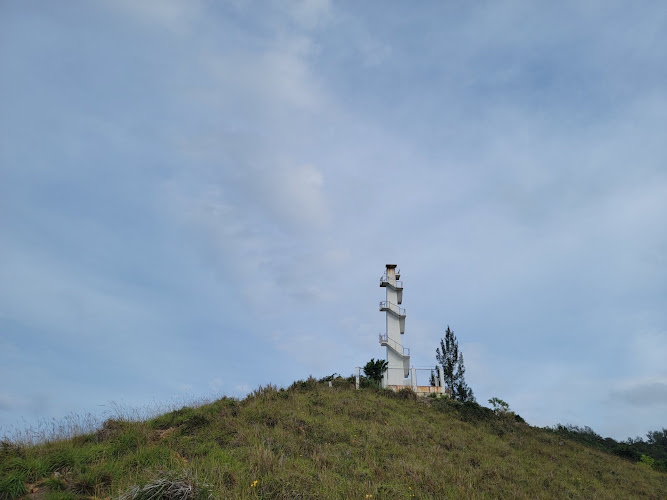
Aurora Lighthouse
About Aurora Lighthouse
Description
Standing proudly against the rugged coastline, the Aurora Lighthouse represents one of those remarkable pieces of maritime history that somehow manages to capture your imagination the moment you lay eyes on it. Built in the late 1800s, this towering beacon has guided countless vessels safely through treacherous waters for well over a century.
What strikes most visitors first isn't just the lighthouse's impressive height—though at 87 feet, it certainly commands attention—but rather the way it seems to emerge naturally from the rocky landscape. The red brick construction has weathered beautifully over the decades, developing that perfect patina that only comes with time and exposure to salt air. And honestly, there's something almost magical about how it looks different depending on the light and weather conditions.
I remember my first visit here about five years ago, and I'll admit I wasn't expecting much. But standing at the base of this lighthouse, looking up at its cylindrical tower stretching toward the sky, I felt this weird connection to all the lighthouse keepers who'd climbed those spiral stairs day after day, year after year. The Aurora Lighthouse isn't just a pretty structure for photographs—though it certainly provides those in abundance—it's a genuine piece of living history.
The lighthouse sits on a dramatic bluff overlooking the ocean, and the views from here are absolutely spectacular. On clear days, you can see for miles in every direction, which makes sense considering that was exactly the point when they built this thing. Ships needed to spot that light from as far away as possible to navigate safely.
What many travelers don't realize is that the Aurora Lighthouse is still partially operational. While modern GPS and navigation systems have largely replaced the need for traditional lighthouse guidance, the beacon still operates on certain nights, particularly during foggy conditions or special events. There's something deeply satisfying about seeing that light sweep across the water, knowing you're witnessing a tradition that's remained essentially unchanged for generations.
Key Features
The Aurora Lighthouse offers several distinctive features that make it worth the journey for history enthusiasts and casual visitors alike:
• Original Fresnel lens system dating back to 1892, still in working condition and considered one of the finest examples of 19th-century lighthouse technology in the region
• Spiral staircase with 127 steps leading to the lantern room, offering panoramic ocean views that extend up to 15 miles on clear days
• Adjacent keeper's quarters, now converted into a small museum showcasing maritime artifacts, historical photographs, and detailed accounts of lighthouse operations
• Restored fog signal building housing the original steam-powered fog horn mechanism, which operated continuously during low-visibility conditions until the 1960s
• Rocky coastline trail system providing access to tide pools and secluded viewing areas perfect for wildlife observation
• Historic oil house structure where kerosene and later fuel supplies were stored, demonstrating the logistical challenges of maintaining remote lighthouse operations
• Weather station equipment that's been collecting meteorological data for over 80 years, contributing to regional weather forecasting
• Restored quarters displaying period furnishings and personal belongings of lighthouse families who lived on site
• Original foundation stones and construction materials visible throughout the property, showing building techniques from the 1880s
Best Time to Visit
Timing your visit to the Aurora Lighthouse can make the difference between a good experience and an absolutely unforgettable one. Having been here during various seasons and weather conditions, I've learned that each time of year offers something unique.
Late spring through early fall—roughly May through October—provides the most comfortable conditions for exploring the lighthouse and surrounding grounds. During these months, weather tends to be more predictable, and you're less likely to encounter the fierce storms that can make the coastal area challenging to navigate. But don't let that stop you from considering an off-season visit.
Summer months, particularly July and August, bring the largest crowds. If you're someone who enjoys the energy of other visitors and doesn't mind sharing the experience, summer works well. However, if you're hoping for that contemplative, almost spiritual connection with the lighthouse and its history, you might want to avoid peak summer weekends.
Fall visits, especially in September and October, offer some of the most dramatic photography opportunities. The changing leaves provide a stunning contrast against the lighthouse's red brick, and the ocean takes on different moods as autumn storms begin to stir up the waters. I've found that October visits often provide the perfect balance of good weather and fewer tourists.
Winter visits require more planning and appropriate clothing, but they offer something truly special. There's something haunting and beautiful about seeing the Aurora Lighthouse surrounded by snow, with waves crashing against ice-covered rocks below. Just be prepared for limited access to certain areas and potentially harsh conditions.
Early morning visits, regardless of season, tend to provide the best lighting for photography and the most peaceful atmosphere. The lighthouse takes on a different character in the soft morning light, and you'll often have the place mostly to yourself until mid-morning when tour groups typically arrive.
Weather patterns can change quickly in this coastal location, so checking conditions before your visit is always smart. Fog can roll in unexpectedly, which actually adds atmosphere but might limit visibility for those panoramic views from the top.
How to Get There
Getting to the Aurora Lighthouse requires a bit of planning, but the journey is part of the experience. The lighthouse sits on a relatively remote section of coastline, accessible primarily by car with a moderate hiking component.
Most visitors arrive by personal vehicle, following the coastal highway until reaching the designated lighthouse access road. The turnoff is well-marked but easy to miss if you're not paying attention—I've driven past it more than once while chatting with passengers. The access road stretches about two miles from the main highway and can be rough in places, particularly after storms or during wet weather.
Parking facilities near the lighthouse are somewhat limited. There's a gravel parking area that accommodates maybe 30 vehicles, and during peak visiting times, this fills up quickly. Arriving early in the day or later in the afternoon typically ensures better parking availability. The walk from the parking area to the lighthouse base takes about 10 minutes along a well-maintained gravel path.
For those without personal transportation, reaching the Aurora Lighthouse presents more challenges. Public transportation doesn't extend to this remote location, so visitors typically need to arrange private transportation or join organized tour groups that include lighthouse visits in their itineraries.
The hiking aspect shouldn't be underestimated. While the trail from the parking area to the lighthouse isn't particularly difficult, it does involve some uneven terrain and moderate elevation changes. The path can become slippery during wet conditions, and coastal winds can be strong enough to affect balance, especially for older visitors or those with mobility concerns.
Some tour companies offer transportation packages from nearby towns, which can be convenient for travelers staying in the region without rental cars. These tours typically include stops at multiple coastal attractions, making the Aurora Lighthouse part of a larger day trip experience.
The closest town with full services—gas stations, restaurants, lodging—sits about 25 miles from the lighthouse. Planning fuel stops and meal timing around your lighthouse visit makes sense, especially since there are no commercial facilities at the lighthouse location itself.
Tips for Visiting
After multiple visits to the Aurora Lighthouse over the years, I've learned some practical lessons that can significantly improve your experience. These aren't the obvious suggestions you'll find everywhere—they're the kind of insights you only pick up through trial and error.
Dress in layers, even during apparently mild weather. Coastal conditions change rapidly, and the temperature at the lighthouse can feel significantly different from what you experienced just a few miles inland. Wind chill becomes a real factor, especially if you plan to climb to the top of the lighthouse. I've seen visitors in summer clothes shivering on perfectly pleasant days because they underestimated the coastal wind effect.
Bring more water than you think you'll need. The combination of salt air, physical activity from climbing stairs and hiking, and often unexpected sun exposure creates dehydration faster than many people realize. There's no place to purchase refreshments at the lighthouse, so bringing your own supplies is essential.
Camera equipment deserves special consideration here. The salt air can be harsh on electronics, and sudden weather changes can threaten unprotected gear. Bringing lens cleaning supplies and weather protection for your camera equipment is smart. Also, the lighting conditions around the lighthouse change dramatically throughout the day, so if photography is important to you, plan multiple visits or stay for several hours to capture different moods.
Footwear makes a huge difference in your comfort and safety. The rocky coastline and potentially wet conditions around the lighthouse require shoes with good traction. I've watched visitors in flip-flops or dress shoes struggle with the terrain and miss out on some of the best viewing areas because they couldn't navigate the rocks safely.
The internal lighthouse stairs can be challenging for some visitors. The spiral staircase is narrow, and climbing 127 steps in a confined space can trigger claustrophobia or create difficulty for people with knee problems. There's no elevator or alternative access to the top, so consider your physical limitations before committing to the climb.
Timing your visit around tides can enhance the experience significantly. Low tide exposes tide pools and provides access to rocky areas that are underwater during high tide. High tide creates more dramatic wave action against the lighthouse base. Local tide charts are usually available online or from visitor information centers in nearby towns.
Weather apps become particularly important for lighthouse visits. Coastal weather can change rapidly, and conditions that seem fine inland might be quite different at the lighthouse location. Checking weather radar before departing can save you from getting caught in unexpected storms.
If you're visiting during tourist season, arriving very early or staying late often provides a more intimate experience with the lighthouse. The crowds thin out significantly before 9 AM and after 5 PM, and the lighting during these times is often superior for photography anyway.
Respect the historical nature of the site by staying on designated paths and not touching or climbing on historical structures beyond what's specifically allowed. The lighthouse and surrounding buildings are genuine historical artifacts, and preservation depends on visitors treating them appropriately.
Key Features
- Key Features
- Best Time to Visit
- How to Get There
- Tips for Visiting
Tours & Activities
GetYourGuide provides this tour inventory. We may earn a commission if you book through it; verify current availability, prices, and terms with the provider.
Visitor Reviews
There are no reviews yet. Be the first one to write one.
Share Your Experience
Have you visited Aurora Lighthouse? Help other travelers by leaving a review.