About Arusha Declaration Museum

Description

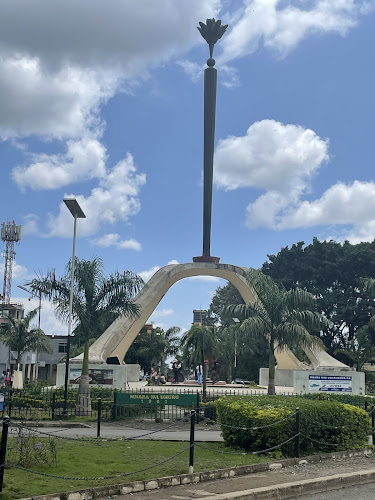
The Arusha Declaration Museum is one of those places that quietly punches above its weight. It doesn’t scream for attention, and that’s partly why it works so well. This history museum focuses on one of the most important political documents in Tanzania’s past: the Arusha Declaration of 1967. For travelers who want more than wildlife photos and souvenir shopping, this museum gives context. Real context. The kind that explains why modern Tanzania looks and feels the way it does.

The museum explores the philosophy of Ujamaa, a form of African socialism championed by the country’s first president, Julius Nyerere. Now, I’ll be honest, political museums can sometimes feel dry. Rows of text panels, stern photos, and a lot of reading. But this one surprised me. The storytelling is direct and mostly clear, and the exhibits don’t assume you already know Tanzanian history. If you’re new to East Africa, that’s a big plus.

What stands out is the balance. The museum doesn’t pretend the Arusha Declaration was flawless or universally loved. You’ll notice a fair tone throughout, acknowledging both achievements and struggles that followed. And that honesty is refreshing. There are visitors who leave deeply moved, and others who feel it could dig deeper in some areas. Both reactions are valid, and that mix is part of the experience.

Accessibility is handled well here. Wheelchair users can enter easily, move around without hassle, and find accessible restrooms. That matters, especially in a region where this isn’t always guaranteed. Families also tend to appreciate the museum. Kids may not grasp every political nuance, but the visuals, photos, and storytelling elements keep them engaged enough.

One small personal aside: the first time I visited, I planned to spend maybe 30 minutes. I stayed nearly two hours. Not because it was massive, but because I kept stopping to think. That doesn’t happen often when you’re traveling fast, ticking off attractions. This place slows you down, in a good way.

Key Features

  • Exhibits focused on the Arusha Declaration and the roots of Tanzania’s political ideology
  • Historical photographs, documents, and interpretive panels that explain complex ideas simply
  • Balanced narrative showing both successes and challenges of post-declaration policies
  • Wheelchair accessible entrance, parking, and restrooms for inclusive access
  • On-site restaurant for a relaxed break before or after exploring the museum
  • Restrooms that are clean and easy to find (you’d be surprised how often that matters)
  • Family-friendly environment where children are welcome
  • Manageable size that doesn’t overwhelm, even if history isn’t usually your thing

Best Time to Visit

There’s no strict season for visiting the Arusha Declaration Museum, which makes planning easy. Since it’s an indoor attraction, weather doesn’t really dictate your visit. But timing still matters if you want the best experience.

Mornings are usually quieter. If you arrive earlier in the day, you’ll have more space to read, reflect, and maybe ask staff a question or two without feeling rushed. Late mornings and early afternoons can see small groups passing through, especially when tour buses are in town. It’s never chaotic, but the calm of early hours is noticeable.

If you’re visiting Arusha during peak safari season, which tends to bring more travelers into town, consider fitting the museum into a weekday slot. Weekends can attract local families and student groups, which adds energy but also noise. Neither is bad, just different vibes.

And here’s a tip from experience: visit when you’re not exhausted. This isn’t a museum you rush through after a long drive from the park. Give it some mental space. You’ll get more out of it, I promise.

How to Get There

Getting to the Arusha Declaration Museum is fairly straightforward for most travelers staying in or around Arusha city. It’s well-known locally, so taxi drivers and hotel staff usually recognize the name immediately. If you’re using a taxi or ride service, just mention the museum and you’re good.

For those who like a bit of independence, local transport options can get you close, though they may require a short walk at the end. Walking itself is doable if you’re staying nearby, but like anywhere, be aware of traffic and your surroundings.

Many guided city tours include the museum as a stop, especially those focused on history and culture rather than shopping. This can be a convenient option if you prefer having context explained along the way. But visiting solo has its perks too. You set the pace. You linger where you want. You skip what you don’t.

Personally, I prefer arriving on my own, grabbing a coffee beforehand, and walking in with zero expectations. That approach hasn’t failed me yet.

Tips for Visiting

First tip: read the panels. I know, that sounds obvious, but this museum really relies on its written explanations. Skimming won’t do it justice. Take your time. If English isn’t your first language, don’t rush; the language used is generally clear and accessible.

Second, don’t be afraid to ask questions. Staff members are often happy to clarify points or add context, especially if you show genuine interest. A short conversation can turn a good visit into a memorable one.

Third, pair your visit with a broader exploration of Arusha’s history. This museum makes more sense when you see it as part of a bigger story. It explains ideas that shaped education, rural life, and governance across the country. Suddenly, things you’ve noticed on your travels start to connect.

Fourth, bring kids if you have them, but set expectations. This isn’t an interactive science center. It’s more about ideas and stories. Older children tend to get more out of it, especially if you talk through what you’re seeing together.

And lastly, give yourself permission to feel conflicted. The Arusha Declaration was ambitious. It aimed high. Some outcomes were inspiring, others complicated. The museum doesn’t spoon-feed conclusions, and that’s a strength. You’ll leave with thoughts swirling around your head, and maybe a few questions. That’s kind of the point.

For travelers who want to understand Tanzania beyond the surface, the Arusha Declaration Museum is worth the stop. It’s not flashy. It’s not perfect. But it’s thoughtful, accessible, and quietly powerful. And honestly, those are the places that tend to stay with you long after the trip is over.

Key Features

  • Exhibits focused on the Arusha Declaration and the roots of Tanzania’s political ideology
  • Historical photographs, documents, and interpretive panels that explain complex ideas simply
  • Balanced narrative showing both successes and challenges of post-declaration policies
  • Wheelchair accessible entrance, parking, and restrooms for inclusive access
  • On-site restaurant for a relaxed break before or after exploring the museum
  • Restrooms that are clean and easy to find (you’d be surprised how often that matters)
  • Family-friendly environment where children are welcome
  • Manageable size that doesn’t overwhelm, even if history isn’t usually your thing

More Details

Updated January 1, 2026


Description

The Arusha Declaration Museum is one of those places that quietly punches above its weight. It doesn’t scream for attention, and that’s partly why it works so well. This history museum focuses on one of the most important political documents in Tanzania’s past: the Arusha Declaration of 1967. For travelers who want more than wildlife photos and souvenir shopping, this museum gives context. Real context. The kind that explains why modern Tanzania looks and feels the way it does.

The museum explores the philosophy of Ujamaa, a form of African socialism championed by the country’s first president, Julius Nyerere. Now, I’ll be honest, political museums can sometimes feel dry. Rows of text panels, stern photos, and a lot of reading. But this one surprised me. The storytelling is direct and mostly clear, and the exhibits don’t assume you already know Tanzanian history. If you’re new to East Africa, that’s a big plus.

What stands out is the balance. The museum doesn’t pretend the Arusha Declaration was flawless or universally loved. You’ll notice a fair tone throughout, acknowledging both achievements and struggles that followed. And that honesty is refreshing. There are visitors who leave deeply moved, and others who feel it could dig deeper in some areas. Both reactions are valid, and that mix is part of the experience.

Accessibility is handled well here. Wheelchair users can enter easily, move around without hassle, and find accessible restrooms. That matters, especially in a region where this isn’t always guaranteed. Families also tend to appreciate the museum. Kids may not grasp every political nuance, but the visuals, photos, and storytelling elements keep them engaged enough.

One small personal aside: the first time I visited, I planned to spend maybe 30 minutes. I stayed nearly two hours. Not because it was massive, but because I kept stopping to think. That doesn’t happen often when you’re traveling fast, ticking off attractions. This place slows you down, in a good way.

Key Features

  • Exhibits focused on the Arusha Declaration and the roots of Tanzania’s political ideology
  • Historical photographs, documents, and interpretive panels that explain complex ideas simply
  • Balanced narrative showing both successes and challenges of post-declaration policies
  • Wheelchair accessible entrance, parking, and restrooms for inclusive access
  • On-site restaurant for a relaxed break before or after exploring the museum
  • Restrooms that are clean and easy to find (you’d be surprised how often that matters)
  • Family-friendly environment where children are welcome
  • Manageable size that doesn’t overwhelm, even if history isn’t usually your thing

Best Time to Visit

There’s no strict season for visiting the Arusha Declaration Museum, which makes planning easy. Since it’s an indoor attraction, weather doesn’t really dictate your visit. But timing still matters if you want the best experience.

Mornings are usually quieter. If you arrive earlier in the day, you’ll have more space to read, reflect, and maybe ask staff a question or two without feeling rushed. Late mornings and early afternoons can see small groups passing through, especially when tour buses are in town. It’s never chaotic, but the calm of early hours is noticeable.

If you’re visiting Arusha during peak safari season, which tends to bring more travelers into town, consider fitting the museum into a weekday slot. Weekends can attract local families and student groups, which adds energy but also noise. Neither is bad, just different vibes.

And here’s a tip from experience: visit when you’re not exhausted. This isn’t a museum you rush through after a long drive from the park. Give it some mental space. You’ll get more out of it, I promise.

How to Get There

Getting to the Arusha Declaration Museum is fairly straightforward for most travelers staying in or around Arusha city. It’s well-known locally, so taxi drivers and hotel staff usually recognize the name immediately. If you’re using a taxi or ride service, just mention the museum and you’re good.

For those who like a bit of independence, local transport options can get you close, though they may require a short walk at the end. Walking itself is doable if you’re staying nearby, but like anywhere, be aware of traffic and your surroundings.

Many guided city tours include the museum as a stop, especially those focused on history and culture rather than shopping. This can be a convenient option if you prefer having context explained along the way. But visiting solo has its perks too. You set the pace. You linger where you want. You skip what you don’t.

Personally, I prefer arriving on my own, grabbing a coffee beforehand, and walking in with zero expectations. That approach hasn’t failed me yet.

Tips for Visiting

First tip: read the panels. I know, that sounds obvious, but this museum really relies on its written explanations. Skimming won’t do it justice. Take your time. If English isn’t your first language, don’t rush; the language used is generally clear and accessible.

Second, don’t be afraid to ask questions. Staff members are often happy to clarify points or add context, especially if you show genuine interest. A short conversation can turn a good visit into a memorable one.

Third, pair your visit with a broader exploration of Arusha’s history. This museum makes more sense when you see it as part of a bigger story. It explains ideas that shaped education, rural life, and governance across the country. Suddenly, things you’ve noticed on your travels start to connect.

Fourth, bring kids if you have them, but set expectations. This isn’t an interactive science center. It’s more about ideas and stories. Older children tend to get more out of it, especially if you talk through what you’re seeing together.

And lastly, give yourself permission to feel conflicted. The Arusha Declaration was ambitious. It aimed high. Some outcomes were inspiring, others complicated. The museum doesn’t spoon-feed conclusions, and that’s a strength. You’ll leave with thoughts swirling around your head, and maybe a few questions. That’s kind of the point.

For travelers who want to understand Tanzania beyond the surface, the Arusha Declaration Museum is worth the stop. It’s not flashy. It’s not perfect. But it’s thoughtful, accessible, and quietly powerful. And honestly, those are the places that tend to stay with you long after the trip is over.

Key Highlights

  • Exhibits focused on the Arusha Declaration and the roots of Tanzania’s political ideology
  • Historical photographs, documents, and interpretive panels that explain complex ideas simply
  • Balanced narrative showing both successes and challenges of post-declaration policies
  • Wheelchair accessible entrance, parking, and restrooms for inclusive access
  • On-site restaurant for a relaxed break before or after exploring the museum
  • Restrooms that are clean and easy to find (you’d be surprised how often that matters)
  • Family-friendly environment where children are welcome
  • Manageable size that doesn’t overwhelm, even if history isn’t usually your thing

Location

Places to Stay Near Arusha Declaration Museum

Find and Book a Tour

Explore More Travel Guides

No reviews found! Be the first to review!

Traveler Reviews for Arusha Declaration Museum

There are no reviews yet. Be the first one to write one.

Share Your Experience

Have you visited Arusha Declaration Museum? Help other travelers by sharing your review.

Find Accommodations Nearby

Recommended Tours & Activities

Visitor Reviews

There are no reviews yet. Be the first one to write one.

Share Your Experience

Have you visited Arusha Declaration Museum? Help other travelers by leaving a review.