

Arabuko Sokoke Forest Reserve
About Arabuko Sokoke Forest Reserve
Description
Arabuko Sokoke Forest Reserve is one of those rare places that sneaks up on you with its quiet charm and unexpected wonders. Located along Kenya’s coast, this sprawling forest isn’t your typical tourist trap. Instead, it’s a genuine slice of wild nature where the air feels fresher, the sounds richer, and the pace slower. If you’re the kind of traveler who loves to wander off the beaten path, this spot will grab your attention—and probably your heart.
The forest is home to a fascinating mix of wildlife, including some pretty special birds and animals you won’t find just anywhere. Elephants roam here, along with a variety of other critters that make the forest their home. Birdwatchers, in particular, will find themselves in paradise. The trails weave through a coastal setting that’s striking in its own right—imagine walking under a canopy of ancient trees with the salty breeze not far away. It’s a place that invites you to slow down, breathe in the earthy smells, and maybe even lose track of time.
Now, don’t expect luxury lodges or flashy touristy stuff. Arabuko Sokoke is about raw, unfiltered nature. But it’s also surprisingly accessible and family-friendly, which is a nice bonus if you’re traveling with kids. There are picnic spots with tables and barbecue grills, so you can bring your own food and make a day of it. Plus, there are public restrooms, which, let’s be honest, is a relief when you’re out in the wild.
Hiking here is a treat. The trails range from easy to moderately challenging, making them perfect for both casual walkers and those who want a bit more adventure. And the best part? You’re walking through one of the largest coastal forests in East Africa, a place that’s been preserved for its unique biodiversity. It’s not just a walk in the woods—it’s a journey through a living, breathing ecosystem that’s been around for centuries.
Key Features
- Diverse wildlife including elephants and rare bird species
- Scenic hiking trails suitable for all ages, including kid-friendly routes
- Picnic areas equipped with barbecue grills and picnic tables
- Public restrooms available for visitor convenience
- Coastal forest setting offering a cool sea breeze and unique flora
- Opportunities for guided nature walks to learn about local ecology
- Family-friendly atmosphere with activities suitable for children
- Conservation efforts supported by local communities, adding a meaningful dimension to visits
Best Time to Visit
Timing your visit can make a huge difference here. The forest feels different depending on the season, and if you’re chasing wildlife sightings or birdwatching, some months are better than others. Generally, the dry seasons—between December and March, and again from June to October—offer the best conditions for hiking and spotting animals. Trails are less muddy, and animals tend to gather around water sources, making them easier to see.
That said, the rainy seasons bring their own magic. The forest becomes lush and vibrant, with fresh greenery and the chorus of birdsong at its peak. Just be ready for some slippery paths and the occasional downpour. Personally, I’ve found that visiting right after the rains can be quite rewarding—fewer crowds, cooler temperatures, and a forest that feels like it’s been freshly washed.
How to Get There
Getting to Arabuko Sokoke Forest Reserve is part of the adventure. It’s not tucked away in a remote corner that’s impossible to reach, but it does require a bit of planning. The closest major town is Malindi, which serves as a good jumping-off point. From there, you can hire a local guide or take a taxi to the forest entrance. The roads are mostly passable, but if you’re driving yourself, a vehicle with decent clearance is recommended—especially in the rainy season.
Public transport options exist but can be a bit unpredictable, so if you’re not into the hassle, arranging private transport might be your best bet. And trust me, having a local guide not only helps you navigate the forest trails but also enriches the experience with stories about the plants, animals, and the people who live around the reserve. I remember one guide pointing out a tiny bird’s nest no bigger than a walnut—stuff you’d totally miss on your own.
Tips for Visiting
Here’s where I get a bit personal because, well, I’ve been there and learned a thing or two the hard way. First off, bring comfortable walking shoes. The trails can be uneven and sometimes muddy, so don’t show up in flip-flops expecting a stroll in the park. Also, pack insect repellent—those little critters love the forest as much as you’ll love being there.
Don’t forget water and snacks, especially if you plan to spend the whole day exploring. While there are picnic tables and barbecue grills, there aren’t shops inside the reserve, so come prepared. And if you’re into photography, charge those batteries fully—there’s plenty to capture, from the dappled sunlight through the canopy to the shy animals peeking from behind the bushes.
One thing that really stood out to me was how the local community is involved in the forest’s conservation. Taking a guided tour not only supports these efforts but also gives you a richer understanding of the place. It’s not just about ticking off a destination; it’s about connecting with a living ecosystem and the people who cherish it.
Lastly, be patient and keep your eyes peeled. Wildlife here isn’t guaranteed like in a zoo, but that’s part of the thrill. Sometimes you’ll spot an elephant quietly moving through the trees, other times it might just be the calls of exotic birds or the rustle of leaves. Either way, it’s an experience that stays with you long after you leave.
Key Features
- Diverse wildlife including elephants and rare bird species
- Scenic hiking trails suitable for all ages, including kid-friendly routes
- Picnic areas equipped with barbecue grills and picnic tables
- Public restrooms available for visitor convenience
- Coastal forest setting offering a cool sea breeze and unique flora
- Opportunities for guided nature walks to learn about local ecology
- Family-friendly atmosphere with activities suitable for children
- Conservation efforts supported by local communities, adding a meaningful dimension to visits
More Details
Updated July 17, 2025
Table of Contents
Description
Arabuko Sokoke Forest Reserve is one of those rare places that sneaks up on you with its quiet charm and unexpected wonders. Located along Kenya’s coast, this sprawling forest isn’t your typical tourist trap. Instead, it’s a genuine slice of wild nature where the air feels fresher, the sounds richer, and the pace slower. If you’re the kind of traveler who loves to wander off the beaten path, this spot will grab your attention—and probably your heart.
The forest is home to a fascinating mix of wildlife, including some pretty special birds and animals you won’t find just anywhere. Elephants roam here, along with a variety of other critters that make the forest their home. Birdwatchers, in particular, will find themselves in paradise. The trails weave through a coastal setting that’s striking in its own right—imagine walking under a canopy of ancient trees with the salty breeze not far away. It’s a place that invites you to slow down, breathe in the earthy smells, and maybe even lose track of time.
Now, don’t expect luxury lodges or flashy touristy stuff. Arabuko Sokoke is about raw, unfiltered nature. But it’s also surprisingly accessible and family-friendly, which is a nice bonus if you’re traveling with kids. There are picnic spots with tables and barbecue grills, so you can bring your own food and make a day of it. Plus, there are public restrooms, which, let’s be honest, is a relief when you’re out in the wild.
Hiking here is a treat. The trails range from easy to moderately challenging, making them perfect for both casual walkers and those who want a bit more adventure. And the best part? You’re walking through one of the largest coastal forests in East Africa, a place that’s been preserved for its unique biodiversity. It’s not just a walk in the woods—it’s a journey through a living, breathing ecosystem that’s been around for centuries.
Key Features
- Diverse wildlife including elephants and rare bird species
- Scenic hiking trails suitable for all ages, including kid-friendly routes
- Picnic areas equipped with barbecue grills and picnic tables
- Public restrooms available for visitor convenience
- Coastal forest setting offering a cool sea breeze and unique flora
- Opportunities for guided nature walks to learn about local ecology
- Family-friendly atmosphere with activities suitable for children
- Conservation efforts supported by local communities, adding a meaningful dimension to visits
Best Time to Visit
Timing your visit can make a huge difference here. The forest feels different depending on the season, and if you’re chasing wildlife sightings or birdwatching, some months are better than others. Generally, the dry seasons—between December and March, and again from June to October—offer the best conditions for hiking and spotting animals. Trails are less muddy, and animals tend to gather around water sources, making them easier to see.
That said, the rainy seasons bring their own magic. The forest becomes lush and vibrant, with fresh greenery and the chorus of birdsong at its peak. Just be ready for some slippery paths and the occasional downpour. Personally, I’ve found that visiting right after the rains can be quite rewarding—fewer crowds, cooler temperatures, and a forest that feels like it’s been freshly washed.
How to Get There
Getting to Arabuko Sokoke Forest Reserve is part of the adventure. It’s not tucked away in a remote corner that’s impossible to reach, but it does require a bit of planning. The closest major town is Malindi, which serves as a good jumping-off point. From there, you can hire a local guide or take a taxi to the forest entrance. The roads are mostly passable, but if you’re driving yourself, a vehicle with decent clearance is recommended—especially in the rainy season.
Public transport options exist but can be a bit unpredictable, so if you’re not into the hassle, arranging private transport might be your best bet. And trust me, having a local guide not only helps you navigate the forest trails but also enriches the experience with stories about the plants, animals, and the people who live around the reserve. I remember one guide pointing out a tiny bird’s nest no bigger than a walnut—stuff you’d totally miss on your own.
Tips for Visiting
Here’s where I get a bit personal because, well, I’ve been there and learned a thing or two the hard way. First off, bring comfortable walking shoes. The trails can be uneven and sometimes muddy, so don’t show up in flip-flops expecting a stroll in the park. Also, pack insect repellent—those little critters love the forest as much as you’ll love being there.
Don’t forget water and snacks, especially if you plan to spend the whole day exploring. While there are picnic tables and barbecue grills, there aren’t shops inside the reserve, so come prepared. And if you’re into photography, charge those batteries fully—there’s plenty to capture, from the dappled sunlight through the canopy to the shy animals peeking from behind the bushes.
One thing that really stood out to me was how the local community is involved in the forest’s conservation. Taking a guided tour not only supports these efforts but also gives you a richer understanding of the place. It’s not just about ticking off a destination; it’s about connecting with a living ecosystem and the people who cherish it.
Lastly, be patient and keep your eyes peeled. Wildlife here isn’t guaranteed like in a zoo, but that’s part of the thrill. Sometimes you’ll spot an elephant quietly moving through the trees, other times it might just be the calls of exotic birds or the rustle of leaves. Either way, it’s an experience that stays with you long after you leave.
Key Highlights
- Diverse wildlife including elephants and rare bird species
- Scenic hiking trails suitable for all ages, including kid-friendly routes
- Picnic areas equipped with barbecue grills and picnic tables
- Public restrooms available for visitor convenience
- Coastal forest setting offering a cool sea breeze and unique flora
- Opportunities for guided nature walks to learn about local ecology
- Family-friendly atmosphere with activities suitable for children
- Conservation efforts supported by local communities, adding a meaningful dimension to visits
Location
Places to Stay Near Arabuko Sokoke Forest Reserve
Find and Book a Tour
Explore More Travel Guides
No reviews found! Be the first to review!
Traveler Reviews for Arabuko Sokoke Forest Reserve
There are no reviews yet. Be the first one to write one.
Have you visited Arabuko Sokoke Forest Reserve? Help other travelers by sharing your review.
You Might Also Like

Malindi marine boat excursions
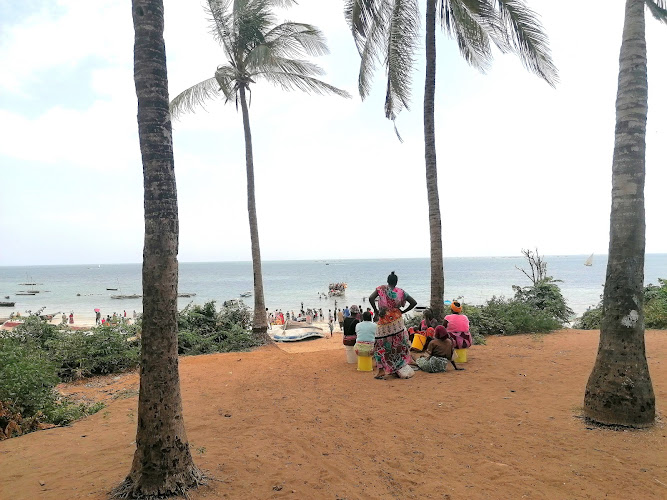
Mayungu Fishermen's Village

Mnarani Snake Park
Find Accommodations Nearby
Recommended Tours & Activities
Visitor Reviews
There are no reviews yet. Be the first one to write one.
Share Your Experience
Have you visited Arabuko Sokoke Forest Reserve? Help other travelers by leaving a review.