
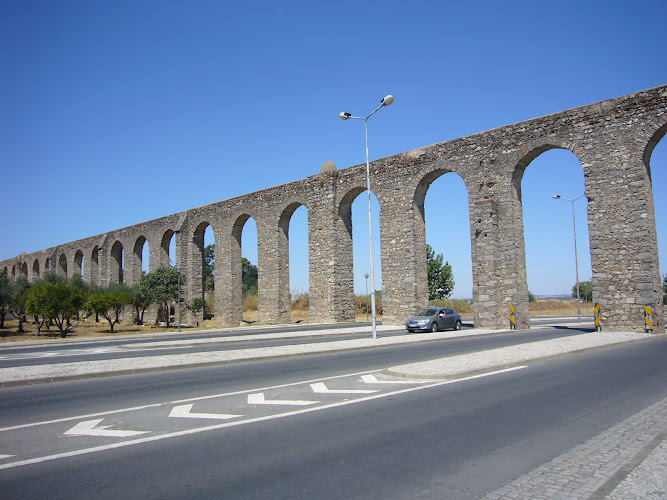
Aqueduct
About Aqueduct
Description
The Aqueduct standing in Évora is genuinely one of those places that sneaks up on you. At first glance, it’s just this massive stone structure stretching into the horizon—but spend a moment, and it reveals layers of history and sheer human grit. Built back in the 1530s, thanks to the brilliant Francisco de Arruda, the same guy behind some of Portugal's iconic monuments, this aqueduct was designed to transport water over long distances, a feat absolutely remarkable for its time. And if you love architecture or old-world engineering, you’ll appreciate just how cleverly this thing was put together—imagine carrying fresh water through a series of arches, stone by stone, with nothing but sweat and vision to back it up.
One of the coolest parts? There's a walking path running alongside the structure. I remember taking a stroll there once, watching locals and tourists alike pause to marvel at the sheer scale and endurance of the aqueduct. Kids run around, echoing laughter off the ancient stones, and anyone interested in history can practically feel the hustle and bustle of a time centuries ago. It’s accessible, too—wheelchair-friendly parking and paths mean pretty much anyone can explore without too much trouble.
Unlike some tourist spots that feel overwhelmed with crowds or overly commercialized, this aqueduct maintains a lovely, somewhat off-the-beaten-path vibe. Most visitors walk away impressed by its enduring presence and the serene backdrop of Évora’s countryside. Sure, some folks might wish for more nearby amenities or interpretive signs, but that only adds to the charm for the kind of traveler who loves discovering things at their own pace, maybe with a good guidebook or a curious mind.
Key Features
- Designed and constructed in the 1530s by Francisco de Arruda, a master of Portuguese Renaissance architecture
- Extensive stone arches stretching over several kilometers – you can literally follow history on foot
- Accessible walking path adjacent to the aqueduct, perfect for leisurely strolls or photography
- Wheelchair accessible parking nearby, making it easy for visitors with mobility challenges
- Good for families and kids – plenty of open space for them to enjoy without feeling cramped
- Sets in a picturesque rural landscape, offering some seriously impressive sunset views
- Not overly commercialized, offering a genuine sense of historic preservation and authenticity
Best Time to Visit
Évora enjoys a Mediterranean climate which means hot summers and mild winters, but here's the thing: visiting the aqueduct during the height of summer might test even the toughest travelers. I’d suggest aiming for late spring or early autumn. The temperatures are far more bearable, hovering comfortably in the 20s Celsius (that’s around the high 60s to low 80s Fahrenheit), and the area isn’t packed with tourists yet. Bonus: the soft golden light during these seasons makes the stone aqueduct look unbelievably photogenic.
Winter in Évora is quieter, and if you don’t mind a slight chill, it’s actually the perfect time to experience the aqueduct with very few people around. Just bring a good jacket because it gets surprisingly cold after sunset. Oh, and try to avoid the rainy days if you want to walk the path comfortably; the stones can get slippery, and trust me, you don’t want an unexpected slip when you’re surrounded by centuries-old architecture.
How to Get There
Getting to the aqueduct is straightforward, but it helps to plan a bit. Évora is well-connected by road, and if you’re driving, you’ll find parking close to the site that’s accessible and convenient. The parking spots marked for disabled guests are especially thoughtful, so shout out to whoever planned that.
If you rely on public transport, buses from central Évora will drop you near enough, but keep in mind that you might have a short walk leading up to the aqueduct itself. Not a big deal if you’re up for a brief jaunt, but something to consider if traveling with smaller kids or elderly family members. And if you’re like me and enjoy a bit of exploring, the best approach is perhaps renting a bike or taking a leisurely stroll from the city center, soaking up the local vibes along the way.
Tips for Visiting
Okay, so here’s the lowdown to make your visit smooth and enjoyable:
- Wear comfy shoes. The path alongside the aqueduct is uneven in spots and walking shoes will save your feet a headache.
- Bring water and snacks. Since the area isn’t overrun by vendors, it’s smart to pack a little picnic or at least some water bottles, especially on warm days.
- Early morning or late afternoon visits. These times offer cooler weather and the best light for photos. Plus, you’ll probably have the place mostly to yourself.
- Respect the site. This aqueduct is a historic monument, so please don’t climb on the arches or interfere with the structure. Leave it as you found it for the next curious traveler!
- Consider a guided tour. If you’re a history buff like me, a local guide will spill all the fascinating stories behind its construction and role in the city’s development.
- Keep an eye on the weather forecast. Rain can happen unexpectedly, and the stone paths get slick real quick.
- Bring a camera or smartphone. Seriously, you’re going to want to capture this—the combination of rugged stone and open skies is something special.
Visiting the aqueduct feels like stepping back into a time when architecture was as much about heart as it was about skill. Whether you’re wandering solo, with friends, or dragging along your family, it offers a memorable experience that’s both uplifting and humbling. Just remember it’s not a theme park, so set your expectations for something real, authentic, and quietly profound.
Key Features
- Designed and constructed in the 1530s by Francisco de Arruda, a master of Portuguese Renaissance architecture
- Extensive stone arches stretching over several kilometers – you can literally follow history on foot
- Accessible walking path adjacent to the aqueduct, perfect for leisurely strolls or photography
- Wheelchair accessible parking nearby, making it easy for visitors with mobility challenges
- Good for families and kids – plenty of open space for them to enjoy without feeling cramped
- Sets in a picturesque rural landscape, offering some seriously impressive sunset views
- Not overly commercialized, offering a genuine sense of historic preservation and authenticity
More Details
Updated May 28, 2025
Table of Contents
Description
The Aqueduct standing in Évora is genuinely one of those places that sneaks up on you. At first glance, it’s just this massive stone structure stretching into the horizon—but spend a moment, and it reveals layers of history and sheer human grit. Built back in the 1530s, thanks to the brilliant Francisco de Arruda, the same guy behind some of Portugal’s iconic monuments, this aqueduct was designed to transport water over long distances, a feat absolutely remarkable for its time. And if you love architecture or old-world engineering, you’ll appreciate just how cleverly this thing was put together—imagine carrying fresh water through a series of arches, stone by stone, with nothing but sweat and vision to back it up.
One of the coolest parts? There’s a walking path running alongside the structure. I remember taking a stroll there once, watching locals and tourists alike pause to marvel at the sheer scale and endurance of the aqueduct. Kids run around, echoing laughter off the ancient stones, and anyone interested in history can practically feel the hustle and bustle of a time centuries ago. It’s accessible, too—wheelchair-friendly parking and paths mean pretty much anyone can explore without too much trouble.
Unlike some tourist spots that feel overwhelmed with crowds or overly commercialized, this aqueduct maintains a lovely, somewhat off-the-beaten-path vibe. Most visitors walk away impressed by its enduring presence and the serene backdrop of Évora’s countryside. Sure, some folks might wish for more nearby amenities or interpretive signs, but that only adds to the charm for the kind of traveler who loves discovering things at their own pace, maybe with a good guidebook or a curious mind.
Key Features
- Designed and constructed in the 1530s by Francisco de Arruda, a master of Portuguese Renaissance architecture
- Extensive stone arches stretching over several kilometers – you can literally follow history on foot
- Accessible walking path adjacent to the aqueduct, perfect for leisurely strolls or photography
- Wheelchair accessible parking nearby, making it easy for visitors with mobility challenges
- Good for families and kids – plenty of open space for them to enjoy without feeling cramped
- Sets in a picturesque rural landscape, offering some seriously impressive sunset views
- Not overly commercialized, offering a genuine sense of historic preservation and authenticity
Best Time to Visit
Évora enjoys a Mediterranean climate which means hot summers and mild winters, but here’s the thing: visiting the aqueduct during the height of summer might test even the toughest travelers. I’d suggest aiming for late spring or early autumn. The temperatures are far more bearable, hovering comfortably in the 20s Celsius (that’s around the high 60s to low 80s Fahrenheit), and the area isn’t packed with tourists yet. Bonus: the soft golden light during these seasons makes the stone aqueduct look unbelievably photogenic.
Winter in Évora is quieter, and if you don’t mind a slight chill, it’s actually the perfect time to experience the aqueduct with very few people around. Just bring a good jacket because it gets surprisingly cold after sunset. Oh, and try to avoid the rainy days if you want to walk the path comfortably; the stones can get slippery, and trust me, you don’t want an unexpected slip when you’re surrounded by centuries-old architecture.
How to Get There
Getting to the aqueduct is straightforward, but it helps to plan a bit. Évora is well-connected by road, and if you’re driving, you’ll find parking close to the site that’s accessible and convenient. The parking spots marked for disabled guests are especially thoughtful, so shout out to whoever planned that.
If you rely on public transport, buses from central Évora will drop you near enough, but keep in mind that you might have a short walk leading up to the aqueduct itself. Not a big deal if you’re up for a brief jaunt, but something to consider if traveling with smaller kids or elderly family members. And if you’re like me and enjoy a bit of exploring, the best approach is perhaps renting a bike or taking a leisurely stroll from the city center, soaking up the local vibes along the way.
Tips for Visiting
Okay, so here’s the lowdown to make your visit smooth and enjoyable:
- Wear comfy shoes. The path alongside the aqueduct is uneven in spots and walking shoes will save your feet a headache.
- Bring water and snacks. Since the area isn’t overrun by vendors, it’s smart to pack a little picnic or at least some water bottles, especially on warm days.
- Early morning or late afternoon visits. These times offer cooler weather and the best light for photos. Plus, you’ll probably have the place mostly to yourself.
- Respect the site. This aqueduct is a historic monument, so please don’t climb on the arches or interfere with the structure. Leave it as you found it for the next curious traveler!
- Consider a guided tour. If you’re a history buff like me, a local guide will spill all the fascinating stories behind its construction and role in the city’s development.
- Keep an eye on the weather forecast. Rain can happen unexpectedly, and the stone paths get slick real quick.
- Bring a camera or smartphone. Seriously, you’re going to want to capture this—the combination of rugged stone and open skies is something special.
Visiting the aqueduct feels like stepping back into a time when architecture was as much about heart as it was about skill. Whether you’re wandering solo, with friends, or dragging along your family, it offers a memorable experience that’s both uplifting and humbling. Just remember it’s not a theme park, so set your expectations for something real, authentic, and quietly profound.
Key Highlights
- Designed and constructed in the 1530s by Francisco de Arruda, a master of Portuguese Renaissance architecture
- Extensive stone arches stretching over several kilometers – you can literally follow history on foot
- Accessible walking path adjacent to the aqueduct, perfect for leisurely strolls or photography
- Wheelchair accessible parking nearby, making it easy for visitors with mobility challenges
- Good for families and kids – plenty of open space for them to enjoy without feeling cramped
- Sets in a picturesque rural landscape, offering some seriously impressive sunset views
- Not overly commercialized, offering a genuine sense of historic preservation and authenticity
Location
Places to Stay Near Aqueduct
Find and Book a Tour
Explore More Travel Guides
No reviews found! Be the first to review!
Traveler Reviews for Aqueduct
There are no reviews yet. Be the first one to write one.
Have you visited Aqueduct? Help other travelers by sharing your review.
You Might Also Like
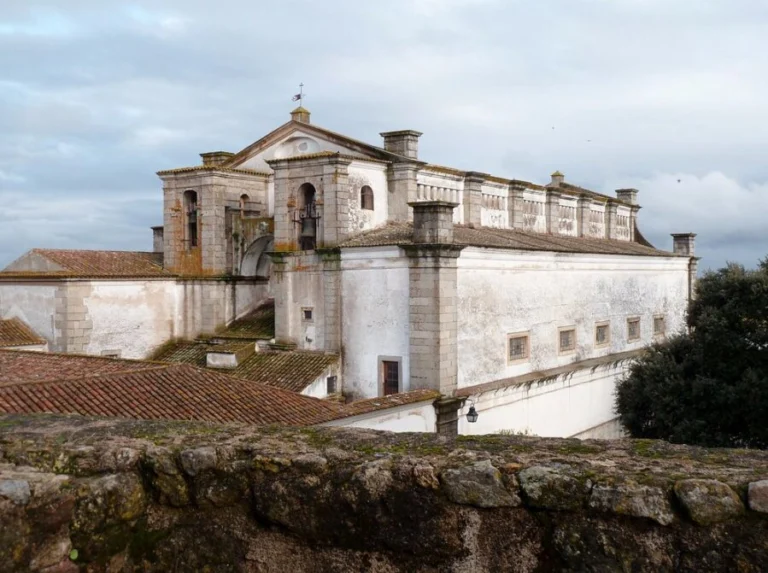
Páteo de São Miguel
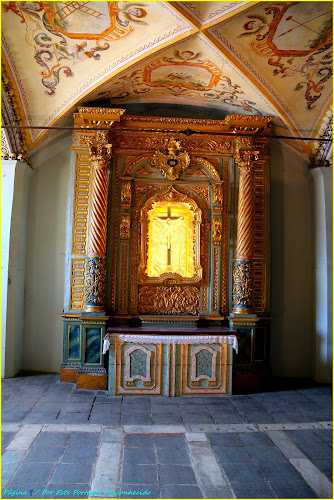
Museu de Évora – Núcleo de Arte Sacra da Igreja das Mercês

Aqueduto da Água de Prata
Find Accommodations Nearby
Recommended Tours & Activities
Visitor Reviews
There are no reviews yet. Be the first one to write one.
Share Your Experience
Have you visited Aqueduct? Help other travelers by leaving a review.